Category
page 1Deified men

Jesus

The Buddha
Indian philosopher and the founder of Buddhism (623 or 563 BCE – 543 or 483 BCE)
%20-%20Homer%20and%20his%20Guide%20(1874).jpg)
Homer
Homer (; , ; possibly born ) was an ancient Greek poet who is widely credited as the author of the Iliad and the Odyssey, two epic poems that are foundational works of ancient Greek literature. Although his life and authorship remain obscure, Homer was highly revered in ancient Greek society and is considered one of the most influential authors in history.
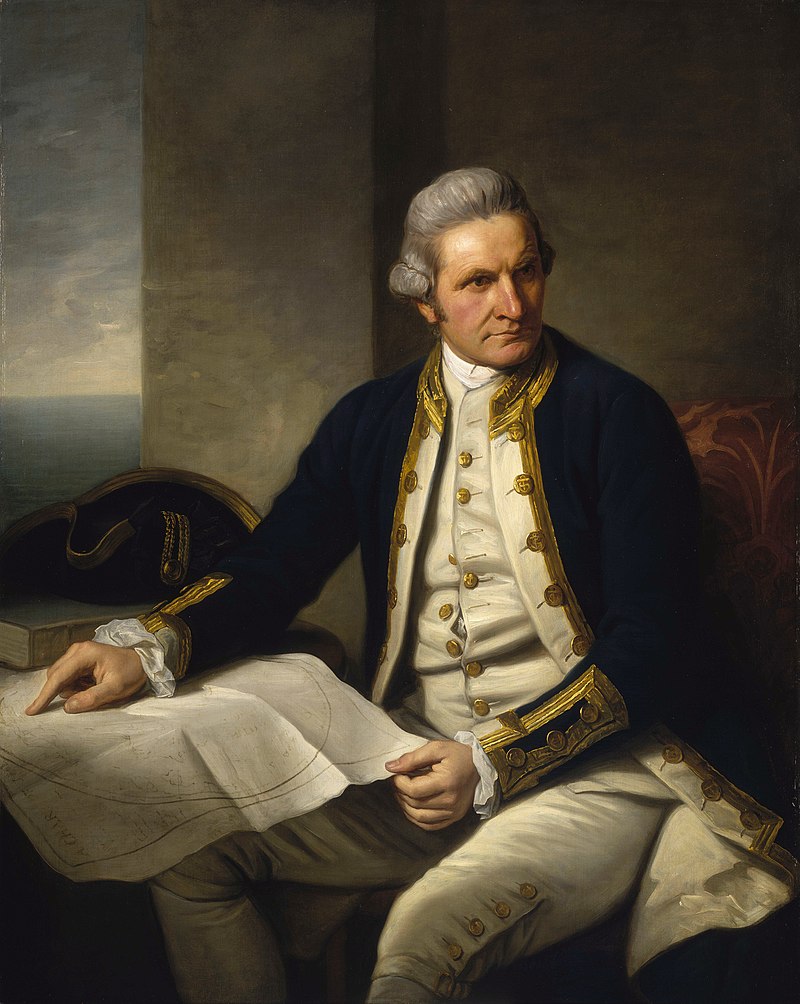
James Cook
British explorer, cartographer and naval officer (1728–1779)

Diego Maradona
Argentine football player and manager (1960–2020)

Alī ibn Abī Ṭālib
Ali ibn Abi Talib (; ) was the fourth Rashidun caliph who ruled from until his assassination in 661, as well as the first Shia Imam. He was the cousin and son-in-law of the Islamic prophet Muhammad. Born to Abu Talib ibn Abd al-Muttalib and Fatima bint Asad, Ali was raised in the household of his cousin Muhammad and was among the first to accept his teachings.

Pol Pot
former General Secretary of the Communist Party of Kampuchea (1925–1998)
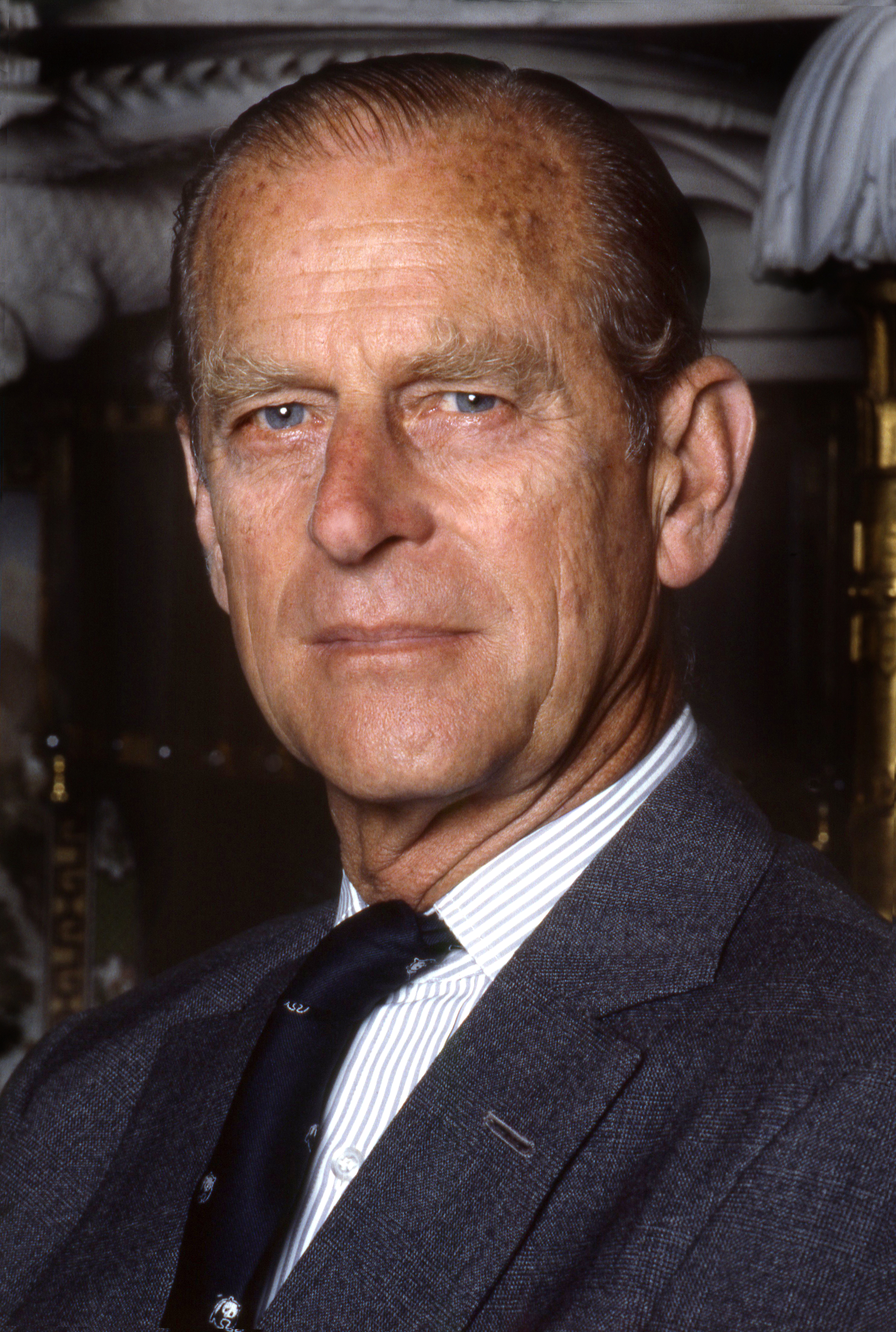
Prince Philip, Duke of Edinburgh
Prince Philip, Duke of Edinburgh, was the husband of Queen Elizabeth II and served as consort of the British monarch from her accession on 6 February 1952 until his death in 2021, making him the longest-serving royal consort in British history.

Dalai Lama
Tibetan Buddhist spiritual teacher

José Rizal
Filipino nationalist, writer and polymath (1861–1896)

Aeneas
thumb|Aeneas flees burning Troy, Federico Barocci, 1598 ([[Galleria Borghese, Rome, Italy)]]

Imhotep
Imhotep (; "(the one who) comes in peace"; ) was an Egyptian chancellor to the King Djoser, possible architect of Djoser's step pyramid, and high priest of the sun god Ra at Heliopolis. Very little is known of Imhotep as a historical figure, but in the 3,000 years following his death, he was gradually glorified and deified.

Francisco Macías Nguema Biyoko
Equatoguinean politician, 1st and former President of Equatorial Guinea (1924-1979)
.jpg)
Lycurgus of Sparta
Lycurgus (; ) was the legendary lawgiver of Sparta, credited with the formation of its (), involving political, economic, and social reforms to produce a military-oriented Spartan society in accordance with the Delphic oracle. The Spartans in the historical period honoured him as a god.

Jim Jones
American cult leader (1931–1978)
Amenhotep, son of Hapu
Egyptian architect and priest
Jacob Frank
Polish-Jewish religious leader
Evander of Pallene
mythical character of Greek and Roman mythology, king of Pallantium
Jesus in Christianity
Jesus, considered to be the Messiah and the Son of God in Christianity
Shango
Shango (Yoruba: Ṣàngó) is the Orisha (or deity) of fire, thunder, lightning, virility, dance, drumming, strength and justice in the Yoruba religion. Genealogically, Shango is a royal ancestor of the Yoruba as he was the third Alaafin of the Oyo Empire prior to his posthumous deification. Shango is believed to have numerous manifestations as various historical and legendary figures, including Airá, Agodo, Afonja, Lubé, and Obomin. He is known for his double-headed battle-axe (Oṣé). He is considered to be one of the most powerful rulers that Yorubaland has ever produced.
Adi ibn Musafir
Yazidi saint
Prince Philip Movement
religious sect followed by the Kastom people
Simon Kimbangu
Congolese religious leader (1887–1951)
Sultan Sahak
kurdish religious founder and leader

Sai On
Sanshikan of Ryukyu; Regent, instructor, and advisor to King Shō Kei (1682-1761)
Father Divine
U.S. religious leader (1876–1965) who founded the International Peace Mission movement (1877–1965)
John Nicholson
British general who died in Indian rebellion of 1857
Didanu
Didanu ( Didânu, Ditānu) was a legendary Amorite ruler or ancestral figure attested in Mesopotamian and Ugaritic texts. His name is presumed to be derived from the term Tidnu, which in the third millennium BCE referred to a specific tribal group among the Amorites, as attested in sources from the times of Gudea and Shu-Sin. After the Ur III period, variants of this term only appear in literary texts, and by the end of the Bronze Age they were only ever used to designate a purely mythical figure. Various dynasties claimed descent from Didanu, including the kings of Assyria (possibly as early as

Heqaib
thumb|Entrance of the tomb of Heqaib at Qubbet el-Hawa
Pepinakht, nicknamed Heqaib, also Hekaib or Hekayeb (), was an ancient Egyptian nomarch of the 1st Nome of Upper Egypt ("Land of the Bow") under king Pepi II, towards the end of the 6th Dynasty. He was also an officer in charge of military expeditions in Nubia.
The Apotheosis of Homer
artistic theme
Jupiter Indiges
Hero from Roman mythology

José Luis de Jesús
Puerto Rican self-declared messiah (1946-2013)