Category
page 1Democratic backsliding

2024 South Korean martial law crisis
martial law introduced in South Korea (3–4 December 2024)
post-truth
Post-truth is a term that refers to the widespread documentation of, and concern about, disputes over public truth claims in the 21st century. The term's academic development refers to the theories and research that seek to explain the specific causes historically, and the effects of the phenomenon. Oxford Dictionaries popularly defines it as "relating to and denoting circumstances in which objective facts are less influential in shaping public opinion than appeals to emotion and personal belief."
Empire of China
1915–1916 country
neo-feudalism
Neo-feudalism or new feudalism is a theorized contemporary rebirth of policies of governance, economy, and public life, reminiscent of those which were present in many feudal societies. Such aspects include, but are not limited to: Unequal rights and legal protections for common people and for nobility, dominance of societies by a small and powerful elite, a lack of social mobility, and relations of lordship and serfdom between the elite and the people, where the former are rich and the latter poor.
democratic backsliding
political phenomenon where liberal democracies gradually become illiberal and authoritarian
Coup Belt
countries in West Africa, Central Africa and the Sahel in which coups d’état occur frequently
totalitarian democracy
democracy where voting is a citizen’s only right
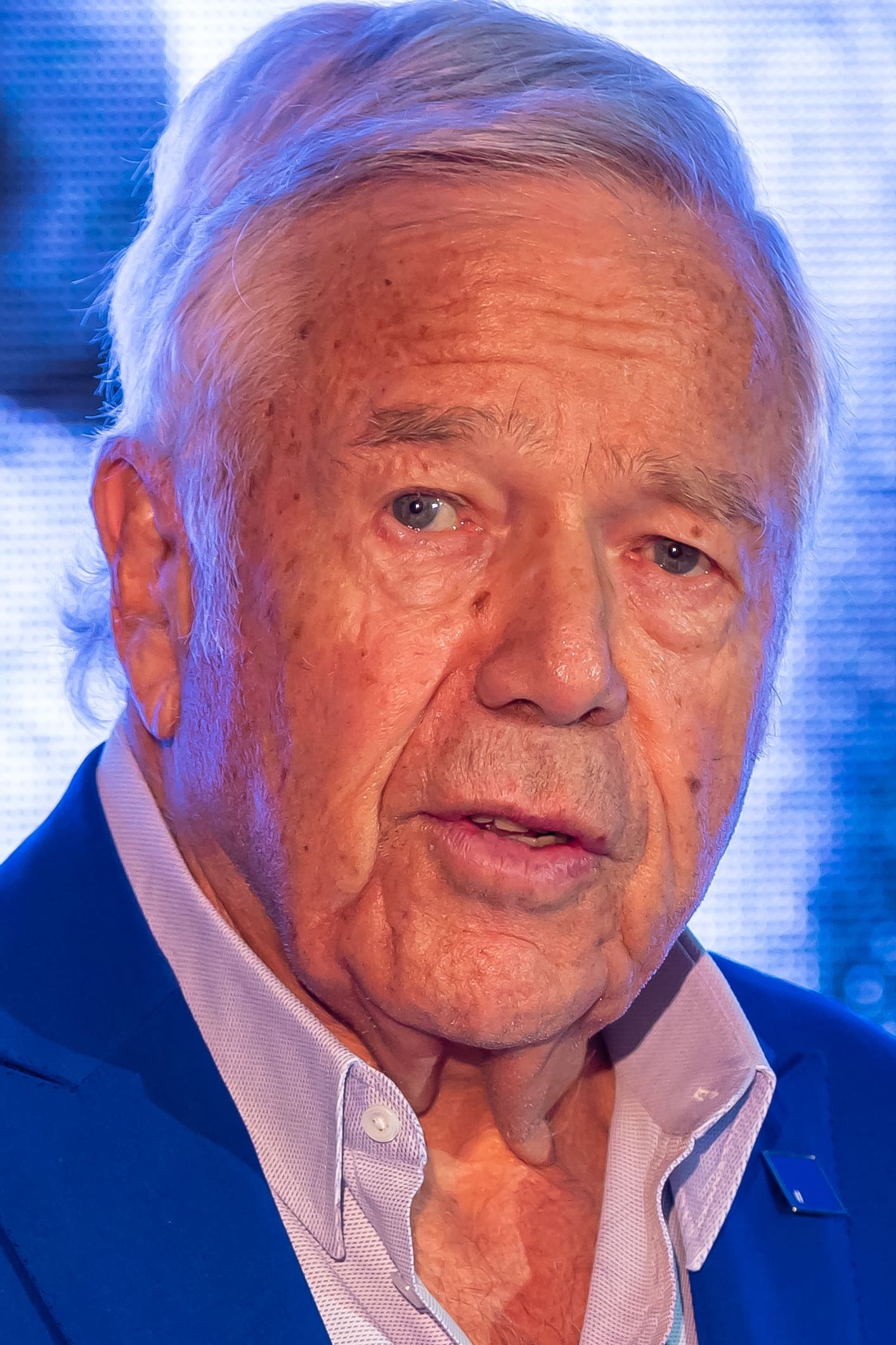
Robert Kraft
American businessman and philanthropist
post-democracy
The term post-democracy is a term coined by Warwick University political scientist Colin Crouch in 2000 in his book Coping with Post-Democracy. It designates states that operate by democratic systems (elections are held, governments fall, and there is freedom of speech), but whose application is progressively limited. That is, a small elite co-opts democratic institutions to give itself decision-making authority. Crouch further developed the idea in an article called, "Is there a liberalism beyond social democracy?" for the think tank Policy Network and in his subsequent book The Strange Non-D
Second Revolution
1913 revolt of southern provinces

Pinochetism
Pinochetism () is an authoritarian political ideology rooted in the 17-year military dictatorship of Augusto Pinochet. Characterized by its staunch anti-communism, conservatism, militarism, and nationalism, Pinochetism represents a distinct strand of right-wing politics in Chile that combines authoritarian rule with free-market economics. The ideology's economic dimension was shaped by the Chicago Boys, Chilean economists who implemented neoliberal reforms that dramatically restructured Chile's economy.

backlash
adverse reaction to something which has gained popularity
2025 Ukrainian protests
Protests against legislation limiting anti-corruption agencies
soft coup
non-violent plot to take state power
Constitutional Coup
Coup d'état consistent with a constitution