Category
page 1Ditrysia
Ditrysia
Ditrysia is a clade of lepidopterans that contains both butterflies and a majority of moth species. They are named for the fact that the female has two distinct sexual openings: one for mating, and the other for laying eggs.
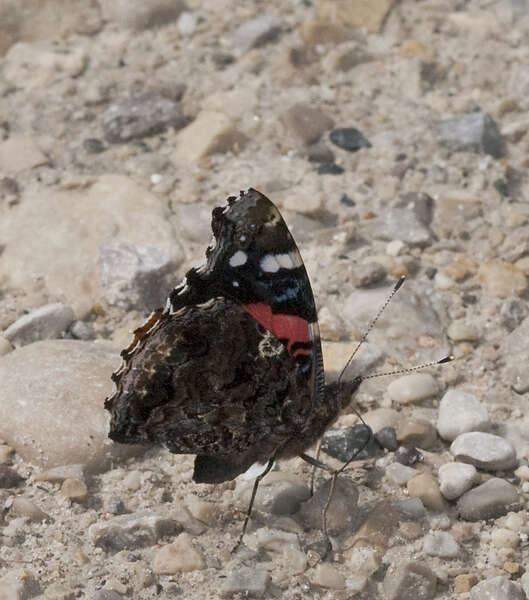
Obtectomera
The Obtectomera is a clade of macro-moths and butterflies, comprising over 100,000 species in at least 12 superfamilies. This clade was initially defined by a pupal stage with the four anterior abdominal segments fused and immobile as the sole synapomorphy, but was later revised to include the modification of the dorsal edge of the pulvillus with a protrusion in the adult.
Cossina
Cossina is the name for both a section and subsection of Ditrysian insects in the order containing both butterflies and moths having a dorsal heart vessel. The section named Cossina contains two subsections: one also named Cossina (containing mostly smaller moths in the superfamilies Castnioidea, Cossoidea and Tortricoidea) having pupae with dorsal spines; and subsection Bombycina (containing generally larger sized moths and butterflies in the superfamilies Bombycoidea, Calliduloidea, Cimelioidea, Drepanoidea, Geometroidea, Noctuoidea, Papilionoidea and Uranioidea) having spineless pupae.
Simaethistoidea
Simaethistoidea is an obscure superfamily of pyralid-like moths with two genera, whose biology and relationships among the Ditrysia is currently unknown, namely the Australian Metaprotus (2 species)[https://web.archive.org/web/20060903181504/http://www.ento.csiro.au/gallery/moths/Metaprotusmagnifica and the China and North Indian Simaethistis (2 species) (Dugdale et al., 1999).
Whalleyanoidea
REDIRECT Whalleyana

Simaethistis leechi
species of insect
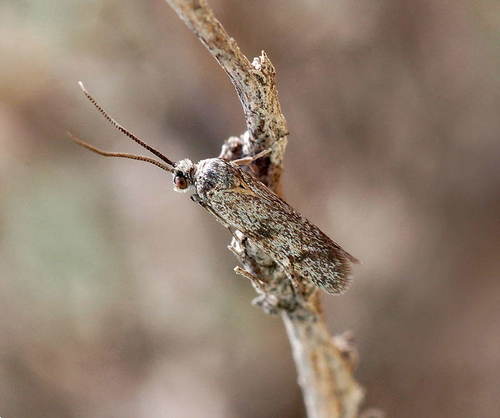
Ustyurtia
Ustyurtia is the sole genus of moths in the monotypic family Ustyurtiidae.
Whalleyanidae
REDIRECT Whalleyana
Simaethistis
Simaethistis is a genus of moths in the superfamily Simaethistoidea. It was described by George Hampson in 1896.