Category
page 1Diving medicine

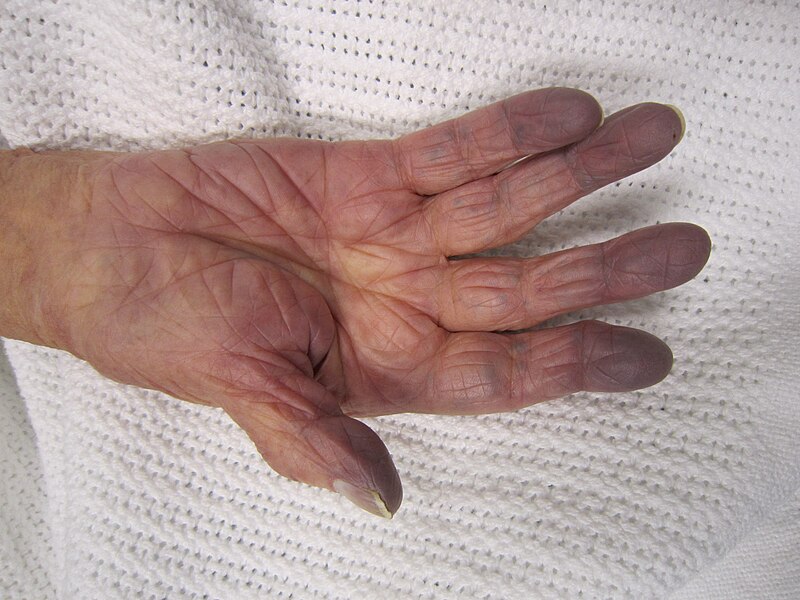
hypothermia
hypoxia
condition in which the body or a region of the body is deprived of adequate oxygen supply at the tissue level

oxygen therapy
use of high concentrations of oxygen as medical treatment
diving chamber
pressure vessel for human occupation
oxygen toxicity
condition resulting from the harmful effects of breathing molecular oxygen at increased partial pressures
hyperbaric medicine
medical treatments at raised ambient pressure
atrial heart septal defect
heart septal defect located in the septum that separates the two atria of the heart
hypercapnia
Hypercapnia (from the Greek hyper, "above" or "too much" and kapnos, "smoke"), also known as hypercarbia and CO2 retention, is a condition of abnormally elevated carbon dioxide (CO2) levels in the blood. Carbon dioxide is a gaseous product of the body's metabolism and is normally expelled through the lungs.
Valsalva maneuver
technique for equalising pressure in the middle ears
osteonecrosis
bone death caused when the bone no longer receives blood supply
air embolism
vascular blockage by air bubbles
uncontrolled decompression
unplanned rapid drop in the pressure of a sealed system
diving reflex
physiological response to immersion of air-breathing vertebrates
diving medicine
diagnosis, treatment and prevention of conditions caused by humans entering the undersea environment
hyperoxia
Hyperoxia is the state of being exposed to high levels of oxygen; it may refer to organisms, cells and tissues that are experiencing excessive oxygenation, or to an abnormally high oxygen concentration in an environment (e.g. a body of water).
diving disorder
physiological disorder resulting from underwater diving
Frenzel maneuver
technique to equalise pressure in the middle ears
ear clearing
equalising of pressure in middle ears
Artificial gills
hypothetical devices to allow a human to take in oxygen from surrounding water