Category
page 1Dolichoderinae

Linepithema humile
species of insect
Dolichoderinae
Dolichoderinae is a subfamily of ants, which includes species such as the Argentine ant (Linepithema humile), the erratic ant, the odorous house ant, and the cone ant. The subfamily presents a great diversity of species throughout the world, distributed in different biogeographic realms, from the Palearctic, Nearctic, Afrotropical region and Malaysia, to the Middle East, Australian, and Neotropical regions.

Iridomyrmex
Iridomyrmex is a genus of ants called rainbow ants (referring to their blue-green iridescent sheen) first described by Austrian entomologist Gustav Mayr in 1862. He placed the genus in the subfamily Dolichoderinae of the family Formicidae. It has 79 described species and five fossil species. Most of these ants are native to Australia; others are found in Asia and Oceania, and they have been introduced to Brazil, New Zealand, and the United Arab Emirates. Fossil species are known from China, France, and the United States.

Tapinoma
Tapinoma (from Greek ) is a genus of ants that belongs to the subfamily Dolichoderinae. The genus currently comprises 74 described species distributed worldwide in tropical and temperate regions. Species in the genus are generalized foragers, nesting in a wide variety of habitats, ranging from grasslands, open fields, woodlands, to inside buildings. The majority of species nest in the ground under objects such as stones or tree logs, other species build nests under bark of logs and stumps, in plant cavities, insect galls or refuse piles.
thumb|240px|right|Tapinoma species with Wax scales
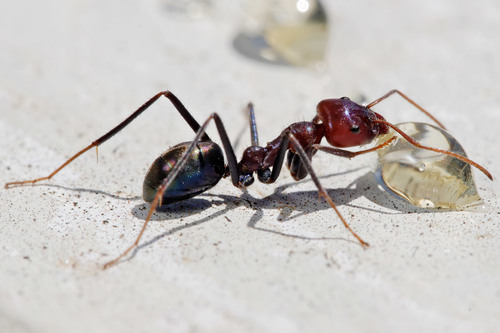
Iridomyrmex purpureus
species of insect
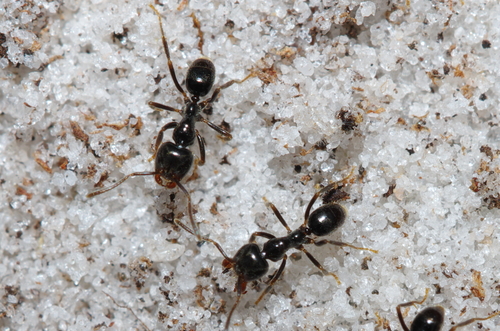
Anonychomyrma
Anonychomyrma is a genus of ants in the subfamily Dolichoderinae.
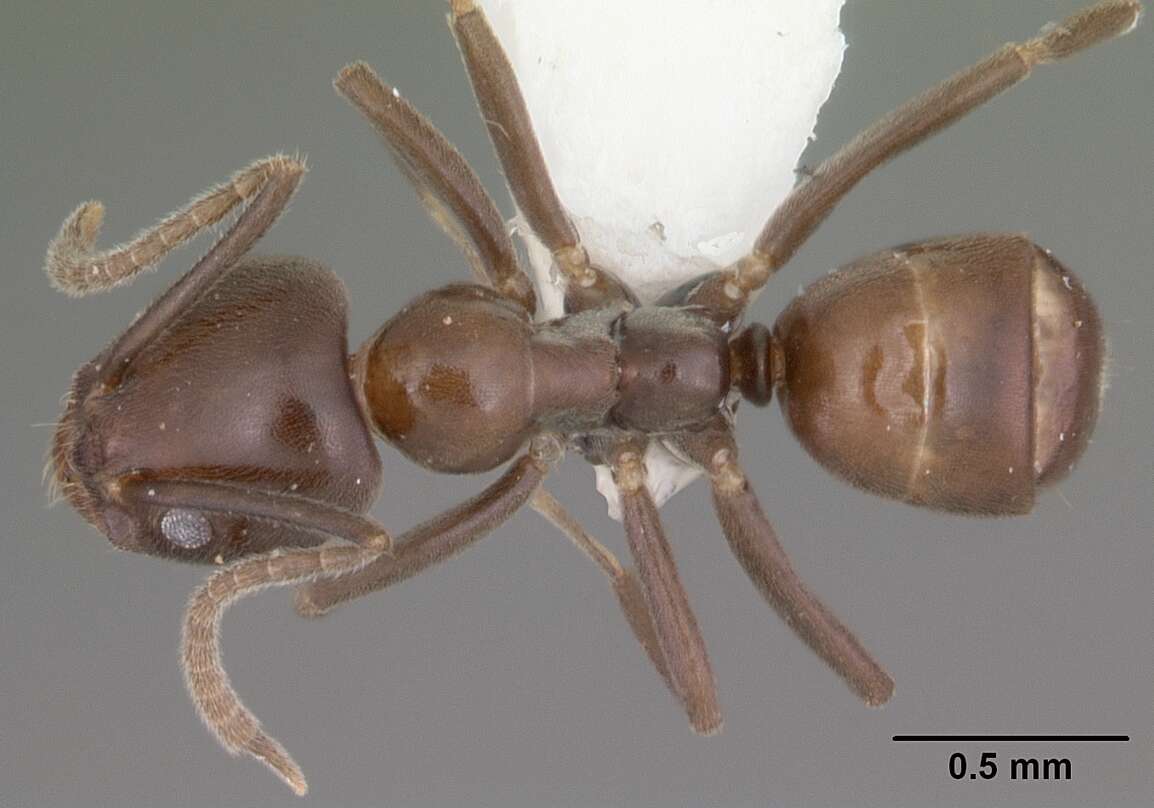
Linepithema
Linepithema is a genus of small ants in the subfamily Dolichoderinae.

Leptomyrmex
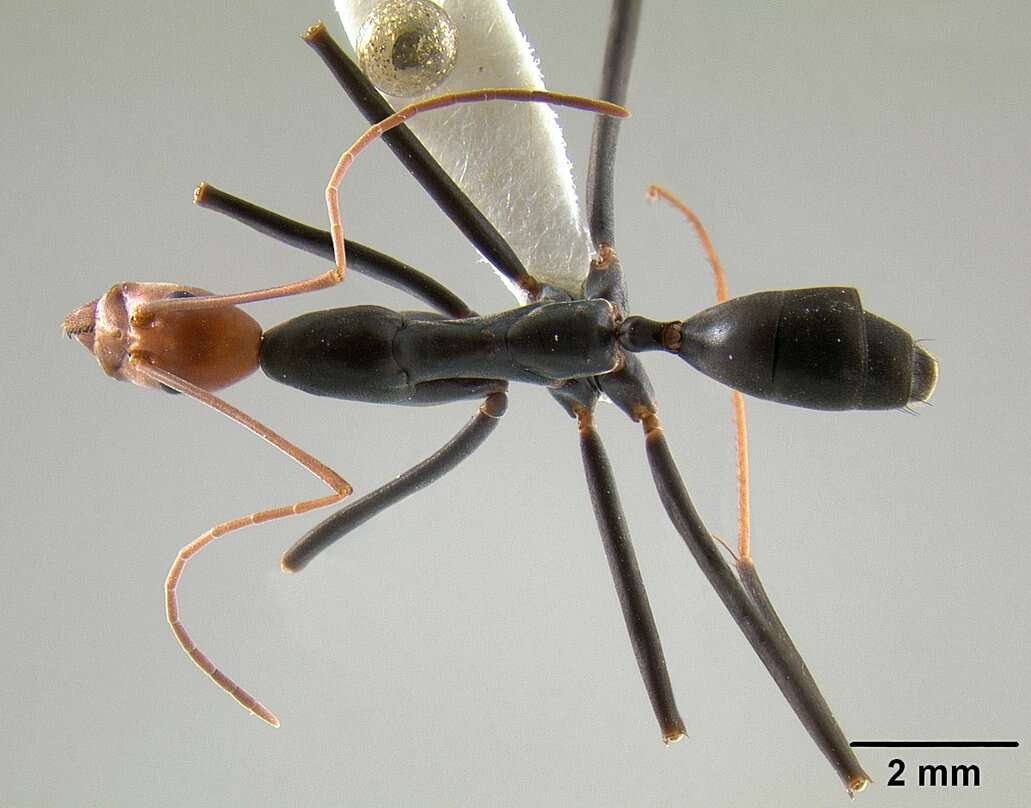
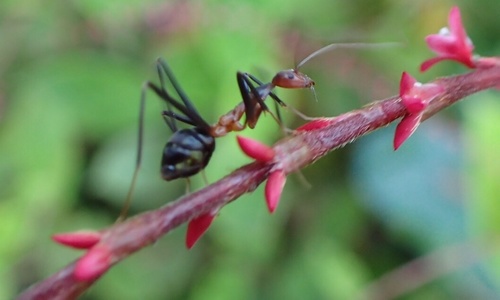
Leptomyrmex, or spider ants, is a genus of ants and a distinctive member of the ant subfamily Dolichoderinae. Commonly known as "spider ants" for their long legs and spider-like movements, these orange and black ants are prominent residents of intact wet forest and sclerophyll habitats throughout their range. One extant species, Leptomyrmex relictus, is known from central Brazil; otherwise, the global distribution of this genus is restricted to eastern Australia, New Caledonia and New Guinea, as well as the nearby Indonesian islands of Aru and Seram.

Dolichoderus
Dolichoderus is a genus of ants found worldwide.

Azteca
genus of ants
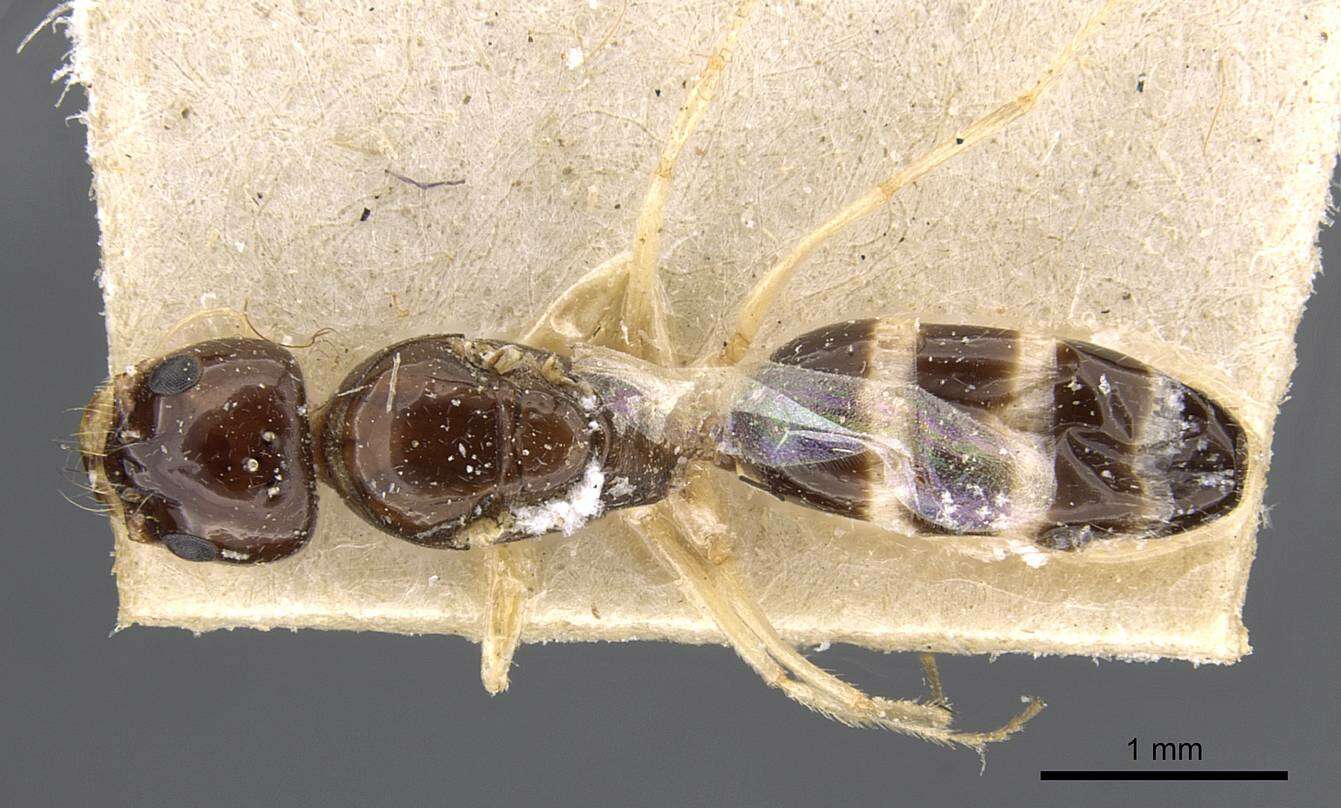
Dorymyrmex
Dorymyrmex (also known as cone ants or pyramid ants) is a genus of ants in the subfamily Dolichoderinae.
Turneria
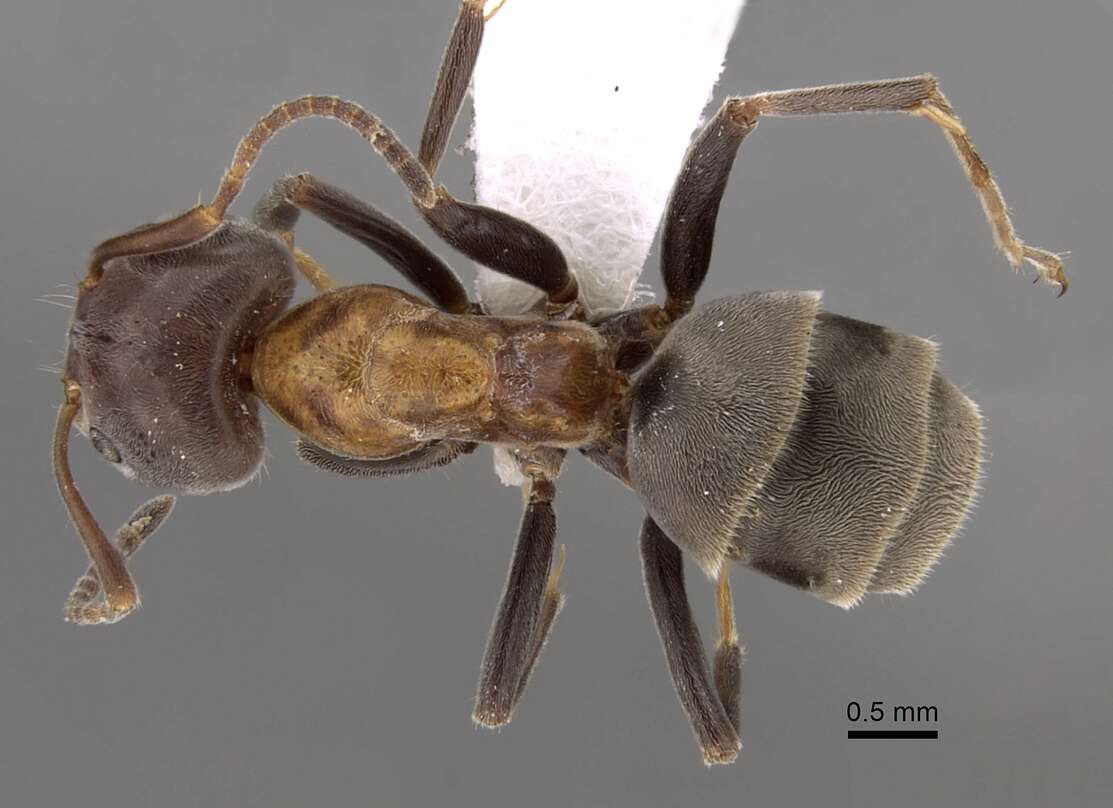
Turneria is a genus of ants that belongs to the subfamily Dolichoderinae. Known from Australia, they form small colonies of fewer than 500 workers, and nest in trees and twigs.

Forelius
Forelius is a Neotropical genus of ants in the subfamily Dolichoderinae. The genus is known from southern United States to Argentina.

Ochetellus
Ochetellus is a genus of ants first described by Steve Shattuck in 1992. He placed it in the subfamily Dolichoderinae of the family Formicidae. The ants in this genus are small and black in colour; workers measure in length, the males at around are smaller, and the queens are the largest, reaching . There are seven described species and three described subspecies that mostly live in Australia in a wide variety of habitats, but some species are found in Asia. One species, Ochetellus glaber, has been introduced into New Zealand and the United States.

Ochetellus glaber
species of insect
Liometopum microcephalum
species of insect
Bothriomyrmex
Bothriomyrmex is a genus of ants in the subfamily Dolichoderinae.

Anillidris bruchi
Anillidris is a genus of ants which only contains the species Anillidris bruchi. The genus is known only from a few collections in Brazil and Argentina. For a time Anillidris was synonymous with genus Linepithema, but was revived from synonymy by Shattuck (1992).
left|thumb|

Leptomyrmex darlingtoni
species of insect

Ecphorella wellmani
species of insect

Philidris
Philidris is a genus of ants in the subfamily Dolichoderinae. The genus is known from tropical forests from eastern India to northern Australia. It is similar to the genus Iridomyrmex, from where the type species was transferred from by Shattuck (1992).

Leptomyrmex nigriventris
species of insect

Philidris nagasau
species of insect
Leptomyrmex erythrocephalus
species of insect

Doleromyrma darwiniana
species of insect

Leptomyrmex flavitarsus
species of insect
Leptomyrmex wiburdi
species of insect

Leptomyrmex unicolor
species of insect

Leptomyrmex fragilis
species of insect

Leptomyrmex varians
species of insect

Leptomyrmex pallens
species of insect

Leptomyrmex puberulus
species of insect
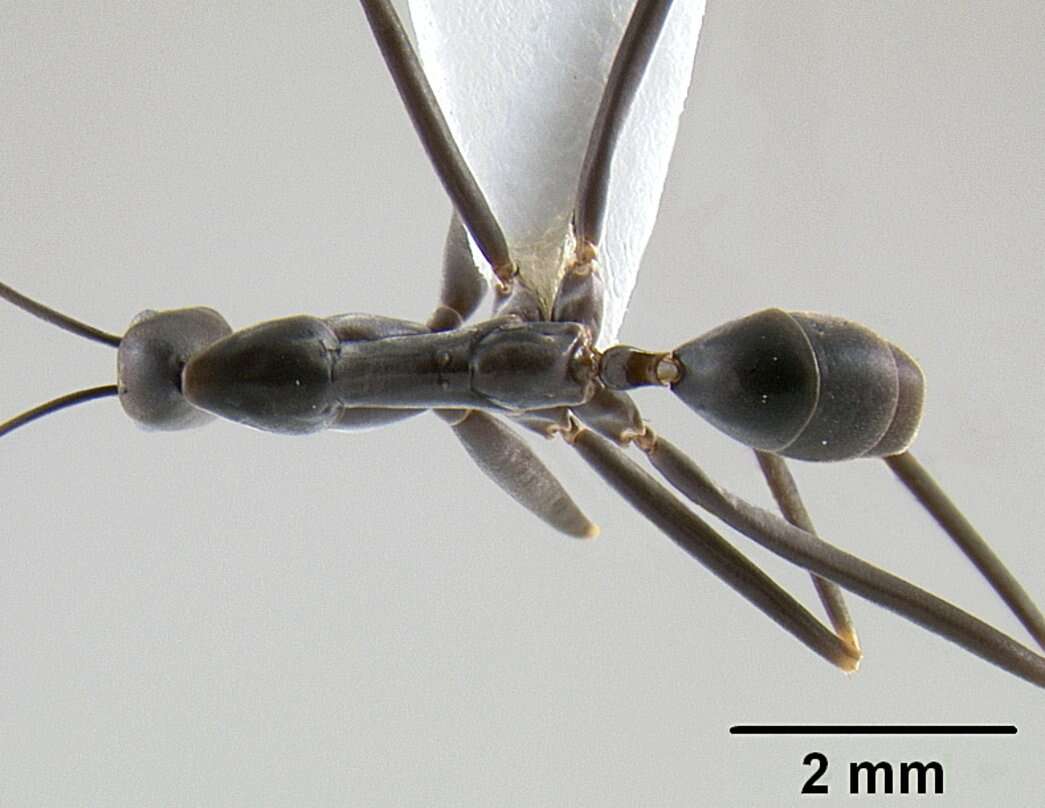
Leptomyrmex mjobergi
species of insect
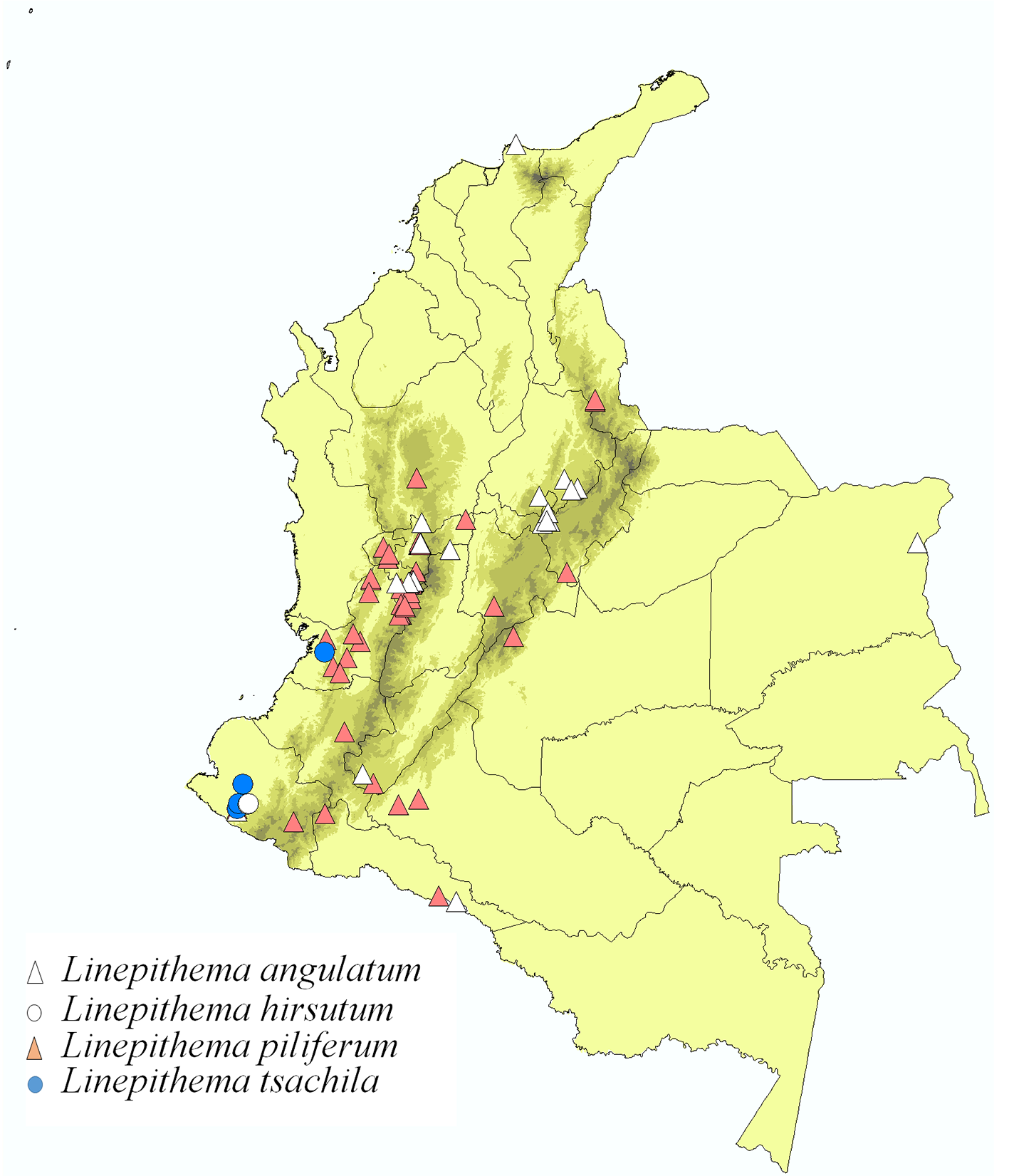
Linepithema piliferum
species of insect

Forelius nigriventris
species of insect
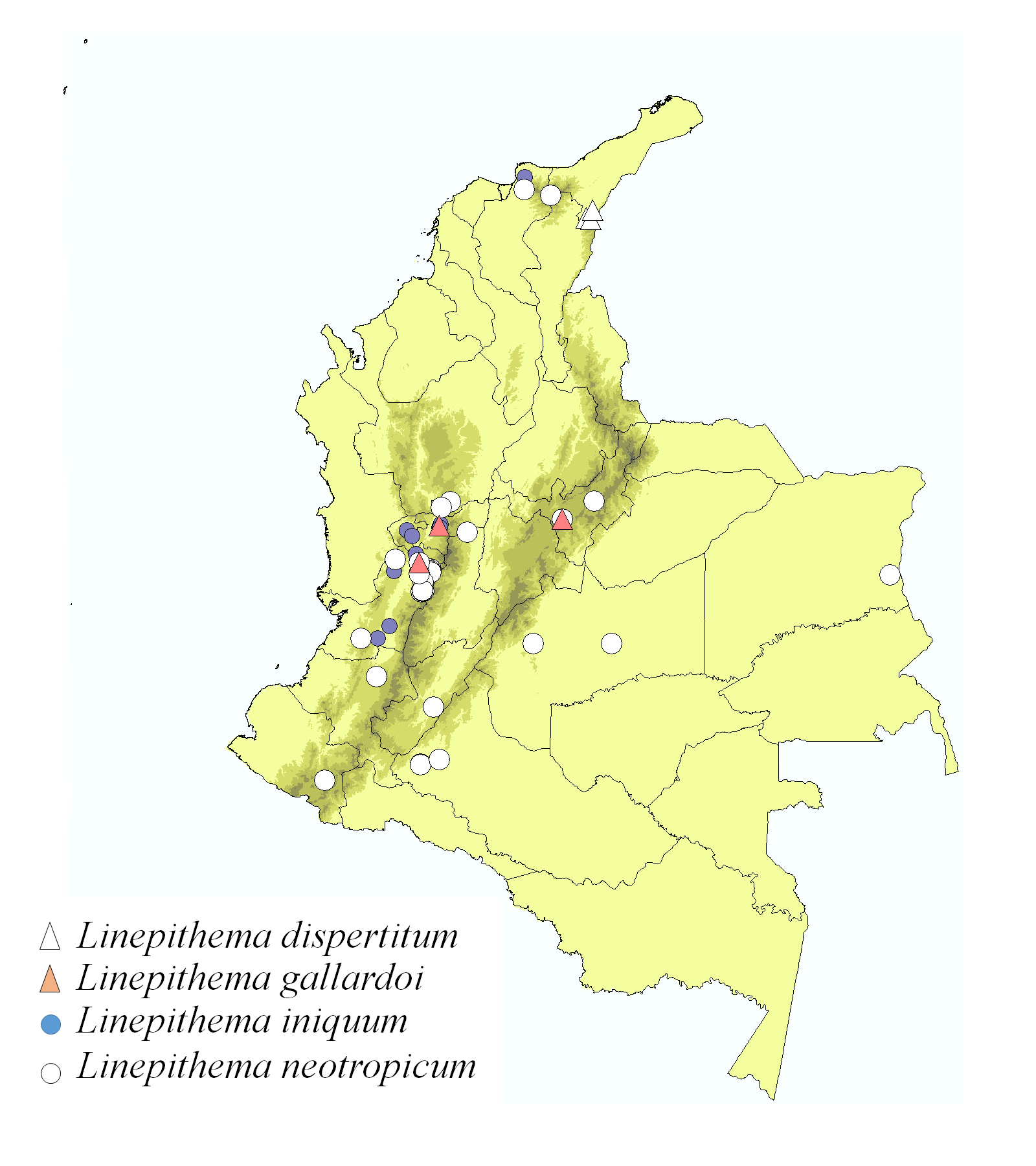
Linepithema iniquum
species of insect
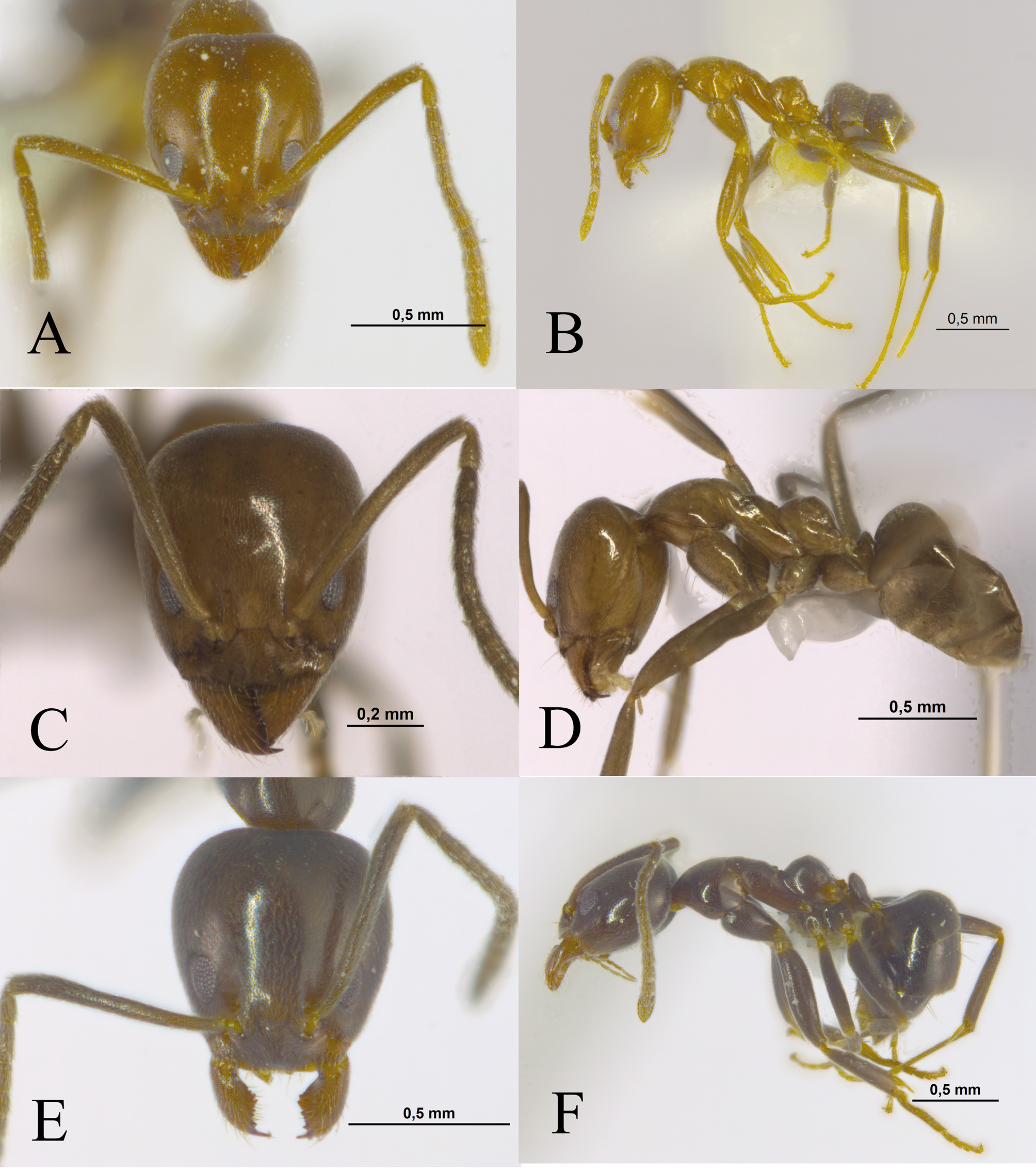
Linepithema dispertitum
species of insect

Forelius brasiliensis
species of insect
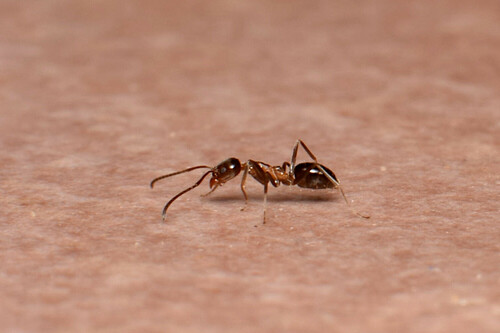
Linepithema oblongum
species of insect

Froggattella
Froggattella is a genus of ants in the subfamily Dolichoderinae. The genus contains two species found in Australia. Froggattella kirbii is fairly common, while Froggattella latispina is known only from two locations in South Australia.
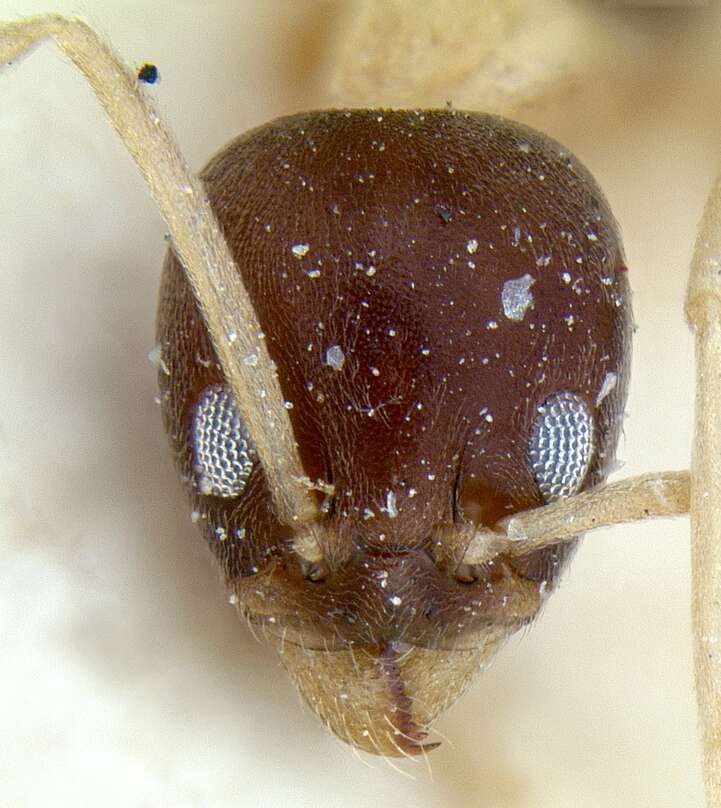
Linepithema leucomelas
species of insect

Liometopum orientale
species of insect

Technomyrmex jocosus
species of insect
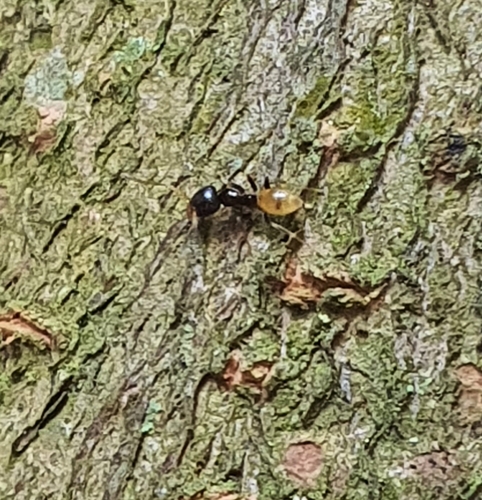
Linepithema keiteli
species of insect
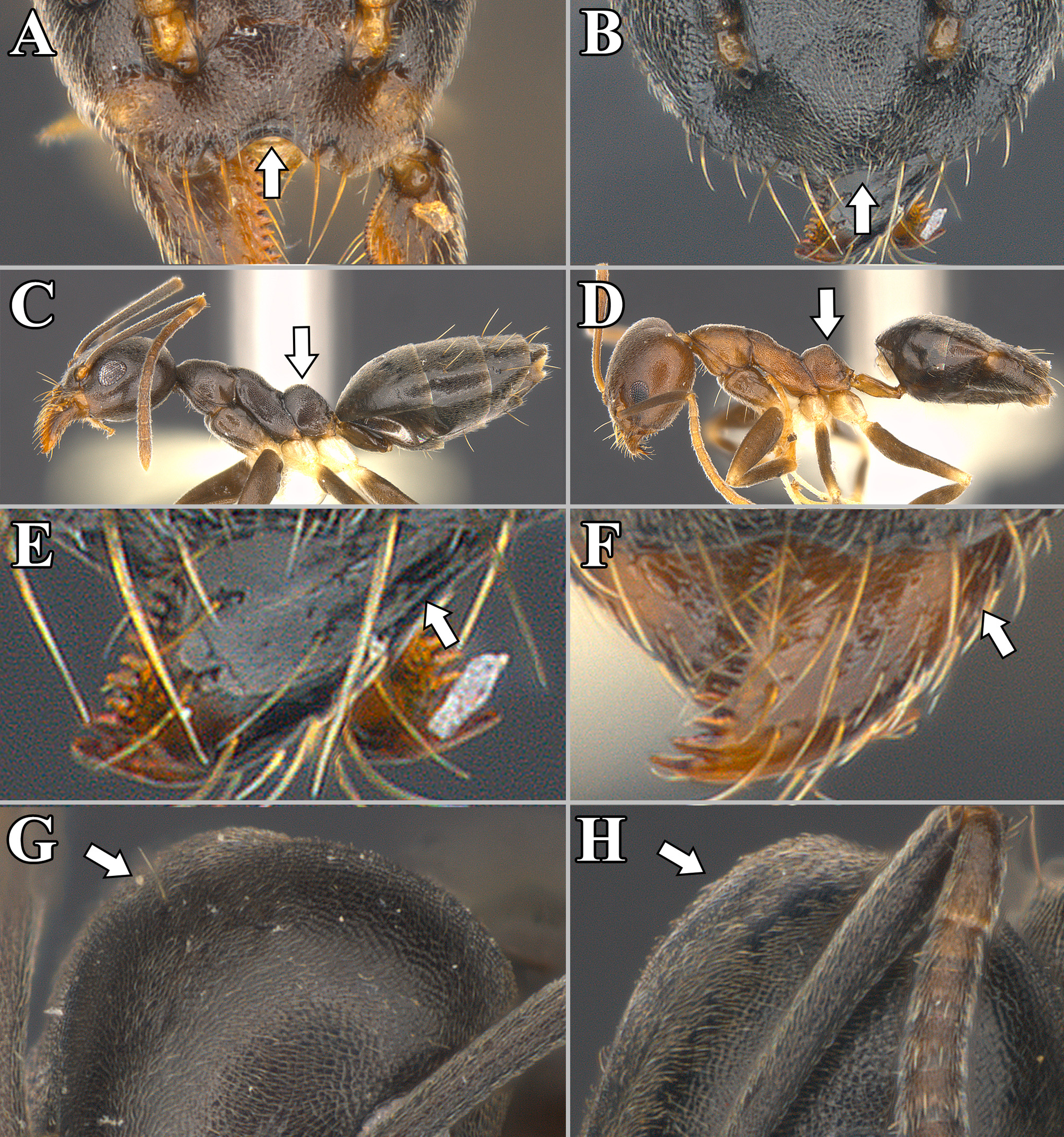
Technomyrmex albipes
species of insect

Forelius mccooki
species of insect
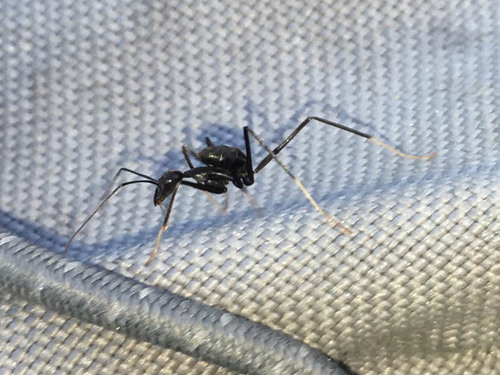
Leptomyrmex niger
species of insect
Yantaromyrmex
Yantaromyrmex is an extinct genus of ants first described in 2013. Members of this genus are in the subfamily Dolichoderinae of the family Formicidae, known from Middle Eocene to Early Oligocene fossils found in Europe. The genus currently contains five described species, Y. constrictus, Y. geinitzi, Y. intermedius, Y. mayrianum and Y. samlandicus. The first specimens were collected in 1868 and studied by Austrian entomologist Gustav Mayr, who originally placed the fossils in other ant genera until the fossils were reviewed and subsequently placed into their own genus. These ants are small, me
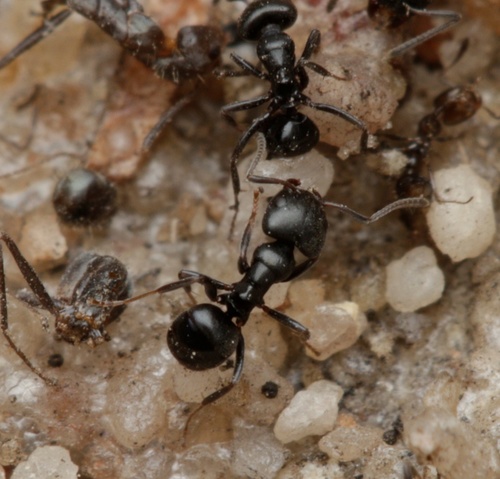
Ochetellus flavipes
species of insect

Liometopum luctuosum
species of ant

Ochetellus vinsoni
species of insect
Yantaromyrmex geinitzi
extinct oligocene species of ant, preserved in Baltic amber

Liometopum apiculatum
species of insect

Liometopum occidentale
species of ant

Loweriella boltoni
species of insect

Forelius pruinosus
species of insect
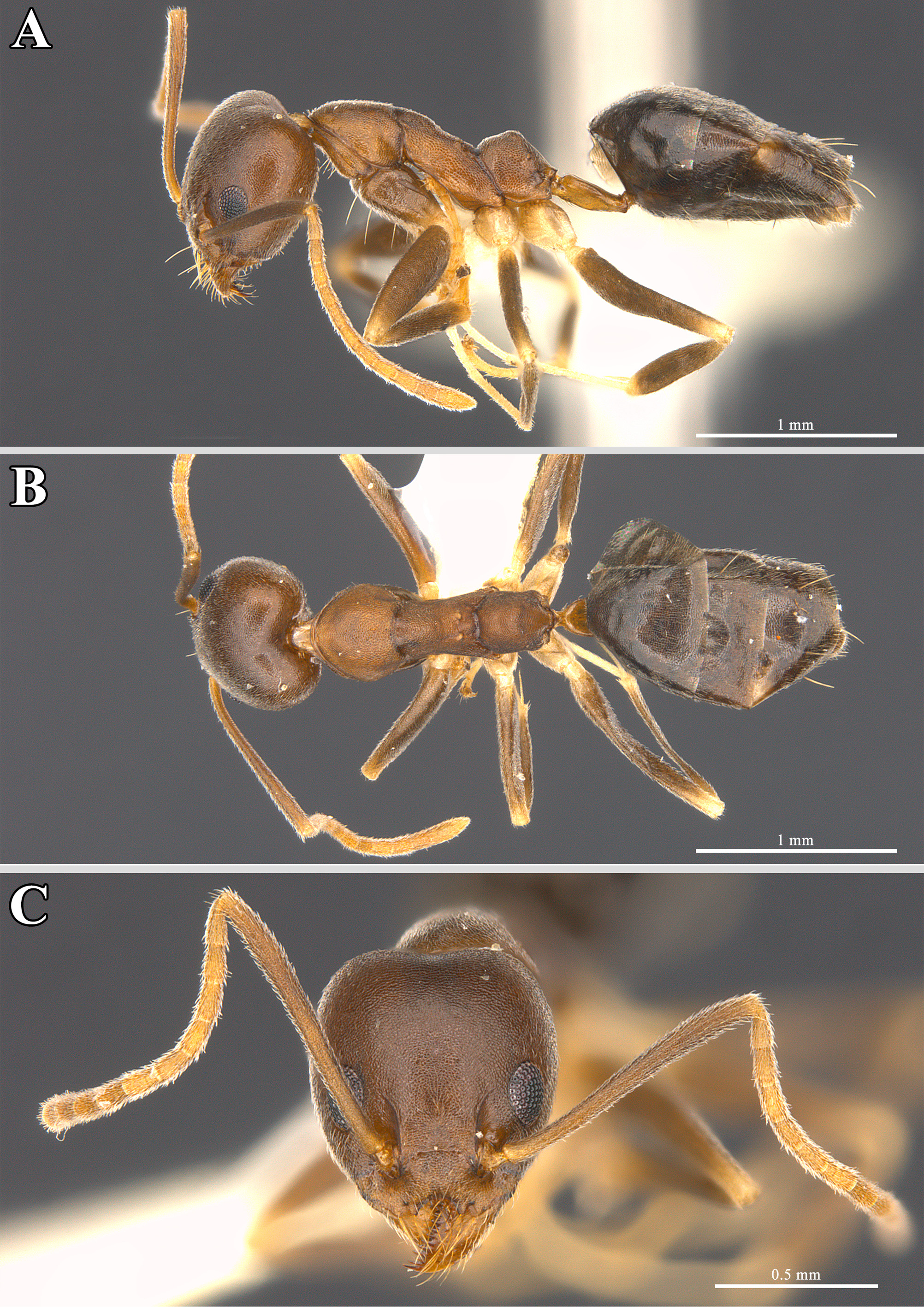
Technomyrmex horni
species of insect

Linepithema fuscum
species of insect
Linepithema inacatum
species of insect
Forelius andinus
species of insect