Category
page 1Dorylinae

Dorylus
Dorylus, also known as driver ants, safari ants, or siafu, is a large genus of army ants found primarily in central and east Africa, although the range also extends to southern Africa and tropical Asia. The term siafu is a loanword from Swahili, and is one of numerous similar words from regional Bantu languages used by indigenous peoples to describe various species of these ants. Unlike the New World members of the former subfamily Ecitoninae (now Dorylinae), members of this genus form temporary subterranean bivouacs in underground cavities which they excavate and inhabit - either for a few da

Aenictus
Aenictus is a large army ant genus distributed in the Old World tropics and subtropics. It contains about 181 species, making it one of the larger ant genera of the world.

Eciton
Eciton is a New World army ant genus that contains the most familiar species of army ants. The most predominant and well-known species is Eciton burchellii, which is also more commonly known as "Balichana" in the Colombian Caribbean Coast, but also as the army ant and is considered the type species.
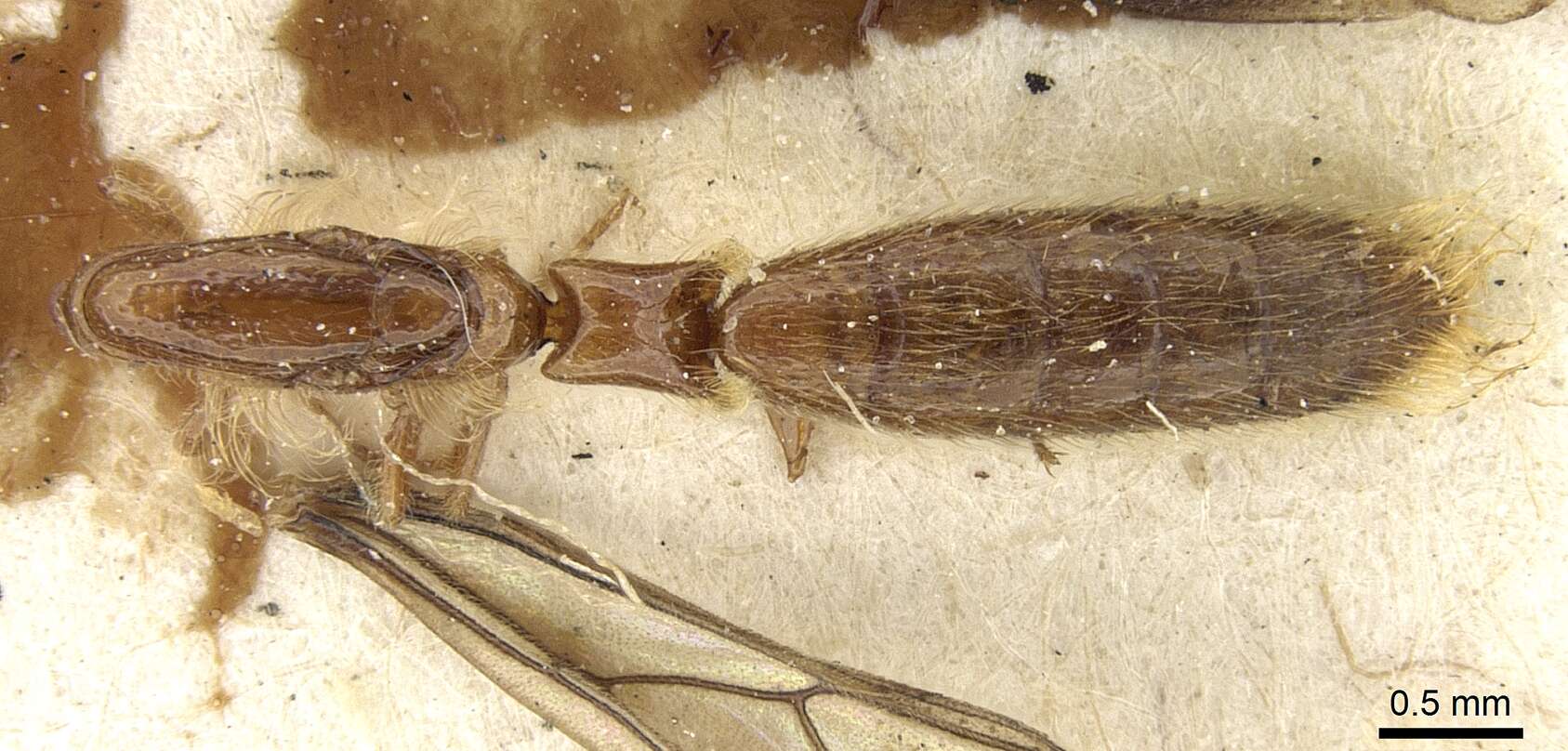
Aenictogiton
Aenictogiton is a genus of ants, comprising seven rarely collected species. All the species are known only from males found in Central Africa, and show a morphological and phylogenetic affinity to the army ant genus Dorylus. The dorylomorph ants include six subfamilies– Aenictogitoninae, Cerapachyinae, Leptanilloidinae, and the three army ant subfamilies Aenictinae, Dorylinae and Ecitoninae.
Dorylinae

Eciton burchellii
species of insect
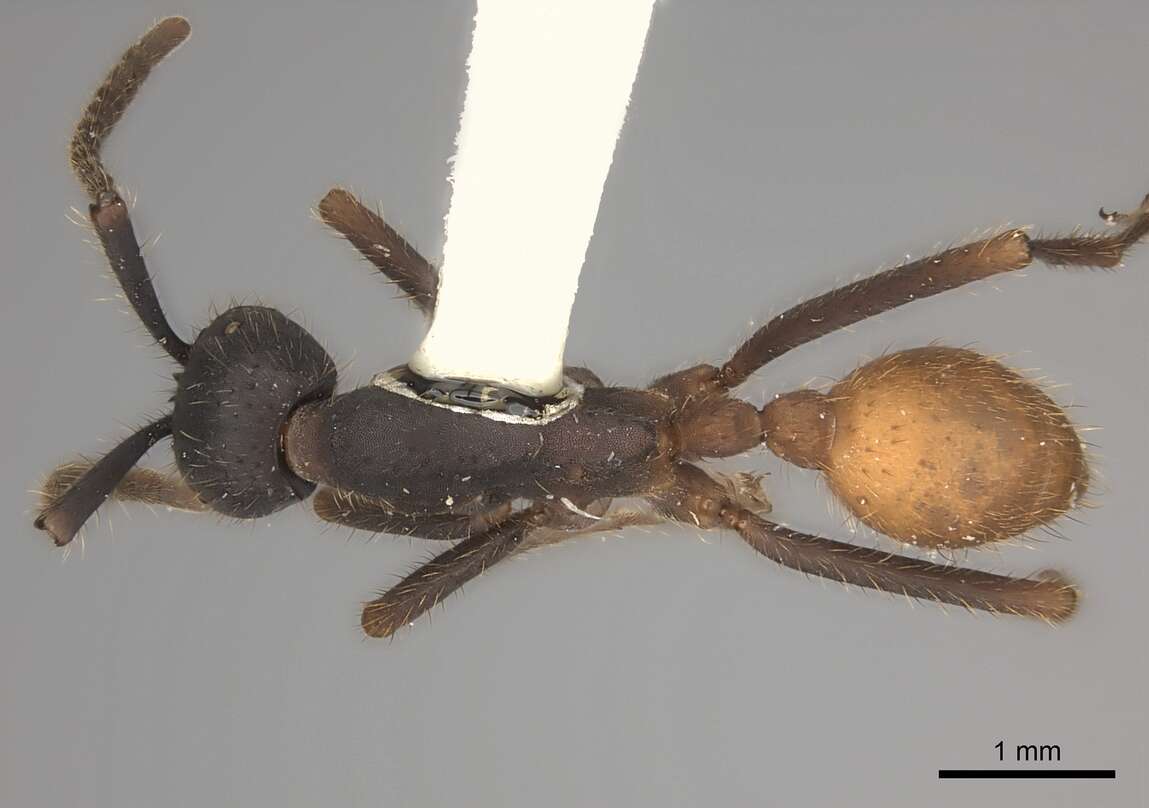
Eciton hamatum
species of insect

Neivamyrmex
Neivamyrmex is a genus of army ants in the subfamily Dorylinae.
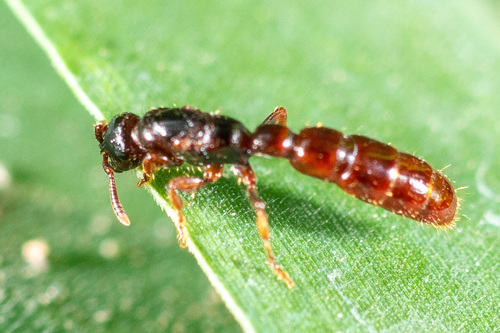
Acanthostichus
Acanthostichus is a predatory and predominantly subterranean genus of ant in the subfamily Dorylinae. They are found in the New World, from the southern United States to Uruguay, Paraguay and northern Argentina. They are probably common, but due to their subterranean nature, they are seldom collected or seen.

Cerapachys
Cerapachys (common names include "raider ant" and "ant-raiding ant") is a genus of ants in the subfamily Dorylinae. Species are mainly myrmecophagous ants which raid the nests of other ants for prey. The genus is distributed widely throughout the Indomalayan region. The genus was revised by BoroWiec (2016) who split a number of previously synonymized genera out of Cerapachys, leaving only 5 species in the genus.
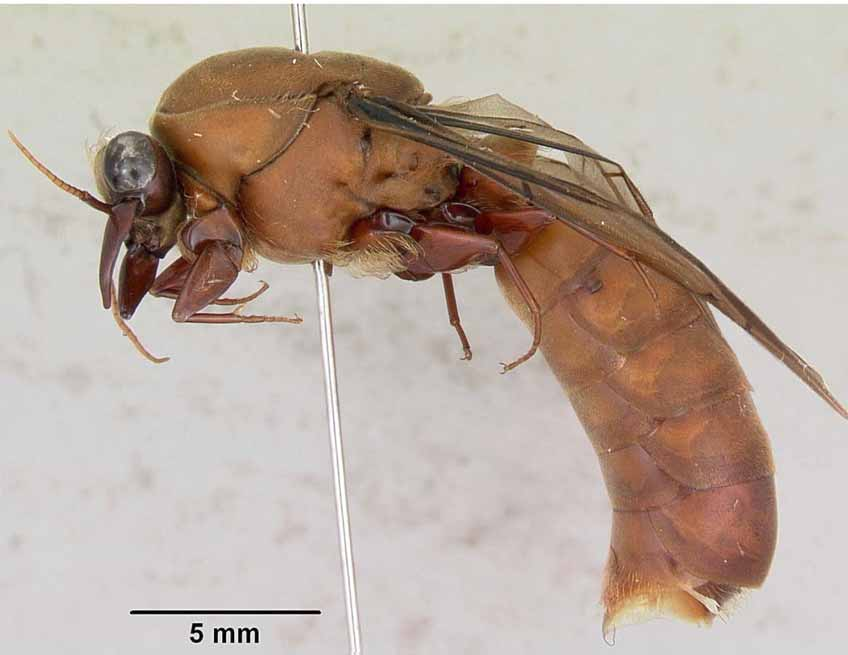
Dorylus gribodoi
species of insect
Cheliomyrmex
Cheliomyrmex is a New World genus of army ants in the subfamily Dorylinae. In Central America, C. morosus is known from Mexico to Honduras, and Panama. C. andicola, C. audax, C. ursinus and C. megalonyx are known from Colombia and further into South America.
Aenictus ceylonicus
species of insect
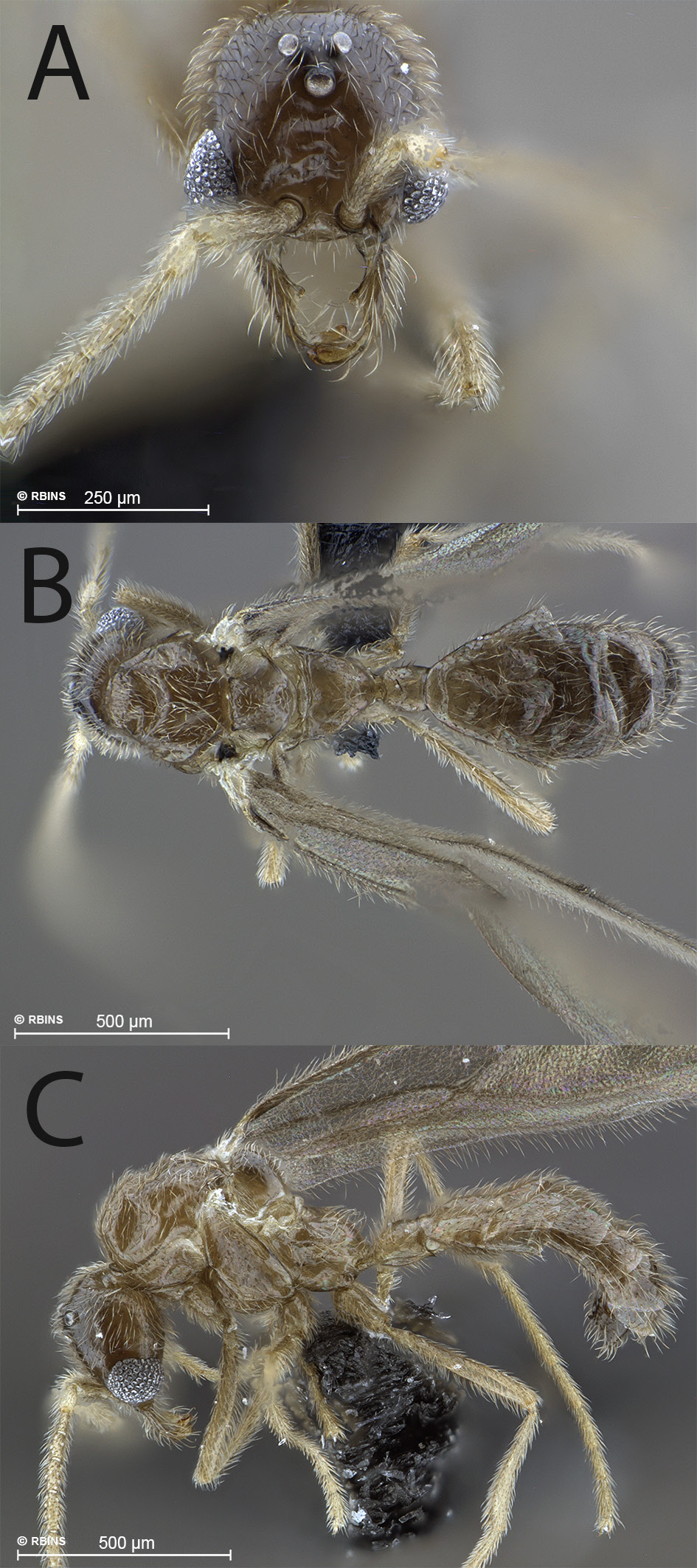
Leptanilloides
Leptanilloides is a genus of ants in the subfamily Dorylinae. Leptanilloides is an uncommonly collected genus with subterranean habits in the New World Andean and sub-Andean tropics.

Aenictus aratus
species of insect

Neivamyrmex nigrescens
species of insect
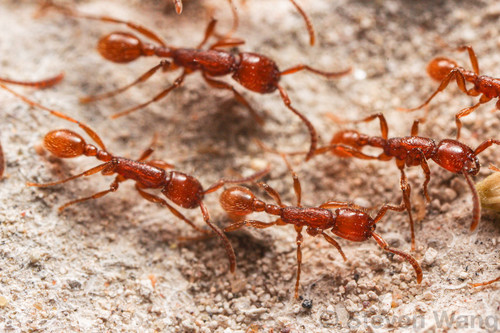
Neivamyrmex opacithorax
species of insect

Aenictus gracilis
species of insect

Neivamyrmex pilosus
species of insect

Labidus
Labidus is a genus of New World army ants in the subfamily Dorylinae. The genus is known from the United States to Argentina.
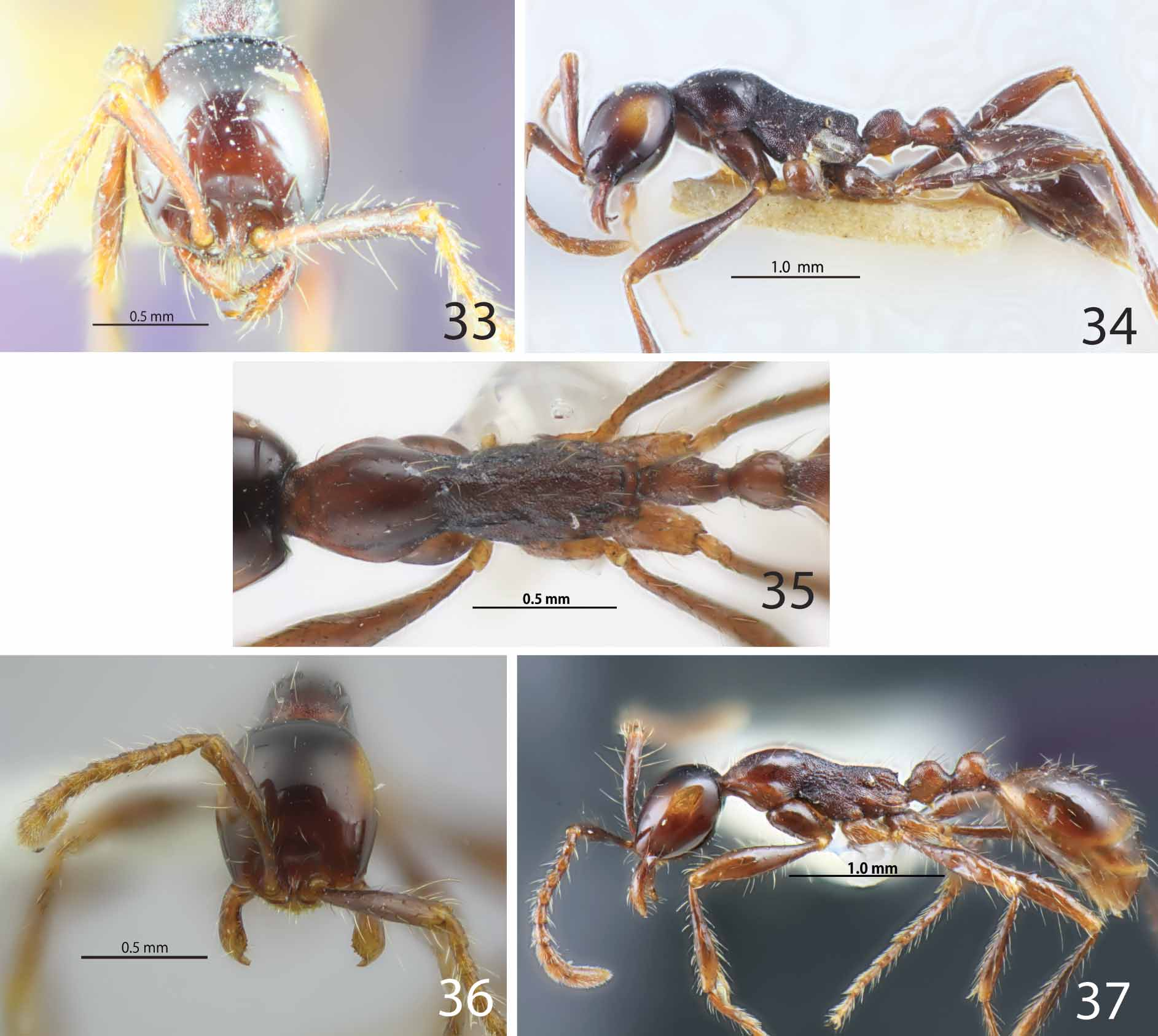
Aenictus binghami
species of insect

Aenictus anceps
species of insect

Aenictus arya
species of insect

Neivamyrmex swainsonii
species of insect

Aenictus asperivalvus
species of insect

Aenictus asantei
species of insect
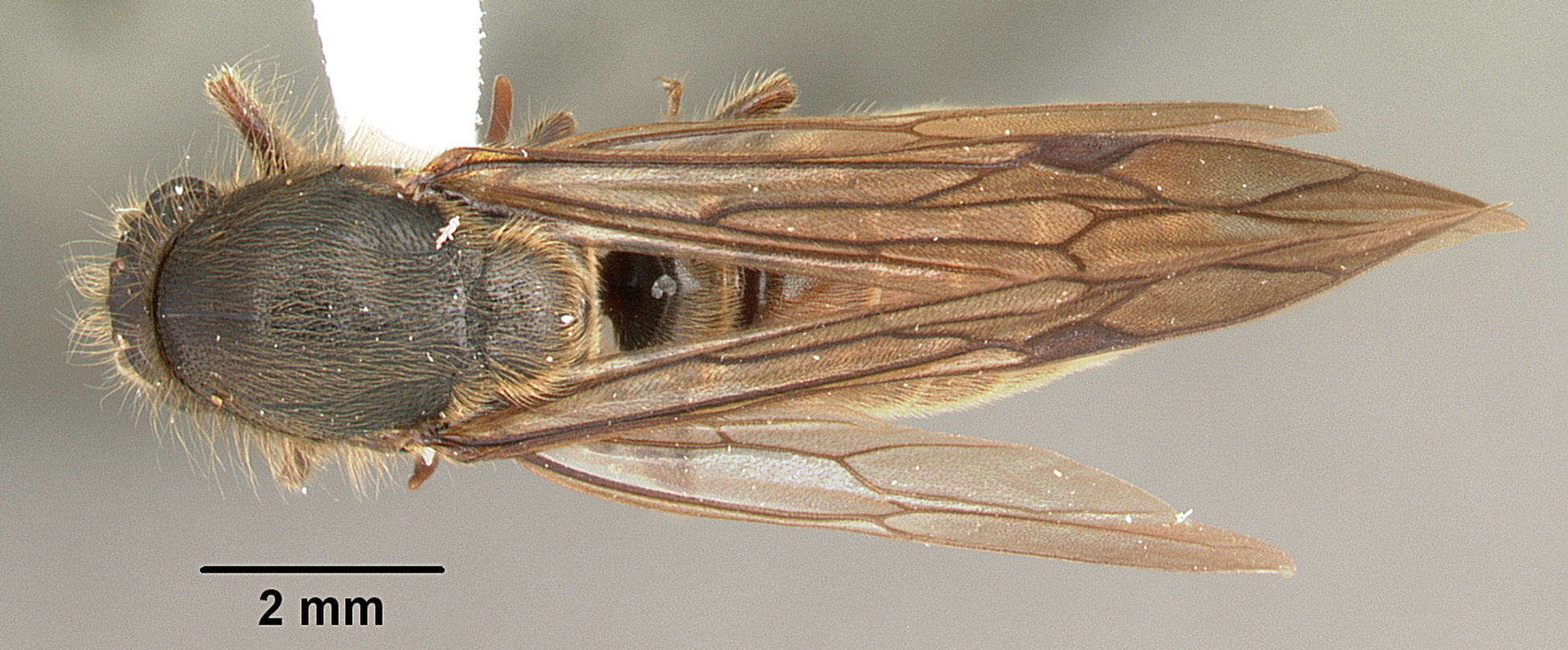
Neivamyrmex texanus
species of insect
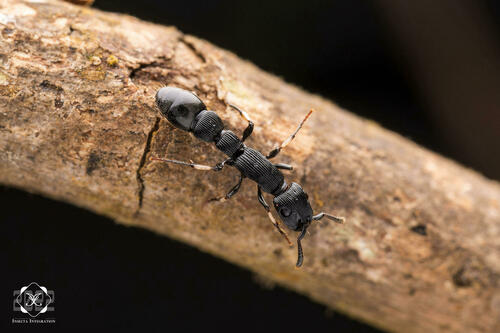
Cylindromyrmex
Cylindromyrmex is a Neotropical genus of ants in the subfamily Dorylinae.

Sphinctomyrmex
Sphinctomyrmex is a genus of ants in the subfamily Dorylinae. The genus is a tropical and distinctive group, originally described by Mayr based on a single gyne collected in Brazil. Morphologically, the genus is characterized by the unique arrangement of the gastric segments, which are nearly equal in length and separated from each other by distinct constrictions. Very little is known on the natural history of Sphinctomyrmex. The few observations so far suggest that ants of this genus are nomadic predators of other ants. The genus Zasphinctus and approximately 20 species were formerly included

Aenictus biroi
species of insect

Aenictus longi
species of insect

Eciton vagans
species of insect

Nomamyrmex
Nomamyrmex is a genus of army ants in the subfamily Dorylinae. Its two species are distributed in the Neotropics: Nomamyrmex esenbeckii is known from southern United States to northern Argentina, and Nomamyrmex hartigii is known from Mexico to southern Brazil. Nomamyrmex esenbeckii is the only known predator of mature colonies of Atta leaf-cutter ants.

Aenictus grandis
species of insect
Aenictus spathifer
species of insect
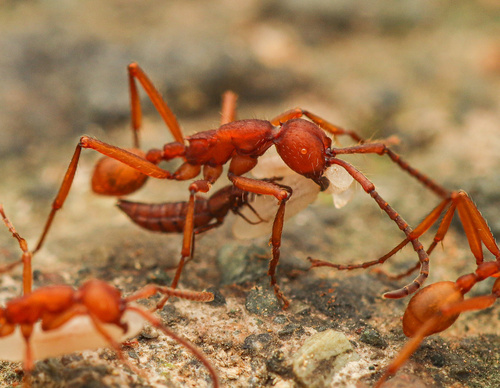
Eciton mexicanum
species of insect
Simopone
Simopone is a genus of predominantly arboreal ants in the subfamily Dorylinae. The genus is widely distributed in the Old World tropics, with the majority of species in Madagascar and sub-Saharan Africa.

Aenictus mauritanicus
species of insect

Aenictus chapmani
species of insect

Labidus coecus
species of insect

Aenictus mocsaryi
species of insect

Aenictus feae
species of insect
Cerapachys fragosus
species of insect

Cerapachys augustae
species of insect
Aenictus idoneus
species of insect

Aenictus raptor
species of insect

Cerapachys biroi
species of insect

Aenictus fuscipennis
species of insect

Aenictus mentu
species of insect
Aenictus hilli
species of insect

Neivamyrmex sumichrasti
species of insect
Amyrmex golbachi
species of insect
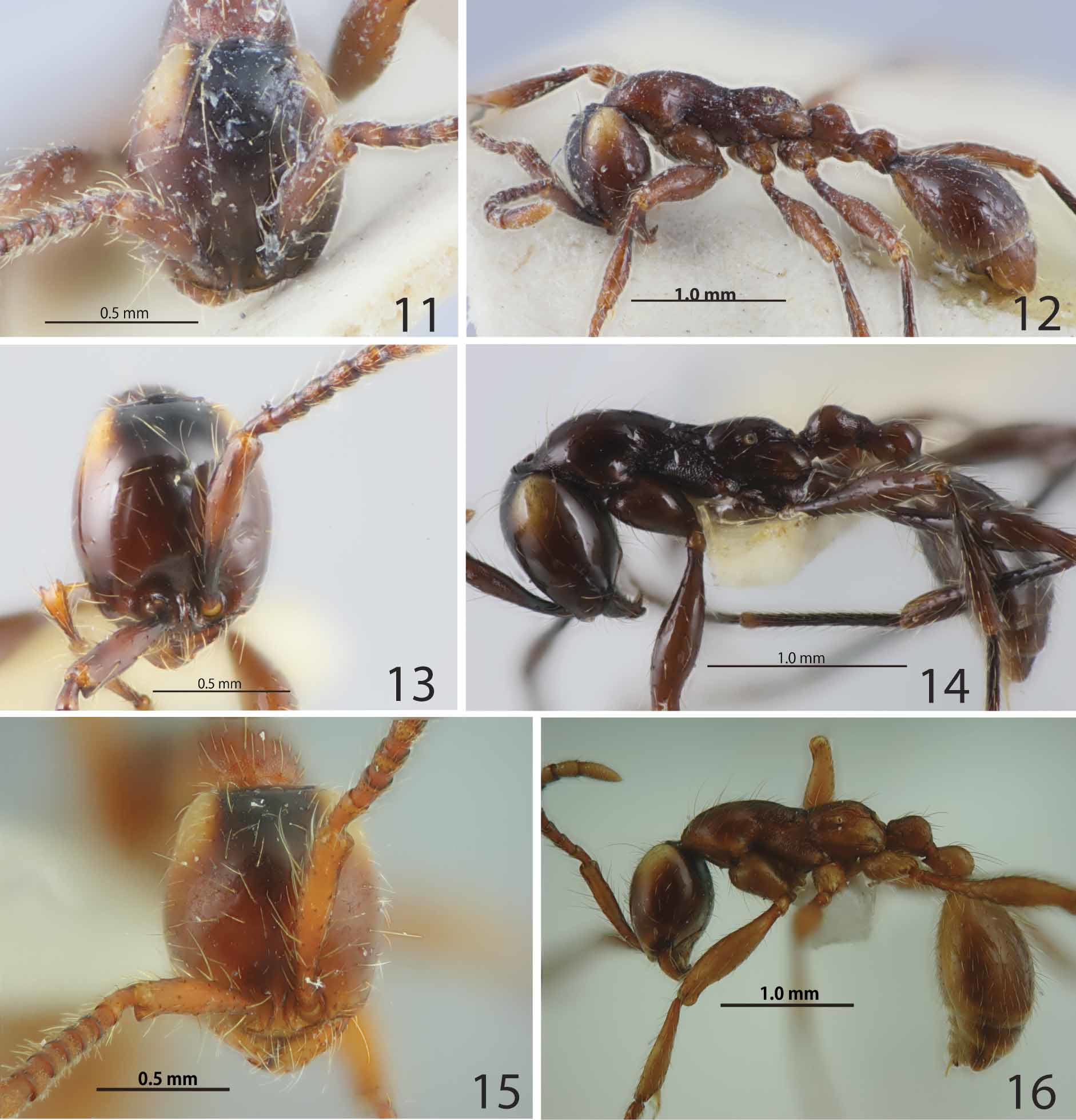
Aenictus currax
species of insect

Aenictus luteus
species of insect

Aenictus fergusoni
species of ant

Sphinctomyrmex stali
species of insect
Cerapachys typhlus
species of insect

Dorylus orientalis
species of insect
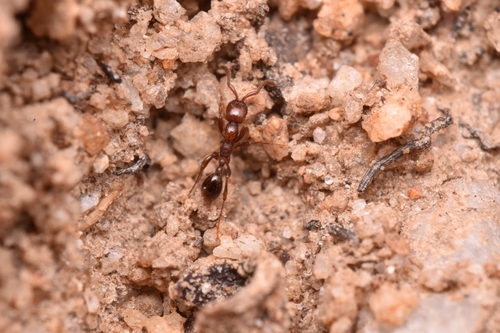
Aenictus pachycerus
species of insect

Aenictus porizonoides
species of insect