Category
page 1Ecdysozoa unranked clades

Panarthropoda
Panarthropoda is a clade comprising the greatest diversity of animal groups. It contains the extant phyla Arthropoda (Euarthropoda), Tardigrada (water bears) and Onychophora (velvet worms), although the relationships among these remained uncertain according to studies published in 2023 and 2024. Panarthropods also include extinct marine legged worms known as lobopodians ("Lobopodia"), a paraphyletic group where the last common ancestor and basal members (stem-group) of each extant panarthropod phylum are thought to have risen. However the term "Lobopodia" is sometimes expanded to include tardi
Scalidophora
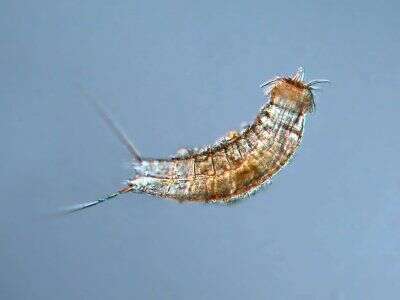
Scalidophora is a group of marine pseudocoelomate ecdysozoans that was proposed on morphological grounds to unite three phyla: the Kinorhyncha, the Priapulida and the Loricifera. The three phyla have four characters in common — chitinous cuticle that is moulted, rings of scalids on the introvert, flosculi, and two rings of introvert retracts. The introvert and abdomen are separated by a distinct neck region in all groups, but in adult macroscopic priapulids it becomes rudimentary in Priapulus and is completely absent in Halicryptus. However, the monophyly of the Scalidophora was not supported
Nematoida
Nematoida is a clade of pseudocoelomate free living or parasitic animals. It consists of phyla Nematoda and Nematomorpha. The two groups share a number of features in common; the presence of a cloaca in both sexes, aflagellate sperm, and a cuticle made of collagen.
Tactopoda
Tactopoda or Arthropodoidea is a proposed clade of ecdysozoan animals that includes the phyla Tardigrada and Euarthropoda, supported by various morphological observations. The cladogram below shows the relationships implied by this hypothesis.
Cycloneuralia
Cycloneuralia is a proposed clade of ecdysozoan animals including the Scalidophora (Kinorhynchans, Loriciferans, Priapulids), the Nematoida (nematodes, Nematomorphs), and the extinct Palaeoscolecida. It may be paraphyletic, or may be a sister group to Panarthropoda. Or perhaps Panarthropoda is paraphyletic with respect to Cycloneuralia. The group has also been considered a single phylum, sometimes given the old name Nemathelminthes. The uniting character is the nervous system organization with a circumpharyngeal brain and somata–neuropil–somata pattern.
The name derives from the position of th

Reptantia
Reptantia is a clade of decapod crustaceans named in 1880 which includes lobsters, crabs and many other well-known crustaceans.
Deuteropoda
Deuteropoda is a proposed clade of arthropods whose members are distinguished from more basal stem-group arthropods like radiodonts by an anatomical reorganization of the head region, namely the appearance of a differentiated first appendage pair (the 'deutocerebral' pair), a multisegmented head, a hypostome/labrum complex, and by bearing pairs of segmented biramous (two branched) limbs.