Category
page 1Echimyini

Atlantic bamboo rat
species of mammal

Echimys
Echimys is a genus of the spiny rats family, the Echimyidae. Members of this genus are collectively called spiny tree-rats.
Santamartamys rufodorsalis
species of mammal
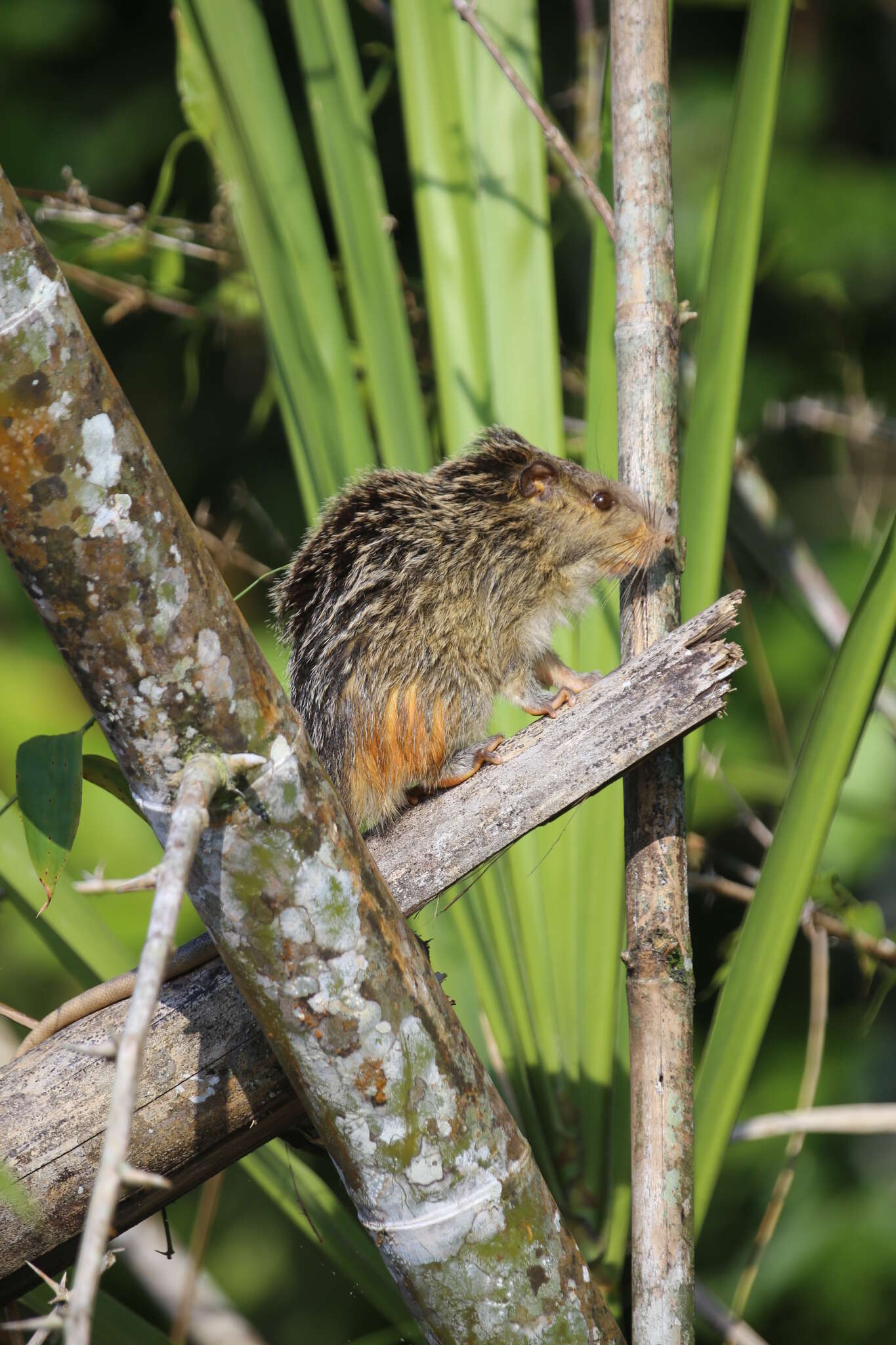
Dactylomys
Dactylomys is the genus of South American bamboo rats They are arboreal members of the family Echimyidae.

Isothrix
The toros or brush-tailed rats, genus Isothrix, are a group of spiny rats found in tropical South America, particularly in the Amazon Basin.

Giant Tree Rat
species of mammal

Mesomys
thumb|right
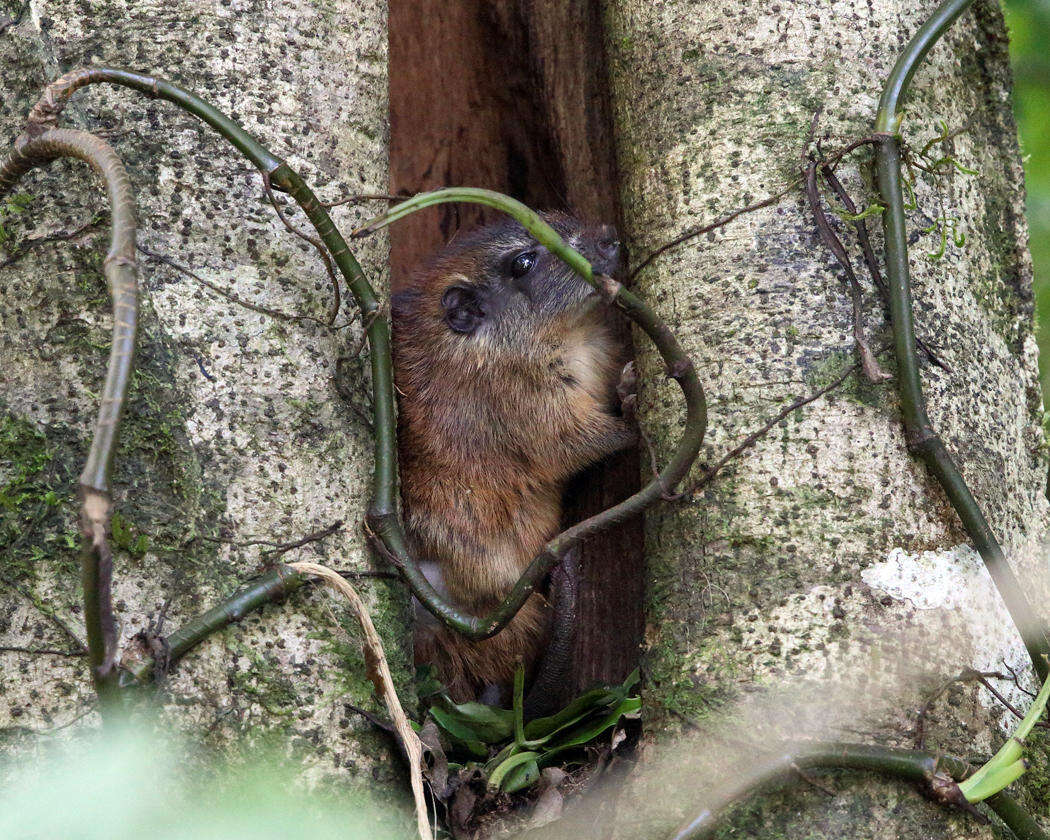
Diplomys
Diplomys is a genus of rodent in the family Echimyidae.
They are found in Costa Rica, Ecuador, Colombia and Panama.
Olallamys
Olallamys is a genus of Andean soft-furred spiny rat that range from Panama through Colombia and Venezuela to northern Ecuador. These species are typically found at elevations above .

Lonchothrix emiliae
species of mammal

Phyllomys
thumb | right | alt=Giant Atlantic tree-rat (Phyllomys thomasi) at Ilhabela-SP, Brasil | Giant Atlantic tree-rat (Phyllomys thomasi) at Ilhabela-SP, Brasil
Phyllomys is a genus of arboreal spiny rat, geographically restricted to the forests of eastern Brazil.
Makalata
Makalata is a genus of rodents in the family Echimyidae.
Pattonomys
Pattonomys is a genus of rodent in the family Echimyidae, named after American mammalogist James L. Patton.
It contains the following species:
Bare-tailed armored tree-rat (Pattonomys occasius)
Speckled spiny tree-rat (Pattonomys semivillosus)
Echimyini
Echimyini is a tribe of echimyid rodents, proposed in 2016, and containing 13 extant genera: all of the tree rats Echimys, Phyllomys, Makalata, Pattonomys, Toromys, Diplomys, Santamartamys, and Isothrix, the long recognized dactylomines Dactylomys, Olallamys, and Kannabateomys, and the enigmatic and previously classified as eumysopines Lonchothrix and Mesomys. All these spiny rats genera are arboreal. Worth of note, the arboreal genus Callistomys – the painted-tree rat – does not belong to the tribe Echimyini. Because it is phylogenetically closer to Myocastor, Hoplomys, Proechimys, and Thrich