Category
page 1Elementals

nymph
A nymph (; ; sometimes spelled nymphe) is a minor female nature deity in ancient Greek folklore. Distinct from other Greek goddesses, nymphs are generally regarded as personifications of nature; they are typically tied to a specific place, landform, or tree, and are usually depicted as maidens. Because of their association with springs, they were often seen as having healing properties; other divine powers of the nymphs included divination and shapeshifting. In spite of their divine nature, they were not immortal.
-Hist%20septentrionalibus-p210-demons-in-mines.jpg)
gnome
A gnome () is a mythological creature and diminutive spirit in Renaissance magic and alchemy, introduced by Paracelsus in the 16th century and widely adopted by authors, including those of modern fantasy literature. They are typically depicted as small humanoids who live underground. Gnome characteristics are reinterpreted to suit various storytellers and artists.
%20-%20cover%20-%20Project%20Gutenberg%20eText%2018752.jpg)
undine
thumb|Undine A novella
Undines (; also ondines) are a category of elemental beings associated with water, stemming from the alchemical writings of Paracelsus. Later writers developed the undine into a water nymph in its own right, and it continues to live in modern literature and art through such adaptations as Danish Hans Christian Andersen's 1837 "The Little Mermaid" and the 1811 novella Undine by Friedrich de la Motte Fouqué.

elemental
right|thumb|Undine Rising From the Waters, by Chauncey Bradley Ives
thumb|Rococo set of [[personification figurines of the Four Elements, 1760s, Chelsea porcelain]]
An elemental is a mythic supernatural being that is described in occult and alchemical works from around the time of the European Renaissance, and particularly elaborated in the 16th century works of Paracelsus. According to Paracelsus and his subsequent followers, there are four categories of elementals, which are gnomes, undines, sylphs, and salamanders. These correspond to the four Empedoclean elements of antiquity: earth, wate
-p0000-11Luftleute%26Windmenschen.jpg)
sylph
thumb|11. Air-people, wind-men, sylphs
A sylph (also called sylphid) is an air spirit stemming from the 16th-century works of Paracelsus, who describes sylphs as (invisible) beings of the air, his elementals of air. A significant number of subsequent literary and occult works have been inspired by Paracelsus's concept: Robert Alfred Vaughan noted that "the wild but poetical fantasies" of Paracelsus had probably exercised a larger influence over his age and the subsequent one than is generally supposed, particularly on the Rosicrucians, but that through the 18th century they had become reduced
salamander
elemental spirit associated with fire
Pygmy
tribe of diminutive humans in Greek mythology

Princess Bubblegum
fictional character in the American animated television series Adventure Time

Monster High: The Movie
2022 film directed by Todd Holland
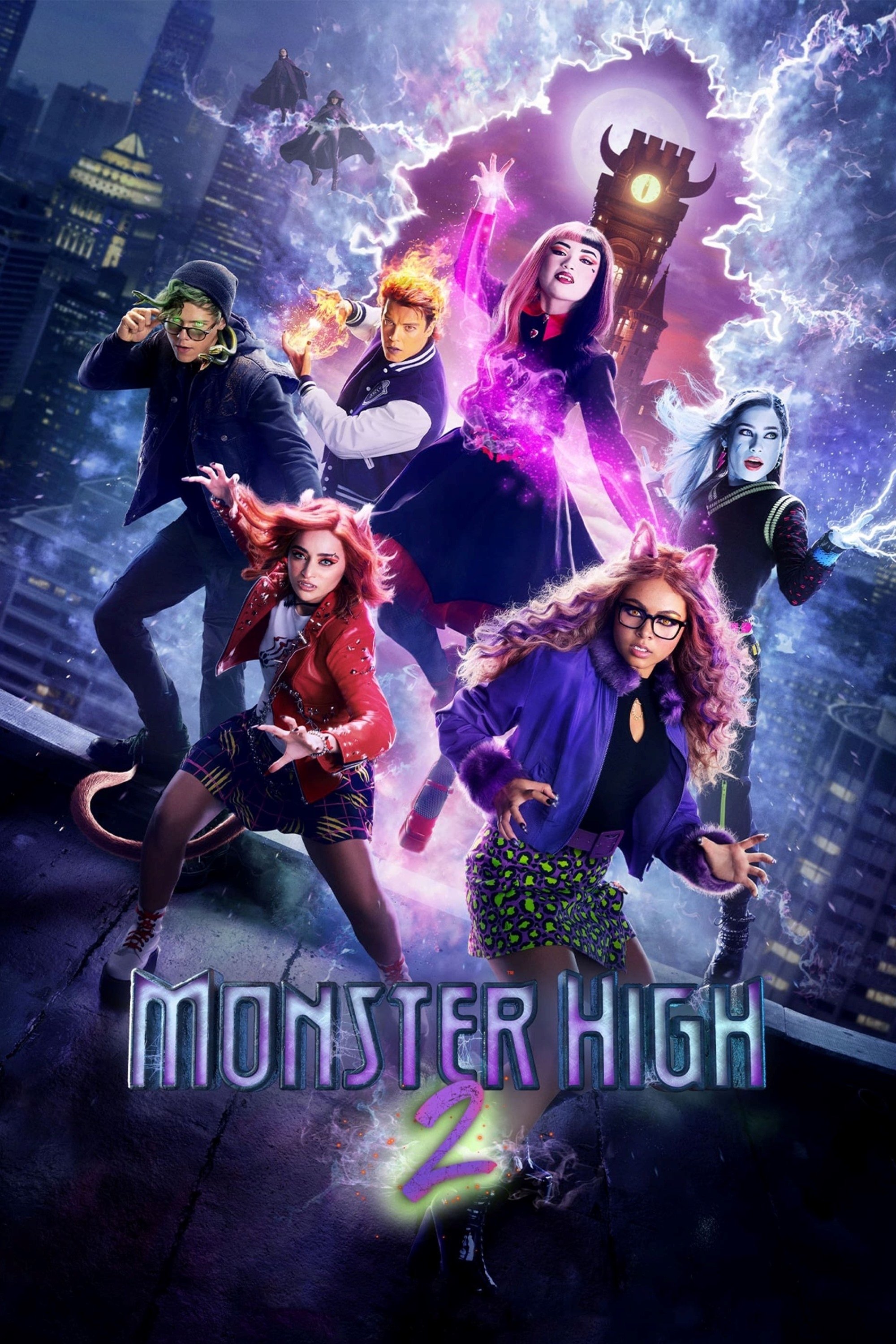
Monster High 2
2023 musical fantasy television film directed by Todd Holland