Category
page 1English Civil War

English Civil War
series of armed conflicts and political machinations between Parliamentarians and Royalists
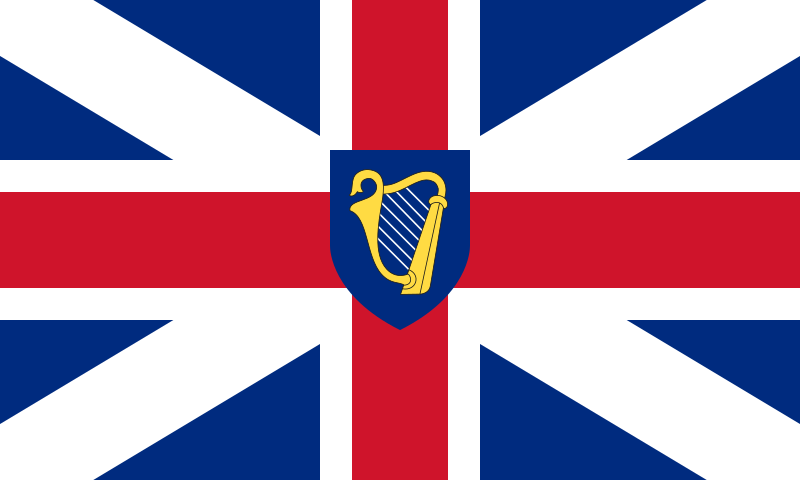
Commonwealth of England
historic republic on the British Isles (1649–1660)
Three Hundred and Thirty Five Years' War
conflict

Roundhead
The Parliamentarians, commonly called Roundheads by their enemies, were the supporters of the Parliament of England during the English Civil War (1642–1651). They fought against King Charles I of England and his supporters, known as the Cavaliers or Royalists, who claimed rule by absolute monarchy and the principle of the divine right of kings. The goal of the Roundheads was to give to Parliament the supreme control over executive administration of England.
Saffron Walden
market town in the Uttlesford district of Essex, England

Cavalier
thumb|upright|Prince Rupert of the Rhine, often considered to be an archetypal Cavalier

Areopagitica
right|thumb|Des Wilson in 1987 as president of the Liberal Party, holding as symbol of his office a copy of Areopagitica
'''''Areopagitica; A speech of Mr. John Milton for the Liberty of Unlicenc'd Printing, to the Parlament of England''' is a 1644 prose polemic by the English poet, scholar, and polemical author John Milton opposing licensing. Areopagitica'' is among history's most influential and impassioned philosophical defences of the principle of a right to freedom of speech and expression. Many of its expressed principles have formed the basis for modern justifications of that right.
morion
brimmed and crested helmet
First English Civil War
civil war in England 1642-1646

burgonet
thumb|German burgonet of classic form, 16th century
The burgonet helmet (sometimes called a burgundian sallet) was a Renaissance-era and early modern combat helmet. It was the successor of the sallet.
Declaration of Breda
proclamation by Charles II of England, promising a general pardon for crimes committed during the English Civil War and the Interregnum for all those recognising Charles
Halton Castle
ruins of castle with later buildings in Halton, Cheshire, England, UK
Third English Civil War
1650-1652 English invasion of Scotland
Second English Civil War
Part of English Civil War (1648)

Etton
village and civil parish in Cambridgeshire, England, UK
Interregnum
period between the execution of Charles I on 30 January 1649 and the start of the Restoration
Grand Remonstrance
1641 petition of Parliament to Charles I
zischägge
burgonet with a long neck guard

Agreement of the People
Set of declarations made to change the English state
English Council of State
organization
harquebusier
thumb|upright|Harquebusier, carbine-armed cavalry, 17th century
The harquebusier was the most common form of cavalry found throughout Western Europe during the early to mid-17th century. Early harquebusiers were characterised by the use of a type of carbine called a "harquebus". In England, harquebusier was the technical name for this type of cavalry, though in everyday usage they were usually simply called 'cavalry' or 'horse'. In Germany they were often termed Ringerpferd, or sometimes Reiter, in Sweden they were called lätta ryttare.
Royal Oak
English oak tree which was in Boscobel Wood
Tresillian
see also Tresillian House
Norton Priory Museum and Gardens
historic site in Norton, Runcorn, Cheshire, England, United Kingdom
slighting
thumb|Corfe Castle in [[Dorset was slighted in 1646 during the English Civil War. Parliament slighted or proposed to slight more than 100 buildings, including castles, town walls, abbeys, and houses.|alt=The shattered remains of a stone building, with two walls of a tower standing higher above the ruins.]]
Slighting is the deliberate damage of high-status buildings to reduce their value as military, administrative, or social structures. This destruction of property is sometimes extended to the contents of buildings and the surrounding landscape. It is a phenomenon with complex motivations and
Eikon Basilike
1649 purported autobiography by Charles I of England
Ship money
tax in medieval England
doglock
thumbnail|right|Shown is a small Type 2 English lock of the English Civil War era. The lock is in the full-cock position. The dog has been automatically pushed out of the notch in the back of the cock and is lying back horizontally.
capotain
right|thumb|150px|Woman in a Capotain by Nicholas Hilliard, 1602
A capotain, capatain, copotain, copintank or steeple hat is a tall-crowned, narrow-brimmed, slightly conical "sugarloaf" hat, usually black, worn by men and women from the 1590s into the mid-seventeenth century in England and northwestern Europe. Earlier capotains had rounded crowns; later, the crown was flat at the top.
English ship Antelope
Boye
white hunting poodle belonging to Prince Rupert of the Rhine
Basilikon Doron
1599 treatise by James VI of Scotland
Self-denying ordinance
passed by the Long Parliament of England on 3 April 1645
Mercurius Aulicus
royalist newspaper in English Civil War
Root and Branch
petition present to English Parliament in 1640