Category
page 1English-language dialects
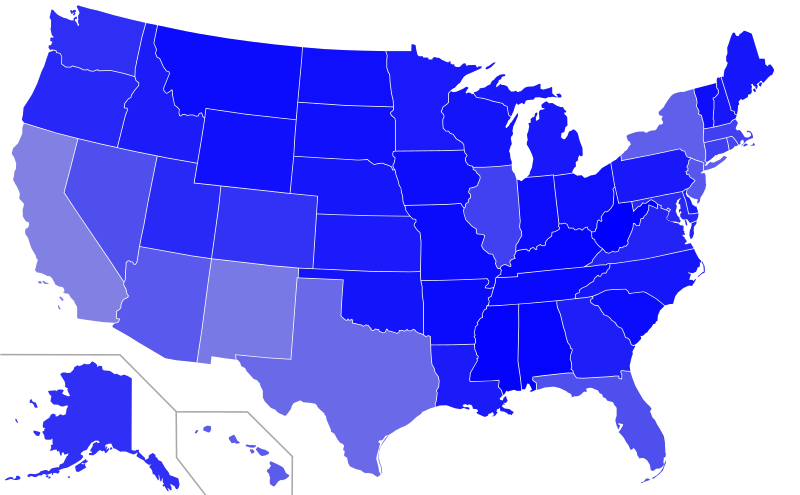
American English
set of dialects of the English language spoken in the United States

British English
forms of the English language used in Britain

Australian English
set of varieties of the English language native to Australia

Canadian English
set of varieties of the English language native to Canada
African American Vernacular English
non-standard variety of English spoken by most working- and middle-class African Americans and some Black Canadians
New Zealand English
dialect within the English language
Indian English
group of English dialects spoken primarily in the Indian subcontinent
Scottish English
varieties of English spoken in Scotland
South African English
dialect and set of English dialects native to South Africans
Philippine English
variety of English as is written and spoken in the Philippines
Jamaican English
dialect
list of dialects of English
Wikimedia list article
Welsh English
dialect within the English language
Hong Kong English
variety of English
Namlish
Namlish (a portmanteau of the words Namibian and English) is a form of English spoken in Namibia. The term was first recorded in 1991.
Nigerian English
dialect of English spoken in Nigeria
Malaysian English
national dialect of English
North American English
macrodialect of English varieties of the North American continent
Yeshivish
Yeshivish (), also known as Yeshiva English, Yeshivisheh Shprach, or Yeshivisheh Reid, is a sociolect of English spoken by Yeshiva students and other Jews with a strong connection to the Orthodox Yeshiva world.
African American English
set of English dialects primarily spoken by most black people in the United States
Chinglish
Chinglish (also known as the Chinese English) is slang for spoken or written English language that is either influenced by a Chinese language, or is poorly translated. In Hong Kong, Macau, Guangdong and Guangxi, the term "Chinglish" refers mainly to Cantonese-influenced English. This term is commonly applied to ungrammatical or nonsensical English in Chinese contexts, and may have pejorative or deprecating connotations. Chinglish also has its cultural impact, as seen in movies, TV shows, daily life and so on. It is used intentionally as a form of self-expression or as slang among Chinese speak
Cameroonian English
dialect of English
Medefaidrin
Medefaidrin (Medefidrin), or '''', is a constructed language and script created as a Christian sacred language by an Ibibio congregation in 1930s Nigeria. It has its roots in glossolalia ('speaking in tongues').
Pakistani English
group of English language varieties spoken and written in Pakistan
Falkland Islands English
variety of the English language
English in the Netherlands
overview of the English language used in the Netherlands
L-vocalization
'''L-vocalization''', in linguistics, is a process by which a lateral approximant sound such as , or, perhaps more often, velarized , is replaced by a vowel or a semivowel.
European English
dialect of the English language spoken in the European Union
Samaná English
variety of the English language spoken in the Samaná Peninsula, Dominican Republic
Texan English
variety of English spoken in Texas
Antarctic English
variety of the English language spoken in Antarctica and within the subantarctic islands
Legal English
specialized English used in courts of law and legal writing
Australian Aboriginal English
dialect of Australian English used by a large section of the Indigenous Australian population
Sri Lankan English
dialect of English
Liberian English
Varieties of English spoken in Liberia
Cornish English
English dialect spoken in Cornwall
culture of Fiji
pattern of human activity and symbolism associated with Fiji and its people
English in the Commonwealth of Nations
variants, dialects and contexts of usage of English language in the countries of the Commonwealth of Nations
multiethnolect
A multiethnolect is a language variety, typically formed in youth communities in working class, immigrant neighborhoods of urban areas, that contains influences from a variety of different languages. Unlike an ethnolect, which associates one language variety with one particular ethnic group, speakers of a multiethnolect often come from varied ethnic backgrounds, and their language usage can be more closely attributed to the neighborhood in which they live than their nationality or that of their parents. The term "multiethnolect" was first coined by Clyne (2000) and Quist (2000). Research of mu
Gibraltarian English
denotes the accent of English spoken in Gibraltar
English language education in Japan
education of the English language in Japan
Kenyan English
dialect of the English language native to Kenyans