Category
page 1Enterobacterales
Proteus
genus of bacteria

Serratia marcescens
species of bacterium
Serratia
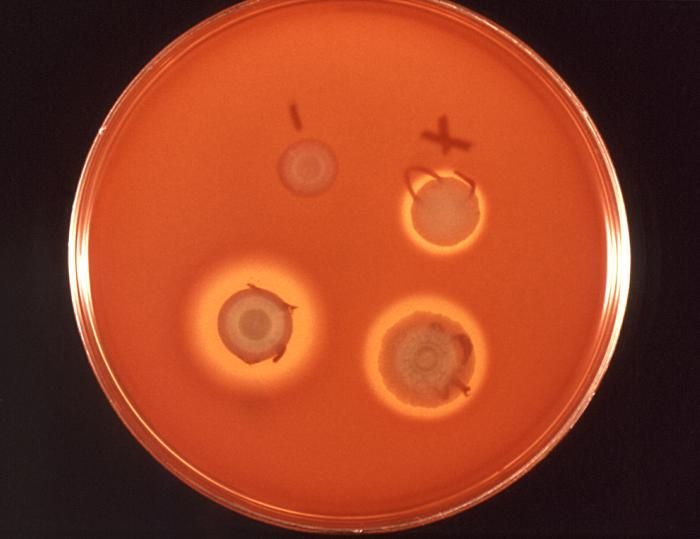
Serratia is a genus of Gram-negative, facultatively anaerobic, rod-shaped bacteria of the family Yersiniaceae. They are typically 1–5 μm in length, do not produce spores, and can be found in water, soil, plants, and animals. Some members of this genus produce a characteristic red pigment, prodigiosin, and can be distinguished from other members of the order Enterobacterales by their unique production of three enzymes: DNase (nucA), lipase, and gelatinase (serralysin). Serratia was thought to be a harmless environmental bacteria until it was discovered that the most common species in the g
Erwinia
Erwinia is a genus of Enterobacterales bacteria containing mostly plant pathogenic species which was named for the famous plant pathologist, Erwin Frink Smith. It contains Gram-negative bacteria related to Escherichia coli, Shigella, Salmonella, and Yersinia. They are primarily rod-shaped bacteria.
fire blight
plant disease

Proteus mirabilis
species of bacterium

Erwinia amylovora
species of bacterium
Enterobacterales
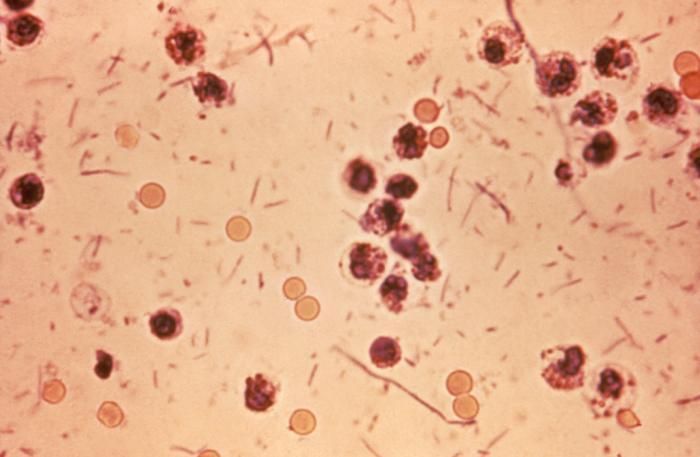
Enterobacterales is an order of Gram-negative, non-spore forming, facultatively anaerobic, rod-shaped bacteria with the class Gammaproteobacteria. The type genus of this order is Enterobacter.
Edwardsiella
genus of bacteria

Buchnera aphidicola
species of bacterium

Hafnia
genus of bacteria

Proteus vulgaris
species of bacterium
Yersiniaceae
The Yersiniaceae are a family of Gram-negative bacteria that includes some familiar pathogens. For example, the type genus Yersinia includes Yersinia pestis, the causative agent of plague. This family is a member of the order Enterobacterales in the class Gammaproteobacteria of the phylum Pseudomonadota.
Morganella morganii
species of bacterium
Photorhabdus luminescens
species of bacterium
Pantoea
Pantoea is a genus of Gram-negative bacteria of the family Erwiniaceae, recently separated from the genus Enterobacter. This genus includes at least 20 species. Pantoea bacteria are yellow pigmented, ferment lactose, are motile, and form mucoid colonies. Some species show quorum sensing ability that could drive different gene expression, hence controlling certain physiological activities. Levan polysaccharide produced by Pantoea agglomerans ZMR7 was reported to decrease the viability of rhabdomyosarcoma (RD) and breast cancer (MDA) cells compared with untreated cancer cells. In addition, it ha
Photorhabdus
Photorhabdus is a genus of bioluminescent, gram-negative bacilli which lives symbiotically within entomopathogenic nematodes, hence the name photo (which means light producing) and rhabdus (rod shape). Photorhabdus is known to be pathogenic to a wide range of insects and has been used as biopesticide in agriculture.

Bacterial wilt
genus of bacteria
Morganellaceae
Morganellaceae is a family of Gram-negative bacteria that include some important human pathogens formerly classified as Enterobacteriaceae. This family is a member of the order Enterobacterales in the class Gammaproteobacteria of the phylum Pseudomonadota. Genera in this family include the type genus Morganella, along with Arsenophonus, Cosenzaea, Moellerella, Photorhabdus, Proteus, Providencia and Xenorhabdus.
Xenorhabdus
Xenorhabdus is a genus of motile, gram-negative bacteria from the family of the Morganellaceae. All the species of the genus are only known to live in symbiosis with soil entomopathogenic nematodes from the genus Steinernema.
Arsenophonus
Arsenophonus is a genus of Morganellaceae, of the Gammaproteobacteria. Members of the Arsenophonus genus are increasingly discovered bacterial symbionts of arthropods that are estimated to infect over 5% of arthropod species globally and form a variety of relationships with hosts across the mutualism parasitism continuum. Arsenophonus bacteria have been identified in a diversity of insect taxa, including economically important species such as the Western honey bee and the rice pest Nilaparvata lugens.
Hafniaceae
The Hafniaceae are a family of Gram-negative bacteria. This family is a member of the order Enterobacterales in the class Gammaproteobacteria of the phylum Pseudomonadota. Genera in this family include the type genus Hafnia, along with Edwardsiella and Obesumbacterium.
Erwiniaceae
The Erwiniaceae are a family of Gram-negative bacteria which includes a number of plant pathogens and insect endosymbionts. This family is a member of the order Enterobacterales in the class Gammaproteobacteria of the phylum Pseudomonadota. The type genus of this family is Erwinia.
Hafnia alvei
species of bacterium
Pectobacteriaceae
The Pectobacteriaceae are a family of Gram-negative bacteria which largely consist of plant pathogens. This family is a member of the order Enterobacterales in the class Gammaproteobacteria of the phylum Pseudomonadota. The type species of this family is Pectobacterium.
Pantoea agglomerans
species of bacterium