Category
page 1Environmental conservation

endangered species
species of organisms facing a very high risk of extinction

International Union for Conservation of Nature
international organization
.jpg)
extinction
thumb|The thylacine (Thylacinus cynocephalus) is an example of a recently extinct [[species.]]
thumb|Palaeotherium is an example of an extinct [[genus that is only recorded from fossil records before the existence of hominids.]]

conservation status
indication of the chance of a species' extinction, regardless of authority used

invasive species
non-native organism causing damage to an established environment
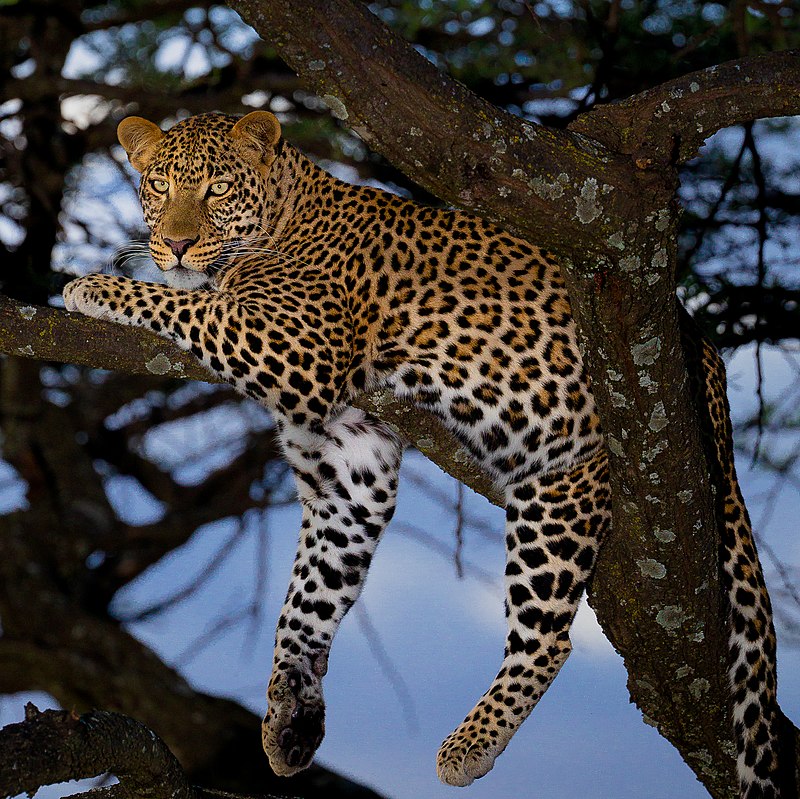
Vulnerable
IUCN conservation category
Near Threatened
IUCN conservation category
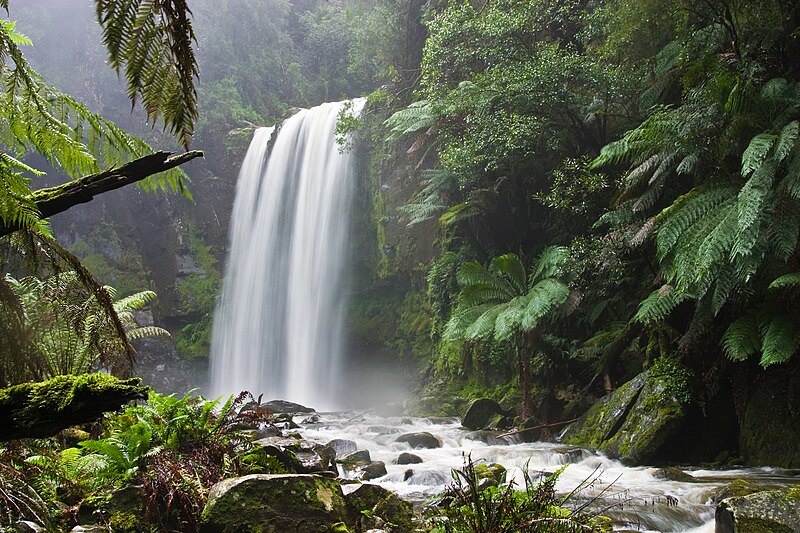
environment
surrounding of an organism or population

non-renewable resource
class of economic resources that natural processes do not readily replenish at practical rates
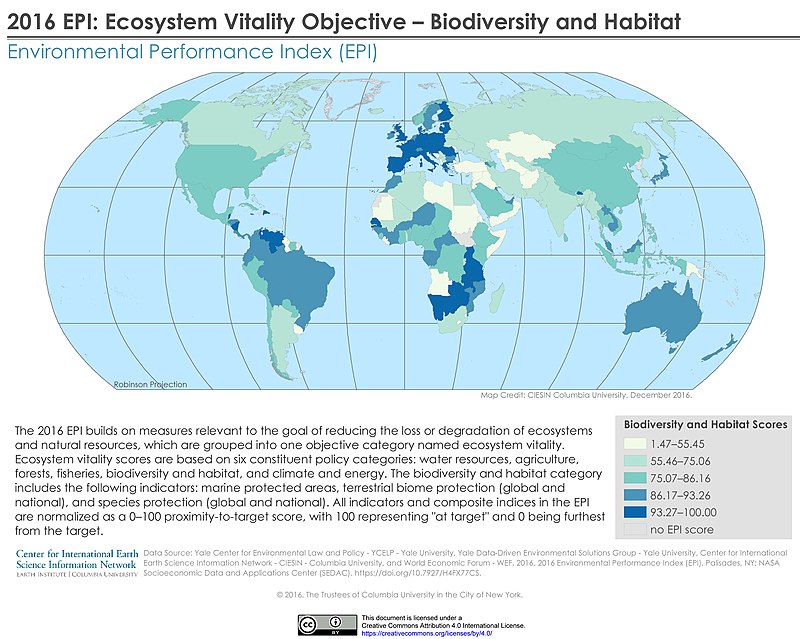
conservation biology
study of threats to biological diversity

agroecology
Agroecology is an academic discipline that studies ecological processes applied to agricultural production systems. Bringing ecological principles to bear can suggest new management approaches in agroecosystems. The term can refer to a science, a movement, or an agricultural practice. Agroecologists study a variety of agroecosystems. The field of agroecology is not associated with any one particular method of farming, whether it be organic, regenerative, integrated, or industrial, intensive or extensive, although some use the name specifically for alternative agriculture.
buffer zone
intermediate region, typically between belligerent entities
biodiversity hotspot
biogeographic region with significant levels of biodiversity
habitat fragmentation
discontinuities in an organism's environment causing population fragmentation and ecosystem decay
habitat destruction
state when natural environment becomes unable to support its native species due to human activity
wildlife corridor
protected pathway for animals connecting wild territories
threatened species
conservation category for species categorized as rare, very rare, or depleted

over exploitation
thumb|300px|right|Atlantic cod stocks were severely overexploited in the 1970s and 1980s, leading to their abrupt collapse in 1992.
natural heritage
elements of biodiversity, including flora and fauna, ecosystems, fossils and geological structures
riparian zone
interface between land and a river or stream
Habitats Directive
European Union directive on the conservation of natural habitats and of wild fauna and flora
conservation movement
social and political advocacy for protecting natural resources
biophilia hypothesis
hypothesis that humans possess an innate tendency to seek connections with nature and other forms of life
soil conservation
preservation of soil nutrients
decline in amphibian populations
ongoing mass extinction of amphibian species worldwide
decline in insect populations
ecological trend
natural farming
farming practice described by Masanobu Fukuoka (1913–2008)
Global 200
List of 238 ecoregions identified by the WWF as priorities for conservation

geodiversity
thumb|upright=1.3|Lake Pedder, south west Tasmania, prior to inundation as part of a hydro-electric development. Submergence of this unique landform assemblage and geoheritage feature beneath 15 m of water was one of many triggers leading to the formulation of a geoconservation philosophy.

defaunation
thumb|The World Wildlife Fund's Living Planet Report 2022 found that wildlife populations declined by an average 69% since 1970.
Defaunation is the global, local, or functional extinction of animal populations or species from ecological communities. The growth of the human population, combined with advances in harvesting technologies, has led to more intense and efficient exploitation of the environment. This has resulted in the depletion of large vertebrates from ecological communities, creating what has been termed "empty forest". Defaunation differs from extinction; it includes both the dis
Endangered status
IUCN status for species which are categorized as very likely to become extinct in the near future
In-situ conservation
conservation process in India
adventive plant
plants that are alien to the native flora
biodiversity action plan
program addressing threatened species and habitats designed to protect and restore biological systems
landscape management
holistic approach to landscape management
extinction risk from global warming
risk of species becoming extinct due to the effects of global warming
Conservation Agriculture
concept in agriculture
World Charter for Nature
United Nations General Assembly resolution adopted in 1982
Dead hedge
artificial barrier constructed from foliage
Clarion-Clipperton Zone
Zone of the Pacific Ocean
hemerochory
thumb|270px|poppy|Poppies are hemerochoric plants that belong to the [[archaeophytes.]]
Hemerochory (Ancient Greek ἥμερος, hemeros: 'tame, ennobled, cultivated, cultivated' and Greek χωρίς choris: separate, isolated), or anthropochory, is the distribution of cultivated plants or their seeds and cuttings, consciously or unconsciously, by humans into an area that they could not colonize through their natural mechanisms of spread, but are able to maintain themselves without specific human help in their new habitat.
Island restoration
application of the principles of ecological restoration to islands and island groups
conservation photography
photography genre
cave conservation
protection of caves to minimise the effects of human activities
sentinel species
organisms used to detect risks to humans by providing advance warning of a danger
Assisted colonization
intentional transport of species to a different habitat
maximum sustainable yield
management concept
Sustainable yield
form of sustainability
environmental stewardship
core principle of social ecology
escaped plant
Garden plants escaping cultivation to wild
Debt-for-nature swap
The exchange of foreign debt for investments

Man and Nature
1864 book by George Perkins Marsh
Riparian buffer
Largely undeveloped or wild land, usually forested, surrounding a river or stream
Joint Forest Management
Term for partnerships in forest movements
adaptive management
structured, iterative process of robust decision making in the face of uncertainty, with an aim to reducing uncertainty over time via system monitoring
environmental issues with coral reefs
factors which adversely affect tropical coral reefs
Conservation psychology