Category
page 1Eocene insects

Geometridae
family of moths

Melittidae
Melittidae is a small bee family, with over 200 described species in three subfamilies. The family has a limited distribution, with all described species restricted to Africa and the northern temperate zone.
Formiciinae
Formiciinae is an extinct subfamily of ants known from Eocene deposits in Europe and North America.

Palaeovespa
Palaeovespa is an extinct genus of wasp in the Vespidae subfamily Vespinae. The genus currently contains eight species: five from the Priabonian stage Florissant Formation in Colorado, United States, two from the middle Eocene Baltic amber deposits of Europe, and one species from the late Paleocene of France.
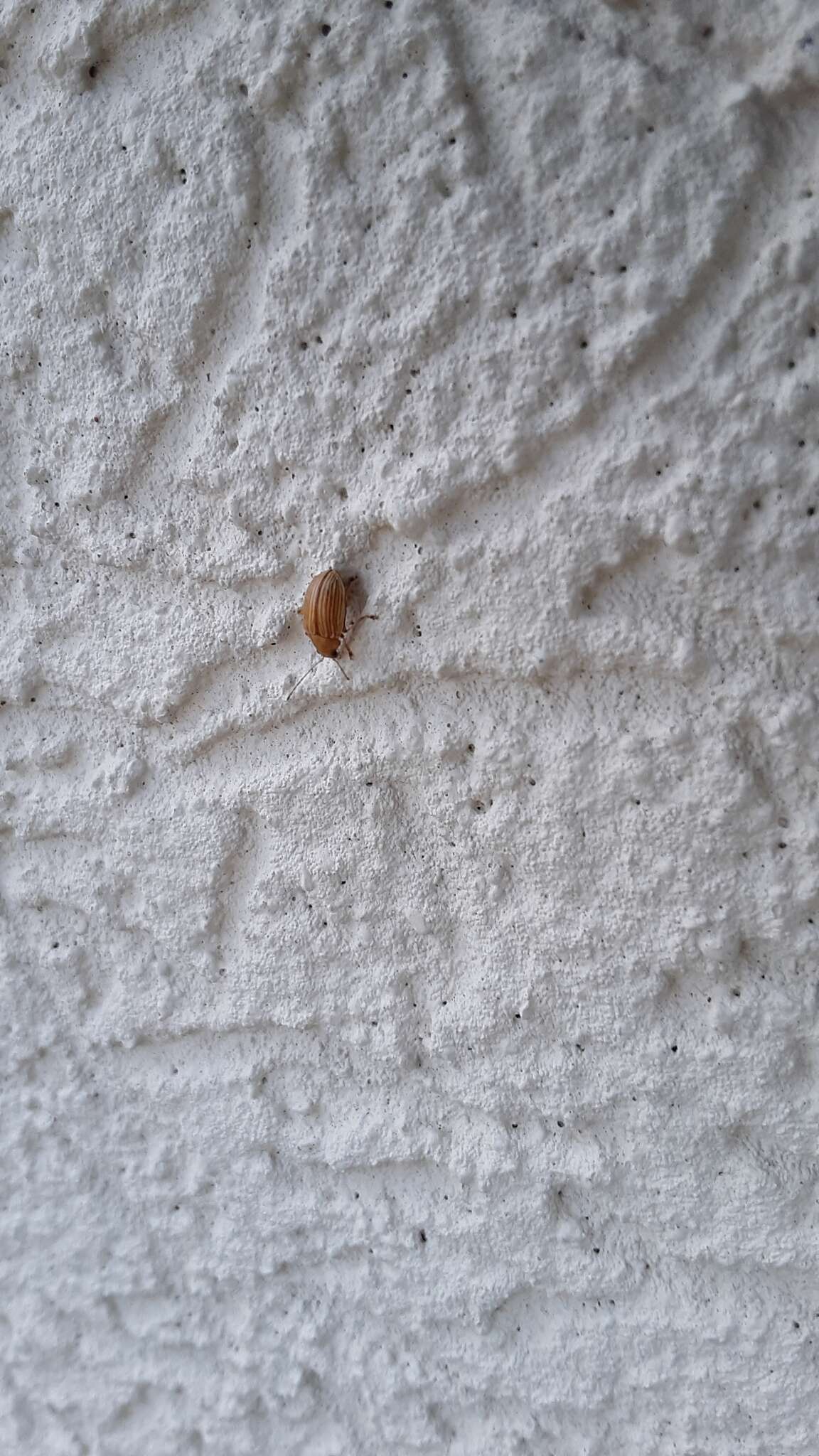
Colaspis
Colaspis is a genus of leaf beetles in the subfamily Eumolpinae. It is one of the largest genera in the subfamily, containing over 200 species, and it is known from both North and South America. A number of species from this genus are considered to be pests, such as the grape colaspis (Colaspis brunnea). Some species are known from the fossil record from the Eocene of Colorado in the United States.
Pogonomyrmex fossilis
species of insect (fossil)
Zherichinius
Zherichinius is an extinct genus of ants in the subfamily Dolichoderinae known from fossils found in amber from the Middle Eocene of Sakhalin island Far eastern Russia and Bitterfeld, Germany. At the time of description the species Zherichinius horribilis and Zherichinius rapax were two of eight ant species known from Sakhalin fossils.
Archimyrmex
Archimyrmex is an extinct genus of ant in the formicid subfamily Myrmeciinae, described by palaeoentomologist Theodore Cockerell in 1923. The genus contains four described species, Archimyrmex rostratus, Archimyrmex piatnitzkyi, Archimyrmex smekali and Archimyrmex wedmannae. Archimyrmex is known from a group of Middle Eocene fossils which were found in North America, South America, and Europe. The genus was initially placed in the subfamily Ponerinae, but it was later placed in Myrmeciinae; it is now believed to be the ancestor of the extant primitive genus Myrmecia from Australia. Despite thi
Praepapilio
Praepapilio is an extinct genus of swallowtail butterfly from the middle Eocene deposits of Colorado, United States, comparable to the Lutetian epoch in age. The genus is considered to be the only representative of the fossil subfamily Praepapilioninae.
Prodryas
Prodryas persephone is an extinct species of brush-footed butterfly, known from a single specimen from the Chadronian-aged Florissant Shale Lagerstätte of Late Eocene Colorado. P. persephone is the first fossil butterfly to be found in North America, and is exquisitely well preserved. Its closest extant relatives are the mapwings and African admirals of the genera Hypanartia and Antanartia, respectively.
Prionomyrmex
Prionomyrmex is an extinct genus of bulldog ants in the subfamily Myrmeciinae of the family Formicidae. It was first described by Gustav Mayr in 1868, after he collected a holotype worker of P. longiceps in Baltic amber. Three species are currently described, characterised by their long mandibles, slender bodies and large size. These ants are known from the Eocene and Late Oligocene, with fossil specimens only found around Europe. It is suggested that these ants preferred to live in jungles, with one species assumed to be an arboreal nesting species. These ants had a powerful stinger that was