Category
page 1Eponymous genera

Rafflesia
Rafflesia (), or stinking corpse lily, is a genus of parasitic flowering plants in the family Rafflesiaceae. The species have enormous flowers, the buds rising from the ground or directly from the lower stems of their host plants; one species has the largest flower in the world. Plants of the World Online lists up to 41 species from this genus; all of them are found in Southeast Asia.

Zantedeschia
Zantedeschia () is a genus of eight species of herbaceous, perennial, flowering plants in the aroid family, Araceae, native to southern Africa (from South Africa northeast to Malawi). The genus has been introduced, in some form, on every continent other than Antarctica.
Vachellia
Vachellia is a genus of flowering plants in the legume family, Fabaceae, commonly known as thorn trees or acacias. It belongs to the subfamily Mimosoideae. Its species were considered members of genus Acacia until 2009. Vachellia can be distinguished from other acacias by its capitate inflorescences and spinescent stipules. Before discovery of the New World, Europeans in the Mediterranean region were familiar with several species of Vachellia, which they knew as sources of medicine, and had names for them that they inherited from the Greeks and Romans.

Parodia
Parodia is a genus of flowering plants in the family Cactaceae, native to the eastern slopes of the Andes in northwestern Argentina and southwestern Bolivia and in the lowland pampas regions of northeastern Argentina, southern Brazil, eastern Paraguay, and Uruguay. This genus has about 65 species, many of which have been transferred from Eriocactus, Notocactus and Wigginsia. They range from small globose plants to tall columnar cacti. All are deeply ribbed and spiny, with single flowers at or near the crown. Some species produce offsets at the base. They are popular in cultivation, but must be
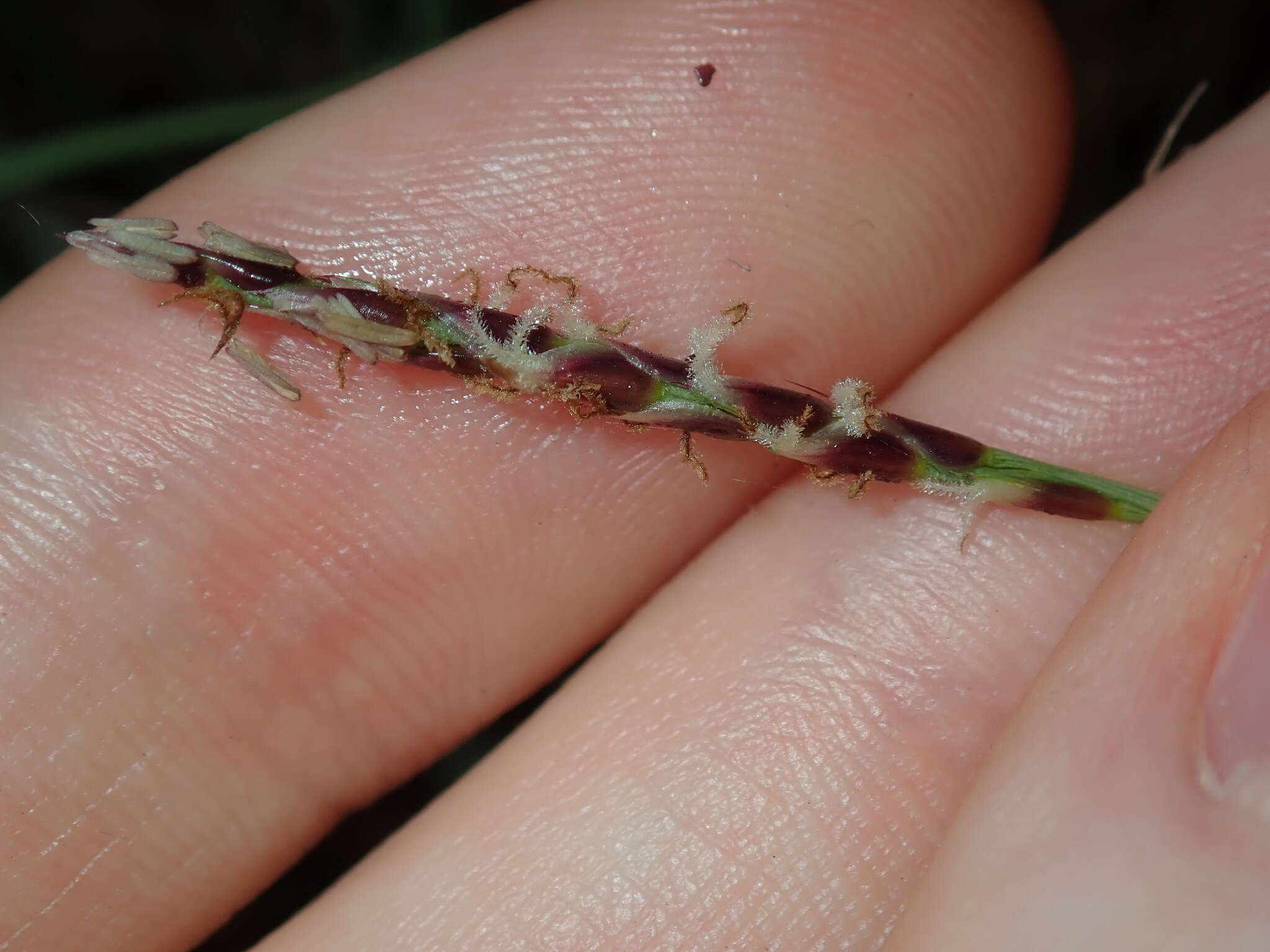
Zoysia
Zoysia (; , -, -, -) is a genus of creeping grasses widespread across much of Asia and Australia, as well as various islands in the Pacific. These species, commonly called zoysia or zoysiagrass, are found in coastal areas or grasslands. It is a popular choice for fairways and teeing areas at golf courses. The genus is named after the Slovenian botanist Karl von Zois (1756–1799).

Weberocereus
Weberocereus is genus of cacti. It produces a green and white flower and is found mainly in Costa Rica and Nicaragua.
==Description==
The species of the genus Weberocereus grows climbing or hanging, epiphytic or lithophytic. Their shoots, which are round in cross-section, are angular or flattened. The 2 to 5 ribs have lobed or toothed margins on which are small, sparsely spined areoles. The spines are short and bristly or sometimes absent at all.

Ximenia
Ximenia is a genus of flowering plants in the family Olacaceae. The generic name honors Francisco Ximénez, a Spanish priest.

Sageretia
Sageretia (mock buckthorn or sageretia) is a genus of about 35 species of shrubs and small trees in the family Rhamnaceae, native to southern and eastern Asia and northeast Africa. They have small green leaves 1.5–4 cm long, and a leathery multicoloured trunk. The flowers are small and inconspicuous; the fruit is a small edible drupe 1 cm diameter.
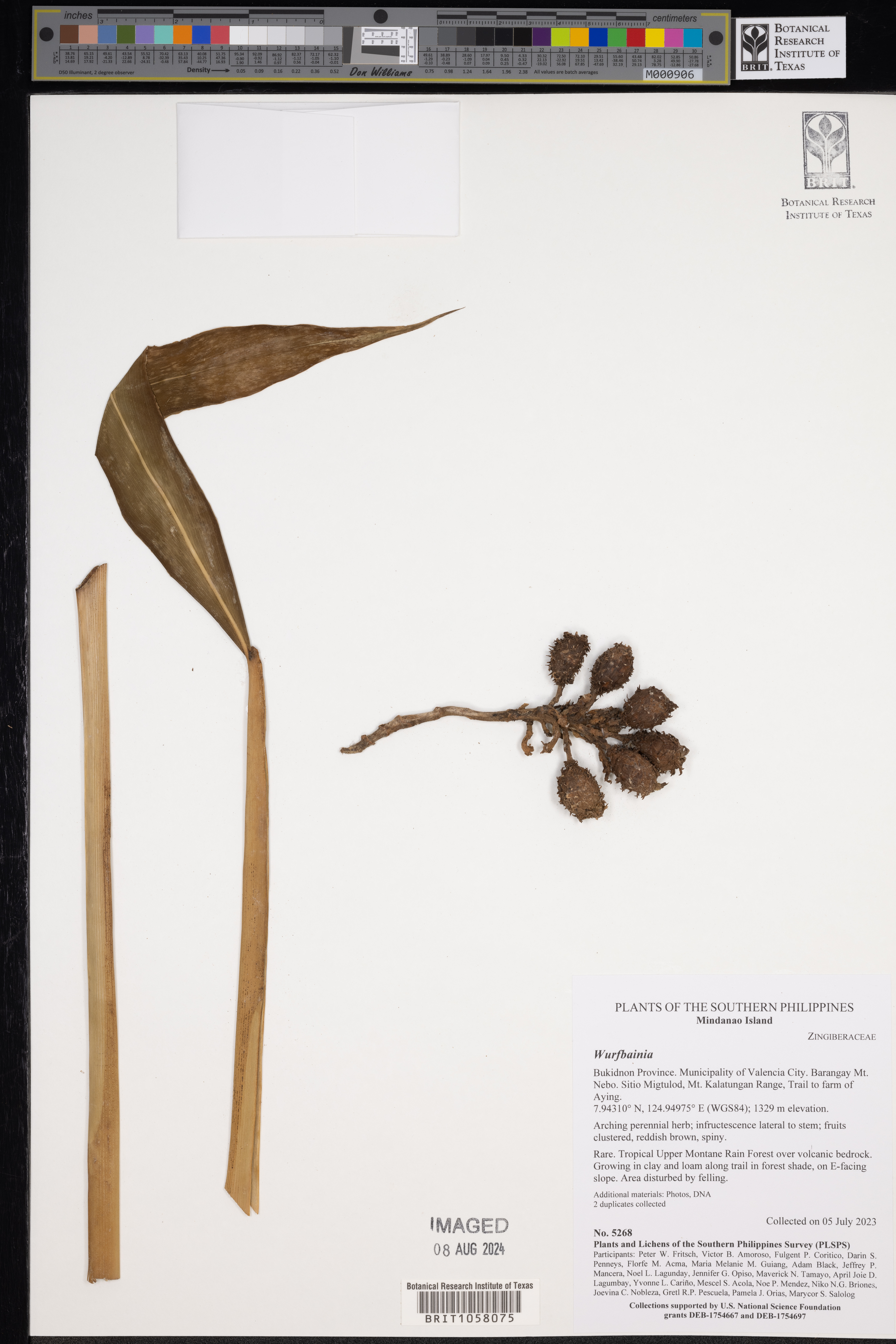
Wurfbainia
Wurfbainia is an Asian genus of flowering plants in the family Zingiberaceae. Species in this genus have been recorded from the Himalayas, South China, Indo-China and Western & Central Malesia. It has previously been placed as a synonym of Amomum.
Stutzia
Stutzia is a plant genus in the subfamily Chenopodioideae of the family Amaranthaceae. It was described in 2010, replacing the illegitimate name Endolepis. It comprises two species, that have also been included in the genus Atriplex.