Category
page 1Ethology

natural selection
differential survival and reproduction of individuals in nature due to differences in phenotype; a key mechanism of evolution

instinct
Instinct is the inherent inclination of a living organism towards a particular complex behaviour, containing innate (inborn) elements. The simplest example of an instinctive behaviour is a fixed action pattern (FAP), in which a very short to medium length sequence of actions, without variation, are carried out in response to a corresponding clearly defined stimulus. thumb|220px|A leatherback turtle [[hatchling makes its way to the open ocean.]]
Any behaviour is instinctive if it is performed without being based upon prior experience (that is, in the absence of learning), and is therefore an ex

cannibalism
thumb|A slug, Arion vulgaris, eating a dead individual of the same species
Cannibalism is the act of consuming another individual of the same species as food. Cannibalism is a common ecological interaction in the animal kingdom and has been recorded in more than 1,500 species. Human cannibalism is also well documented, both in ancient and in recent times.

carnivore
thumb|Lion|Lions are obligate carnivores, since they consume only animal flesh for their nutritional requirements.

pupil
The pupil is a hole located in the center of the iris of the eye that allows light to strike the retina. It appears black because light rays entering the pupil are either absorbed by the tissues inside the eye directly, or absorbed after diffuse reflections within the eye that mostly miss exiting the narrow pupil. The size of the pupil is controlled by the iris, and varies depending on many factors, the most significant being the amount of light in the environment. The term "pupil" was coined by Gerard of Cremona.

ethology
thumb|Honey bee|Honeybee workers perform the [[waggle dance to indicate the range and direction of food.]]
thumb|Great crested grebes perform a complex synchronised [[courtship display.]]
thumb|Male impalas fighting during the rut

omnivore
thumb|Examples of omnivores. From left to right: humans, [[dogs, pigs, channel catfish, American crows, gravel ant]]
thumb|Among birds, the hooded crow is a typical omnivore.
An omnivore () is an animal that eats both plant and animal matter. Obtaining energy and nutrients from plant and animal matter, omnivores digest carbohydrates, protein, fat, and fiber, and metabolize the nutrients and energy of the sources absorbed. Often, they have the ability to incorporate food sources such as algae, fungi, and bacteria into their diet.

hibernation
thumb| Northern bat hibernating in [[Norway]]
thumb|Bats hibernating in a silver mine

herd
right|thumb|Boy herding a flock of sheep, India; a classic example of the domestic herding of animals
thumb|Wildebeest at the Ngorongoro Crater; an example of a herd in the wild

mutualism
organism relationship in which each individual benefits from the activity of the other

animal migration
movement of animals from place to place, usually seasonal

playing
range of voluntary, intrinsically motivated activities done for recreational pleasure and enjoyment

sociobiology
Sociobiology is a field of biology that aims to explain social behavior in terms of evolution. It draws from disciplines including psychology, ethology, anthropology, evolution, zoology, archaeology, and population genetics. Within the study of human societies, sociobiology is closely related to evolutionary anthropology, human behavioral ecology, evolutionary psychology, and sociology.
%20mating%2C%20female%20typica%202.jpg)
mating
thumb|250px|Blue-tailed damselfly|Blue-tailed damselflies(Ischnura elegans) mating

cooperation
thumb|Many animal species cooperate with each other in mutual symbiosis. One example is the [[ocellaris clownfish, which dwells among the tentacles of Ritteri sea anemones. The anemones provide the clownfish with protection from their predators (which cannot tolerate the stings of the sea anemone's tentacles), while the fish defend the anemones against butterflyfish (which eat anemones)]]

drinking
thumb|Statue drinking from a traditional waterskin|alt=Statue of a man drinking|upright=1.2
thumb|upright|A person drinking a glass of milk

coprophagia
thumb|A female oriental latrine fly (Chrysomya megacephala) feeds on feces

lateral line system
sensory system in fish and amphibians

moulting
260px|thumb|A dragonfly in its radical final moult, metamorphosing from an aquatic nymph to a winged adult.
In biology, moulting (British English), or molting (American English), also known as sloughing, shedding, or in many invertebrates, ecdysis, is a process by which an animal casts off parts of its body to serve some beneficial purpose, either at specific times of the year, or at specific points in its life cycle.

attachment theory
Psychological ethological theory about human relationships
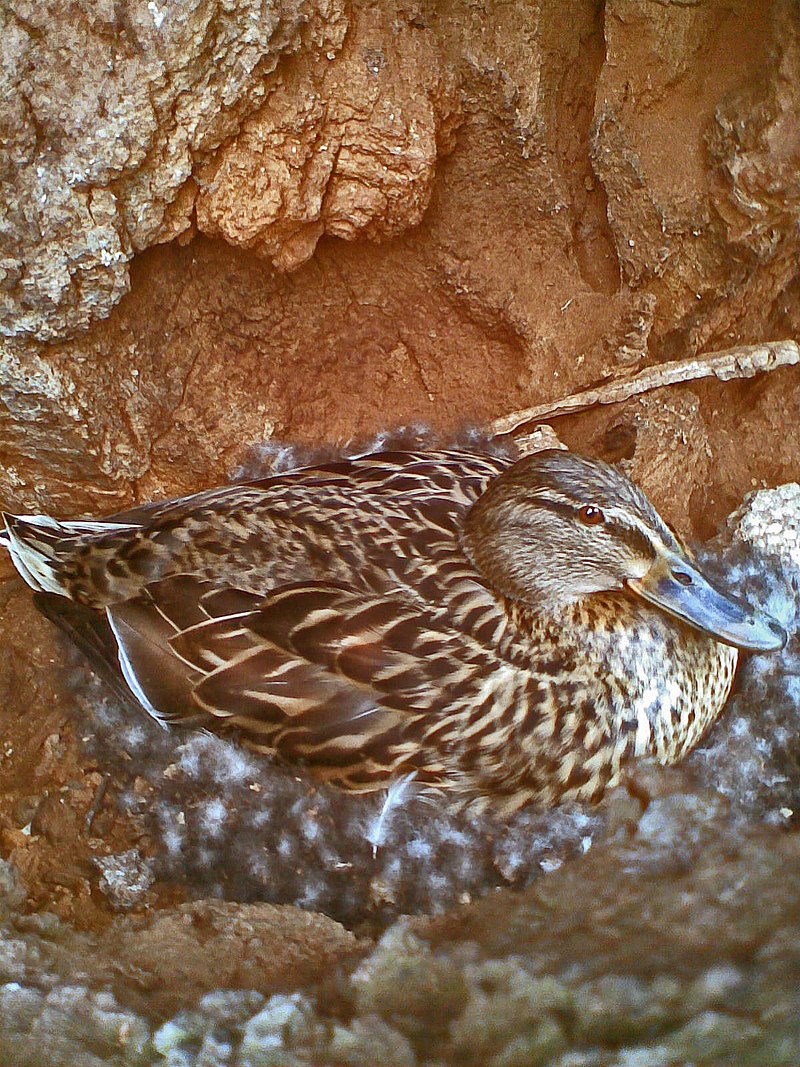
egg incubation
the process by which certain oviparous (egg-laying) animals hatch their eggs
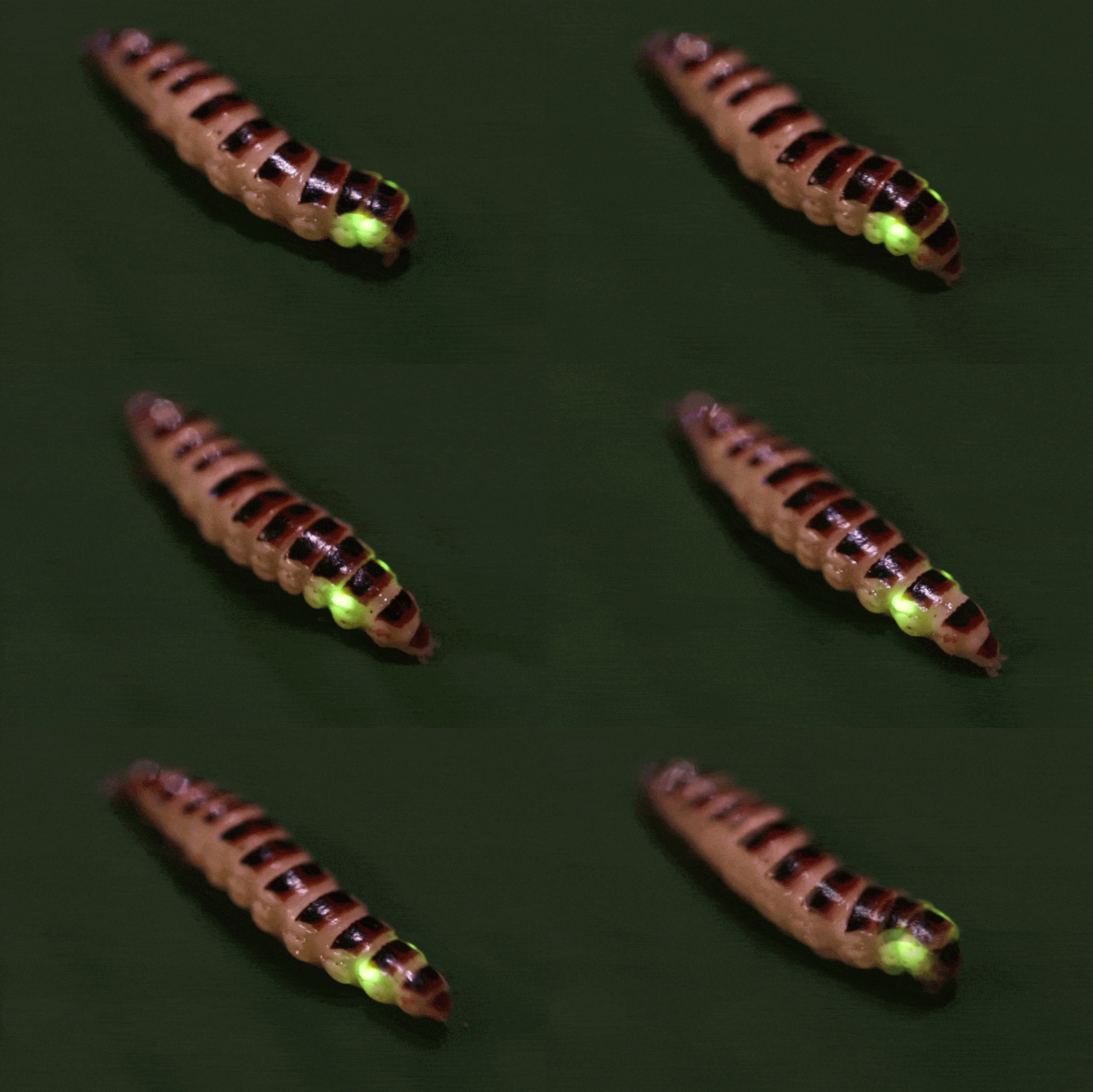
animal locomotion
self-propulsion by an animal

autotomy
thumb|A white-headed dwarf gecko with tail lost due to autotomy
Autotomy ('self-amputation', from the Ancient Greek auto-, "self-" and tome, "severing") is the behaviour whereby an animal sheds or discards an appendage, usually as a self-preservation mechanism to elude a predator's grasp or to distract the predator and thereby allow escape. Some animals are able to regenerate the lost body part later. Autotomy is thought to have evolved independently at least nine times. The term was coined in 1883 by Léon Fredericq.

entomophagy
thumb|Robber fly feeding on [[wasp]]
thumb|Fried Saturniidae|saturniid [[caterpillars being served on bread for human consumption in Burkina Faso in 2015]]

territory
area a wild animal consistently inhabits, patrols, and possibly defends

biological competition
interaction between individuals or species; fitness of one organism lowered by the presence of another organism

nocturnality
thumb|right|Owl|Owls are well known for being nocturnal, but some owls are active during the day.
.jpg)
burrow
thumb|An eastern chipmunk at the entrance of its burrow
A burrow is a hole or tunnel excavated into the ground by an animal to construct a space suitable for habitation or temporary refuge, or as a byproduct of locomotion. Burrows provide a form of shelter against predation and exposure to the elements, and can be found in nearly every biome and among various biological interaction types, including symbiosis and competition. Many animal species are known to form burrows. These species range from small amphipods, to very large vertebrate species such as the polar bear. Burrows can be constructe

aestivation
thumb|right|Theba pisana snails aestivating on [[Foeniculum vulgare in Montbazin, France]]
learned helplessness
behavior

proxemics
Proxemics is the study of human use of space and the effects that population density has on behavior, communication, and social interaction. Proxemics is one among several subcategories in the study of nonverbal communication, including haptics (touch), kinesics (body movement), vocalics (paralanguage), and chronemics (structure of time).
homosexual behavior in animals
sexual behavior among non-human species that is interpreted as homosexual
alpha
individual in the community with the highest rank
flock
group of birds conducting flocking behavior in the midst of flight, or while foraging or roosting

diapause
In animal dormancy, diapause is the delay in development in response to regular and recurring periods of adverse environmental conditions. It is a physiological state with very specific initiating and inhibiting conditions. The mechanism is a means of surviving predictable, unfavorable environmental conditions, such as temperature extremes, drought, or reduced food availability. Diapause is observed in all the life stages of arthropods, especially insects.
purr
A purr or whirr is a tonal fluttering sound made by some species of felids, including both larger, wild cats and the domestic cat (Felis catus), as well as two species of genets and the Caquetá titi monkey (Plecturocebus caquetensis). It varies in loudness and tone among species and in the same animal. Although true purring is exclusive to felids and viverrids, other animals such as raccoons produce vocalizations that sound similar to true purring. Animals that produce purr-like sounds include mongooses, kangaroos, wallabies, wallaroos, badgers, rabbits and guinea pigs.

ecdysis
thumb|Adult Rhopalomyia solidaginis fly, emerging from pupal case
thumb|right|Process of ecdysis of a cicada.

diurnality
thumb|right|Steppe eagles are diurnal, and hunt during the day.
thumb|right|Humans are diurnal, and organize their work and [[business mainly in the day.]]
Diurnality is a form of plant and animal behavior characterized by activity during daytime, with a period of sleeping or other inactivity at night. The common adjective used for daytime activity is "diurnal". The timing of activity by an animal depends on a variety of environmental factors such as the temperature, the ability to gather food by sight, the risk of predation, and the time of year. Diurnality is a cycle of activity within a 24-

mechanoreceptor structure
A mechanoreceptor, also called mechanoceptor, is a sensory receptor that responds to mechanical pressure or distortion. Mechanoreceptors are located on sensory neurons that convert mechanical pressure into electrical signals that, in animals, are sent to the central nervous system.

torpor
Torpor is a state of decreased physiological activity in an animal, usually marked by a reduced body temperature and metabolic rate. Torpor enables animals to survive periods of reduced food availability. The term "torpor" can refer to the time a hibernator spends at low body temperature, lasting days to weeks, or it can refer to a period of low body temperature and metabolism lasting less than 24 hours.

dormancy
thumb|250px|During winter dormancy, plant [[metabolism comes to a virtual standstill, due in part to low temperatures that slow chemical activity.]]
tonic immobility
behavior in which animals take on the appearance of being dead

anthrozoology
thumb|Sled dog racing in Alaska

crypsis
In ecology, crypsis is the ability of an animal or a plant to avoid observation or detection by other animals. It may be part of a predation strategy or an antipredator adaptation. Methods include camouflage, nocturnality, subterranean lifestyle and mimicry. Crypsis can involve visual, olfactory (with pheromones) or auditory concealment. When it is visual, the term cryptic coloration, effectively a synonym for animal camouflage, is sometimes used, but many different methods of camouflage are employed in nature.

cuteness
Cuteness is a type of attractiveness commonly associated with youth and appearance, as well as a scientific concept and analytical model in ethology, first introduced by Austrian ethologist Konrad Lorenz. Lorenz proposed the concept of baby schema (Kindchenschema), a set of facial and body features that make a creature appear "cute" and activate ("release") in others the motivation to care for it. Cuteness may be ascribed to people as well as things that are regarded as attractive or charming.
Coolidge effect
biology and psychology phenomenon
courtship display
a set of display behaviors in which an animal, usually a male, attempts to attract a mate
flehmen response
behavior in which an animal curls back its upper lip exposing its front teeth

neuroethology
thumb|right|Animal Echolocation|Echolocation in bats is one model system in neuroethology.
dominance hierarchy
type of social hierarchy
animal echolocation
method used by some animals to determine the location of something by measuring the time it takes for an echo to return from it
animal sexual behaviour
sexual behavior of non-human animals
parental investment
parental expenditure (e.g. time, energy, resources) that benefits offspring
startle response
action or movement due to the application of a sudden unexpected stimulus
lek mating
mating behavior in certain animals
crepuscular
animal activity occurring at twilight
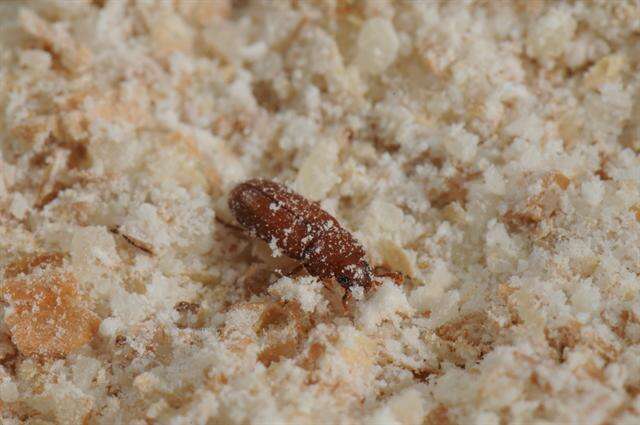
Tribolium castaneum
species of insect
Behavioral sink
conceptual collapse in behavior which can result from overcrowding
social grooming
behavior in social animals
handicap principle
hypothesis in evolutionary biology