Category
page 1Extant Aptian first appearances

Malpighiales
thumb|Aspidopterys cordata ([[Malpighiaceae)]]

Ranunculales
Ranunculales is an order of flowering plants. Of necessity it contains the family Ranunculaceae, the buttercup family, because the name of the order is based on the name of a genus in that family. Ranunculales belongs to a paraphyletic group known as the basal eudicots. It is sister to the remaining members of this group; in other words, it is sister to the remaining eudicots. Widely known members include poppies, barberries, hellebores, and buttercups.

Laurales
The Laurales are an order of flowering plants. They are magnoliids, related to the Magnoliales.

Liliales
Liliales is an order of monocotyledonous flowering plants in the Angiosperm Phylogeny Group and Angiosperm Phylogeny Web system, within the lilioid monocots. This order of necessity includes the family Liliaceae. The APG III system (2009) places this order in the monocot clade. In APG III, the family Luzuriagaceae is combined with the family Alstroemeriaceae and the family Petermanniaceae is recognized. Both the order Lililiales and the family Liliaceae have had a widely disputed history, with the circumscription varying greatly from one taxonomist to another. Previous members of this order, w

Ephedra
genus of plants

Agaricales
The Agaricales are an order of fungi in the division Basidiomycota. As originally conceived, the order contained all the agarics (gilled mushrooms), but subsequent research has shown that not all agarics are closely related and some belong in other orders, such as the Russulales and Boletales. Conversely, DNA research has also shown that many non-agarics, including some of the clavarioid fungi (clubs and corals) and gasteroid fungi (puffballs and false truffles) belong within the Agaricales. The order has 46 extant families, more than 400 genera, and over 25,000 described species, along with s

Dioscoreales
The Dioscoreales are an order of monocotyledonous flowering plants, organized under modern classification systems, such as the Angiosperm Phylogeny Group or the Angiosperm Phylogeny Web. Among monocot plants, Dioscoreales are grouped with the lilioid monocots, wherein they are a sister group to the Pandanales. In total, the order Dioscoreales comprises three families, 22 genera and about 850 species.

Pandanales
Pandanales, the pandans or screw-pines, is an order of flowering plants placed in the monocot clade in the Angiosperm Phylogeny Group and Angiosperm Phylogeny Web systems. Within the monocots Pandanales are grouped in the lilioid monocots where they are in a sister group relationship with the Dioscoreales. Historically the order has consisted of a number of different families in different systems but modern classification of the order is based primarily on molecular phylogenetics despite diverse morphology which previously placed many of the families in other groupings based on apparent simila
Neobatrachia
The Neobatrachia (Neo-Latin neo- ("new") + batrachia ("frogs")) are a suborder of the Anura, the order of frogs and toads.

Lepismatidae
Lepismatidae is a family of primitive wingless insects with about 340 described species. This family contains the two most familiar members of the order Zygentoma: the silverfish (Lepisma saccharinum) and the firebrat (Thermobia domestica). It is one of five families in the order Zygentoma.

Rhinobatos
thumb|right|Rhinobatos hakelensis fossil
Notopalaeognathae
Notopalaeognathae is a clade that contains the order Rheiformes (rheas), the clade Novaeratitae (which includes the cassowaries and emus, the kiwis, and the extinct elephant birds), and the clade Dinocrypturi (comprising the tinamous and the extinct moas). Notopalaeognathae was named by Yuri et al. (2013) and defined in the PhyloCode by Sangster et al. (2022) as "the least inclusive crown clade containing Rhea americana, Tinamus major, and Apteryx australis". The exact relationships of this group, including its recently extinct members, have only recently been uncovered. The two lineages endem
Calappoidea
Calappoidea is a superfamily of crabs comprising the two families Calappidae and Matutidae. The earliest fossils attributable to the Calappoidea date from the Aptian.
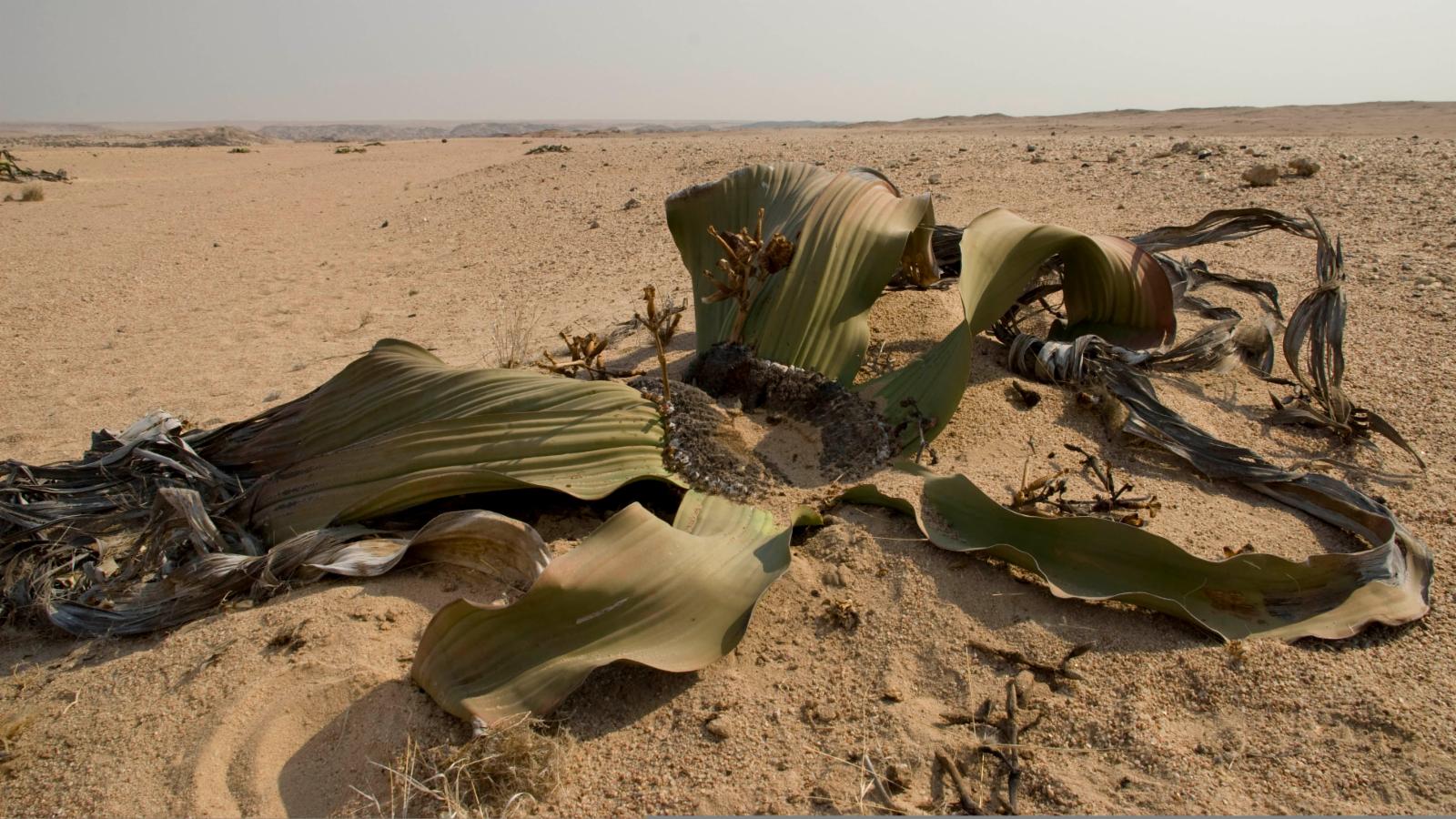
Welwitschiaceae
Welwitschiaceae is a family of plants of the order Gnetales with one living species, Welwitschia mirabilis, found in southwestern Africa. Three fossil genera have been recovered from the Crato Formation – late Aptian (Lower Cretaceous) strata located in the Araripe Basin in northeastern Brazil, with one of these also being known from the early Late Cretaceous (Cenomanian-Turonian) Akrabou Formation of Morocco.
Paraulopus
Paraulopus is the only genus in the family Paraulopidae, a family of grinners in the order Aulopiformes. They are commonly known as cucumberfishes, but locally some other Teleostei are also known by that name. They were considered in the Chlorophthalmidae or greeneye family until 2001.

Linuparus
Linuparus, the spear lobsters, is a genus of medium-sized to large spiny lobsters in the family Palinuridae. It contains four extant species found at depths of in the Indo-Pacific, and 32 fossil species, ranging from the Early Cretaceous to the Oligocene. L. trigonus is the only extant species also known from the fossil record.