Category
page 1Extant Paleogene first appearances

Pelecaniformes
The Pelecaniformes are an order of medium-sized and large waterbirds found worldwide. As traditionally (but erroneously) defined, they encompass all birds that have feet with all four toes webbed. Hence, they were formerly also known by such names as totipalmates or steganopods. Under this obsolete definition, the Fregatidae (frigatebirds), Sulidae (gannets and boobies), Phalacrocoracidae (cormorants and shags), Anhingidae (darters), and Phaethontidae (tropicbirds) were included in the Pelecaniformes. Subsequent molecular and morphological studies indicate they are in fact not close relatives

sailfish
thumb|An Indo-Pacific sailfish raising its sail
thumb|upright|Author Ernest Hemingway in [[Key West, Florida, USA, in the 1940s, with a sailfish he had caught ]]

Pangasius
Pangasius is a genus of medium-large to very large shark catfishes native to fresh water in South and Southeast Asia. The term "pangasius" is sometimes used to specifically refer to the commercially important basa fish, P. bocourti.

Tyrannides
Tyrannides (New World suboscines) is a clade of passerine birds that are endemic to the Americas. The group likely originated in South America during the Eocene, about 45 million years ago.

Portunus
Portunus is a genus of crabs which includes several important species for fisheries, such as the blue swimming crab and the Gazami crab. Other species, such as the three-spotted crab are caught as bycatch.
thumb|250px|right|Fossil of Portunus convexus
Ranina
Ranina is a genus of crabs belonging to the family Raninidae. It has two extant species.
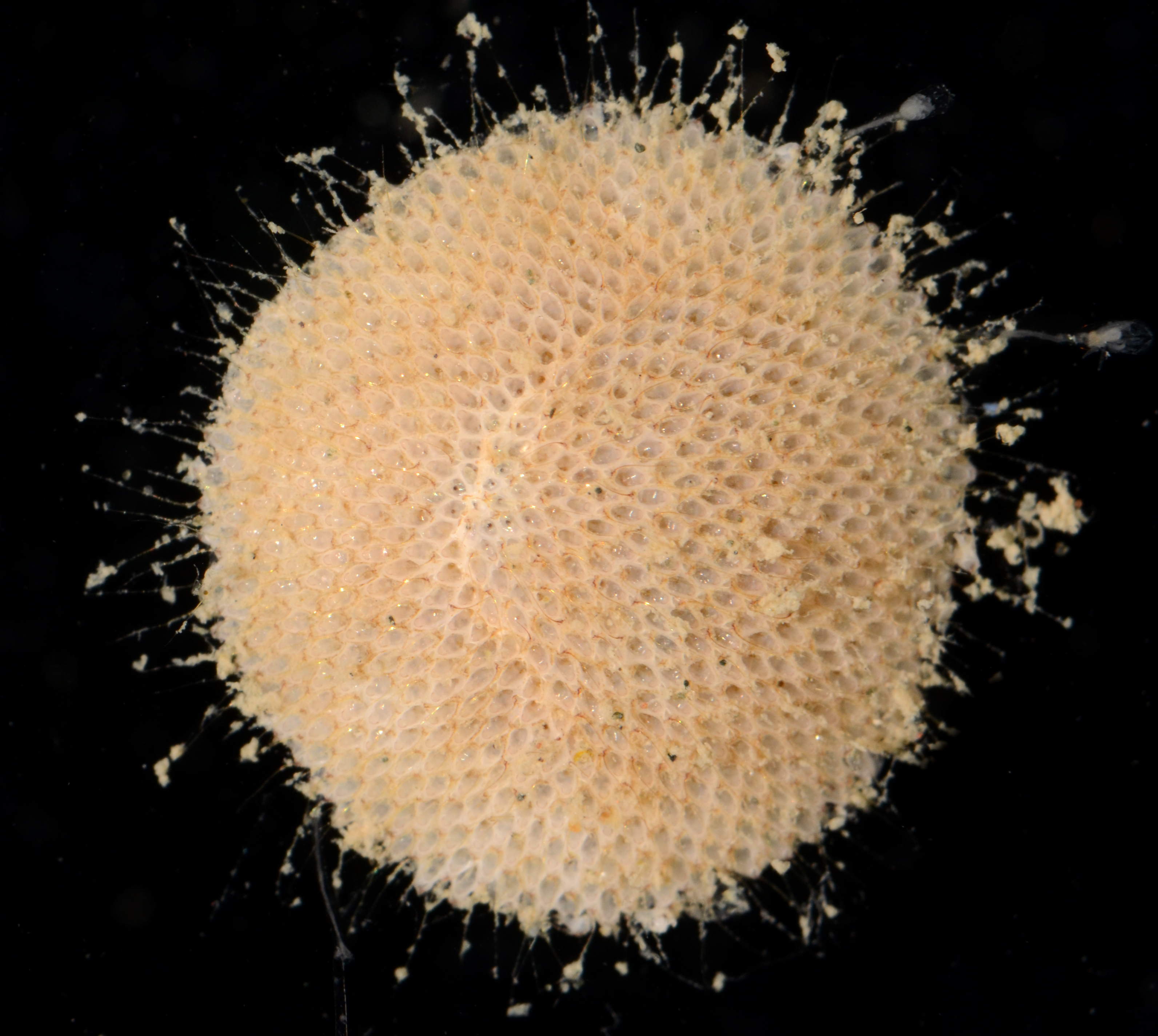
Cupuladria
Cupuladria is a genus of bryozoans in the suborder Flustrina.
Symethis
Symethis is a genus of crabs. It differs from other genera in the family Raninidae by the lack of ornamentation of the male first pleopods and by the reduced number of gills (7 pairs rather than 8 pairs), and is therefore placed in a separate subfamily, Symethinae.