Category
page 1Extant Piacenzian first appearances

American black bear
species of bear

Andean Condor
species of bird

Myocastor coypus
The nutria () or coypu () (Myocastor coypus) is an herbivorous, semiaquatic rodent from South America.
Classified for a long time as the only member of the family Myocastoridae, Myocastor has since been included within Echimyidae, the family of the spiny rats.
The nutria lives in burrows alongside stretches of water and feeds on river plant stems.

Blue Jay
species of bird

Brown Hyaena
species of mammal

Elaphurus davidianus
a large deer native to the river valleys of China

Microtus
Microtus is a genus of voles found in North America, Europe and northern Asia. The genus name refers to the small ears of these animals. They are stout rodents with short ears, legs and tails. They eat green vegetation such as grasses and sedges in summer, and grains, seeds, root and bark at other times. The genus is also called "meadow voles".
thumb|Microtus skulls (Bailey, 1900)
thumb|Microtus skull bases (Bailey, 1900)

kangaroo rat
genus of mammals

Old World flying squirrel
genus of mammals
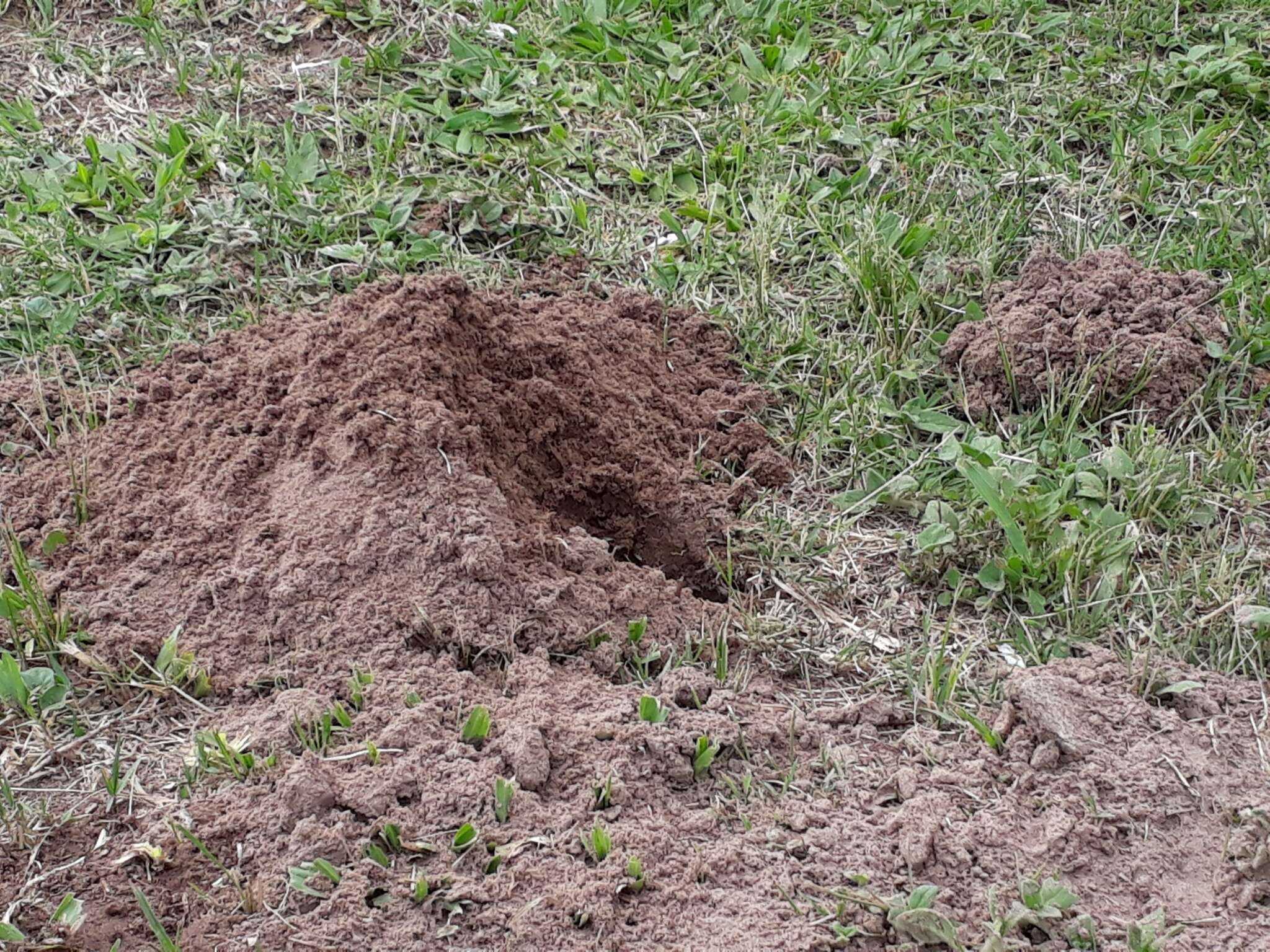
Ctenomys
A tuco-tuco is a neotropical rodent in the family Ctenomyidae. Tuco-tucos belong to the only living genus of the family Ctenomyidae, Ctenomys, but they include approximately 60 different species. The common name, "tuco-tuco", comes from the "tuc-tuc" sound they make while they dig their burrows.

condor
Condor is the common name for two genera of New World vultures, each with one extant species. The name derives from the Quechua kuntur. They are the largest flying land birds in the Western Hemisphere.

red-backed vole
Clethrionomys is a genus of small, slender voles. In recent years the genus name was changed to Myodes, however a 2019 paper found that Myodes was actually a junior synonym for Lemmus, thus making it unusable. As such, Clethrionomys is re-established as the proper genus name. At the same time, several species were moved to the genus Craseomys, so members of both genera are referred to as red-backed voles. This genus was described by Johannes von Nepomuk Franz Xaver Gistel under the pseudonym "G. Tilesius". Some authors cite the taxonomic authority as "Gistel, 1850", whereas others still use "T

Pardirallus
Pardirallus is a genus of bird in the family Rallidae. It contains three species native to marshland areas of Southern, Central America and the Caribbean, although fossil evidence indicates they once ranged north to what is now Idaho. They are 25–38 cm long and have a long greenish bill and reddish legs. The spotted rail is blackish-brown with white markings while the other two are brown above and dark grey below.