Category
page 1Extant Santonian first appearances

Esox
Esox is a genus of freshwater fish commonly known as pike or pickerel. It is the type genus of the family Esocidae. The type species of the genus is Esox lucius, the northern pike.

Characiformes
Characiformes is an order of ray-finned fish, comprising the characins and their allies. Grouped in 18 recognized families, more than 2000 different species are described, including the well-known piranha and tetras. Characins are most diverse in the Neotropics, where they are found in lakes and rivers throughout most of South and Central America. At least 209 species of characins are found in Africa, including the distichodontids, citharinids, alestids, and hepsetids. The rest of the characins originate in the Americas.

Amphisbaenia
Amphisbaenia (called amphisbaenians or worm lizards) is a group of typically legless lizards, comprising over 200 extant species. Amphisbaenians are characterized by their long bodies, the reduction or loss of the limbs, and rudimentary eyes. As many species have a pink body and scales arranged in rings, they have a superficial resemblance to earthworms. While the genus Bipes retains forelimbs, all other genera are limbless. Phylogenetic studies suggest that they are nested within Lacertoidea, closely related to the lizard family Lacertidae. Amphisbaenians are widely distributed, occurring in

Zeiformes
The Zeiformes are a small order of exclusively marine ray-finned fishes most notable for the dories, a group of common food fish. The order consists of about 33 species in six extant families, mostly deep-sea types. The boarfishes (Caproidae) have been previously included in this order though they are currently included in the Perciformes.
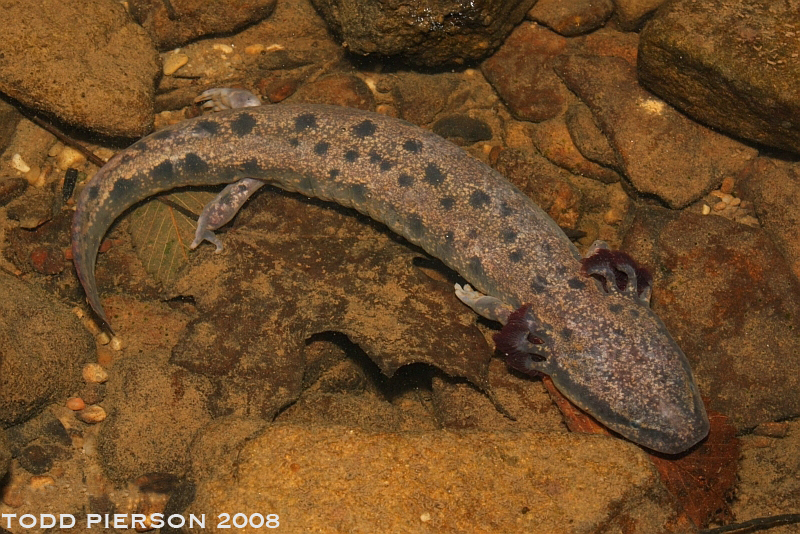
mudpuppy
The family Proteidae is a group of aquatic salamanders found today in the Balkan Peninsula and North America. The range of the genus Necturus (commonly known as waterdogs or mudpuppies) runs from southern central Canada, through the midwestern United States, east to North Carolina and south to Georgia and Mississippi. The range of the olm, the only extant member of the genus Proteus, is limited to the Western Balkans. The fossil record of the family extends back to the Late Cretaceous, with Paranecturus being known from the Maastrichtian of North America, and Bishara from the Santonian-Campani

Burmanniaceae
Burmanniaceae is a family of flowering plants, consisting of 99 species of herbaceous plants in eight genera.
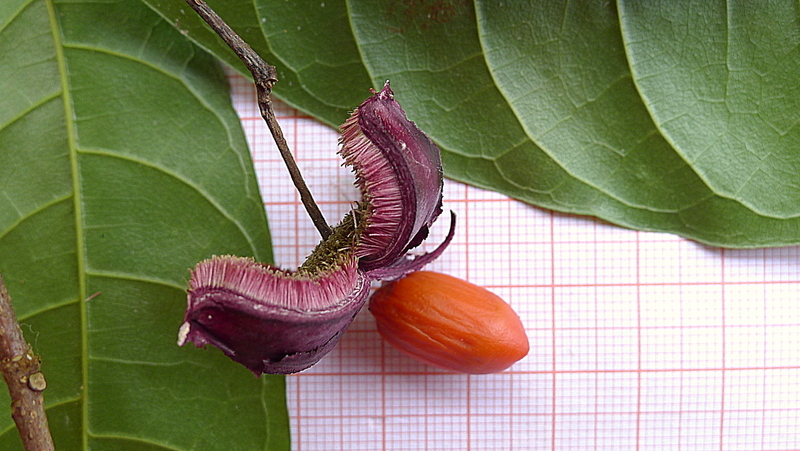
Elaeocarpaceae
Elaeocarpaceae is a family of flowering plants. The family contains approximately 615 species of trees and shrubs in 12 genera. The largest genera are Elaeocarpus, with about 350 species, and Sloanea, with about 120.
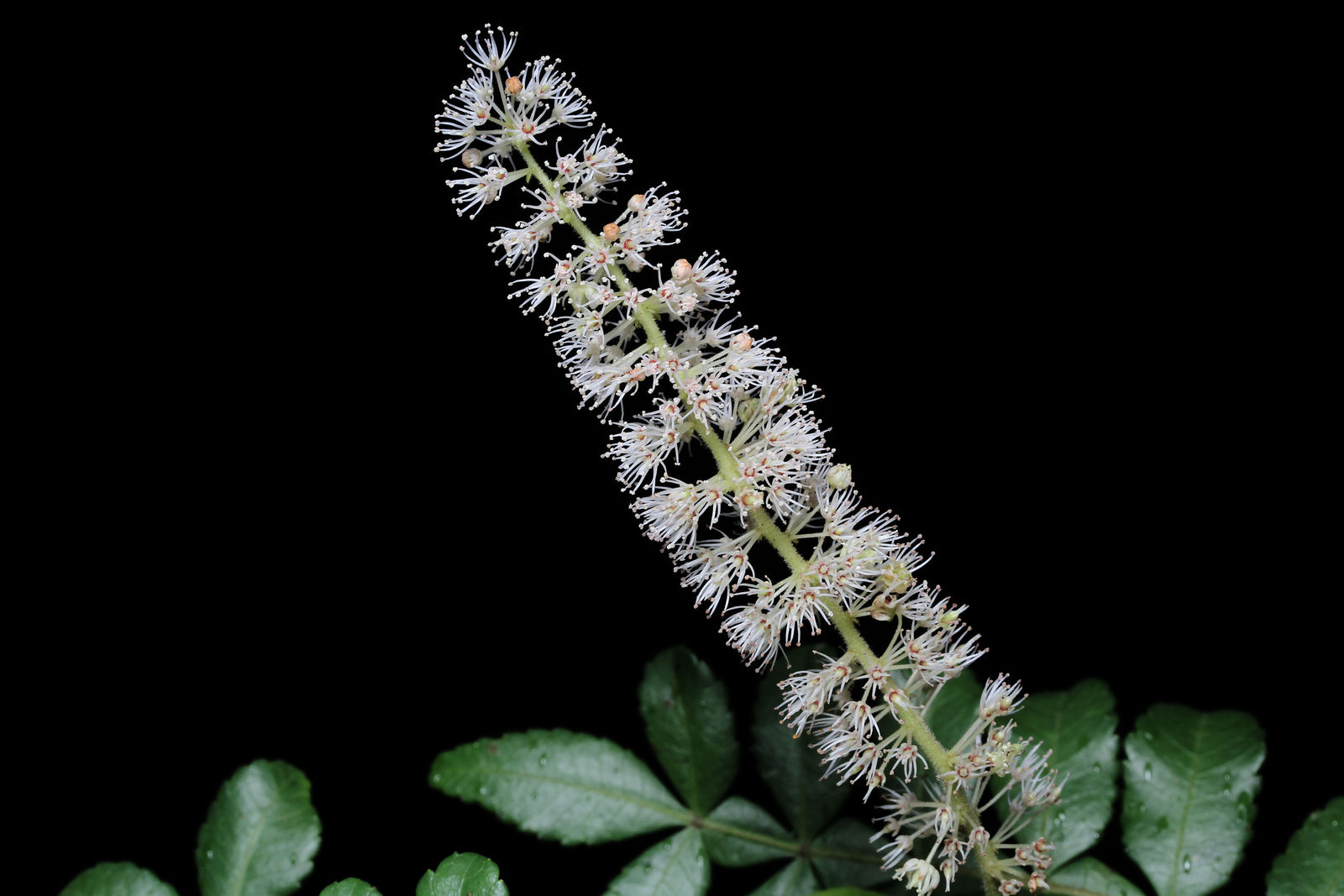
Cunoniaceae
Cunoniaceae is a family of 27 genera and about 335 species of woody plants in the order Oxalidales, mostly found in the tropical and wet temperate regions of the Southern Hemisphere. The greatest diversity of genera are in Australia and Tasmania (15 genera), New Guinea (9 genera), and New Caledonia (7 genera). The family is also present in Central America, South America, the Caribbean, Malesia, the islands of the South Pacific, Madagascar and surrounding islands. The family is absent from mainland Asia except from Peninsular Malaysia, and almost absent from mainland Africa apart from two speci

Dermochelyidae
Dermochelyidae is a family of sea turtles which has seven extinct genera and one extant genus, containing one living species, the leatherback sea turtle (Dermochelys coriacea). The oldest fossils of the group date to the Late Cretaceous.
Cirrina
Cirrina or Cirrata is a suborder and one of the two main divisions of octopuses. Cirrate octopuses have a small, internal shell and two fins on their head, while their sister suborder Incirrina has neither. The fins of cirrate octopods are associated with a unique cartilage-like shell in a shell sac. In cross-section, the fins have distinct proximal and distal regions, both of which are covered by a thin surface sheath of muscle.
Caenophidia
The Caenophidia are a derived clade of alethinophidian snakes, which contains over 80% of all the extant species of snakes. The largest family is Colubridae, but it also includes at least seven other families, at least four of which were once classified as "Colubridae" before molecular phylogenetics helped us understand their relationships. It has been found to be monophyletic.
Harriotta
Harriotta is a genus of cartilaginous fish in the family Rhinochimaeridae.

Acanthocardia
Acanthocardia is a genus of saltwater clams, marine bivalve molluscs in the family Cardiidae. They are infaunal suspension feeders.
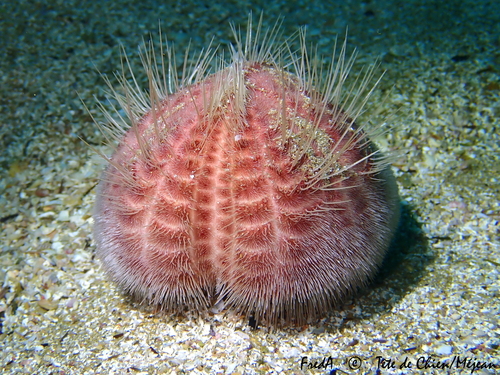
Spatangus
Spatangus is a genus of heart urchins in the Spatangidae family. The genus is synonymous with the previously recognised genera Prospatangus Lambert, 1902 and Spatagus. There are nine recognised species. The type species is Spatangus purpureus Müller, 1776 by subsequent designation (Rowe & Gates, 1995).