Category
page 1F-type subgiants

Procyon
Procyon () is the brightest star in the constellation of Canis Minor and usually the eighth-brightest star in the night sky, with an apparent visual magnitude of 0.34. It has the Bayer designation α Canis Minoris, which is Latinized to Alpha Canis Minoris, and abbreviated α CMi or Alpha CMi, respectively. As determined by the European Space Agency Hipparcos astrometry satellite, this system lies at a distance of just , and is therefore one of Earth's nearest stellar neighbors. A binary star system, Procyon consists of a white-hued main-sequence star of spectral type F5 IV–V, designated co
Sigma Octantis
star in the constellation Octans
Rotanev
binary star in the constellation of Delphinus
Delta Aquilae
star in the constellation Aquila
Alpha Hydri
star in the constrellation Hydrus
Zeta Herculis
multiple star system in the constellation Hercules
Xi Cephei
star in the constellation Cepheus
Psi Velorum
star in the constellation Vela
Eta Scorpii
star
Iota Ursae Majoris
star system in the constellation Ursa Major
Omega Andromedae
binary star system in the constellation Andromeda
Xi Geminorum
star
Iota Virginis
star
38 Boötis
star in the constellation Boötes
Theta Ursae Majoris
star system in the constellation Ursa Major
Beta Caeli
star in the constellation Caelum
Tau Cygni
variable star in the constellation Cygnus

WASP-18
WASP-18 is a magnitude 9 star located away in the Phoenix constellation of the Southern Hemisphere. It has a mass of 1.29 solar masses.
Zeta Aquarii
star system in constellation of Aquarius
15 Orionis
star system in the constellation Orion,
10 Tauri
star in the constellation Taurus
Psi Draconis
Star in the constellation Draco

Kepler-5
Kepler-5 is a star located in the constellation Cygnus in the field of view of the Kepler Mission, a NASA project aimed at detecting planets in transit of, or passing in front of, their host stars as seen from Earth. One closely-orbiting, Jupiter-like planet, named Kepler-5b, has been detected around Kepler-5. Kepler-5's planet was one of the first five planets to be discovered by the Kepler spacecraft; its discovery was announced on January 4, 2010 at the 215th meeting of the American Astronomical Society after being verified by a variety of observatories. Kepler-5 is larger and more massive
Upsilon Ursae Majoris
star in the constellation Ursa Major
Rho Andromedae
star in the constellation Andromeda
Omicron Geminorum
star in the constellation Gemini
Delta Serpentis
star in the constellation Serpens
p Velorum
star
Beta Leonis Minoris
star in the constellation Leo Minor
Kappa Pegasi
star in the constellation Pegasus
Epsilon Cephei
star in the constellation Cepheus
HD 16175
star in the constellation Andromeda
Rho Capricorni
binary star system in the constellation Capricornus
Iota Leonis
Star in the constellation Leo
Upsilon Pegasi
star
PDS 110
star
12 Boötis
binary star system in the constellation Boötes

Iota Trianguli Australis
variable star in the constellation Triangulum Australe
VV Corvi
binary star in the constellation Corvus
19 Aquilae
star in the constellation Aquila
HD 89744
star
HD 60532
star
10 Arietis
binary star in the constellation Aries
Nu1 Lupi
star in the constellation Lupus
GRO J1655-40
binary star

14 Comae Berenices
star in the constellation Coma Berenices
Kappa Tucanae
quadruple star system in the constellation Tucana
23 Andromedae
star in the constellation Andromeda
Nu Caeli
star in the constellation Caelum
1 Geminorum
star in the constellation Gemini
QQ Telescopii
star in the constellation Telescopium
Tau6 Eridani
star in the constellation Eridanus
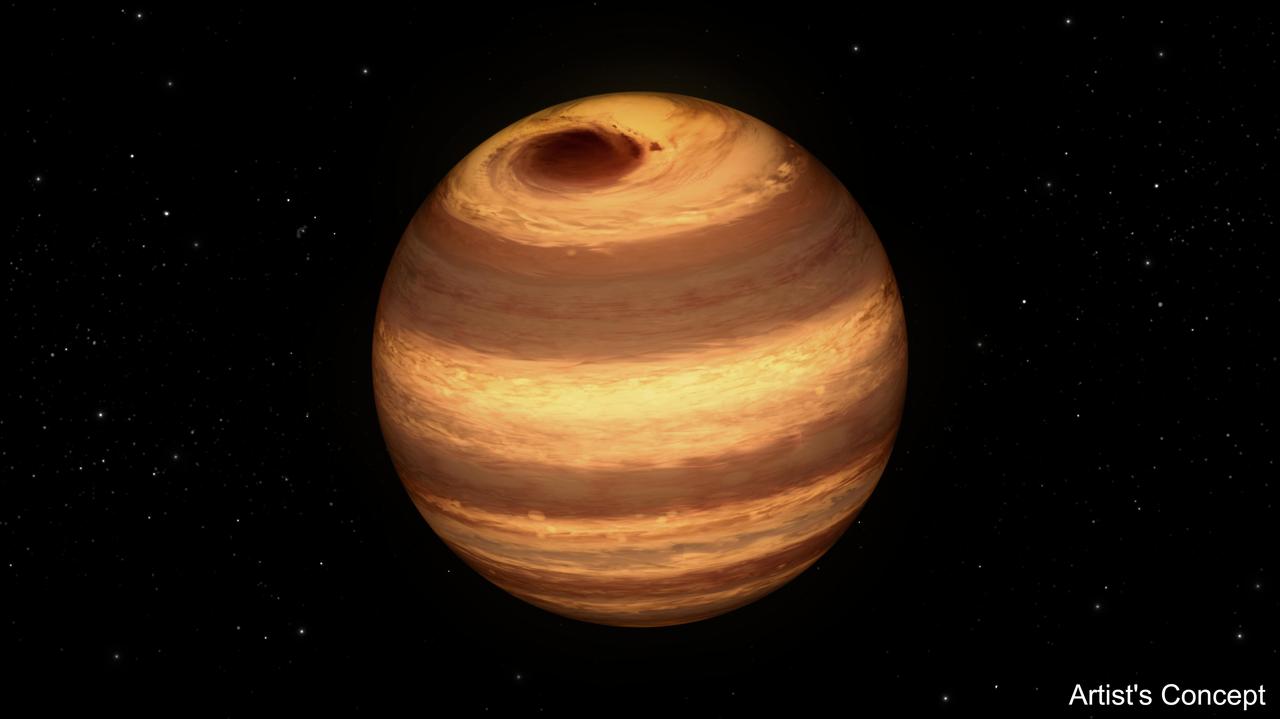
Kepler-40
Kepler-40, formerly known as KOI-428, is an F-type star in the constellation Cygnus. Kepler-40 is known to host at least one planet, Kepler-40b. The star is approximately 1.5 times more massive than the Sun, and is over two times its size; it was, at upon its discovery, the largest yet discovered with a transiting planet in its orbit. Kepler-40 was first noted as home to a possible transiting object by the Kepler spacecraft; the data on the system was released to the public. A team of French and Swiss scientists used follow-up data to determine the existence of the Hot Jupiter planet Kepler-40
V701 Coronae Australis
star in the constellation Corona Australis
Kappa Reticuli
star system in the constellation Reticulum
BH Canum Venaticorum
binary star system in the constellation Canes Venatici
HD 15115
star in the constellation Cetus
HD 23596
star in the constellation Perseus
Omicron2 Cancri
star in the constellation Cancer
11 Aquilae
star in the constellation Aquila