Category
page 1Festivals in India

Diwali
Dipavali (IAST: ), commonly known as Diwali (), is the Hindu festival of lights, with variations celebrated in other Indian religions such as Jainism and Sikhism. It symbolises the spiritual victory of Dharma over Adharma, light over darkness, good over evil, and knowledge over ignorance. Diwali is celebrated during the Hindu lunisolar months of Ashvin (according to the amanta tradition) and Kārtika – between around mid-October and mid-November. The celebrations generally last five or six days.

Mawlid
The Mawlid () is an annual festival commemorating the birthday of the Islamic prophet Muhammad on the traditional date of 12 Rabi' al-Awwal, the third month of the Islamic calendar.

Navaratri
thumb|Durga Puja pandal
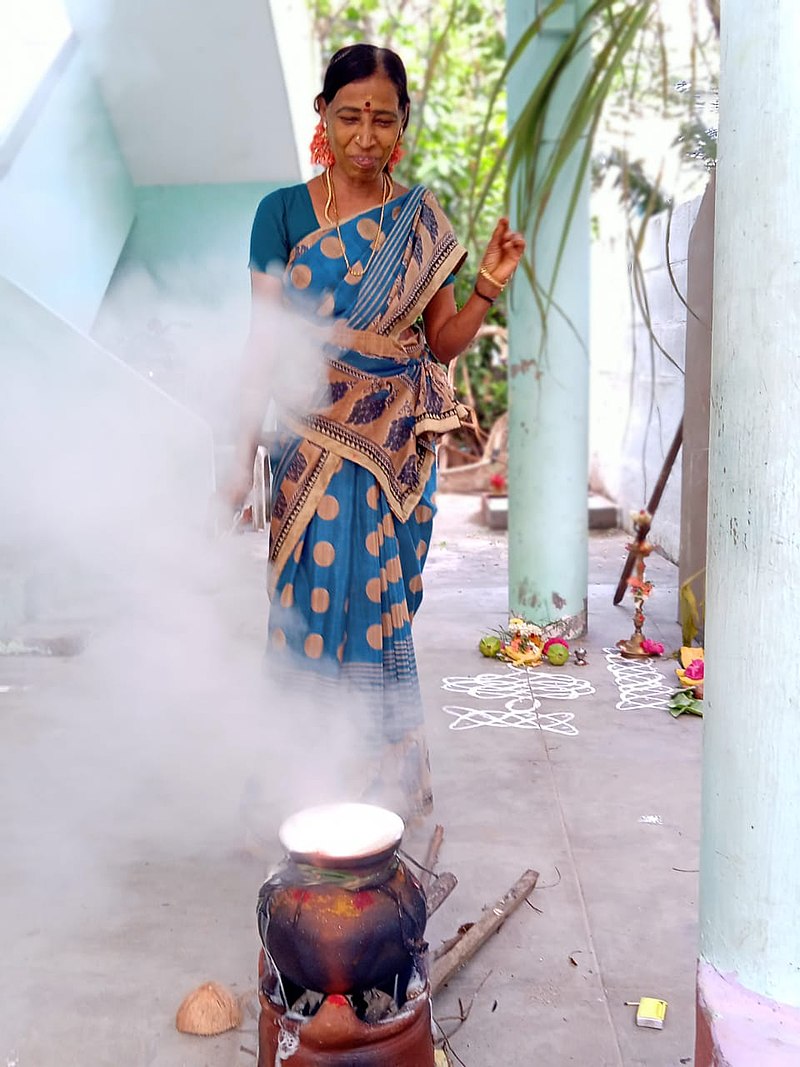
Pongal
multi-day annual harvest Tamils festival in South India and Sri Lanka various region
Pohela Boishakh
New Year festival of the Bengali people (mid April)
Guru Purnima
Spiritual tradition
Hanuman Jayanti
Birthday of Lord Hanuman
public holidays in India
Wikimedia list article
%20Tamil%20New%20Year.jpg)
Puthandu
Puthandu (), also known as Tamil New Year (), is the first day of year on the Tamil calendar that is traditionally celebrated as a festival by Tamils. The festival date is set with the solar cycle of the solar Hindu calendar, as the first day of the month of Chittirai. It falls on or about 14 April every year on the Gregorian calendar. The same day is observed elsewhere in South and South East Asia as the traditional new year, but it is known by other names such as Vishu in Kerala, Bisu Parba in Tulunadu, and Vaisakhi or Baisakhi in central and northern India.
National Youth Day
public holiday in West Bengal, India commemorating the birth of Swami Vivekananda
Van Mahotsav
Annual tree planting movement in India
Chaand Raat
eve of Eid ul-Fitr
Govardhan Puja
Hindu festival occurring on the first lunar day of the Shukla Paksha (bright fortnight) in the month of Kartik, the day after Diwali
Mesha Sankranti
Solar New Year in the Hindu calendar
Bohag Bihu
festival celebrated in Assam
Alta
red dye to adorn hands and feet especially of women for weddings and festivals in the Indian subcontinent

Pandal
A pandal is a fabricated structure, either temporary or permanent, that is used at many places such as either outside a building or in an open area such as along a public road or in front of a house in India and other neighbouring countries. This canopy or big tent is often used in a religious or other events that gathers people together, such as a wedding, fair, exhibition or festival.
thumb|250px
Sohrai
Sohrai is a harvest festival celebrated in the Indian states of Jharkhand, West Bengal, Chhattisgarh, Odisha, and Bihar. It is also called the cattle festival. The festival is observed after the harvest and coincides with Govardhan Puja during Diwali. In Santal Parganas, it is celebrated in the month of January. It is observed by the Santal, Bhumij, Sadan, Oraon, Ho and Munda communities, among others.

Teeyan
Teeyan (), also known as Teeyan Da Teohar (trans: the festival of women) or Teej, is a festival celebrated throughout Punjab which is dedicated to the onset of the monsoon and focuses on daughters sisters, and mothers.
Sanjhi
thumb|right|Sanjhi mata
Sankashti Chaturthi
an auspicious day dedicated to Ganesha
Parinirvana Day
event to be held on the day of Buddha's death
Shiv Jayanti
birthday of Shivaji, a festival and public holiday of Maharashtra, India
Descending Day of Lord Buddha
Buddhist festival, public holiday in Bhutan and the Indian state of Sikkim
Baha parab
spring festival celebrated in India
Mela
200px|thumb|right|A procession of Akharas marching .....over a temporary bridge over the [[Ganges river, Kumbh Mela at Allahabad, 2001]]
Vasanta
Name of Indian season.
Pravāraṇā
thumb|Buddhists fly lanterns during the Pavāraṇā ceremony in Bandarban, Bangladesh
Sarhul
Sarhul is a spring festival celebrated in the Indian state of Jharkhand, marking the commencement of the new year. The festival lasts for three days, from the third day of the Chaitra month in Shukla Paksha to Chaitra Purnima. During the festival, the village priest, known as the Pahan offers a sacrifice of flowers, fruits, vermilion, a rooster, and tapan (liquor) in the Sarna to the Sun, the village deity, and the ancestors for the prosperity of the village. After the rituals, locals dance while holding Sal flowers.
thumb|270x270px|People worshiping under the sacred Sarna tree on the occasion
Pola
agricultural festival of Maharashtra
Utsava
thumb|260x260px|Hindu procession during an utsava
Utsava (), also referred to as Utsavam, generally means a festival or celebration or any joyous occasion, mostly associated with Hinduism. It also carries the meaning of delight, merriment and pleasure. The Sanskrit word utsava comes from the word "ut" meaning "removal" and "sava" which means "worldly sorrows" or "grief". According to Hindu tradition, utsava are specific to festivals associated with temples.
Bizhu
The Bizu festival is celebrated by the Chakma people in Bangladesh and India, as the traditional New Year's Day which falls around 12–14 April.
Badna
Bandna (spelt as Bāndnā, Hindi: बांदना) is an agriculture-oriented festival in which domestic cattle and agriculture appliances are worshiped. The festival mostly observed in the state of Jharkhand, West Bengal, Odisha and Assam, and celebrated annually as per Hindu calendar in the month of Amavashya of Kartik.
Tungabhadra Pushkaralu
hindu river festival in India
Kaanum Pongal
South Indian festival part of Pongal

Kabir Jayanti
Indian religious festival
Dadri Mela
Annual fair in Ballia, Uttar Pradesh, India