Category
page 1Film genres

satire

documentary film
nonfictional motion picture

silent film
film with no synchronized recorded dialogue

pornographic film
film genre that represents sexually explicit visual material primarily in order to titillate the viewer

horror film
film genre

black comedy
comic work that employs black humor or gallows humor

action film
film genre

cartoon
thumb|John Leech (caricaturist)|John Leech, Substance and Shadow (1843), published as Cartoon, No. 1 in Punch, the first use of the word cartoon to refer to a satirical drawing

magic realism
style of literary fiction and art

comedy film
genre of film in which the main emphasis is on humour

music video
video featuring a performance of a song
drama film
film genre

adventure film
film genre

biographical film
film genre; dramatizes the life of an actual person or people

film genre
classification of films based on similarities in narrative elements

Western
multimedia genre of stories set primarily in the American Old West

romantic comedy
genre of dramatic works (such as plays, films, and television series)

film noir
film genre/style usually deployed in mystery and police procedural detective crime films

cult film
film that has acquired a cult following

romance film
film genre

independent film
film production mostly or completely done outside of the major film studio system

bildungsroman
In literary criticism, a Bildungsroman () is a literary genre that focuses on the psychological and moral growth and change of the protagonist from childhood to adulthood (coming of age). The term comes from the German words ('formation' or 'education') and ('novel').
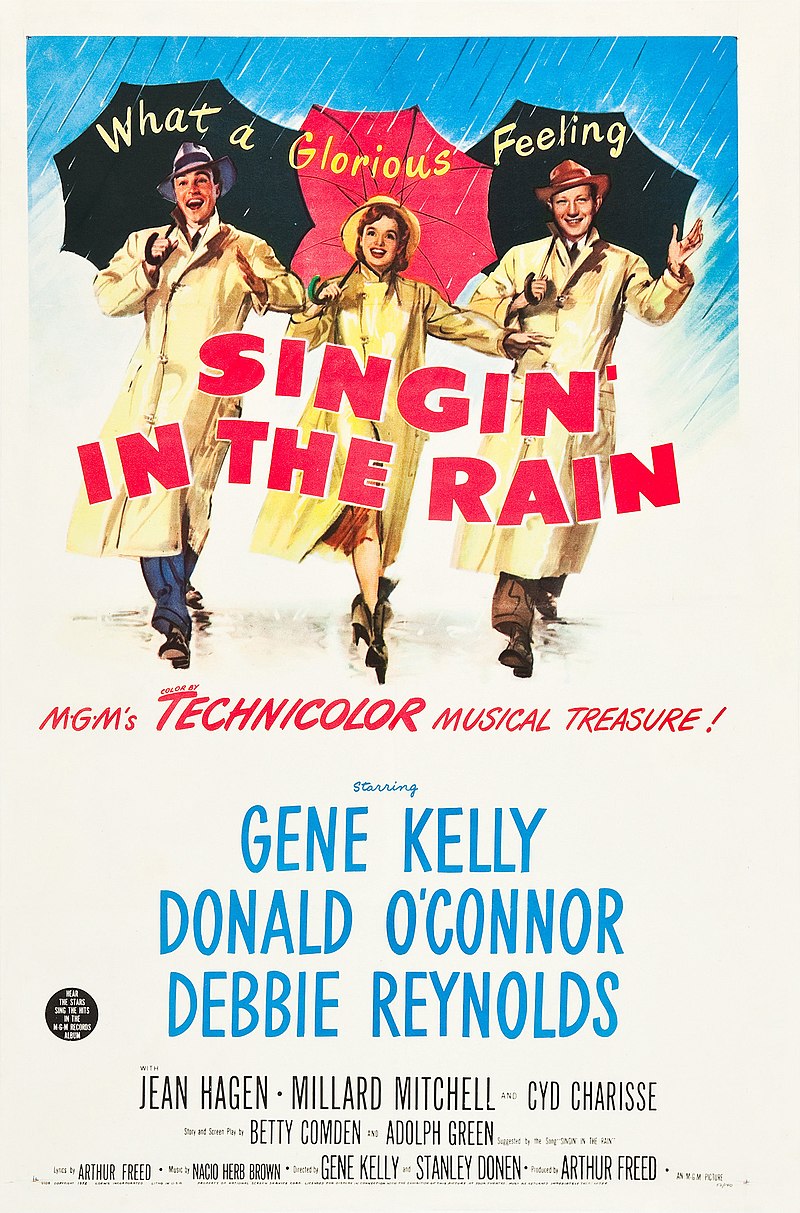
musical film
film genre

science fiction film
film genre

war film
film genre depicting wars

crime film
film genre
Spaghetti Western
film genre

detective fiction
subgenre of crime fiction and mystery fiction in which an investigator or a detective investigates a crime

fantasy film
film genre
comedy drama
genre of theatre, film, and television

superhero film
film genre

B movie
film genre
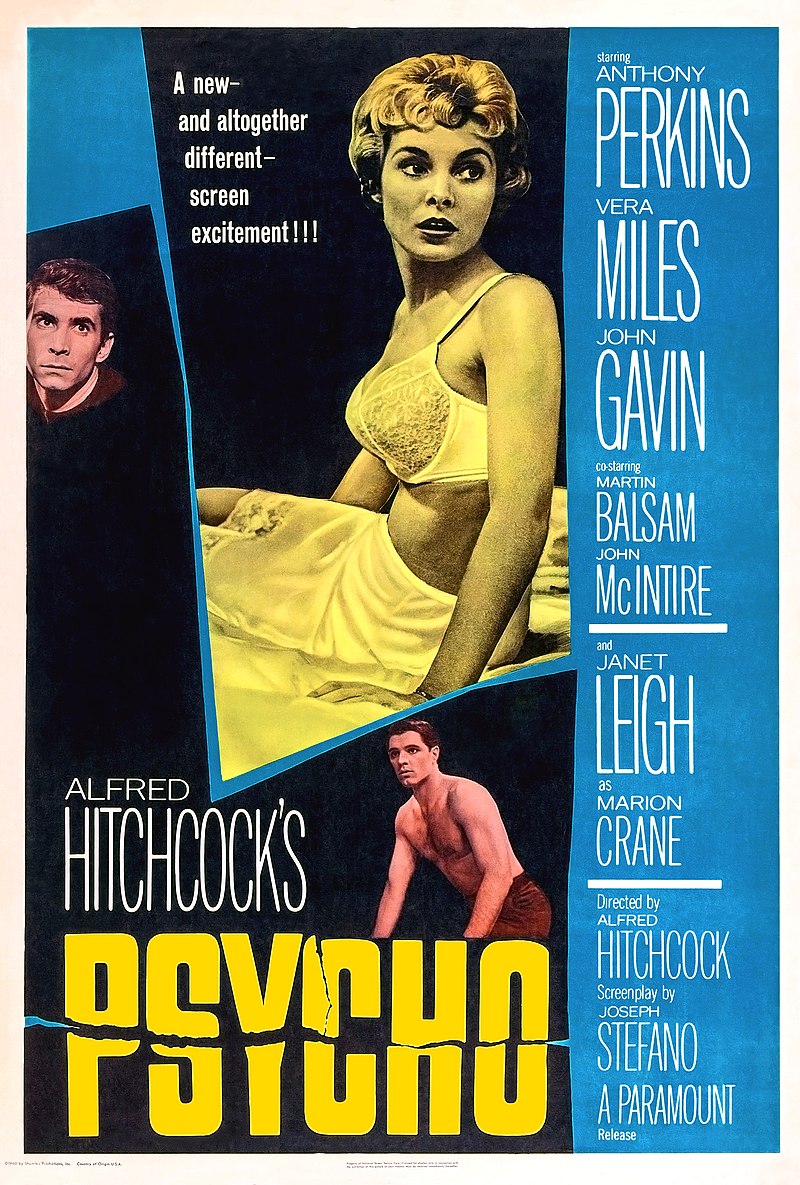
slasher film
subgenre of horror films involving a violent psychopath stalking and murdering a group of people, usually by use of bladed tools
%2003.jpg)
slapstick
thumb|A slapstick scene from the 1915 Charlie Chaplin film [[His New Job. Chaplin started his film career as a physical comedian, and his later work continued to contain elements of slapstick.]]
Slapstick is a style of humor involving exaggerated physical activity that exceeds the boundaries of normal physical comedy, which may involve both intentional violence and violence by mishap, often resulting from physical abuse and/or inept use of props.
%20-%20Lobby%20Card.jpg)
neo-noir
thumb|upright=1.1|Lobby card for David Lynch's Blue Velvet (1986), an example of neo-noir.
Neo-noir is a film genre from the 1970s, in the era of New Hollywood, which is primarily associated with the subversion and visual style of classic film noir tropes, adapting the themes of 1940s and 1950s American film noir for contemporary audiences, often with vibrant colors and high-contrast, more graphic depictions of violence or sexuality, thematic motifs, and nonlinear narrative or editing.
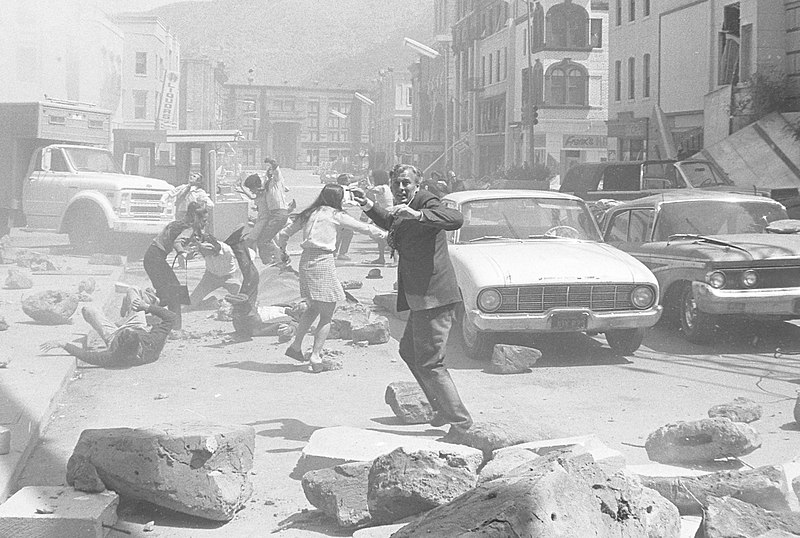
disaster film
film genre
post-apocalyptic fiction
genre of fiction

epic film
film genre with large scale, sweeping scope, and spectacle
art film
film genre

thriller film
film genre that evokes excitement and suspense in the audience

historical drama
drama fiction work of art set in, or reminiscent of, an earlier time period
mockumentary
A mockumentary (a portmanteau of mock and documentary) is a type of film or television programme depicting fictional events, but presented as a documentary. Mockumentaries are often used to analyse or comment on current events and issues in a satirical way by using a fictional setting, or to parody the documentary form itself. One of the most well known examples of the modern time is The Office. The term originated in the 1960s but was popularised in the mid-1990s when This Is Spinal Tap director Rob Reiner used it in interviews to describe that film.
exploitation film
film that exploits current trends, niche genres, or lurid content
road movie
film genre in which the main characters leave home on a road trip

wuxia
'''''' ( , ) is a genre of Chinese fiction and low fantasy concerning the adventures of martial artists in ancient China. Although is traditionally a form of historical fantasy literature, its popularity has caused it to be adapted for such diverse art forms as Chinese opera, manhua, television dramas, films, donghua, and video games. It forms part of popular culture in many Chinese-speaking communities around the world. Although they are commonly described as a subgenre of martial arts movies, according to Hong Kong film director, producer, and movie writer Ronny Yu, wuxia movies are not to b
Western film
genre of films set primarily in the 19th century American West

kaiju
Kaiju (from , ), or giant movie monster, are terms used in film and media for monsters, and the like, of enormous size, mainly belonging to a designated genre, known as kaiju movies, or giant monster movies, where they are usually depicted attacking major cities, and battling either the military or other creatures, mixing creature features with the disaster film genre, but also often involving science fiction. Examples include famous movie monsters like King Kong, Godzilla and Gamera, cult classics like The Beast from 20,000 Fathoms, It Came from Beneath the Sea, Them!
%20poster.jpg)
sword-and-sandal film
thumb|This poster for Goliath and the Barbarians (1959) by [[Carlo Campogalliani illustrates many people's expectations from films of this genre.]]
Sword-and-sandal, also known as peplum (: pepla), is a subgenre of largely Italian-made historical, mythological, or biblical epic films mostly set in the Greco-Roman antiquity or the Middle Ages. These films attempted to emulate the big-budget Hollywood historical epics of the time, such as Samson and Delilah (1949), Quo Vadis (1951), The Robe (1953), The Ten Commandments (1956), Ben-Hur (1959), Spartacus (1960), and Cleopatra (1963). These films
sport film
film genre
spy film
film genre
docudrama
Docudrama (or documentary drama) is a genre of television and film which features dramatized re-enactments of actual events. It is described as a hybrid of documentary and drama and "a fact-based representation of real event".
fiction film
film that tells a fictional or fictionalized story, event or narrative
historical fiction
story that is set in the past; film and literary genre
screwball comedy film
principally American genre of comedy film
mystery film
sub-genre of the more general category of crime film and at times the thriller genre
psychological thriller
specific sub-genre of the broad-ranged thriller
experimental film
cinematic works that are experimental form or content
martial arts film
subgenre of action films
coming-of-age fiction
genre of literature, film, and video that focuses on the growth of a protagonist from youth to adulthood
buddy film
film genre in which two people of the same sex (historically men) are non-romantically paired, with a contrast in personality, sometimes accentuated by an ethnic difference between the two