Category
page 1Films directed by Ousmane Sembène
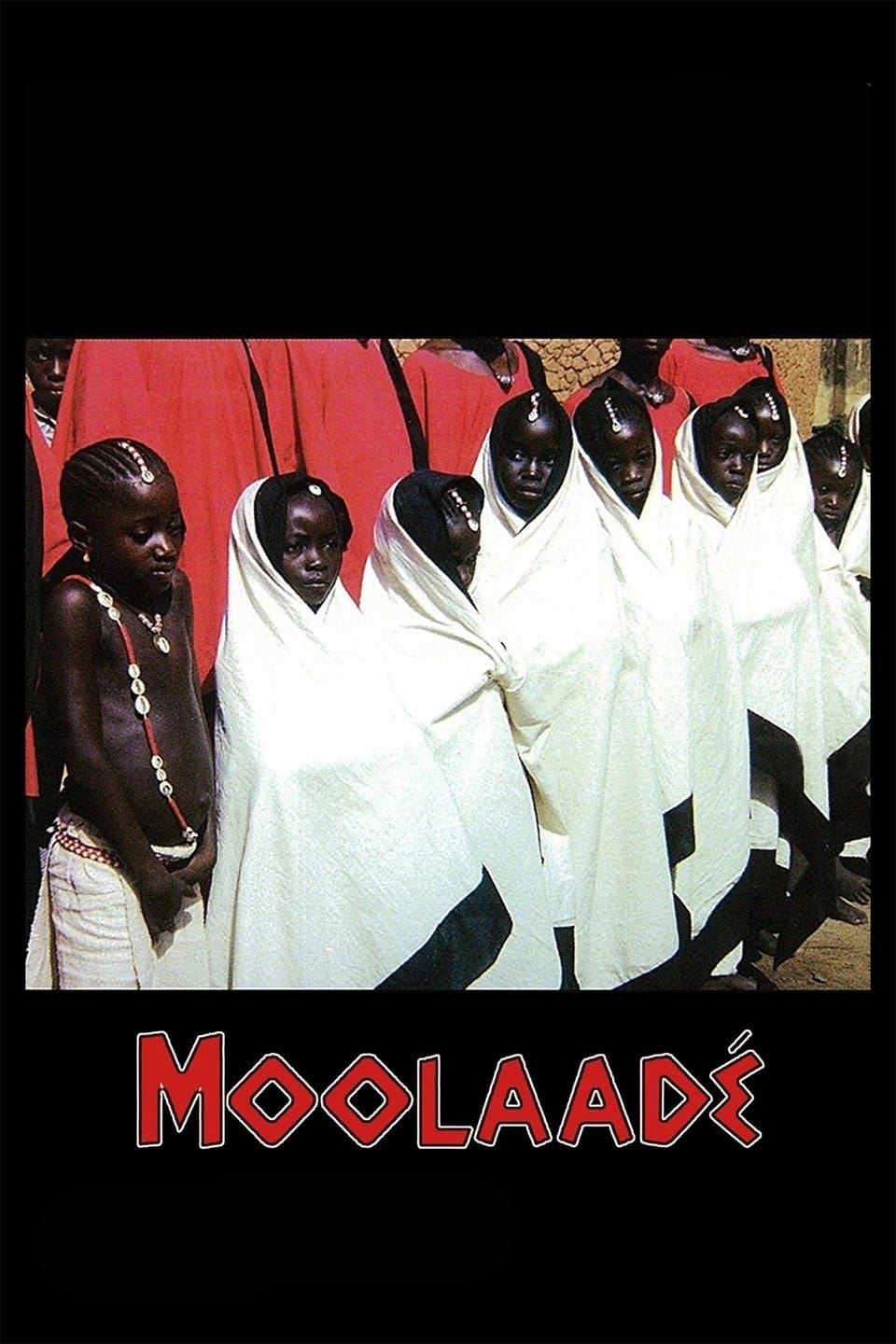
Moolaadé
Moolaadé ("magical protection") is a 2004 film by the Senegalese writer and director Ousmane Sembène. It addresses the subject of female genital mutilation, a common practice in a number of African countries, from Egypt to Nigeria. The film was a co-production between companies from several Francophone nations: Senegal, France, Burkina Faso, Cameroon, Morocco, and Tunisia. It was filmed in the remote village of Djerrisso, Burkina Faso. The film argues strongly against the practice, depicting a village woman, Collé, who uses moolaadé (magical protection) to protect her daughter and a group of y
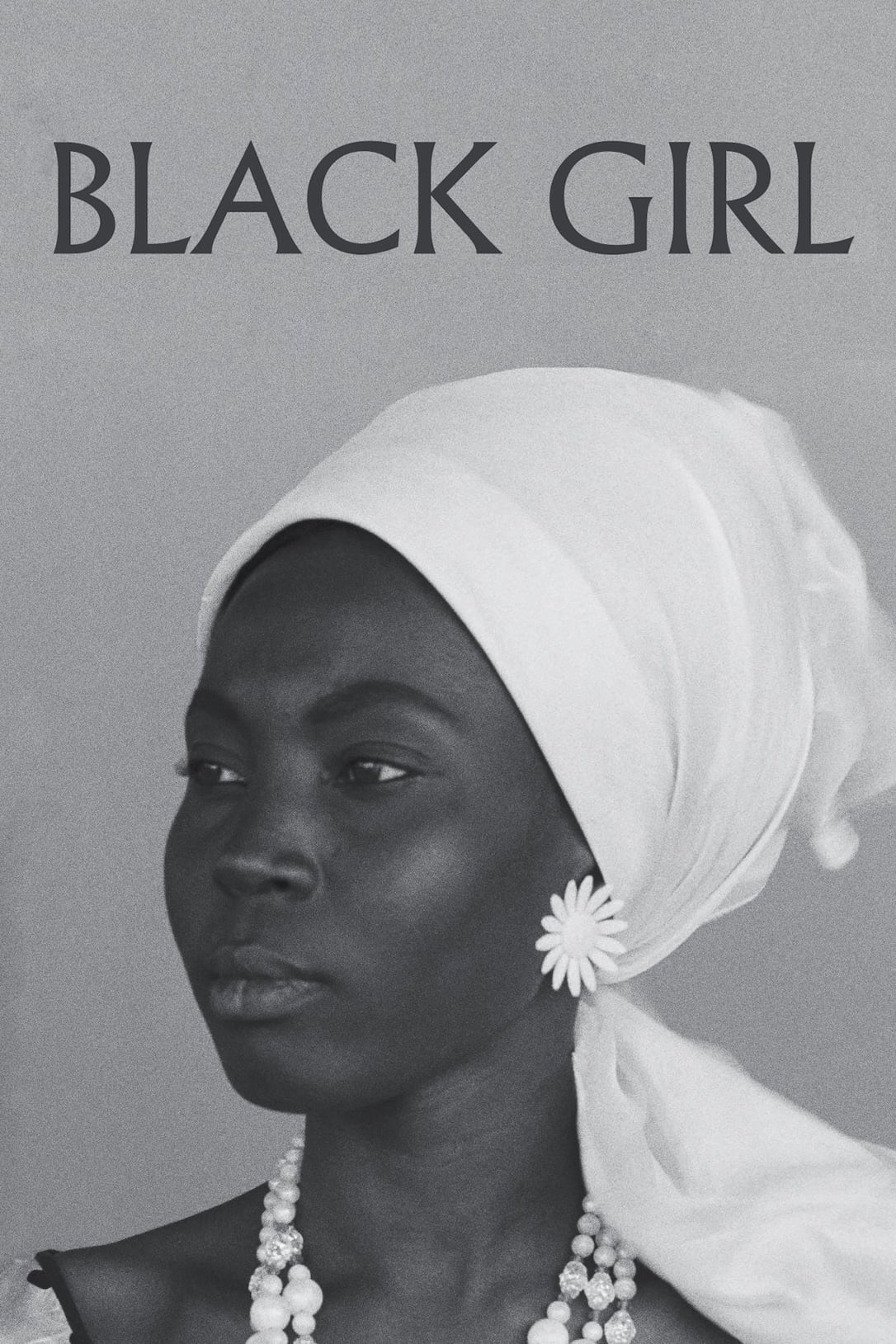
Black Girl
1966 film directed by Ousmane Sembène

Ceddo
1977 Sengalese drama film

Xala
Xala (, Wolof for "temporary sexual impotence") is a 1975 Senegalese satirical comedy film written and directed by Ousmane Sembène, an adaptation of Sembène's 1973 novel of the same name. It stars Thierno Leye, Seune Samb, Douta Seck, Younousse Sèye, Fatim Diagne, and Myriam Niang.

Emitaï
Emitaï (, name of a Diola deity) is a 1971 Senegalese drama film directed by Ousmane Sembène.

Mandabi
Mandabi (French: Le Mandat, "The Money Order") is a 1968 film written and directed by Senegalese filmmaker Ousmane Sembène. The film is based on Sembène's francophone novel The Money-Order and it is the first feature film in the Wolof language, Sembène's native tongue, and the first feature-length film in an African language. Since most of the Senegalese population at the time did not understand French, Sembène wanted to create cinema for Wolof speakers.

Borom Sarret
1962/1963 film by Ousmane Sembène

Camp de Thiaroye
1987 film by Ousmane Sembène
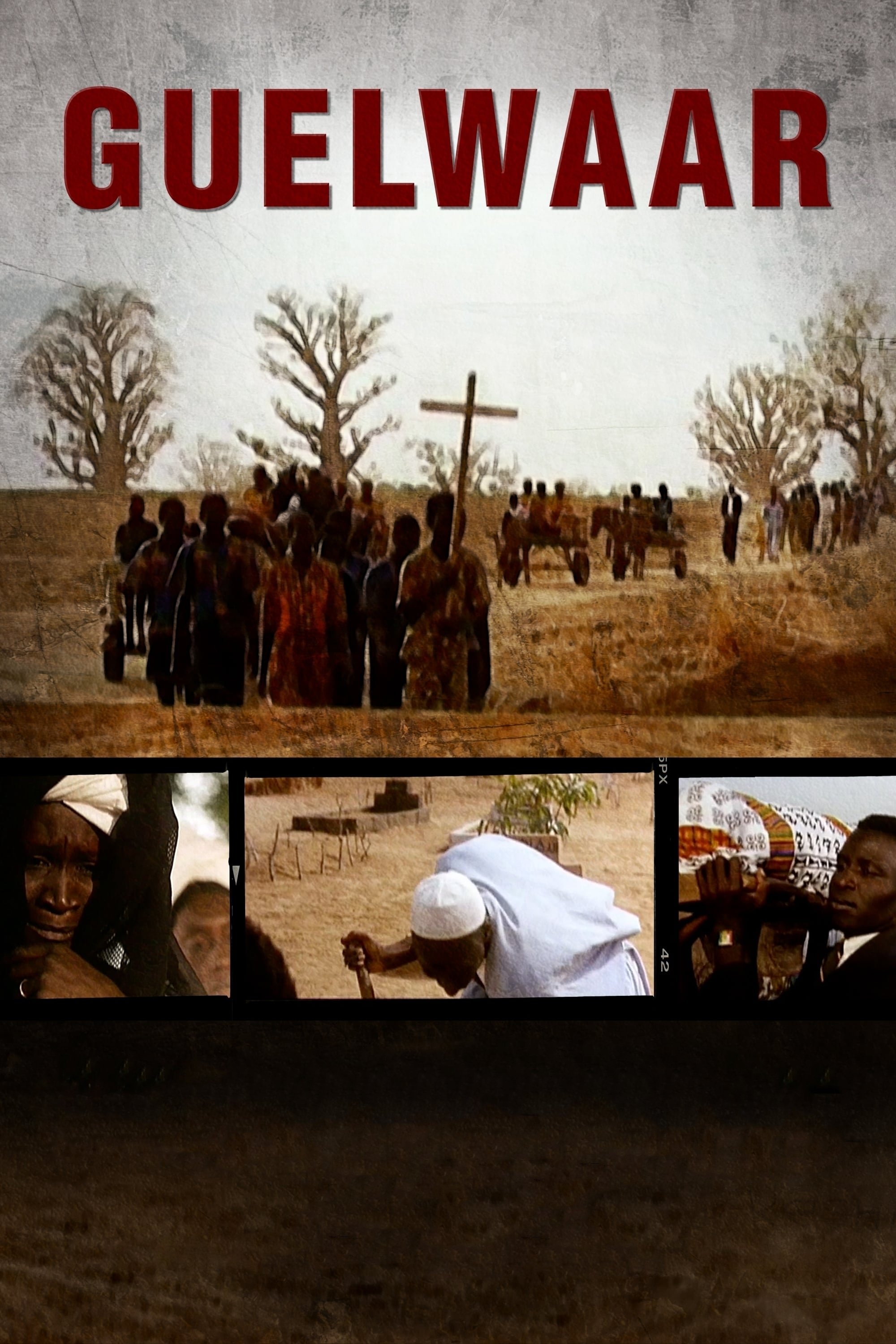
Guelwaar
Guelwaar is a 1993 French-Senegalese drama film written and directed by Ousmane Sembène. The name is borrowed from the Serer pre-colonial dynasty of Guelowar. The film won The President of the Italian Senate's Gold Medal at the 49th Venice International Film Festival.

Faat Kiné
2000 film by Ousmane Sembène