Category
page 1Fire prevention

wildfire
thumb|upright=1.35|Wildfire burning in the Kaibab National Forest, [[Arizona, United States, in 2020. The Mangum Fire burned more than of forest.]]
A wildfire, forest fire, or a bushfire is an unplanned and uncontrolled fire in an area of combustible vegetation. Some natural forest ecosystems depend on wildfire. Modern forest management often engages in prescribed burns to mitigate fire risk and promote natural forest cycles. However, controlled burns can turn into wildfires by mistake.
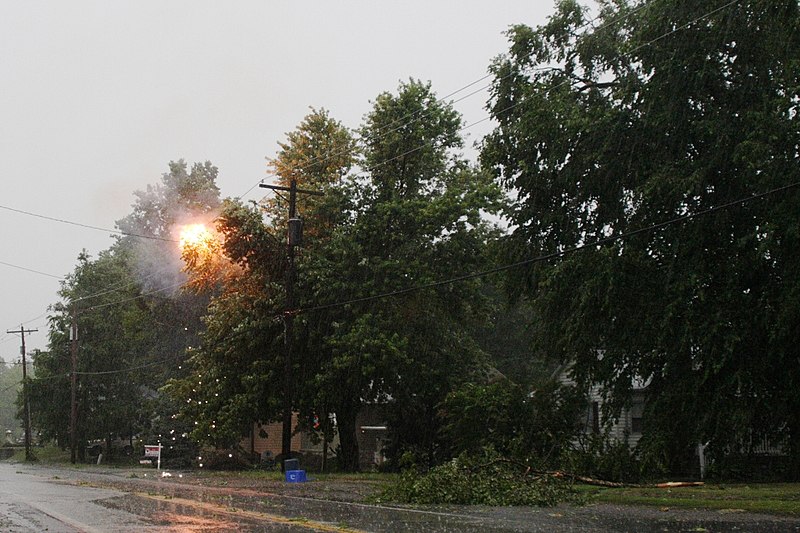
short circuit
electrical circuit in which current can flow with very low or no impedance
flammability
ability to easily ignite in air at ambient temperatures
fire safety
precautionary measures to prevent or reduce the likelihood and destruction of a fire
Smokey Bear
U.S. Forest Service mascot used to raise awareness about wildfires
carbon monoxide detector
electronic detector that measures carbon monoxide (CO)
smouldering
thumb|250px|Smouldering combustion in glowing embers of barbecue coal briquettes
Smouldering (British English) or smoldering (American English; see spelling differences) is the slow, flameless form of combustion, sustained by the heat evolved when oxygen directly attacks the surface of a condensed-phase fuel. Many solid materials can sustain a smouldering reaction, including coal, cellulose, wood, cotton, tobacco, cannabis, peat, plant litter, humus, synthetic foams, charring polymers including polyurethane foam and some types of dust. Common examples of smouldering phenomena are the initiatio
flame arrester
a device meant to stop the burning of a fuel
electrical code
set of regulations for the design and installation of electrical building wiring
fire prevention
any type of measures taken to prevent fires e.g. by fire departments or regulators
Turkey wildfire season
fire lookout
person responsible for spotting fires from a fire lookout tower
James Braidwood
British firefighter (1800–1861)