Category
page 1Fire protection

pyrolysis
thumb|Burning pieces of wood, showing various stages of pyrolysis, followed by oxidative combustion
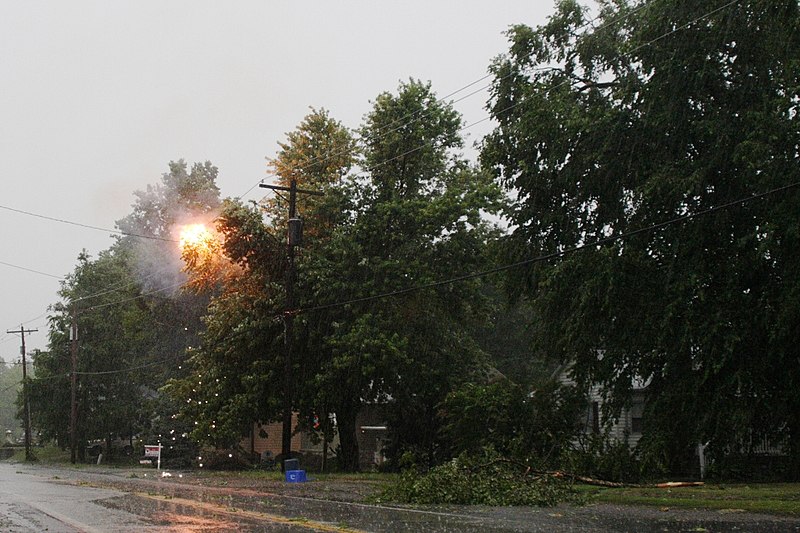
short circuit
electrical circuit in which current can flow with very low or no impedance
flammability
ability to easily ignite in air at ambient temperatures
fire protection
any measure to prevent or limit damage from fire

backdraft
A backdraft (North American English), backdraught (British English) or smoke explosion is the abrupt burning of superheated gases in a fire caused when oxygen rapidly enters a hot, oxygen-depleted environment; for example, when a window or door to an enclosed space is opened or broken. Backdrafts are typically seen as a blast of smoke and/or flame out of an opening of a building. Backdrafts present a serious threat to firefighters. There is some debate concerning whether backdrafts should be considered a type of flashover.
fire safety
precautionary measures to prevent or reduce the likelihood and destruction of a fire

flashover
thumb|Simulation of a flashover event in a controlled environment
A flashover is the near-simultaneous ignition of most of the directly exposed combustible material in an enclosed area. When certain organic materials are heated, they undergo thermal decomposition and release flammable gases. Flashover occurs when the majority of the exposed surfaces in a space are heated to their autoignition temperature and emit flammable gases (see also flash point). Flashover normally occurs at between and for ordinary combustibles and an incident heat flux at floor level of .
fire escape
emergency exit usually mounted to the outside of a building
fire retardant
substance dispersed onto a fire to slow or stop it
fire protection engineering
application of science and engineering principles to protect people, property, and their environments from the harmful and destructive effects of fire and smoke
smouldering
thumb|250px|Smouldering combustion in glowing embers of barbecue coal briquettes
Smouldering (British English) or smoldering (American English; see spelling differences) is the slow, flameless form of combustion, sustained by the heat evolved when oxygen directly attacks the surface of a condensed-phase fuel. Many solid materials can sustain a smouldering reaction, including coal, cellulose, wood, cotton, tobacco, cannabis, peat, plant litter, humus, synthetic foams, charring polymers including polyurethane foam and some types of dust. Common examples of smouldering phenomena are the initiatio
flame detector
sensor designed to detect and respond to the presence of a flame or fire
crash bar
device that allows opening a door by pushing against it
passive fire protection
integral component of the three components of structural fire protection and fire safety in a building
fire test
means of determining whether fire protection products meet minimum performance criteria
hot work
processes that can be a source of ignition or a fire hazard
electrical code
set of regulations for the design and installation of electrical building wiring
deluge gun
equipment used in firefighting
James Braidwood
British firefighter (1800–1861)
fireproof banknote demonstration
classical chemistry demonstration