Category
page 1First Nations in Ontario

Iroquois
The Iroquois ( ), also known as the Haudenosaunee Confederacy ( ; ), are an Iroquoian-speaking confederacy of Native Americans and First Nations peoples in northeast North America. They were known by the French during the colonial years as the Iroquois League, and later as the Iroquois Confederacy. They have also been called the Six Nations (Five Nations before 1722).

Cree
The Cree are a North American Indigenous people, numbering more than 350,000 in Canada, where they form one of the country's largest First Nations macro-communities. There are numerous Cree peoples and several nations closely related to the Cree, these being the Plains Cree, Woodland Cree, Rocky Cree, Swampy Cree, Moose Cree, and East Cree with the Atikamekw, Innu, and Naskapi being closely related. Also closely related to the Cree are the Oji-Cree and Métis, both nations of mixed heritage, the former with Ojibweg (Chippewa) and the latter with European fur traders. Cree homelands account for

Ojibwe
thumb|Ojibwe fishermen in the St. Marys Rapids, 1901

Lenape
thumb|Two Delaware Nation citizens, Jennie Bobb and her daughter Nellie Longhat, in [[Oklahoma, in 1915]]
The Lenape (, , ; ), also called the Lenni Lenape and Delaware people, are an Indigenous people of the Northeastern Woodlands, who live in the United States and Canada.
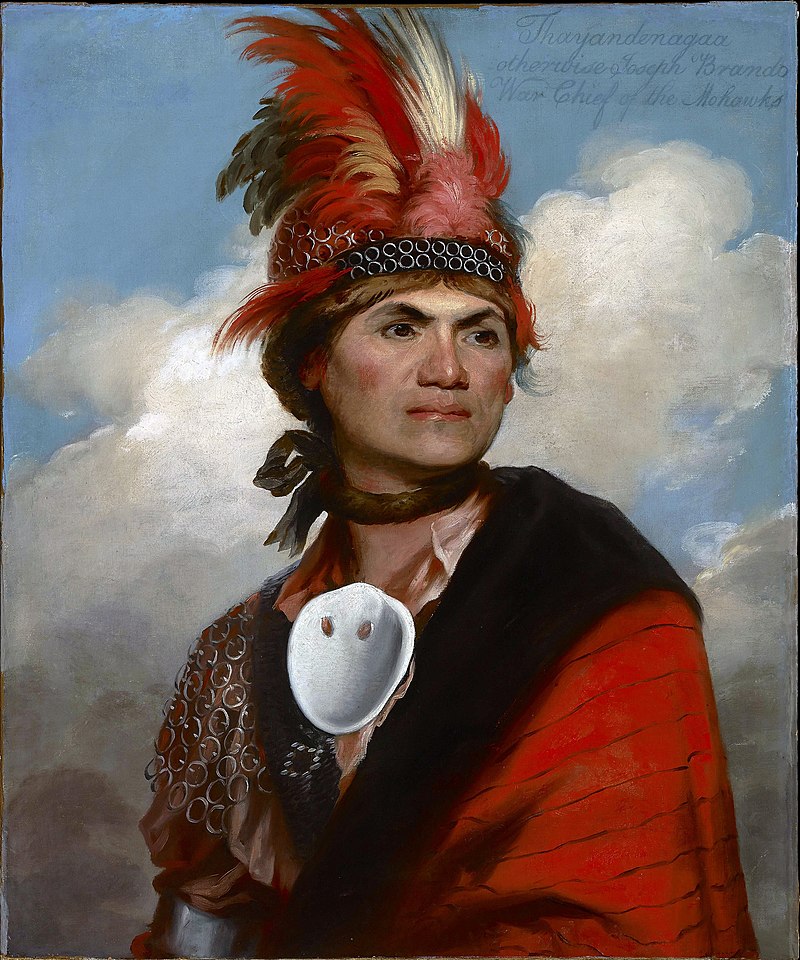
Mohawk
indigenous people of North America
Algonquin people
Indigenous people in Eastern Canada
Seneca
indigenous people of North America

Odawa
The Odawa (also Ottawa or Odaawaa ) are an Indigenous North American people who primarily inhabit land in the Eastern Woodlands region, now in jurisdictions of the northeastern United States and southeastern Canada. Their territory long preceded the creation of the current border between the two countries in the 18th and 19th centuries.

Potawatomi
The Potawatomi (), also spelled Pottawatomi and Pottawatomie (among many variations), are an Indigenous North American tribe of the Great Plains, upper Mississippi River, and western Great Lakes region. They traditionally speak the Potawatomi language, a member of the Algonquian family. They are additionally First Nations in Canada. The Potawatomi call themselves Neshnabé, a cognate of the word Anishinaabe. The Potawatomi are part of a long-term alliance, called the Council of Three Fires, with the Ojibwe and Odawa (Ottawa). In the Council of Three Fires, the Potawatomi are considered the "you
Algonquian peoples
ethnic group of Native Americans
Cayuga people
North American ethnic group
Oneida
ethnic group in North America
Tuscarora Nation
Native American Nation
Dakota people
native American people in the mid northern U.S. and mid southern Canada

Anishinaabe
The Anishinaabe (alternatively spelled Anishinabe, Anicinape, Nishnaabe, Neshnabé, Anishinaabeg, Anishinabek) are a group of culturally related Indigenous peoples in the Great Lakes region of Canada and the United States. They include the Ojibwe (including Saulteaux and Oji-Cree), Odawa, Potawatomi, Mississaugas, Nipissing, and Algonquin peoples. The Anishinaabe speak , or Anishinaabe languages that belong to the Algonquian language family.

Petun
thumb|Map of the Petun Country superimposed on modern administrative boundaries
The Petun (from ), also known as the Tobacco people or Tionontati (Dionnontate, Etionontate, Etionnontateronnon, Tuinontatek, Dionondadie, or Khionotaterrhonon) ("The people of the place where the mountain stands"), were an indigenous Iroquoian people of the woodlands of eastern North America. Their traditional homeland was south of Lake Huron's Georgian Bay, in what is today's Canadian province of Ontario.
Nanticoke
Indigenous American Indian

Saulteaux
The Saulteaux (pronounced , or in imitation of the French pronunciation , also written Salteaux, Saulteau and other variants), otherwise known as the Plains Ojibwe, are a First Nations band government in Ontario, Manitoba, Saskatchewan, Alberta and British Columbia, Canada. They are a branch of the Ojibwe who pushed west. They formed a mixed culture of woodlands and plains Indigenous customs and traditions.
Wasaya Airways
First Nations owned airline in Ontario, Canada

Tutelo people
The Tutelo (also Totero, Totteroy, Tutera; Yesan in Tutelo) were Native American people living above the Atlantic Seaboard Fall Line in present-day Virginia and West Virginia. They spoke a dialect of the Tutelo language thought to be similar to that of their neighbors, the Monacan and Manahoac nations.
Munsee
The Munsee () are a subtribe and one of the three divisions of the Lenape. Historically, they lived along the upper portion of the Delaware River, the Minisink, and the adjacent country in New York, New Jersey, and Pennsylvania. They were prominent in the early history of New York and New Jersey, being among the first Indigenous peoples of that region to encounter European colonizers.
Amikwa
historical indigenous people of North America
Swampy Cree
indigenous people in what is known as Canada
Kichesipirini
The Kichesipirini ("People of the Great River", "Island Indians") were an Algonquin First Nations in Canada based near the Ottawa River in Quebec.