Category
page 1First Nations in Quebec

Iroquois
The Iroquois ( ), also known as the Haudenosaunee Confederacy ( ; ), are an Iroquoian-speaking confederacy of Native Americans and First Nations peoples in northeast North America. They were known by the French during the colonial years as the Iroquois League, and later as the Iroquois Confederacy. They have also been called the Six Nations (Five Nations before 1722).

Cree
The Cree are a North American Indigenous people, numbering more than 350,000 in Canada, where they form one of the country's largest First Nations macro-communities. There are numerous Cree peoples and several nations closely related to the Cree, these being the Plains Cree, Woodland Cree, Rocky Cree, Swampy Cree, Moose Cree, and East Cree with the Atikamekw, Innu, and Naskapi being closely related. Also closely related to the Cree are the Oji-Cree and Métis, both nations of mixed heritage, the former with Ojibweg (Chippewa) and the latter with European fur traders. Cree homelands account for

Ojibwe
thumb|Ojibwe fishermen in the St. Marys Rapids, 1901
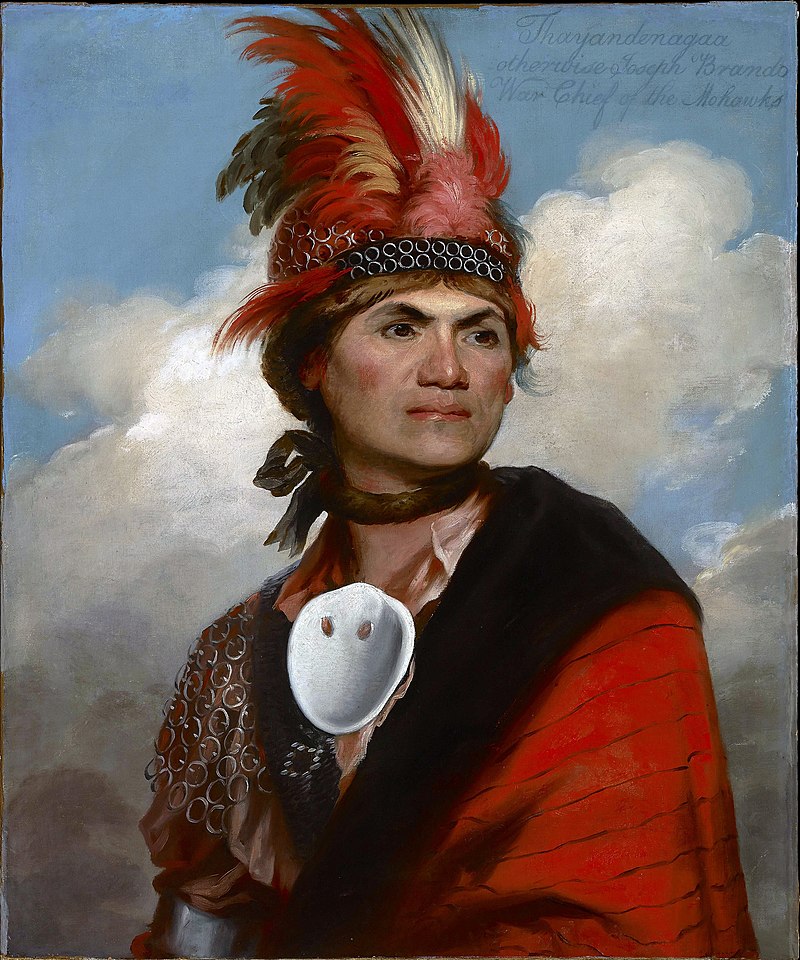
Mohawk
indigenous people of North America

Abenaki people
The Abenaki (Abenaki: ) are an Indigenous people of the Northeastern Woodlands of Canada and the United States. They are an Algonquian-speaking people and part of the Wabanaki Confederacy. The Eastern Abenaki language was predominantly spoken in Maine, while the Western Abenaki language was spoken in Quebec, Vermont, and New Hampshire.

Mi’kmaw
The '''Mi'kmaq ( , ; singular: Mi'kmaw, also L'nuk and formerly Micmac''') are an Indigenous group of people of the Northeastern Woodlands, native to the areas of Canada's Atlantic Provinces, primarily Nova Scotia, New Brunswick, Prince Edward Island, and Newfoundland, and the Gaspé Peninsula of Quebec as well as Native Americans in the northeastern region of Maine. The traditional national territory of the Mi'kmaq is named Mi'kma'ki (or Mi'gma'gi); it is one of the five confederated Wabanaki (or Dawnland) countries.
Algonquin people
Indigenous people in Eastern Canada
Algonquian peoples
ethnic group of Native Americans

Atikamekw people
thumb|right|Constant Awashish is the Chief of the Atikamekw Nation since 2014.
The Atikamekw are an Indigenous people in Canada. Their historic territory, ('Our Land'), is in the upper Saint-Maurice River valley of Quebec (about north of Montreal). One of the main communities is Manawan, about northeast of Montreal.

Wolastoqiyik
The Wolastoqiyik (), also known as the Maliseet or Malecite (), are an Algonquian-speaking First Nation of the Wabanaki Confederacy. They are the Indigenous people of the Wolastoq (Saint John River) valley and its tributaries. Their territory extends across the current borders of New Brunswick and Quebec in Canada, and parts of Maine in the United States.

Anishinaabe
The Anishinaabe (alternatively spelled Anishinabe, Anicinape, Nishnaabe, Neshnabé, Anishinaabeg, Anishinabek) are a group of culturally related Indigenous peoples in the Great Lakes region of Canada and the United States. They include the Ojibwe (including Saulteaux and Oji-Cree), Odawa, Potawatomi, Mississaugas, Nipissing, and Algonquin peoples. The Anishinaabe speak , or Anishinaabe languages that belong to the Algonquian language family.

Naskapi
The Naskapi (Nascapi, Naskapee, Nascapee) are an Indigenous people of the Subarctic native to the historical region St'aschinuw (ᒋᑦ ᐊᔅᒋᓄᐤ, meaning 'our [inclusive] land'), which was located in present day northern Quebec, neighbouring Nunavik. They are closely related to Innu People, who call their homeland Nitassinan.
Androscoggin people
Abenaki people of what are now the U.S. states of Maine and New Hampshire.
Mohawk Warrior Society
Mohawk group
Kichesipirini
The Kichesipirini ("People of the Great River", "Island Indians") were an Algonquin First Nations in Canada based near the Ottawa River in Quebec.
Missiquoi
thumb|300px|Missiquoi territory within the larger Western Abenaki territory
The Missiquoi, or the Missisquoi or the Sokoki (Abenaki: mazipskoi sg., mazipskoiak pl.), were a historic band of Abenaki Indigenous peoples from present-day southern Quebec and formerly in northern Vermont. This Algonquian-speaking group lived along the eastern shore of Lake Champlain at the time of the European incursion. Today, they are part of the Conseil des Abénakis d'Odanak, a First Nation in Quebec.