Category
page 1Fish described in 1819

Ameiurus nebulosus
species of fish
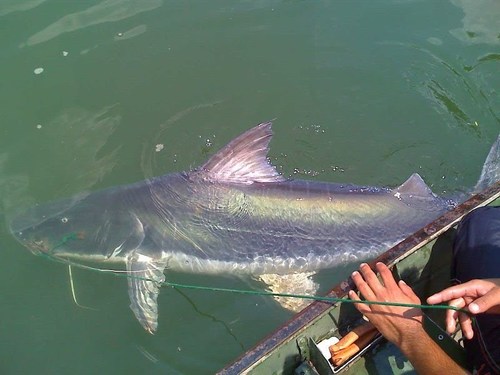
Brachyplatystoma filamentosum
species of fish

starry smooth-hound
species of shark (Mustelus asterias)
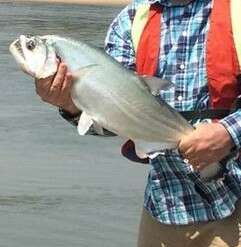
Hydrolycus scomberoides
The payara (Hydrolycus scomberoides) is a species of dogtooth tetra. This predatory fish is found in the Amazon Basin in tropical South America. It was the first of four species to be described in the genus Hydrolycus.

Wimple piranha
species of fish

yellow bullhead
species of fish

Scalloped ribbonfish
species of fish

Pygocentrus piraya
species of fish

Aplodinotus grunniens
species of fish

Black buffalo
species of fish

Goldeye
The goldeye (Hiodon alosoides) is a freshwater fish found in Canada and the northern United States. It is one of only two extant species in the family Hiodontidae, the other species being Hiodon tergisus. The species name alosoides means shad-like. It is also called Winnipeg goldeye, western goldeye, yellow herring, toothed herring, shad mooneye, la Queche, weepicheesis, or '''''laquaiche aux yeux d'or''''' in French.

Green sunfish
species of fish

Micropterus punctulatus
species of fish

Antarctic butterfish
species of fish
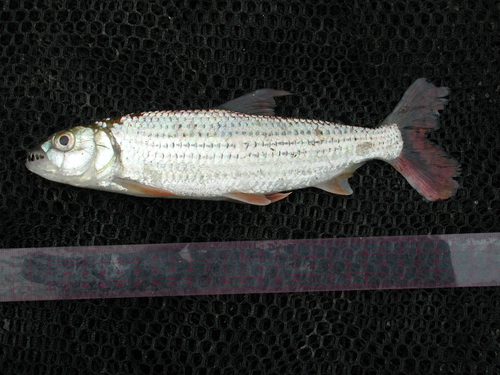
Hydrocynus forskahlii
species of fish

Acestrorhynchus falcirostris
species of fish

Greenside darter
species of fish

Calophysus macropterus
species of fish

Etheostoma variatum
species of fish

Fantail darter
species of fish
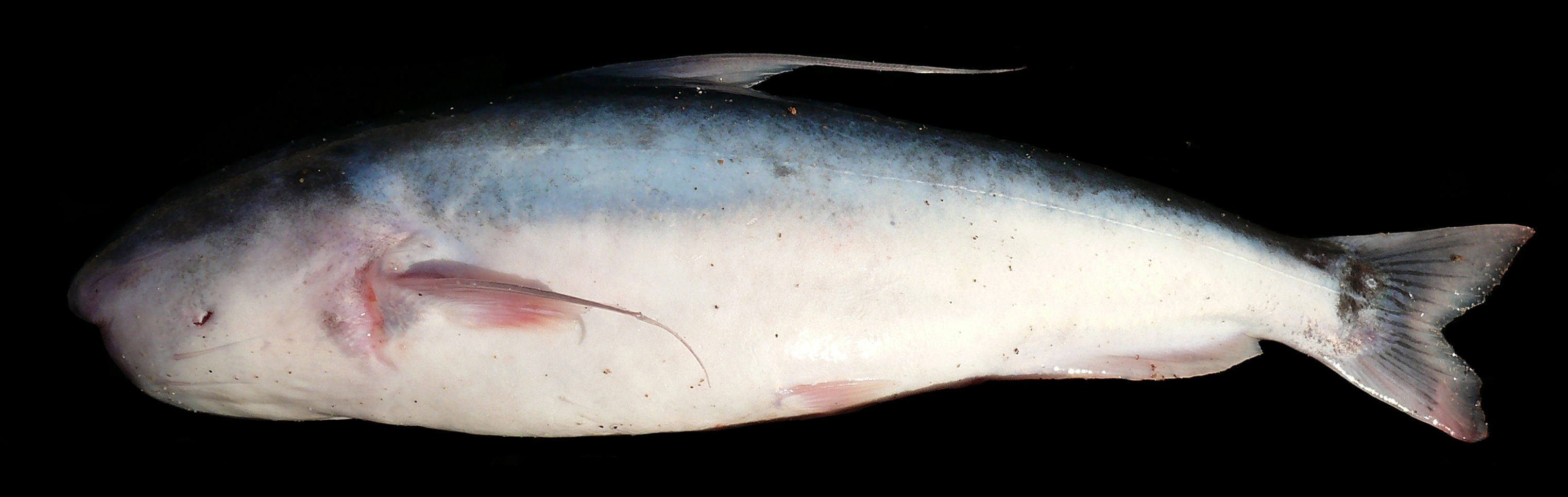
Cetopsis coecutiens
species of fish
St. Paul's fingerfin
species of fish

Pygopristis
Pygopristis is a monospecific genus of freshwater ray-finned fishes belonging to the family Serrasalmidae, which includes the pacus, piranhas and related fishes.. The only species in the genus is Pygopristis denticulata, also known as the lobetoothed piranha,. This species is a rare South American characiform fish found in the Orinoco River basin, rivers of the northern and eastern Guiana Shield, and tributaries of the lower Amazon River. Like other piranhas, it is found in freshwater, with specimens of this species typically found in acidic clearwater or blackwater environments. Despite their