Category
page 1Fish subfamilies

Leuciscinae
Leuciscinae is a subfamily of freshwater ray-finned fishes belonging to the family Leuciscidae, which includes the fishes known as daces, chubs, shiners and minnows. The fishes in this subfamily are mainly found in Eurasia, with one genus (Notemigonus) in North America.

Pseudocrenilabrinae
The Pseudocrenilabrinae are a subfamily in the cichlid family of fishes to which, according to a study from 2004, includes all the Middle Eastern and African cichlids with the exception of the unusual Heterochromis multidens and the Malagasy species. This subfamily includes more than 1,100 species. Previous authors recognized additional African subfamilies, e.g. the Tilapiinae of Hoedeman (1947), Tylochrominae of Poll (1986), or Boulengerochrominae of Tawil (2001).
Cyprininae
Cyprinae is a subfamily of largely freshwater ray-finned fishes, one of ten subfamilies belonging to the family Cyprinidae. This family comprises the carps, goldfishes, barbs and related genera.
Loricariinae
Loricariinae is a subfamily of freshwater ray-finned fishes belonging to the family Loricariidae, the armored suckermouth catfishes. This subfamily is divided into two tribes and about 30 genera. They are mainly native to freshwater habitats in South America, but there are also several species (in genera Crossoloricaria, Dasyloricaria, Rineloricaria, Spatuloricaria, Sturisoma and Sturisomatichthys) in Panama and a single (Rineloricaria) in Costa Rica.
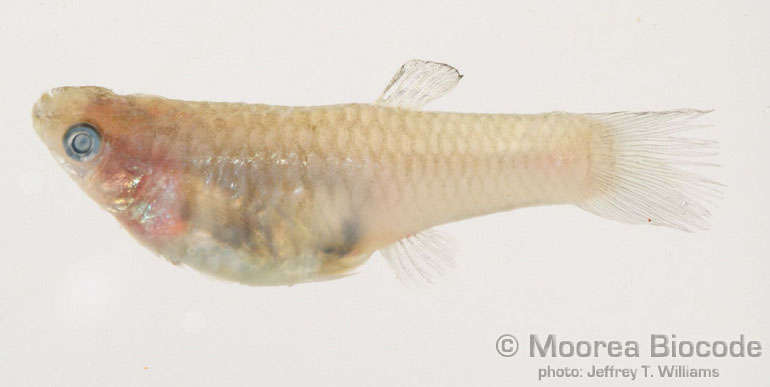
Poeciliinae
Poeciliinae is a subfamily of killifish from the family Poeciliidae which contains species from the Americas which are collectively known as the livebearers because many, but not all, of the species within the subfamily are ovoviviparous.
Ptychochrominae
The Ptychochrominae are a subfamily in the cichlid family of fish. It includes about 14 species. They are restricted to lakes and rivers in Madagascar, and the majority are threatened. Most cichlid genera native to Madagascar are included in this subfamily; the only exceptions are Paretroplus (subfamily Etroplinae) and Paratilapia (sometimes included in the Ptychochrominae, but likely belongs in its own subfamily).

Hypostominae
The Hypostominae are a subfamily of catfishes of the family Loricariidae. Most members are restricted to tropical and subtropical South America, but there are also several species (in genera Ancistrus, Chaetostoma, Lasiancistrus, Leptoancistrus and Hemiancistrus) in southern Central America. Hypostomus plecostomus, which is popular in the aquarium trade, has been introduced to several regions far from its native range.
Hypoptopomatinae
The Hypoptopomatinae are a subfamily of catfishes (order Siluriformes) of the family Loricariidae, composed of 32 genera and approximately 265 species. This subfamily represents about one-tenth of all loricariid species.
Pomacentrinae
Pomacentrinae is one of four subfamilies in the family Pomacentridae. It is the most diverse of the subfamilies in the Pomacentridae with around 21 genera and approximately 200 species.
Luciocephalinae
Luciocephalinae is a subfamily of the gourami family Osphronemidae. The members of this subfamily differ from the other groups within the gourami family by having a reduced number of rays supporting the branchiostegal membrane, five rather than six, and in the possession of a median process of the basioccipital which reaches the first vertebra and which has an attachment to the Baudelot's ligament.

Leuciscidae
Leuciscidae is a family of freshwater ray-finned fishes, formerly classified as a subfamily of the Cyprinidae, which contains the true minnows.
Holocentrinae
Holocentrinae is a subfamily of Holocentridae containing 40 recognized species and one proposed species. Its members are typically known as squirrelfish and all are nocturnal. All three genera in the subfamily are found in the Atlantic and Holocentrus is restricted to this ocean. Most species in genera Neoniphon and Sargocentron are from the Indo-Pacific region and several of these occur in the Indian Ocean west of the southern tip of India. A fossil genus of the subfamily is Eoholocentrum from the Early Eocene of Italy.
Pleuronectinae
Pleuronectinae is a subfamily of fish in the family Pleuronectidae, comprising 14 genera and 33 species. Members of the subfamily are demersal carnivores that live in arctic and northern seas.
Scombrinae
The Scombrinae are a subfamily of ray-finned bony fishes in the family Scombridae. Of the 51 species in the Scombridae, 50 are in Scombrinae – with the sole exception being the butterfly kingfish, which is placed in the monospecific subfamily Gasterochismatinae.
Cultrinae
The Cultrinae are one of at least 13 subfamilies of cyprinid fish. It contains ten genera.
Characinae
Characinae is a subfamily of freshwater ray-finned fishes, the nominate subfamily of the family Characidae. The fishes in this subfamily are found in Central and South America, from southern Mexico to Argentina.
Pellonulinae
Pellonulinae is a subfamily of freshwater herrings belonging to the family Clupeidae. Extant species are found in Asia, Africa and Australia, and members of the family occurred in North America in the Eocene.
== References ==
Stethaprioninae
Stethaprioninae is a subfamily of freshwater ray-finned fishes belonging to the family Acestrorhamphidae, the American characins. The fishes in this subfamily are found in South America.
Rhoadsiinae
Rhoadsiinae, the Pacific tetras, is a subfamily of freshwater ray-finned fishes belonging to the family Acestrorhamphidae, the American tetras. The fishes in this subfamily are found in rivers draining into the Pacific Ocean in Central and South America.
Craterocephalinae
Craterocephalinae is a subfamily of silversides from the family, Atherinidae, the Old World silversides. The majority of the species in this subfamily are freshwater fish, although some occur in brackish water. They are found in Australia and New Guinea.
Myrophinae
Myrophinae, the worm eels, is a subfamily of ray-finned fishes belonging to the family Ophichthidae, which also includes the snake eels in the subfamily Ophichthinae.
Sisorinae
REDIRECTSisoridae
Cheirodontinae
Cheirodontinae is a subfamily of freshwater ray-finned fishes, characins, belonging to the family Characidae. The fishes in this genus are found in the Neotropics as far north as Costa Rica and in South America. They are absent from the Pacific drainages of South America except for four species in the genus Cheirodon that are endemic to southern Chile. Some authorities split this subfamily into two tribes, Cheirodontini and Composurini, based on the males' reproductive characteristics. However, later phylogenetic studies found Cheirodontinae to be monophyletic but that the division onto two tr
Bryconinae
Bryconinae is a subfamily of freshwater ray-finned fishes, one of two subfamilies in the family Bryconidae, the other being Salmininae. The fishes in this family are found in Central and South America.
Tincinae
Tincinae is a doubtful subfamily of freshwater ray-finned fish from the family Cyprinidae, it consists of the tench of Eurasia and the east Asian clod minnows.
Aphyocharacinae
Aphyocharacinae is a subfamily of freshwater ray-finned fishes, characins, belonging to the family Characidae. The fishes in this subfamily are referred to as glass characins. The fishes included in this subfamily are found in South America, mainly in the basins of the Amazon and Orinoco rivers, with some species extending to the west of the Andes, and others as far south as the Paraguay River. The taxa within this subfamily have an apomorphy of having two dorsal fin rays attached to the first dorsal pterygiophore.
Stevardiinae
Stevardiinae is a subfamily of freshwater ray-finned fishes, belonging to the family Stevardiidae. The subfamily comprises genera which were previously classified in the family Characidae, but this was split into multiple families in 2024. They are found in South and Central America.
Gymnelinae
Gymnelinae is a subfamily of marine ray-finned fish belonging to the family Zoarcidae, the eelpouts. Most species are found in the North Pacific Ocean but one genus is cosmopolitan, and another is endemic to the Southern Ocean.
Squaliobarbinae
Squaliobarbinae is a small subfamily of the carp and minnow family, Cyprinidae, which consists of three monotypic genera which have their natural distributions in eastern Asia. Two species, the grass carp (Ctenopharyngodon idella) and the black carp (Mylopharyngodon piceus), have been introduced to other parts of the world for weed control and aquaculture. They are large cyprinids characterised by an enlarged subtemporal fossa, the palate articulating with the supraethmoid, an enlarged intercalar bone in the cranial vault, and a divided levator posterior muscle.
Delturinae
Delturinae is a subfamily of freshwater ray-finned fishes belonging to the family Loricariidae, the armored suckermouth catfishes including two genera, Delturus and Hemipsilichthys, these are collectively known as the primitive suckermouth catfishes. This group is sister to all other loricariids except Lithogenes. The geographical distribution of Delturinae, exclusively on the southeastern Brazilian Shield, indicates southeastern Brazil acts as either a refugium for basal loricariid taxa or a point of origin for the Loricariidae.
Pseudochrominae
Pseudochrominae is a subfamily of ray-finned fishes, one of four subfamilies that make up the family Pseudochromidae, the species within the subfamily are commonly called dottybacks. They are small reef-associated marine fish which have an Indo-Pacific distribution.
Glandulocaudinae
Glandulocaudinae is a subfamily of freshwater ray-finned fishes belonging to the family Stevardiidae. The subfamily comprises genera which were previously classified in the family Characidae, but this was split into multiple families in 2024. They are found in South and Central America.