Category
page 1Flare stars

Proxima Centauri
star in Centaurus constellation

Castor
star in the constellation Gemini

Barnard's Star
red dwarf star in the constellation of Ophiuchus

Wolf 359
red dwarf in the constellation Leo
flare star
type of eruptive variable star that can undergo unpredictable dramatic increases in brightness for a few minutes
Luyten 726-8
binary star in the constellation Cetus

Ross 128
small star in the equatorial zodiac constellation of Virgo
Ross 154
star
EZ Aquarii
star in the constellation Aquarius
Omicron2 Eridani
triple star system in the constellation Eridanus
Gliese 229
binary system in the constellation Lepus
YZ Ceti
star in the constellation Cetus
Groombridge 34
binary star system in the constellation of Andromeda
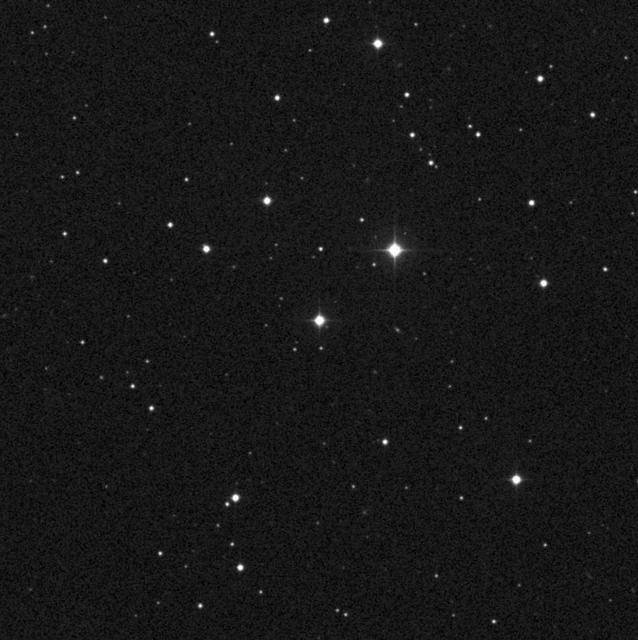
Gliese 1
star in the constellation Sculptor
Ross 614
star in the constellation Monoceros
Lacaille 8760
star in the constellation Microscopium
LHS 292
star in the constellation Sextans
TZ Arietis
nearby flare star in constellation Aries
AB Doradus
star system in the constellation Dorada
DX Cancri
red dwarf star in the constellation Cancer
Beta Boötis
star in the constellation Boötes
AU Microscopii
star in the constellation Microscopium
Kruger 60
binary star in the constellation Cepheus
Struve 2398
star in the constellation Draco

EV Lacertae
star in the constellation Lacerta
Groombridge 1618
star in the constellation Ursa Major
Gliese 412
binary star in the constellation Ursa Major
Wolf 424
binary star in the constellation Virgo
AD Leonis
star in the constellation Leo
Kepler-438
Kepler-438 is a red dwarf in the constellation Lyra, about 590 light years from Earth. It is notable for its planetary system, which includes Kepler-438b, a possibly Earth-size planet within Kepler-438's habitable zone. Kepler-438 is a flare star that undergoes random, dramatic increases in brightness due to flare activity. It emits strong superflares every few hundred days, with each flare being stronger than the most powerful flare recorded on the Sun.
TVLM 513-46546
ultracool dwarf
Wolf 1055
star
BY Draconis
Star in the constellation Draco
Gliese 146
star
DT Virginis
star
VB 10
star in the constellation Aquila

superflare
thumb | right | alt=Illustration of a bright plume coming out of a star | Artist's impression of a superflare from EV Lacertae
Superflares are very strong explosions observed on stars with energies up to ten thousand times that of typical solar flares. The stars in this class satisfy conditions which should make them solar analogues, and would be expected to be stable over very long time scales.
The original nine candidates were detected by a variety of methods. No systematic study was possible until the launch of the Kepler space telescope, which monitored a very large number of solar-type st
CM Draconis
star in the constellation Draco
YZ Canis Minoris
star in the constellation Canis Minor
GJ 526
star
Gliese 22
star in the constellation Cassiopeia
HD 37519
star in the constellation Auriga
AT Microscopii
star in the constellation Microscopium
HD 53143
star in the constellation Carina
GJ 1116
nearby star i the constellation Cancer
FF Andromedae
star in the constellation Andromeda
AP Columbae
star in the constellation Columba
Kaewkosin
star in the constellation Cancer
AR Lacertae
star in the constellation Lacerta
HU Delphini
star in the constellation Delphinus
LP 71-82
star in the constellation Draco
BO Microscopii
star in the constellation Microscopium
GJ 3522
star
DG Canum Venaticorum
Binary star
AZ Cancri
star in the constellation Cancer
CE Boötis
nearby red dwarf in the constellation Boötes