Category
page 1Flies and humans

Tabanidae
Horse flies and deer flies are true flies in the family Tabanidae in the insect order Diptera. The adults are often large and agile in flight. Females parasitize land vertebrates, including humans, biting them to obtain blood. They prefer to fly in sunlight, avoiding dark and shady areas, and are inactive at night. They are found all over the world except for some islands and the polar regions (Hawaii, Greenland, Iceland). Both horse flies and botflies (Oestridae) are sometimes referred to as gadflies. Contrary to popular belief, horse flies can not see infrared light or otherwise detect heat

Musca domestica
The housefly (Musca domestica) is a fly of the suborder Cyclorrhapha. It possibly originated in the Middle East, and spread around the world as a commensal of humans. Adults are gray to black, with four dark, longitudinal lines on the thorax, slightly hairy bodies, and a single pair of membranous wings. They have red compound eyes, set farther apart in the slightly larger female.

Tsetse fly
genus of insects

Drosophila melanogaster
species of fly

mosquito net
fine net used to exclude mosquitos and other biting insects
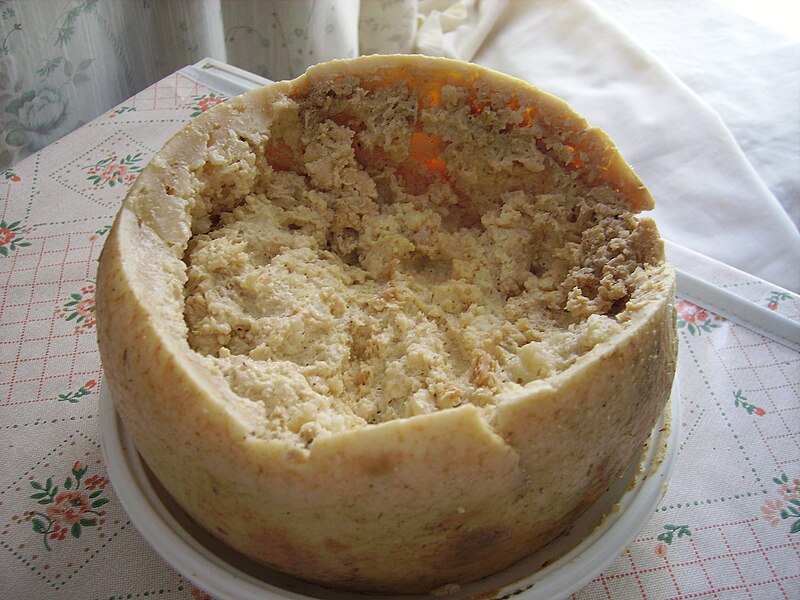
casu martzu
Sardinian and Corsican cheese containing live maggots
fly fishing
angling method

Lucilia sericata
species of insect
maggot therapy
wound care by maggot therapy
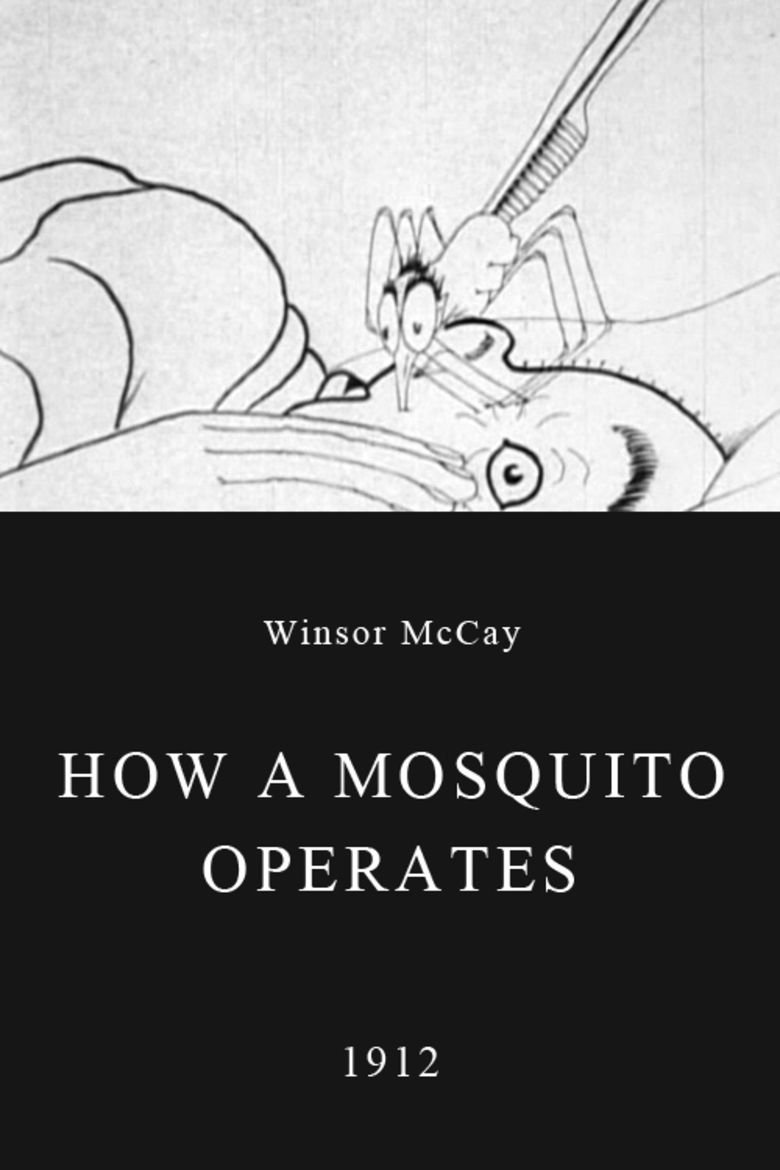
How a Mosquito Operates
1912 film by Winsor McCay

Hypoderma
genus of insects

fly-whisk
thumb|right|Goat-hide and horse-hair Hausa people|Hausa fly-whisk, from near [[Maradi, Niger, early 1960s, ]] __NOTOC__
A fly-whisk (or fly-swish) is a tool that is used to swat flies. A similar device is used as a hand fan in hot tropical climates, sometimes as part of regalia, and is called a chowrie, chāmara, or prakirnaka in South Asia and Tibet.
fly-killing device
device to kill flies or other flying insects
mosquito control
efforts to reduce health risks from mosquitoes
World Mosquito Day
annual observance (20 August)
Portschinskia
Portschinskia is a genus of flies. They are also known as bumblebee bot flies due to their striking resemblance to bumblebees both in habit and colour patterns. Like all bot flies they are obligate parasites whose larvae develop in mammals.