Category
page 1Flora of Northwestern Mexico
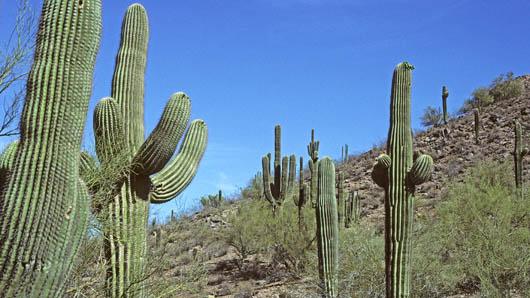
Carnegiea gigantea
alt=Example Of Old Growth Saguaro Cactus|thumb|Old growth saguaro
The saguaro ( , ; Carnegiea gigantea) is a tree-like cactus species in the monotypic genus Carnegiea that can grow to be over tall. It is native to the Sonoran Desert in Arizona, the Mexican state of Sonora, and the Whipple Mountains and Imperial County areas of California. Saguaro typically grow at elevations ranging from sea level to 4,500', although they may be found at up to 5,000'. The saguaro blossom is the state wildflower of Arizona. Its scientific name is given in honor of Andrew Carnegie. In 1933, Saguaro National Park
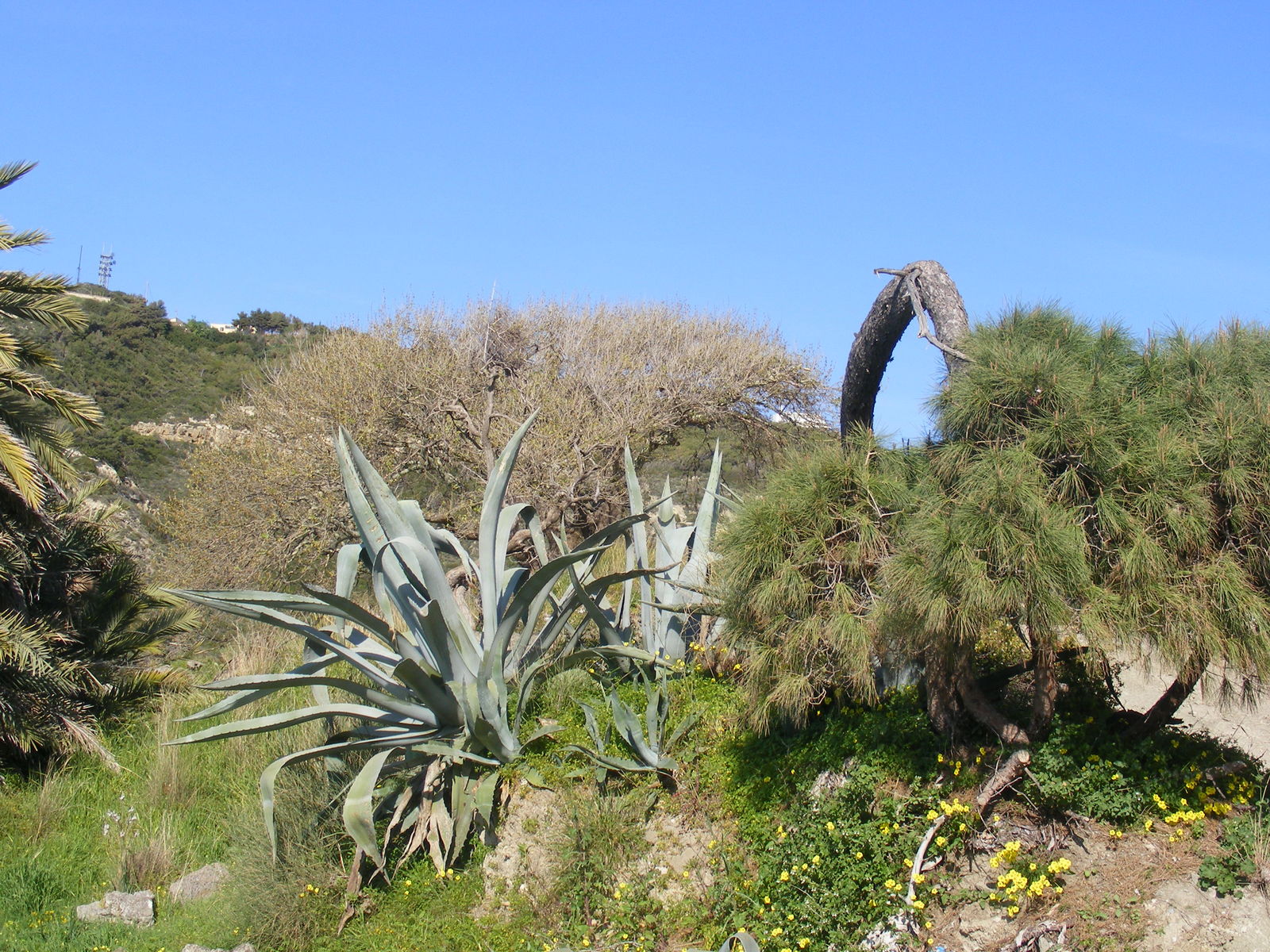
Agave americana
species of plant
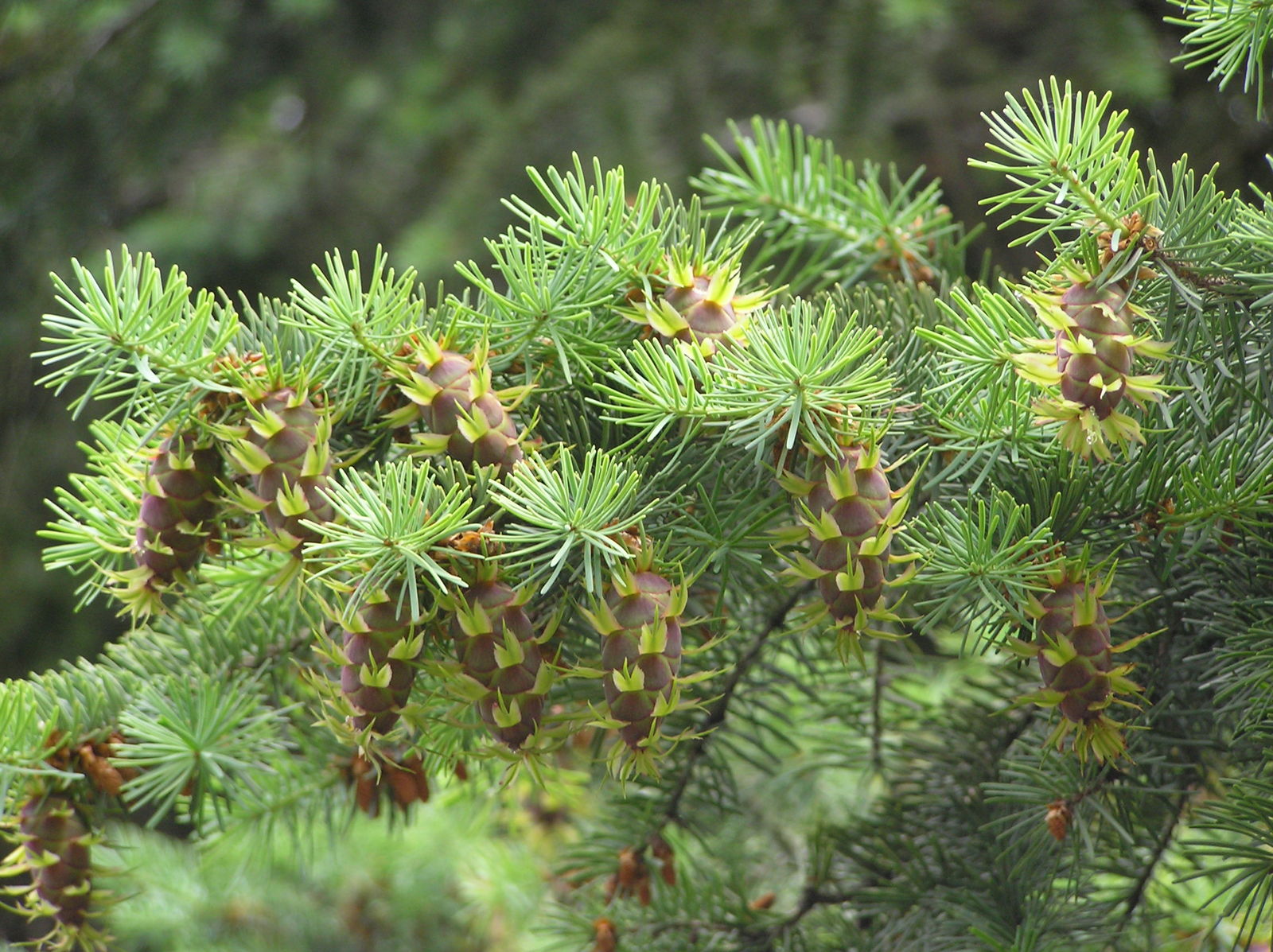
Pseudotsuga menziesii
evergreen conifer species

Pinus ponderosa
species of large pine tree in North America
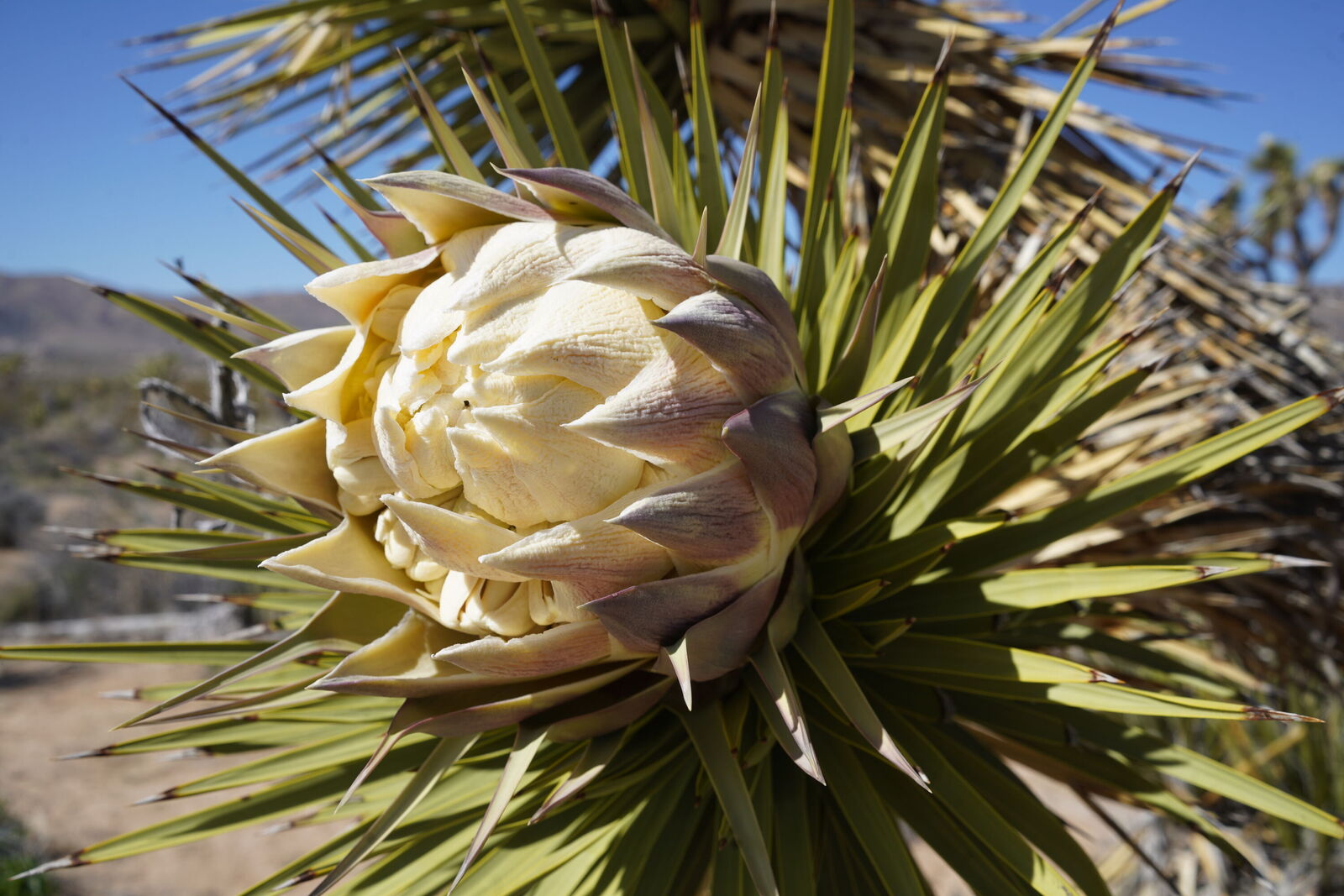
Yucca brevifolia
species of plant
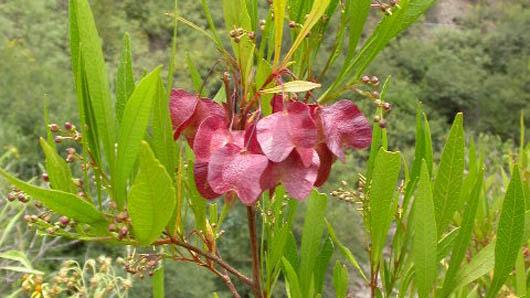
Dodonaea viscosa
species of plant

Pachycereus
Pachycereus is a genus of large cacti native to Central America and Mexico. They form large shrubs or small trees up to 15 m tall, with stout stems up to 1 m in diameter. Pachycereus comes from the ancient Greek παχύς (pachys) meaning "thick" and the Latin cereus meaning "torch".
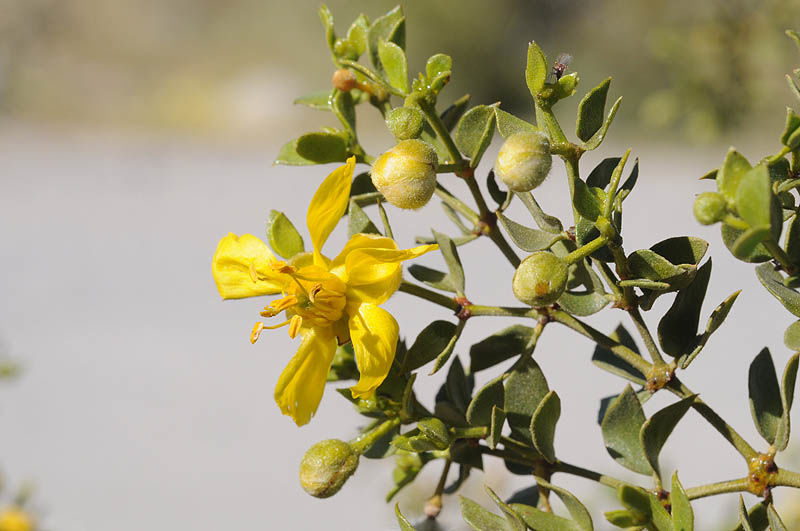
Larrea tridentata
species of plant
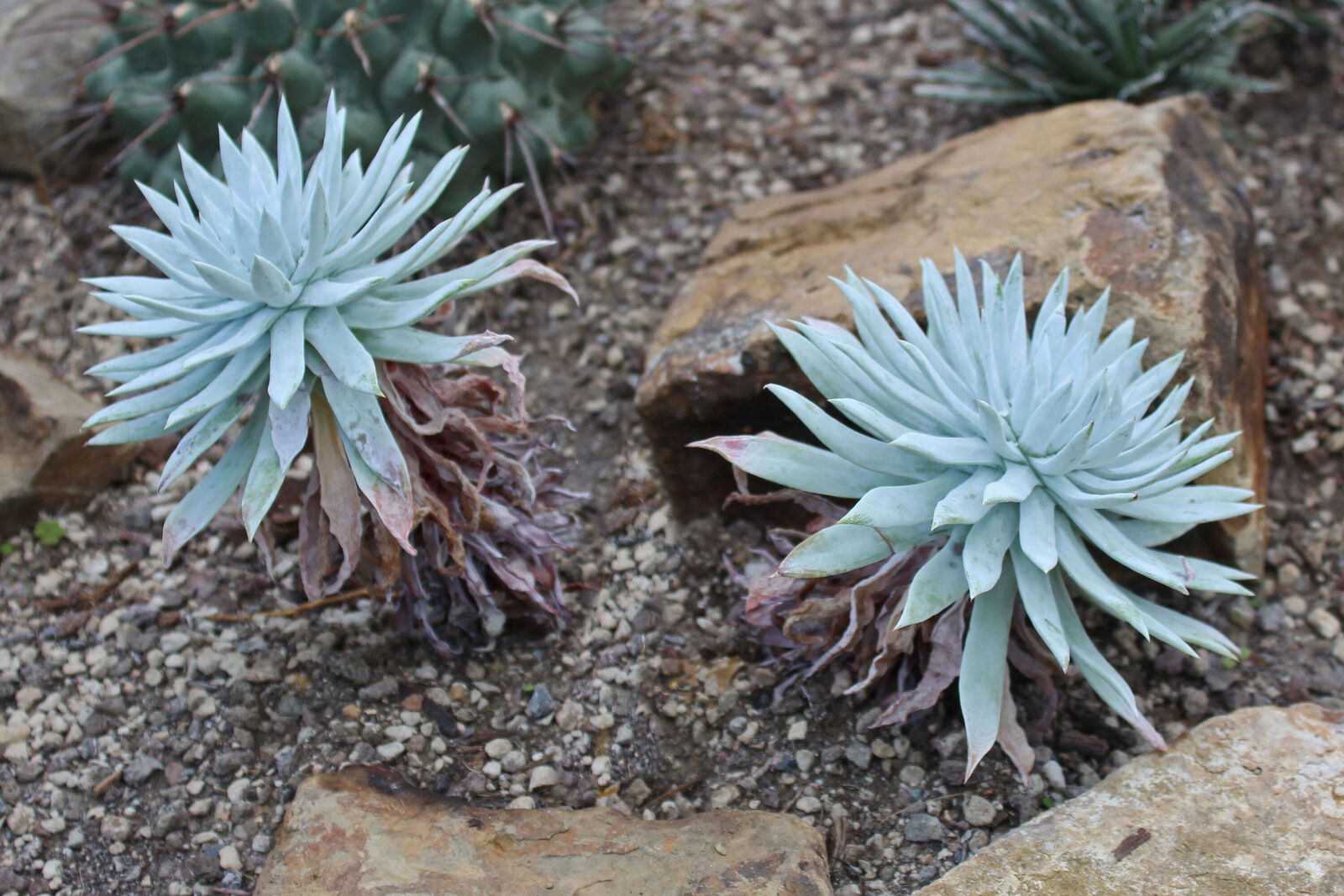
Dudleya
Dudleya, commonly known as liveforevers, is a genus of rosette-forming succulent plants in the stonecrop family, Crassulaceae, consisting of about ~70 taxa found in southwestern North America and Guadalupe Island. The genus is very morphologically diverse, with species ranging from large evergreen plants to tiny deciduous geophytic plants. The flowers of Dudleya have parts numbered in fives, with the petals arranged in tubular, star-shaped, or bell-shaped forms and, when fruiting, are filled with tiny, crescent-shaped seeds.
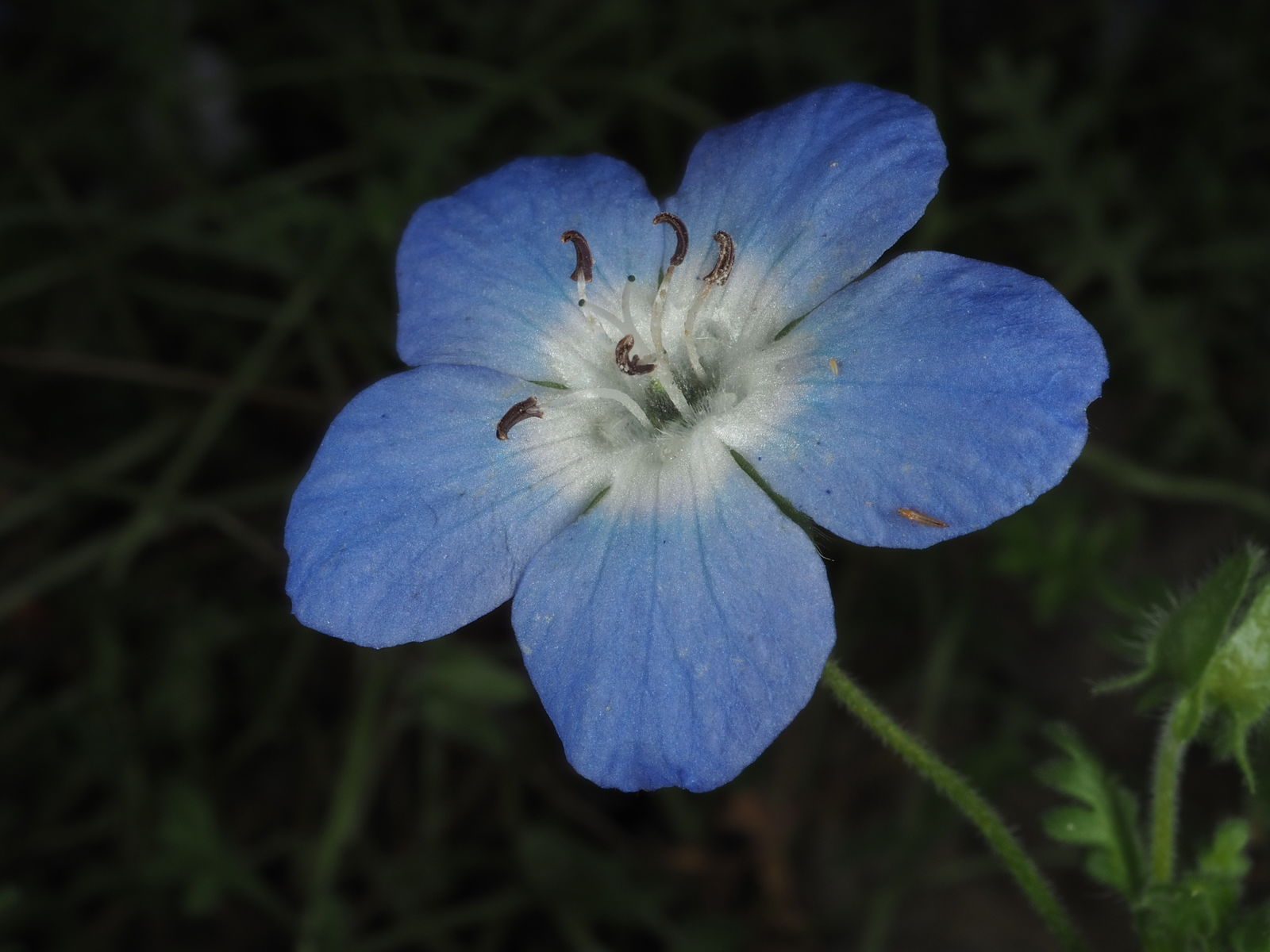
Nemophila
thumb|Nemophila at Hitachi Seaside Park
Nemophila is a genus found in the flowering plant family Hydrophyllaceae.
Macrocystis pyrifera
species of kelp

Pinus cembroides
species of plant, Mexican pinyon
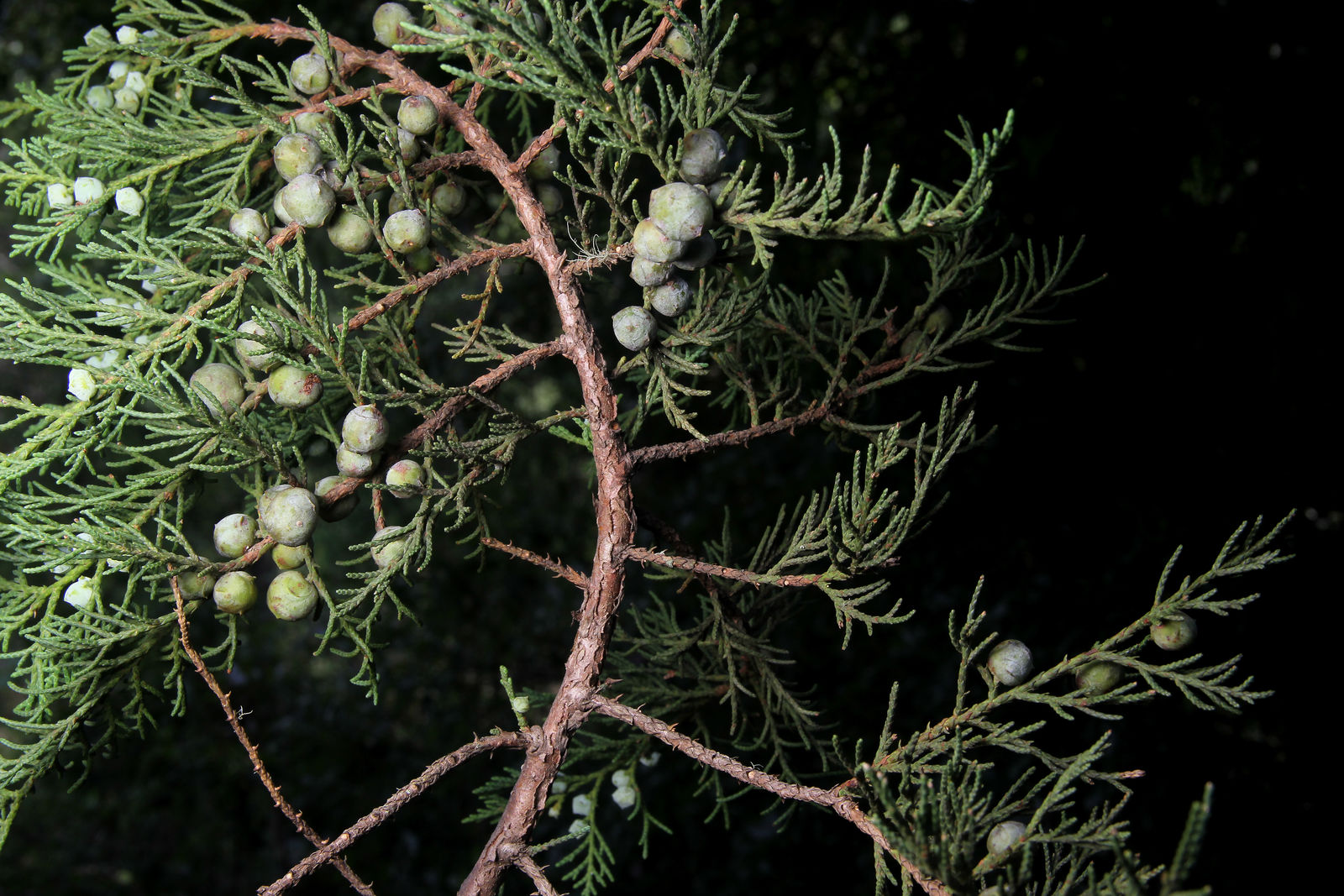
Juniperus deppeana
species of plant

Salvia columbariae
species of plant

Yucca baccata
species of plant
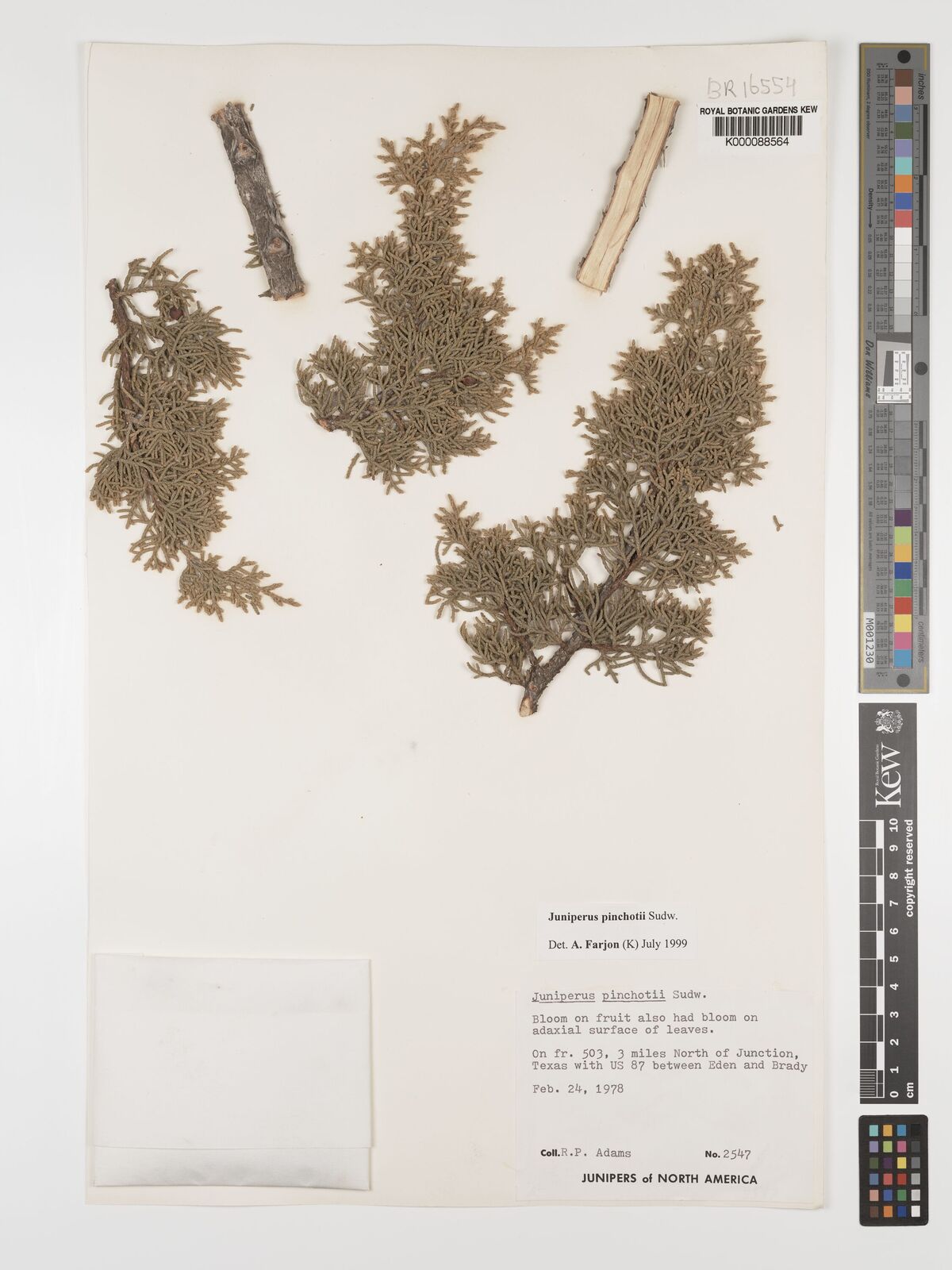
Juniperus pinchotii
species of plant
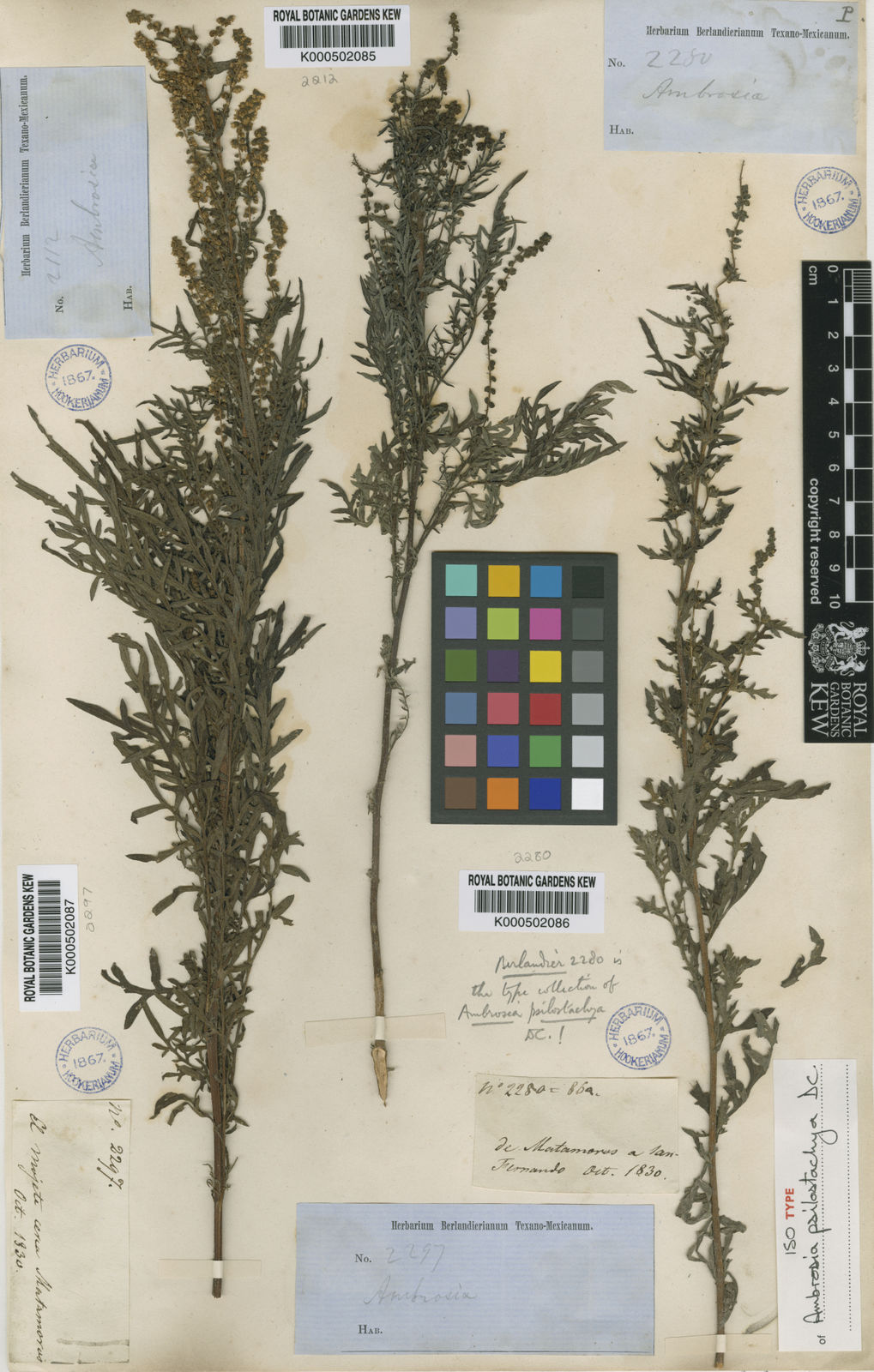
Ambrosia psilostachya
species of plant
1,jpg_fullsize.jpg)
Fouquieria splendens
species of plant
%20Hesperaloe%20campanulata%20fh%200642%20MEX%20Anfang%20April%20in%20Nordmexiko%20A.jpg)
Hesperaloe
Hesperaloe (false yucca) is a genus of flowering plants in the family Asparagaceae, subfamily Agavoideae. It contains perennial yucca-like plants with long, narrow leaves produced in a basal rosette and flowers borne on long panicles or racemes. The species are native to the arid parts of Texas in the United States and Mexico and are sometimes cultivated as xerophytic ornamental plants.
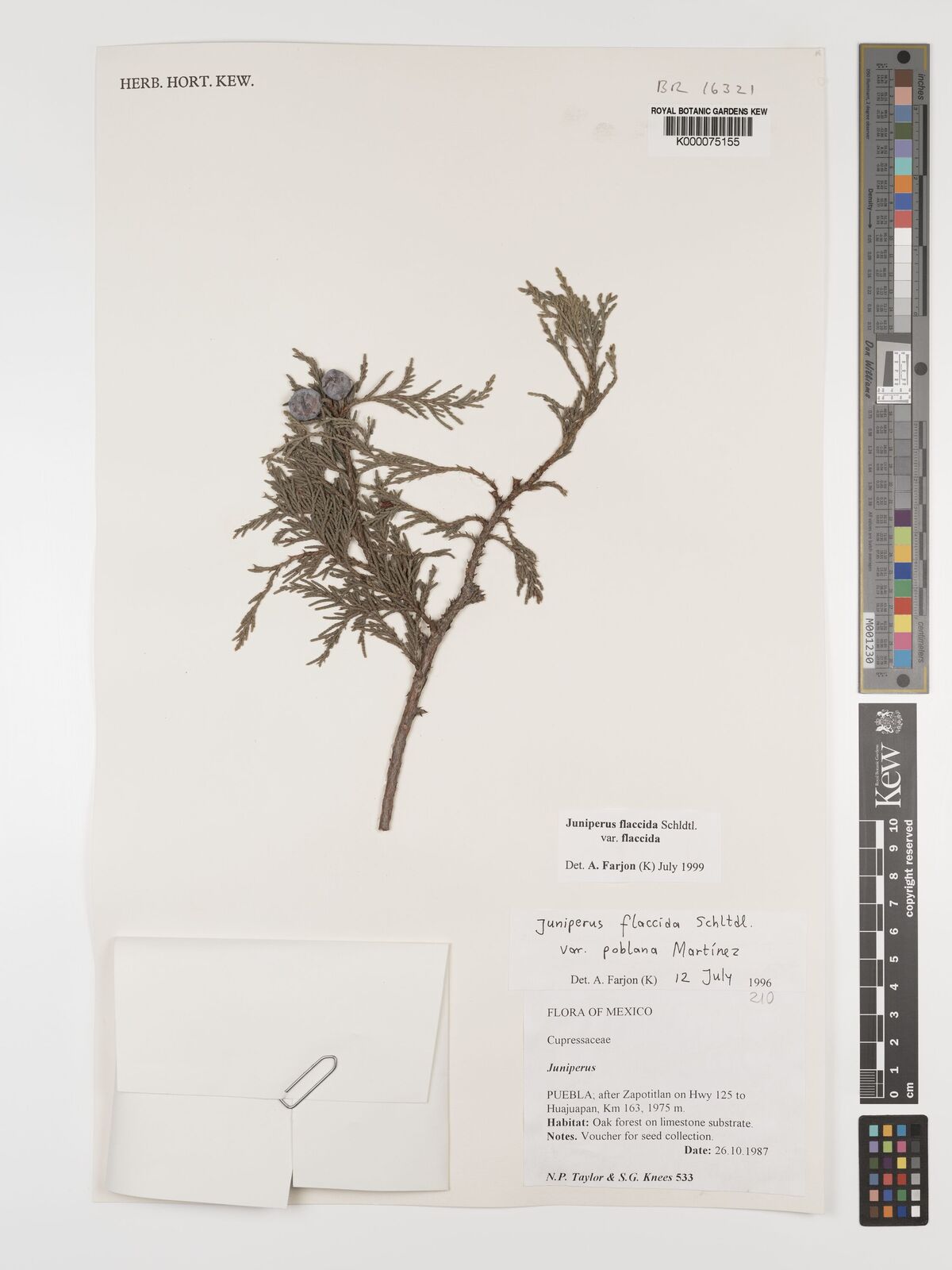
Juniperus flaccida
species of plant

Pterospora andromedea
Pterospora, commonly known as pinedrops, woodland pinedrops, Albany beechdrops, or '''giant bird's nest, is a North American genus in the subfamily Monotropoideae of the heath family, and includes only the species Pterospora andromedea'. It grows as a mycoheterotroph (relying on fungi rather than photosynthesis for nutrients) in coniferous or mixed forests. It is widespread across much of Canada as well as the western and northeastern United States to Mexico. Along with Monotropa'' it is one of the more frequently encountered genera of the Monotropoideae.
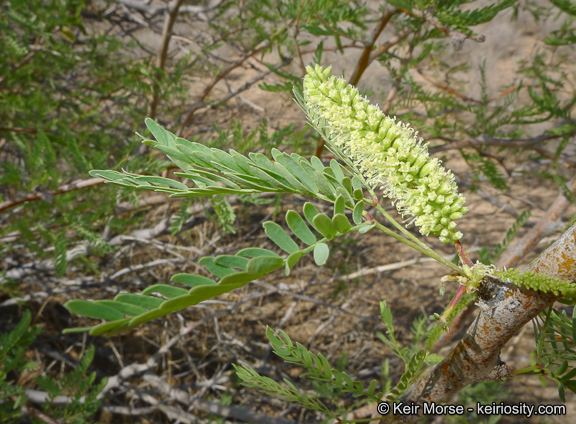
Prosopis glandulosa
species of plant
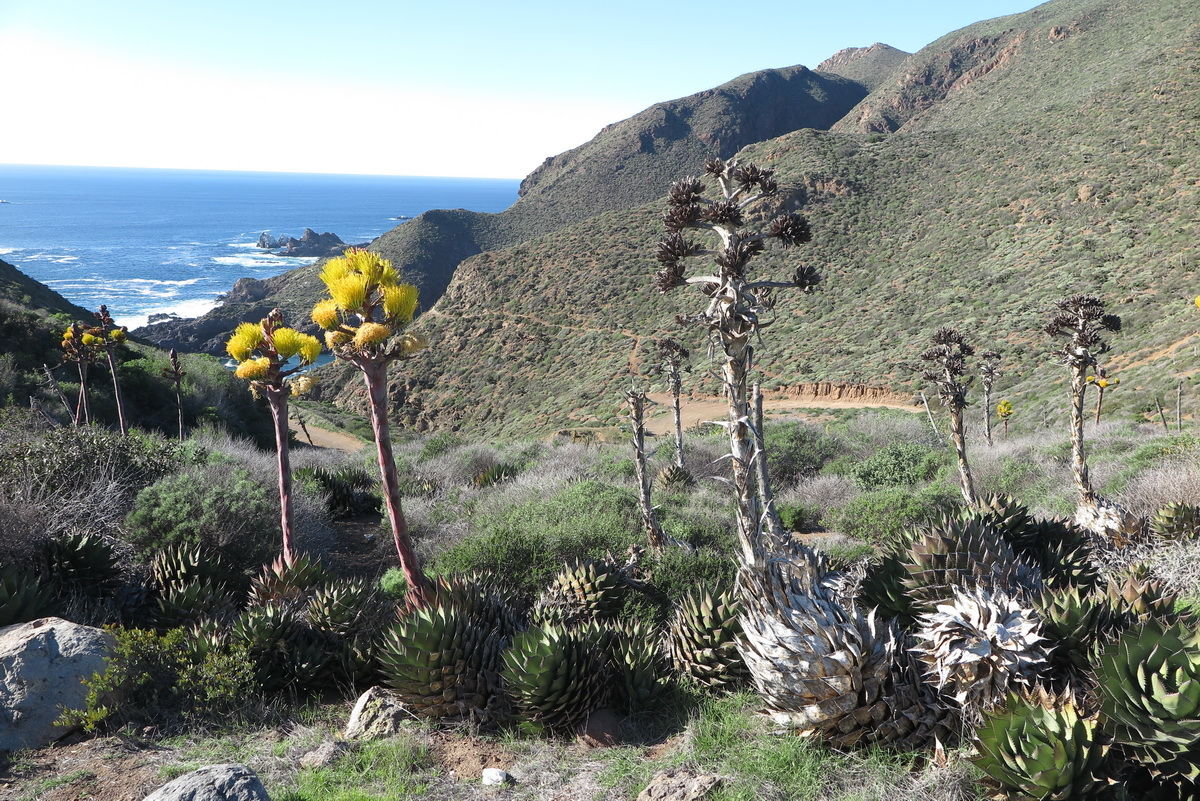
Agave parryi
species of plant
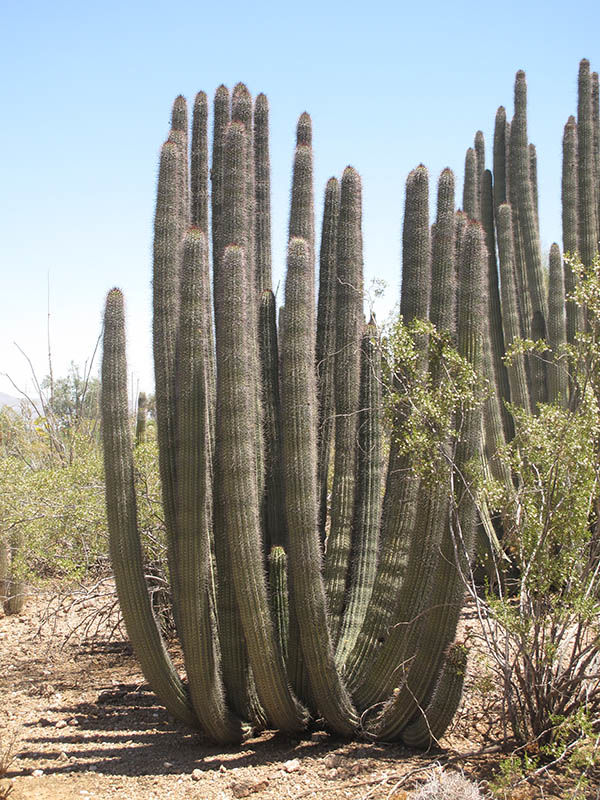
Stenocereus thurberi
species of plant

Opuntia engelmannii
species of plant
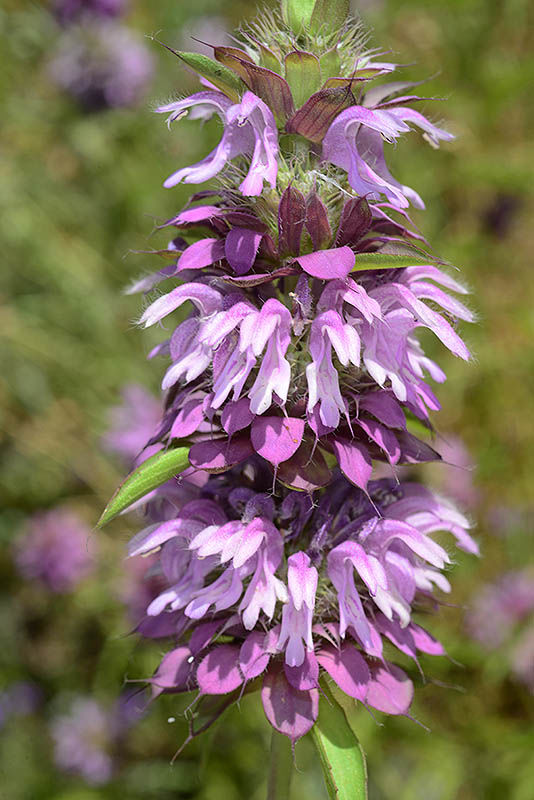
Monarda citriodora
species of plant
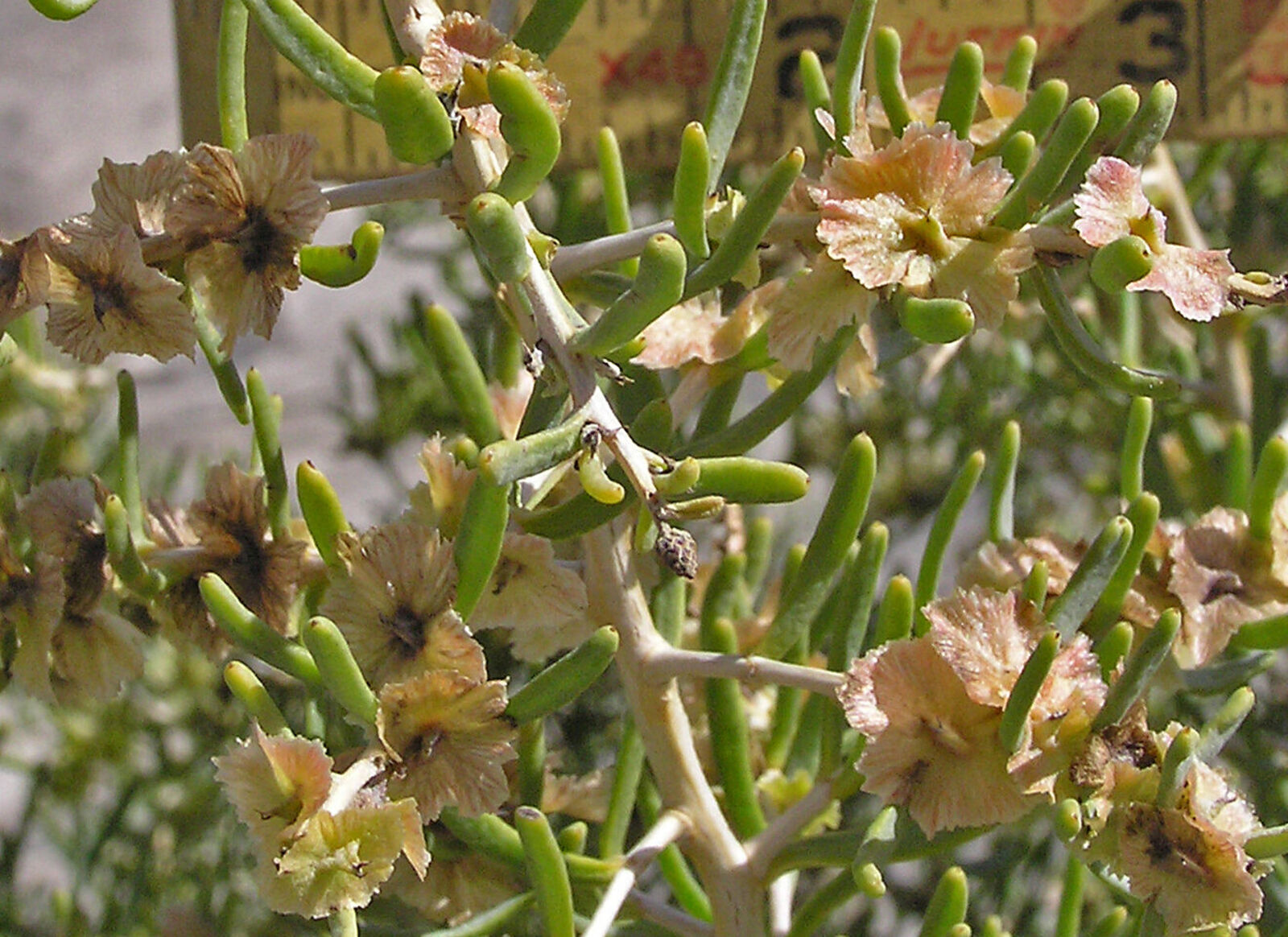
Sarcobatus
Sarcobatus is a North American genus of two species of flowering plants, formerly considered to be a single species. Common names for S. vermiculatus include greasewood, seepwood, and saltbush. Traditionally, Sarcobatus has been treated in the family Chenopodiaceae, but the APG III system of 2009 recognizes it as the sole genus in the family Sarcobataceae.
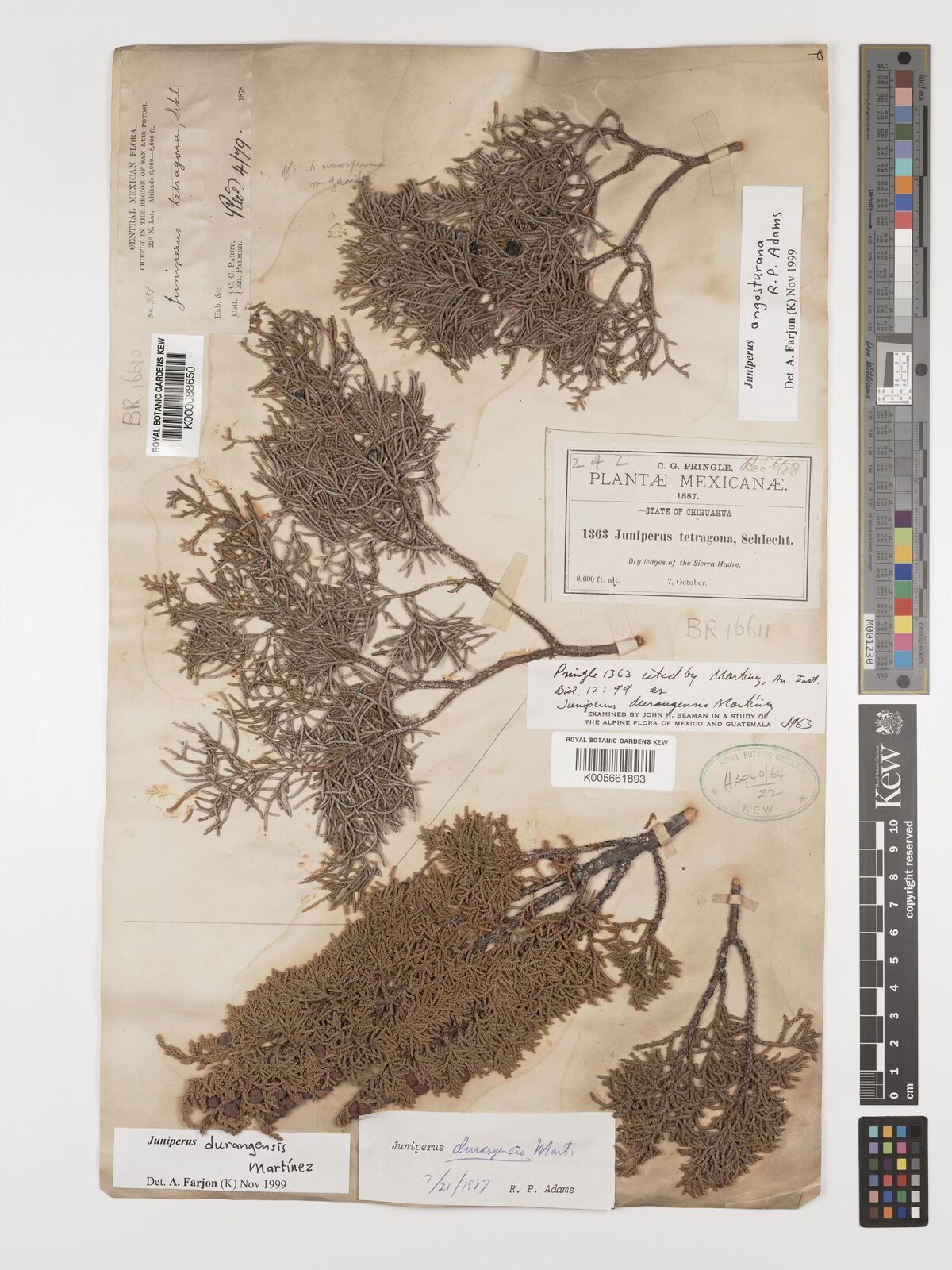
Juniperus durangensis
species of plant
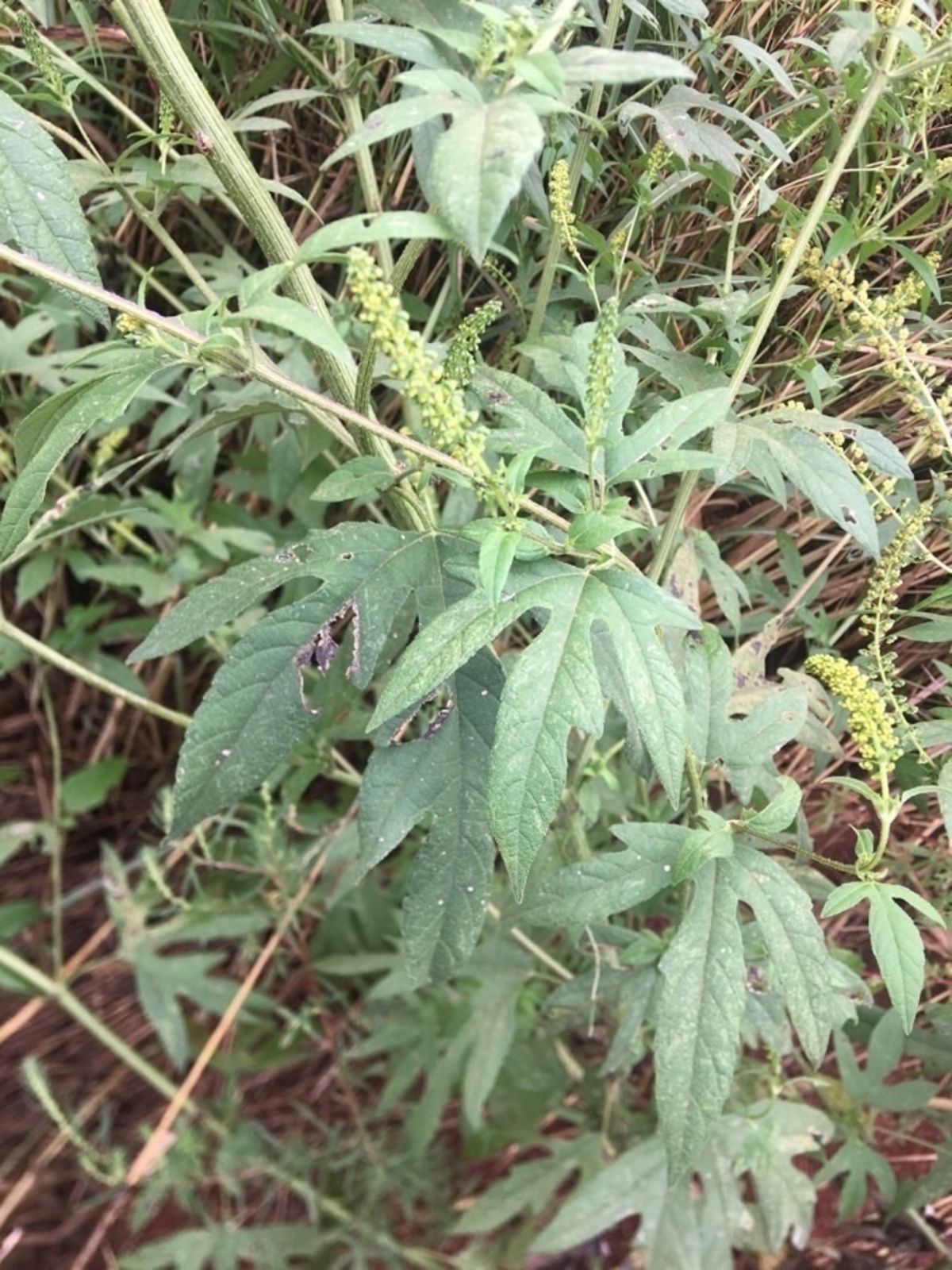
Ambrosia trifida
species of plant

Grusonia
thumb|right|Grusonia parishiorum
Grusonia is a genus of opuntioid cacti (family Cactaceae), originating from the North American Deserts in Southwest United States and northern Mexico, including Baja California. Authors differ on precise boundaries of the genus, which has been included in Cylindropuntia. Corynopuntia, also known as club chollas (or "perritos" in Mexico), is now a synonym, with the genus originally being described by Knuth in 1935. Molecular phylogenetic studies suggest that it should be included in Grusonia, a view accepted by Plants of the World Online .
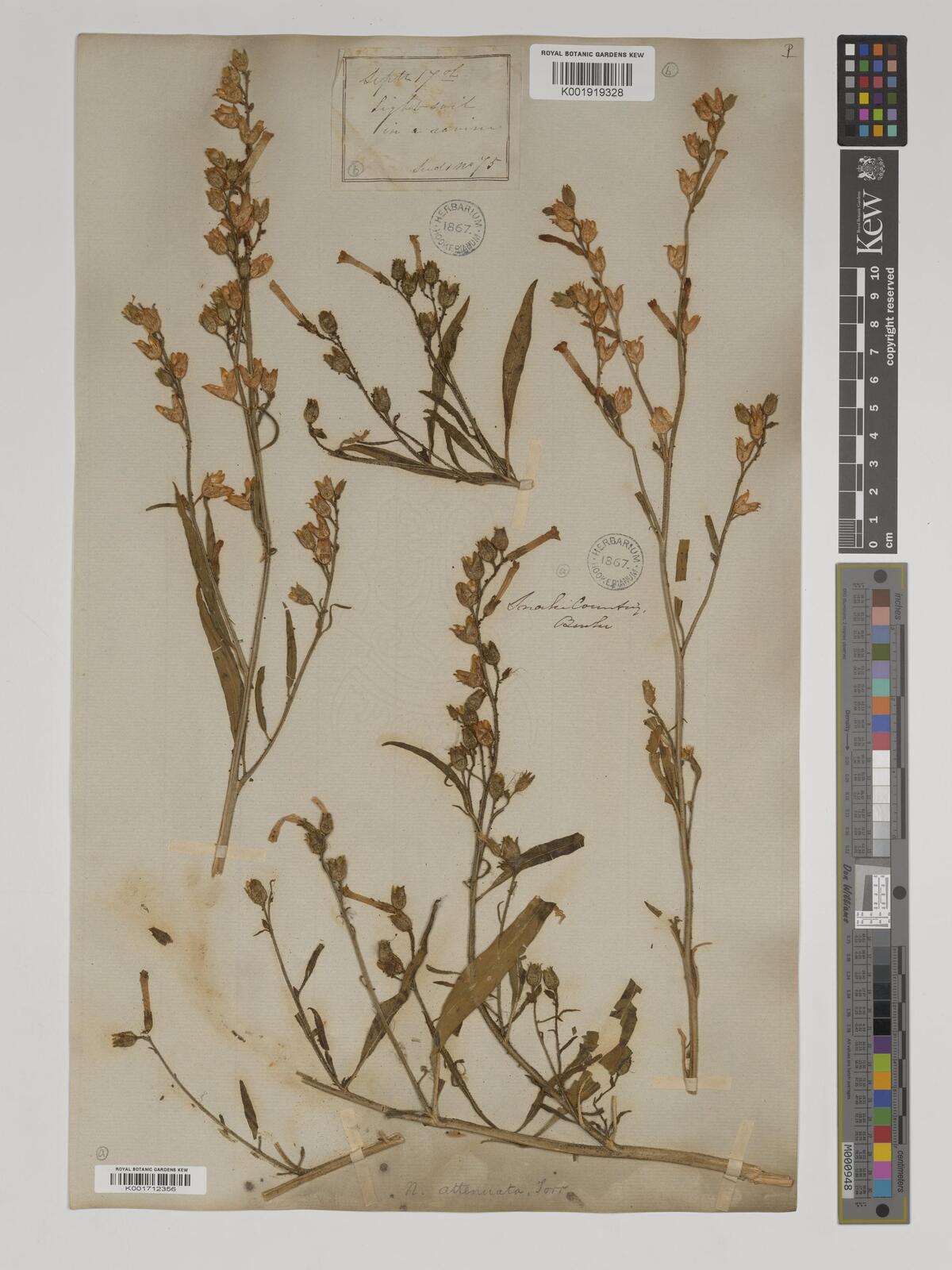
Nicotiana attenuata
species of plant
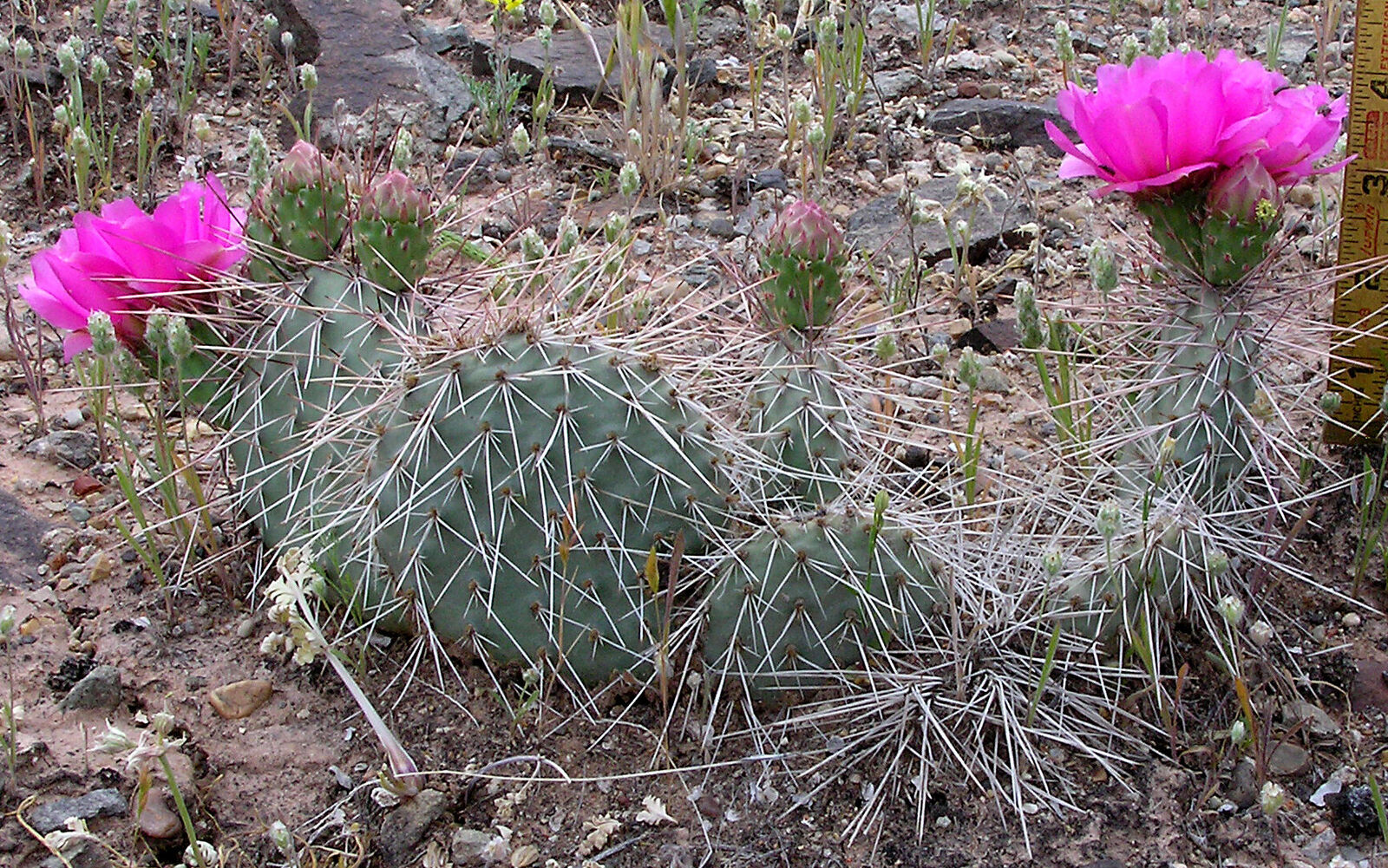
Opuntia phaeacantha
species of cactus
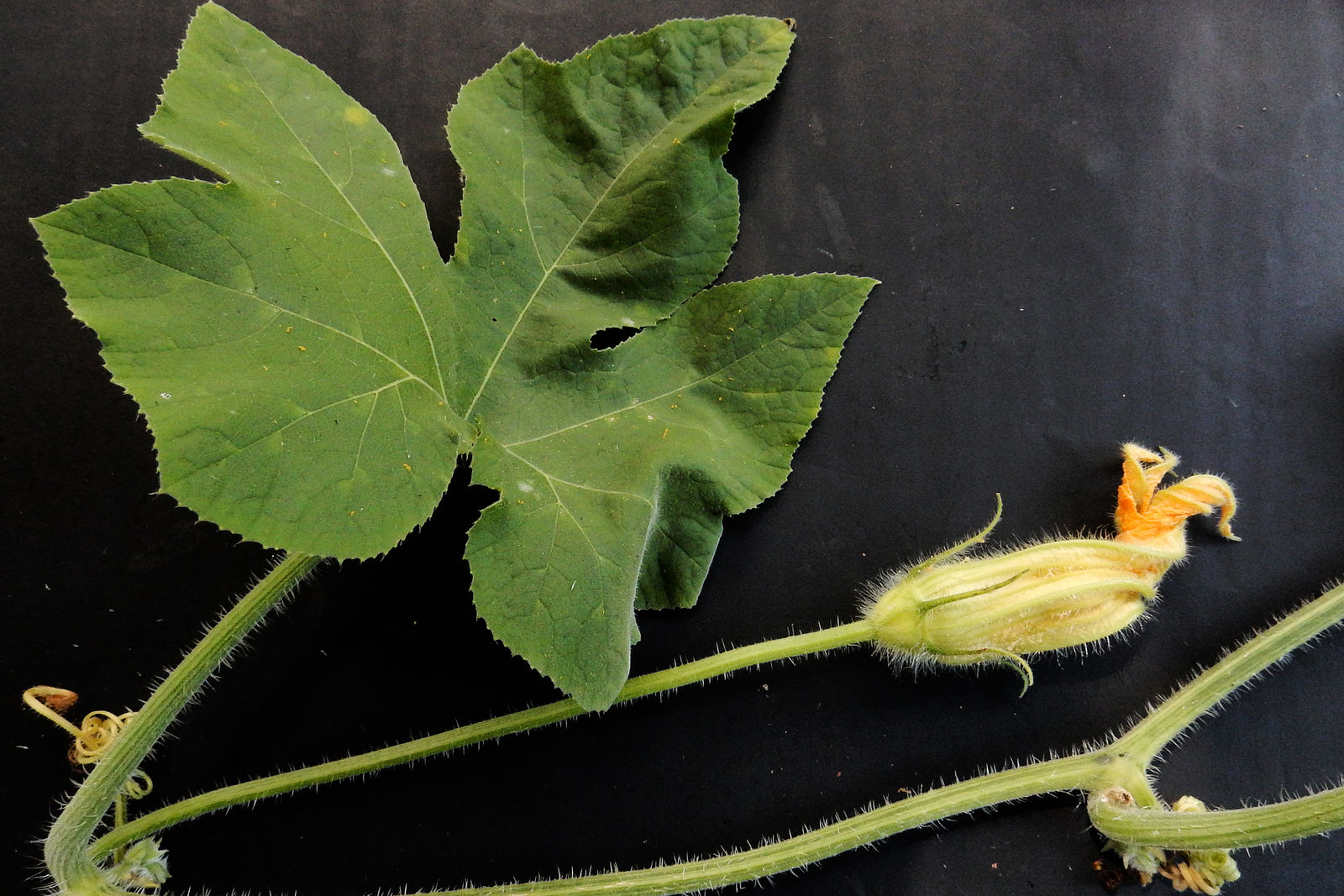
Cucurbita argyrosperma
species of plant

Agrostis scabra
species of plant

Euphorbia albomarginata
species of plant

Yucca ×schottii
species of plant
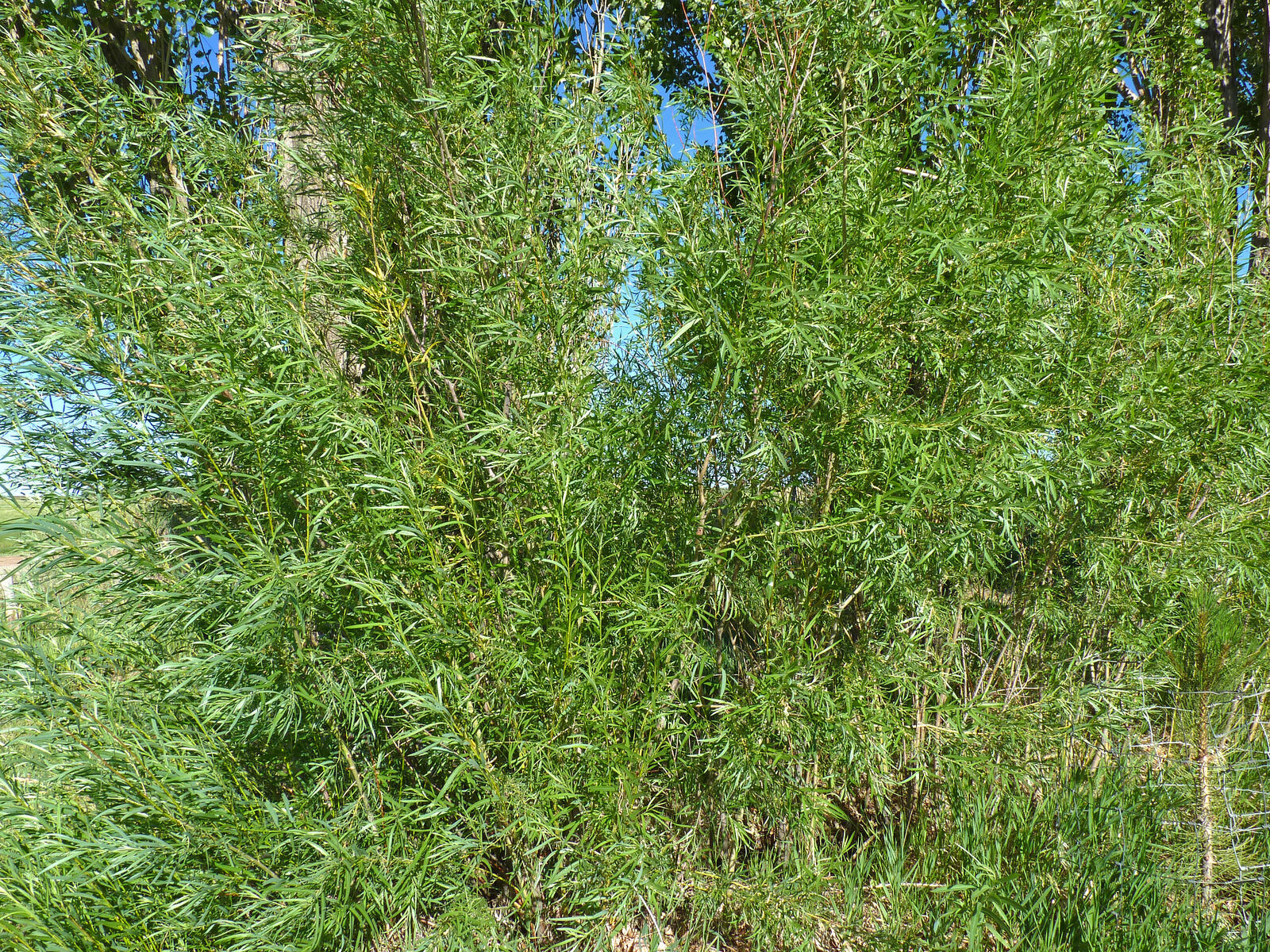
Salix exigua
species of plant
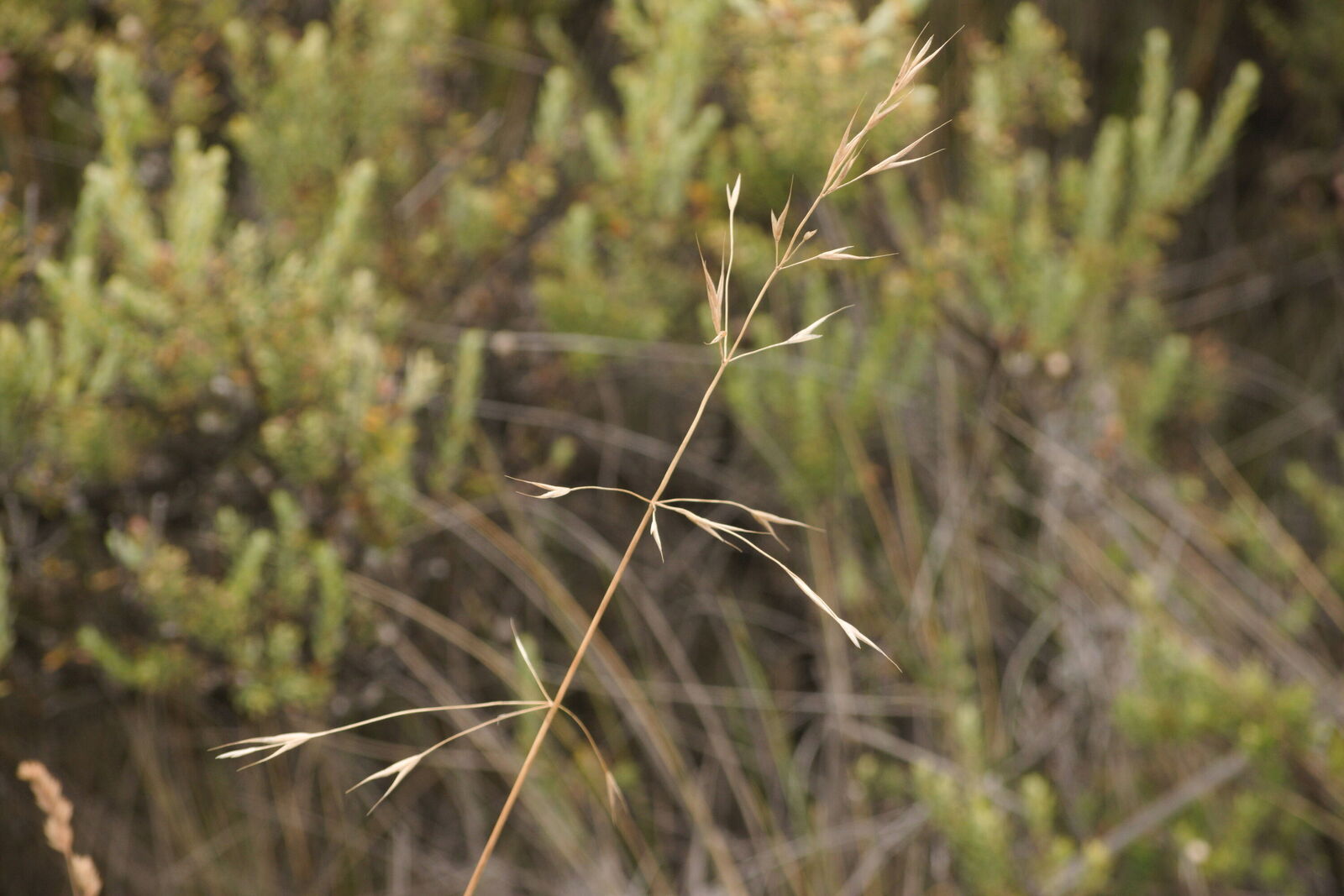
Bromus carinatus
species of plant
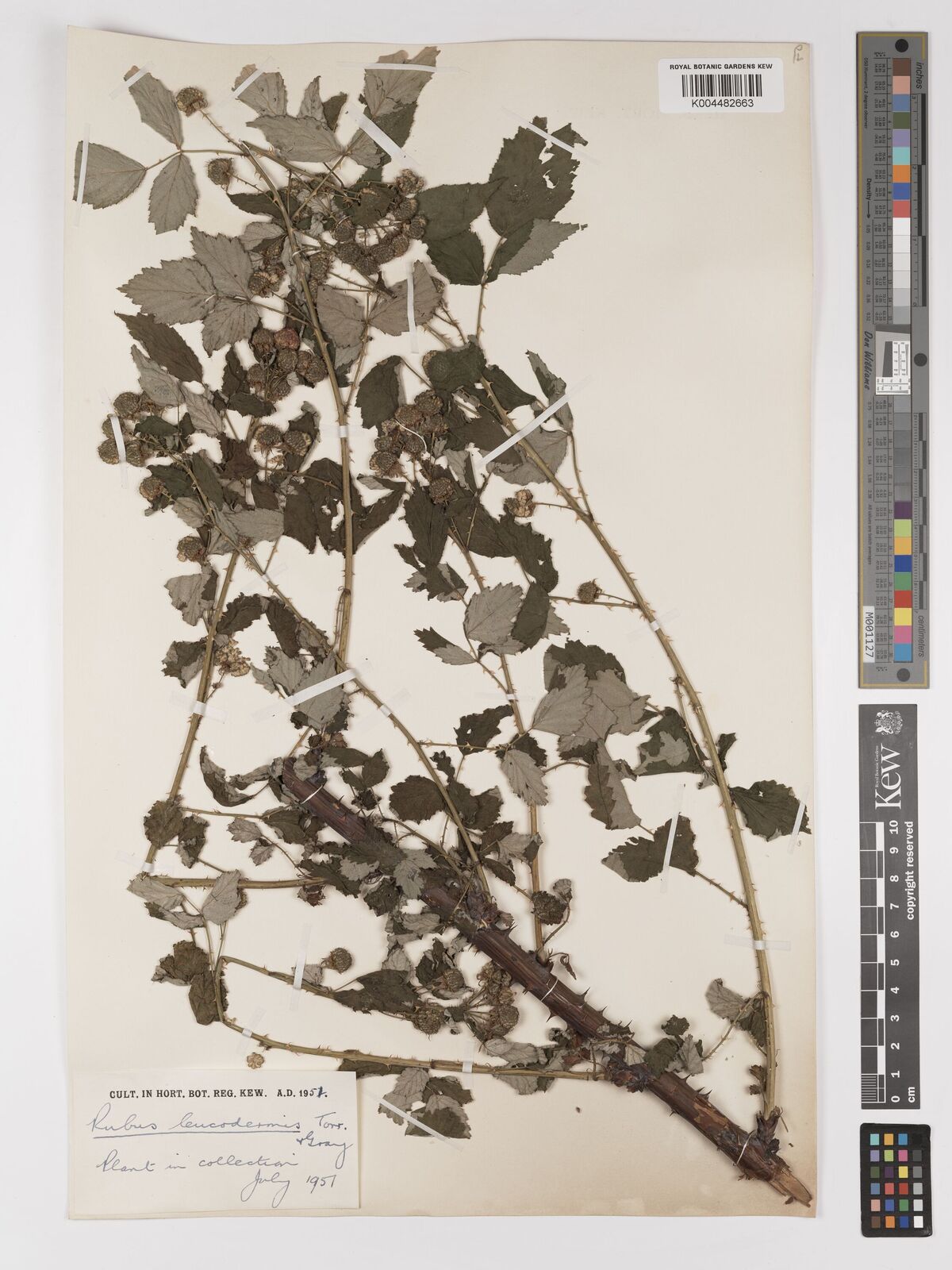
Rubus leucodermis
species of plant
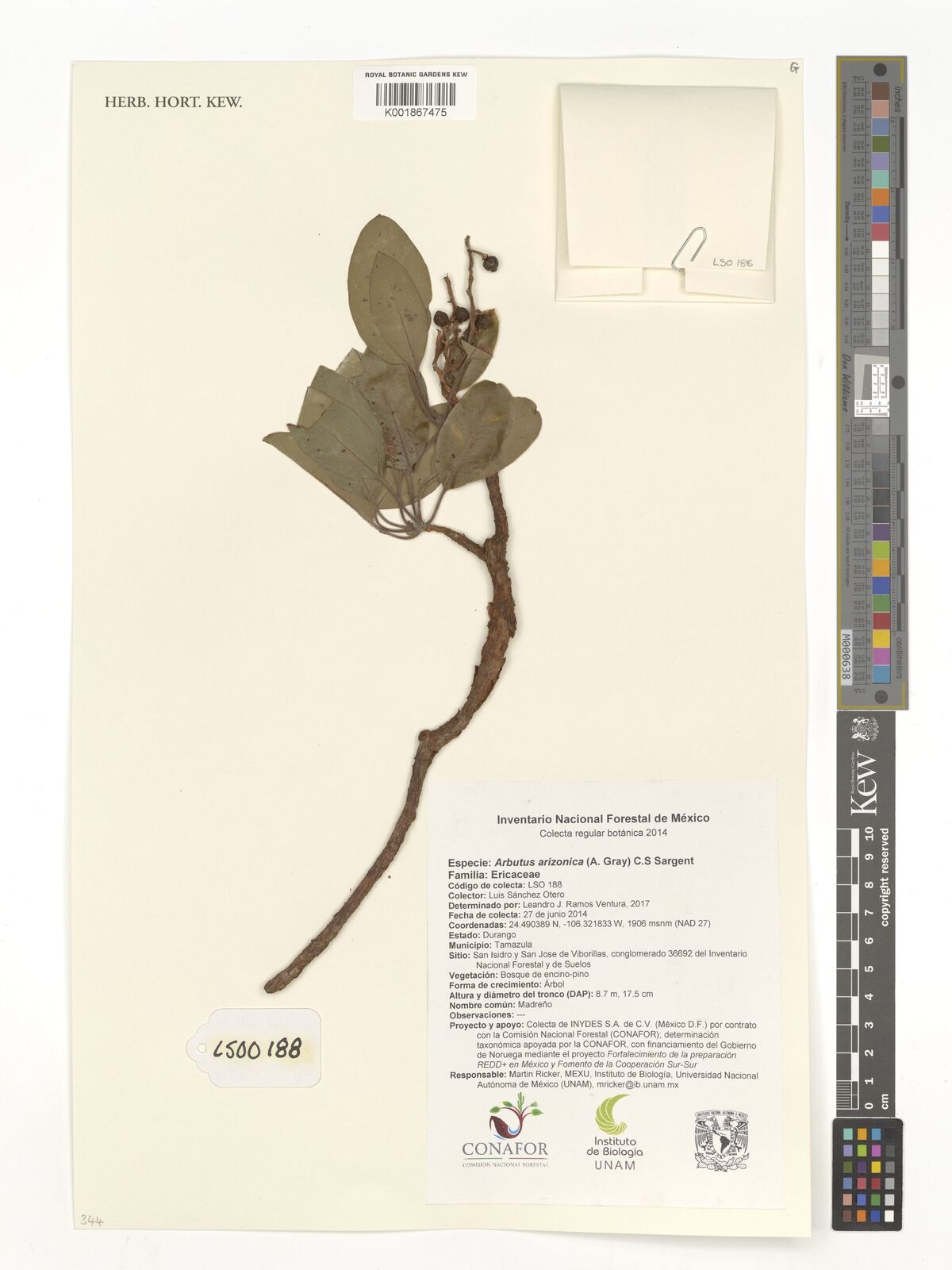
Arbutus arizonica
species of plant
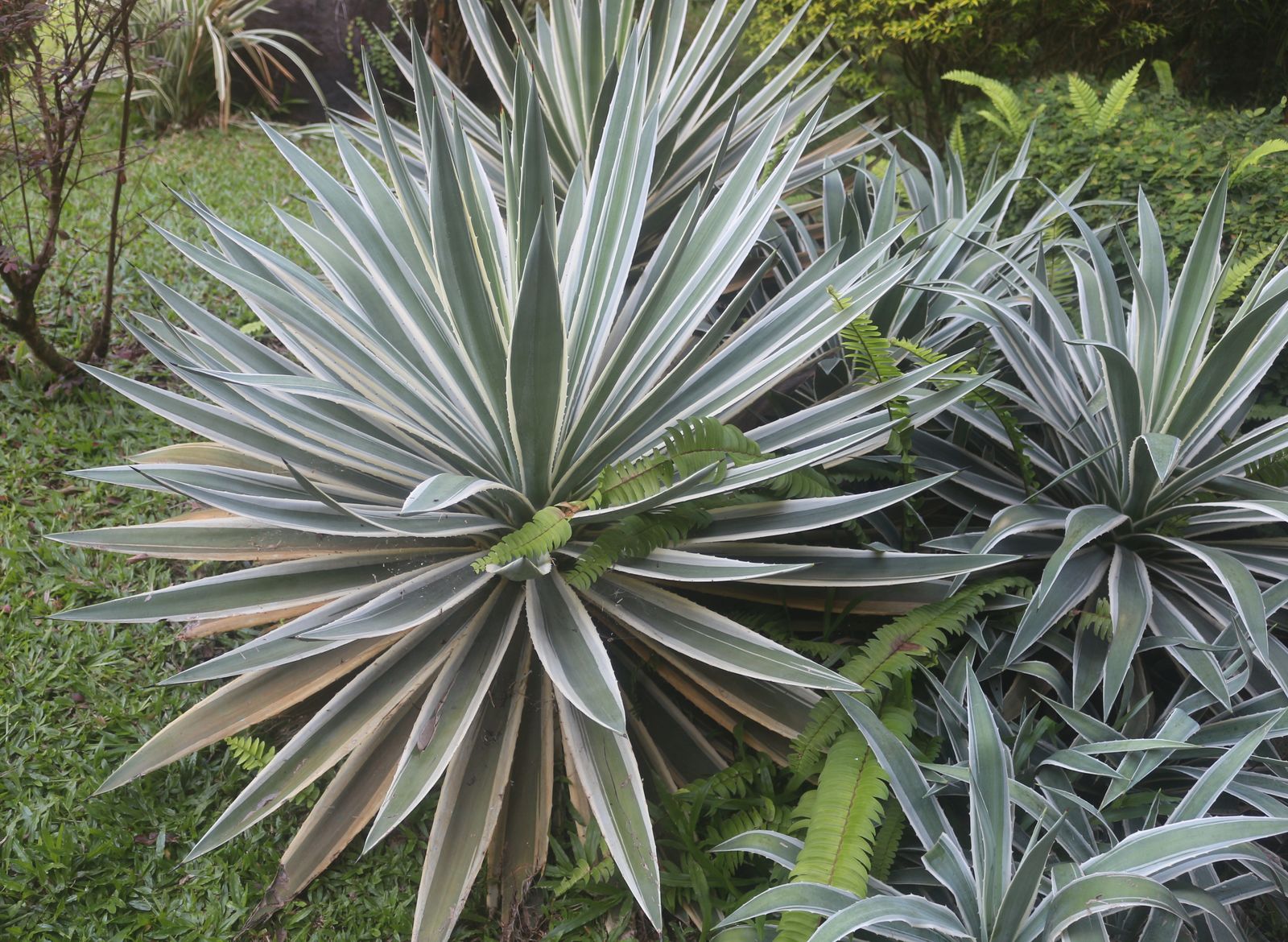
Agave angustifolia
species of plant

Opuntia chlorotica
species of plant

Bursera microphylla
species of plant
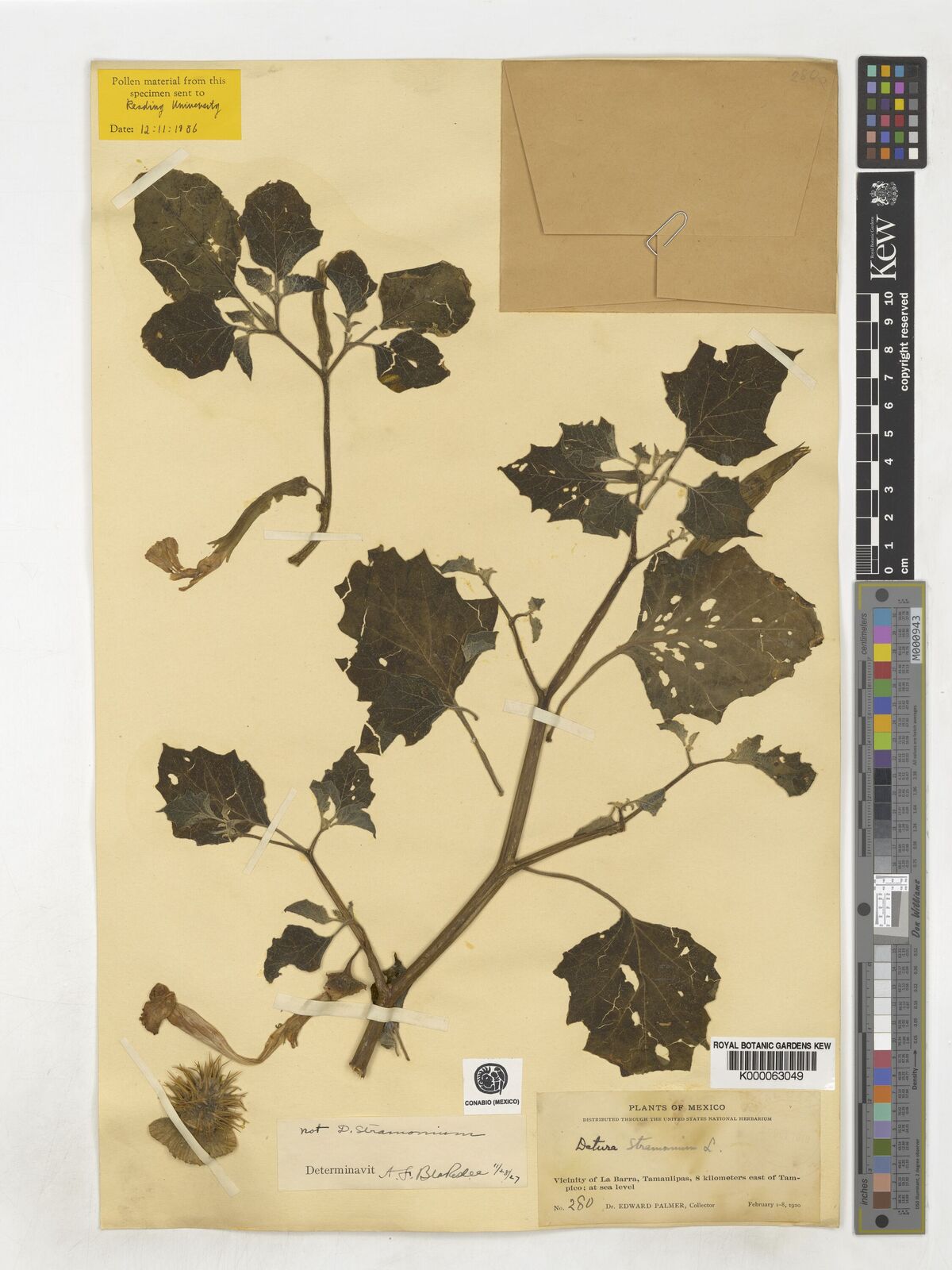
Datura discolor
species of plant

Myrtillocactus geometrizans
species of plant
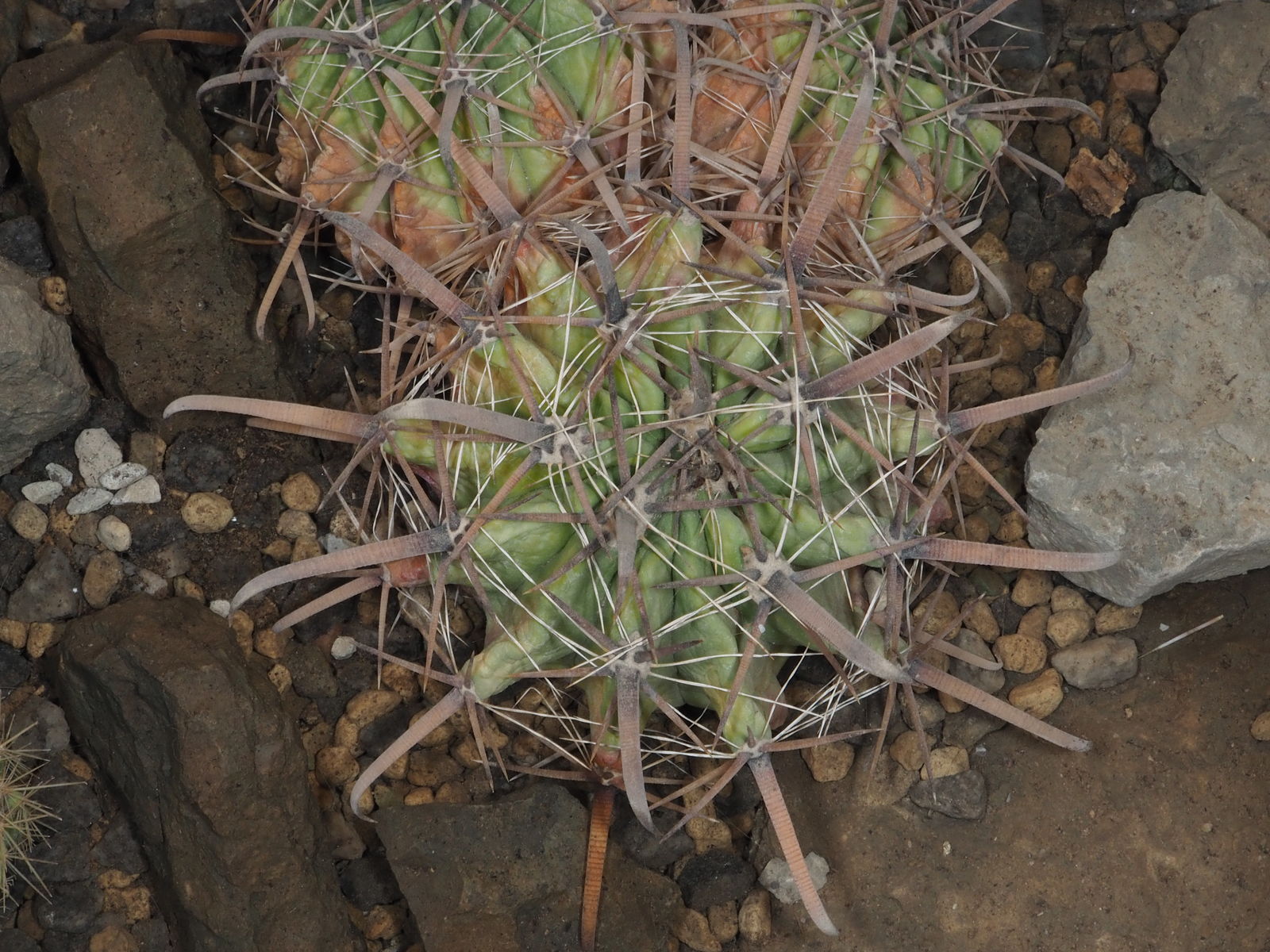
Ferocactus wislizeni
species of plant
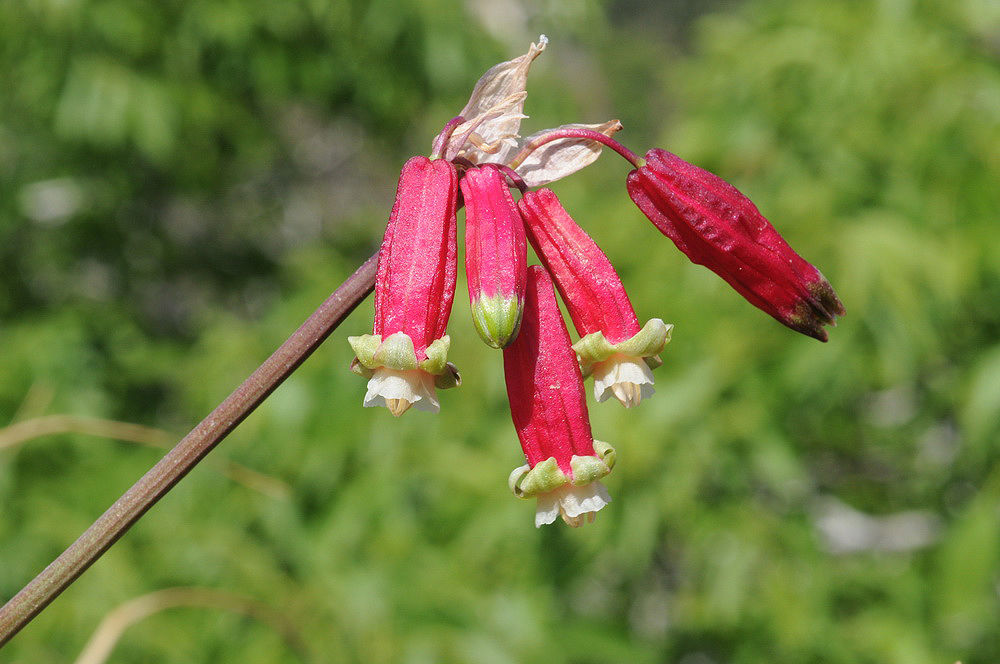
Dichelostemma
Dichelostemma is a genus of North American plants closely related to the genus Brodiaea and sometimes regarded as part of that group.
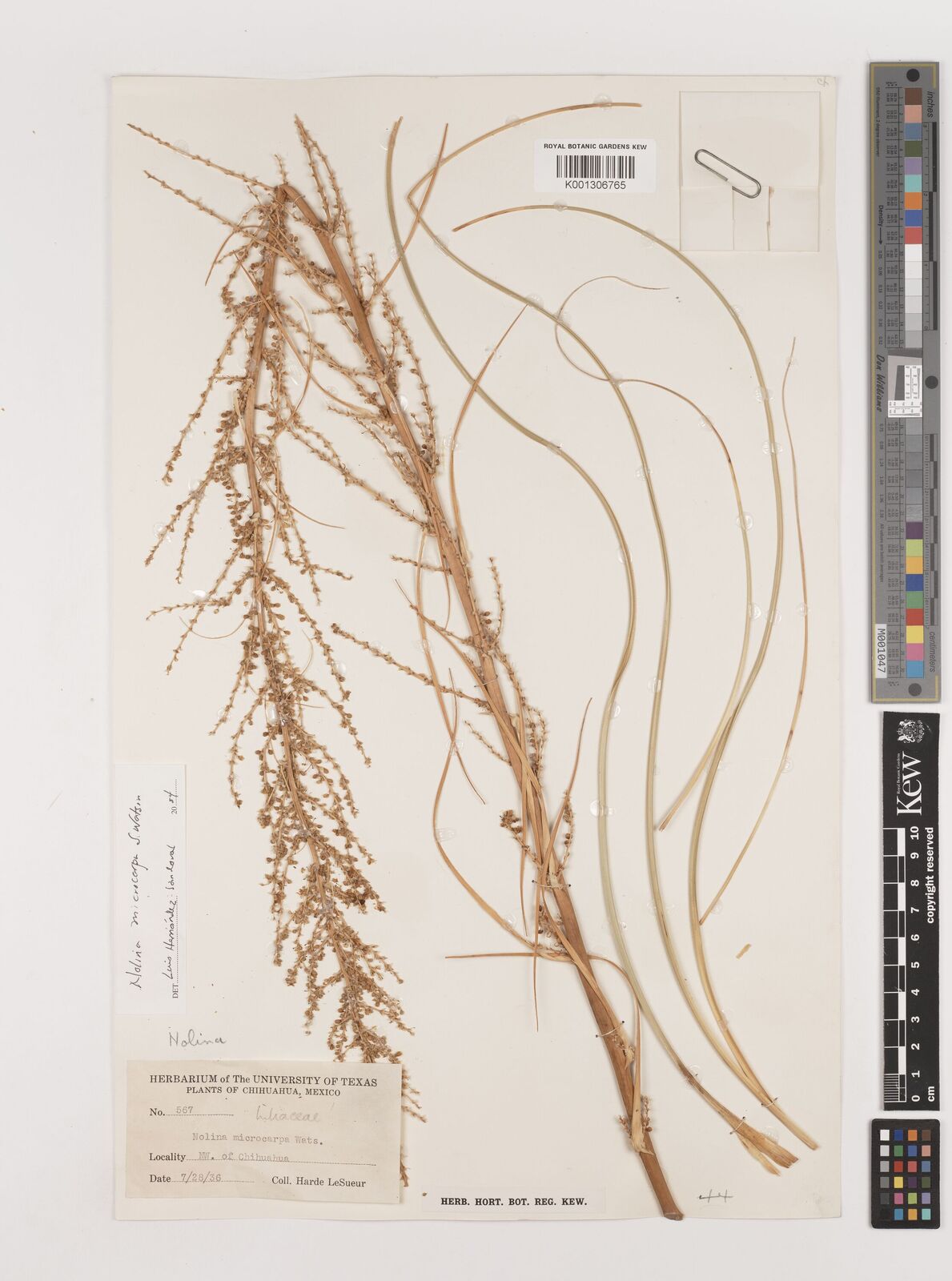
Nolina microcarpa
species of plant
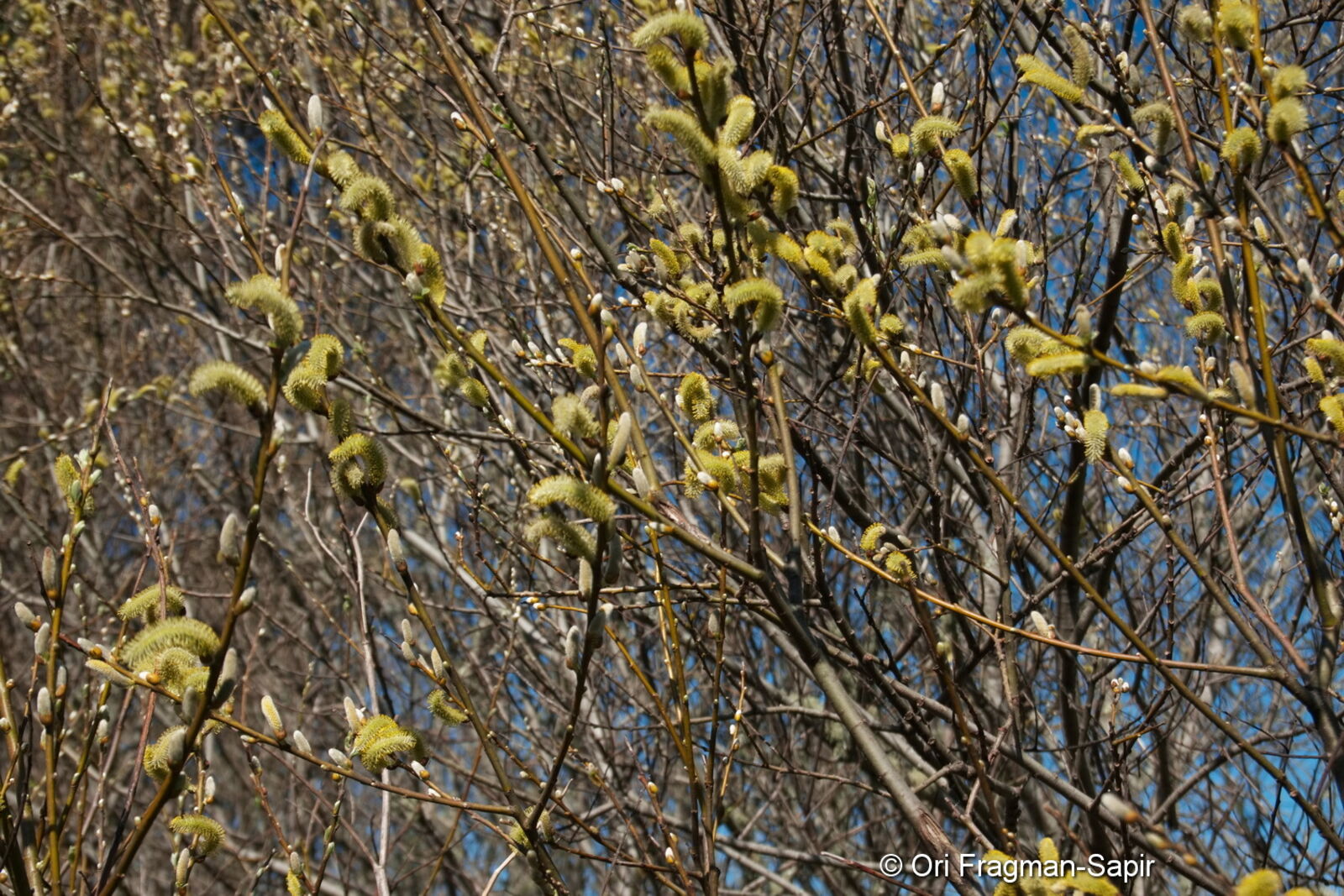
Salix lasiolepis
species of plant
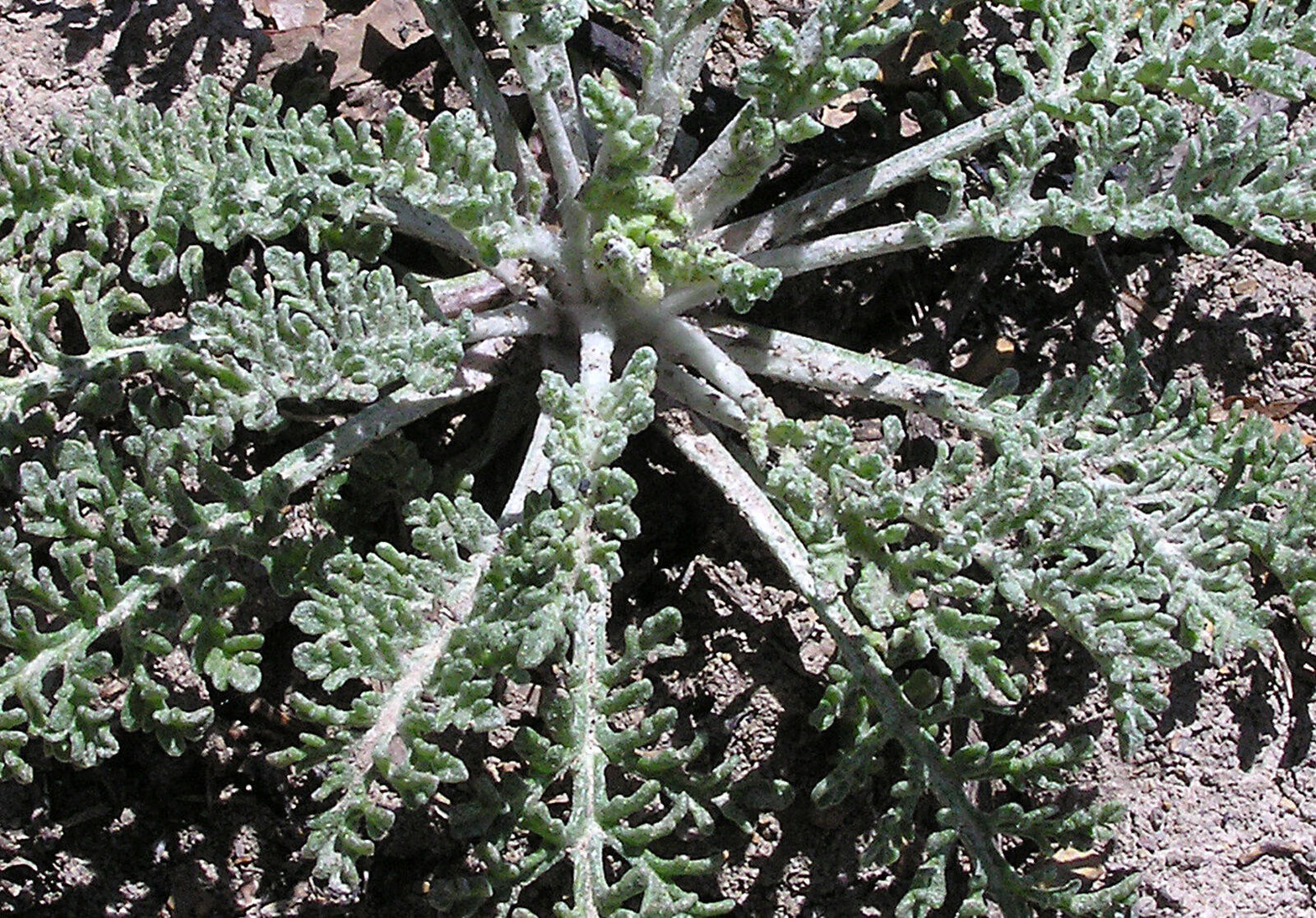
Chaenactis
Chaenactis is a genus of plants in the family Asteraceae which are known generally as pincushions and dustymaidens.
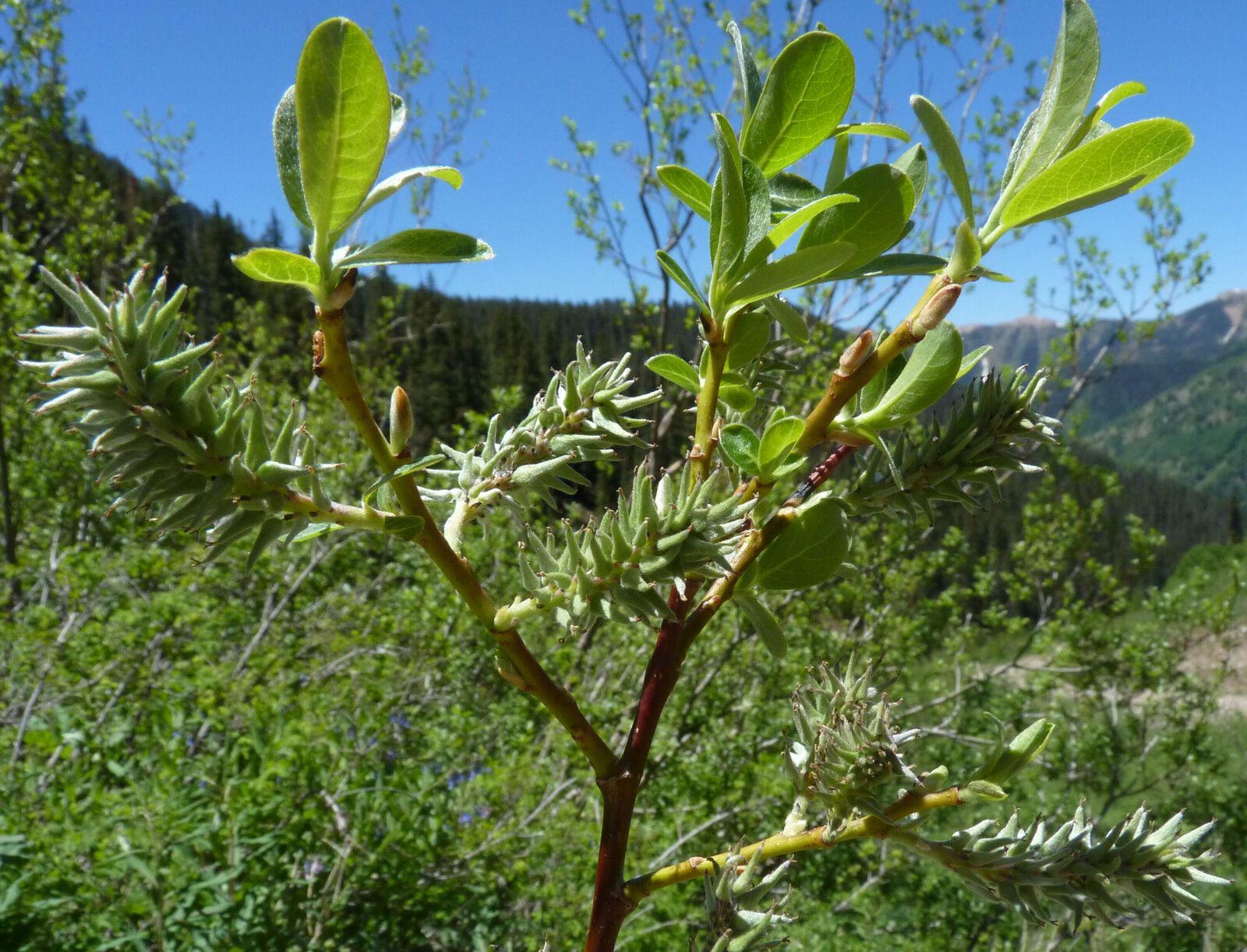
Salix scouleriana
species of plant

Astragalus coccineus
species of plant

Bessera
Bessera is a genus of Mexican plants in the cluster lily subfamily within the asparagus family. It is a small genus of 5 known species of mostly herbaceous flowering plants with corms. They have flowers with petals and petaloid sepals (tepals) with compound pistils.

Astragalus didymocarpus
species of plant
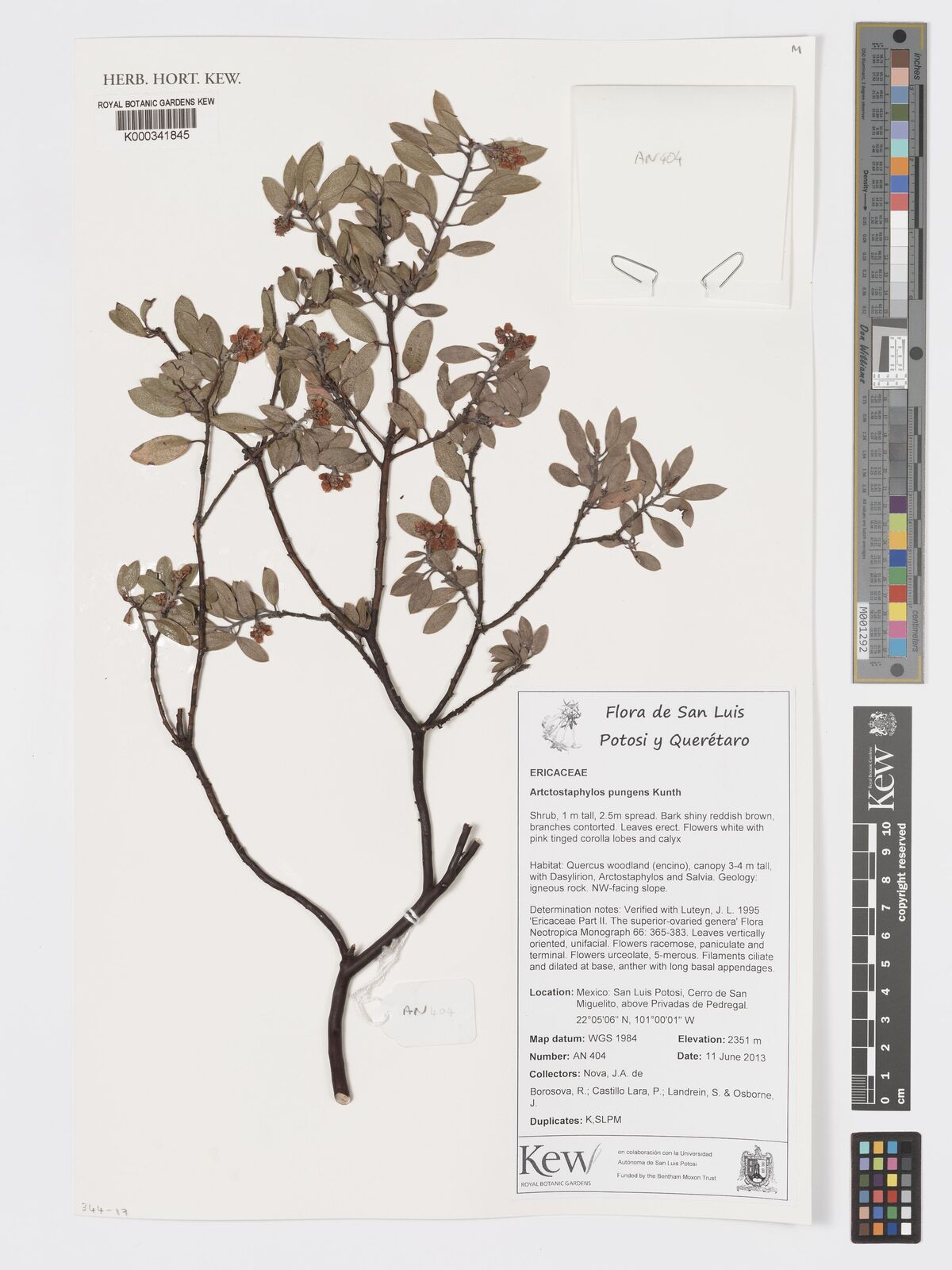
Arctostaphylos pungens
species of plant

Asclepias asperula
species of plant
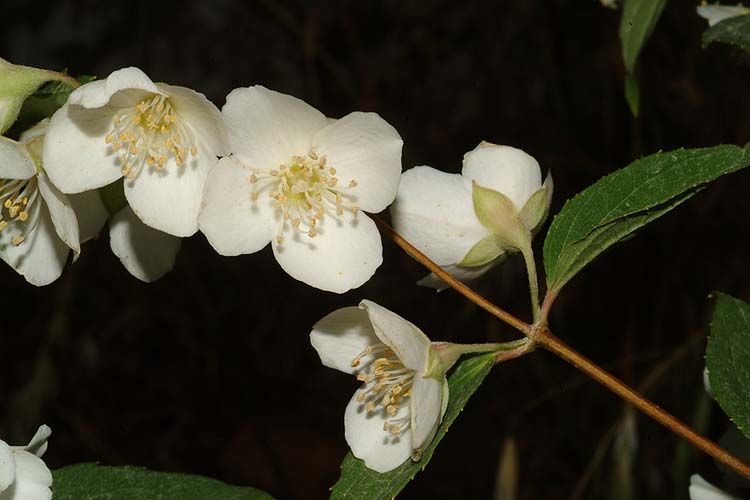
Philadelphus microphyllus
species of plant
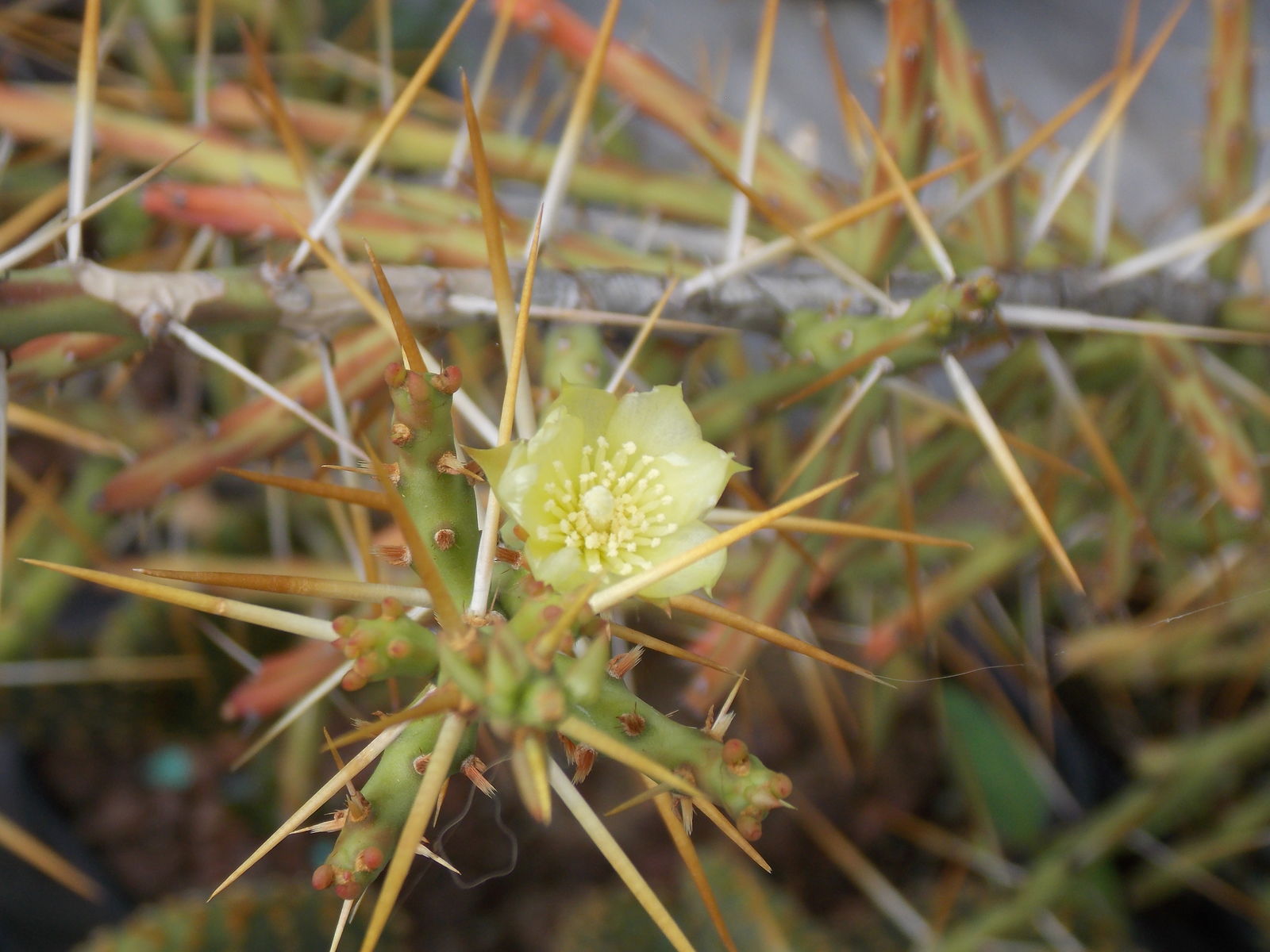
Cylindropuntia leptocaulis
species of plant

Nolina bigelovii
species of plant

Krascheninnikovia lanata
flowering plant species