Category
page 1FloraBase ID same as Wikidata

Nymphaea
Nymphaea () is a genus of hardy and tender aquatic plants in the family Nymphaeaceae. The genus has a cosmopolitan distribution. Many species are cultivated as ornamental plants, and many cultivars have been bred. Some taxa occur as introduced species where they are not native, and some are weeds. Plants of the genus are known commonly as water lilies, or waterlilies in the United Kingdom.

Cyperus papyrus
species of aquatic flowering plant

Atriplex
Atriplex () is a plant genus of about 250 species, known by the common names of saltbush and orache (; also spelled orach). It belongs to the subfamily Chenopodioideae of the family Amaranthaceae s.l..
The genus is quite variable and widely distributed. It includes many desert and seashore plants and halophytes, as well as plants of moist environments.
The generic name originated in Latin and was applied by Pliny the Elder to the edible oraches. The name saltbush derives from the fact that the plants retain salt in their leaves; they are able to grow in areas affected by soil salination.

Teucrium
Teucrium is a cosmopolitan genus of flowering plants in the mint family Lamiaceae, commonly known as germanders. Plants in this genus are perennial herbs or shrubs, with branches that are more or less square in cross-section, leaves arranged in opposite pairs, and flowers arranged in thyrses, the corolla with mostly white to cream-coloured, lobed petals.

Casuarina
right|thumb|Female cones of C. equisetifolia

Hoya
genus of plants

Eucalyptus camaldulensis
Species of plant

Acacia pycnantha
species of wattle

Malva parviflora
species of plant
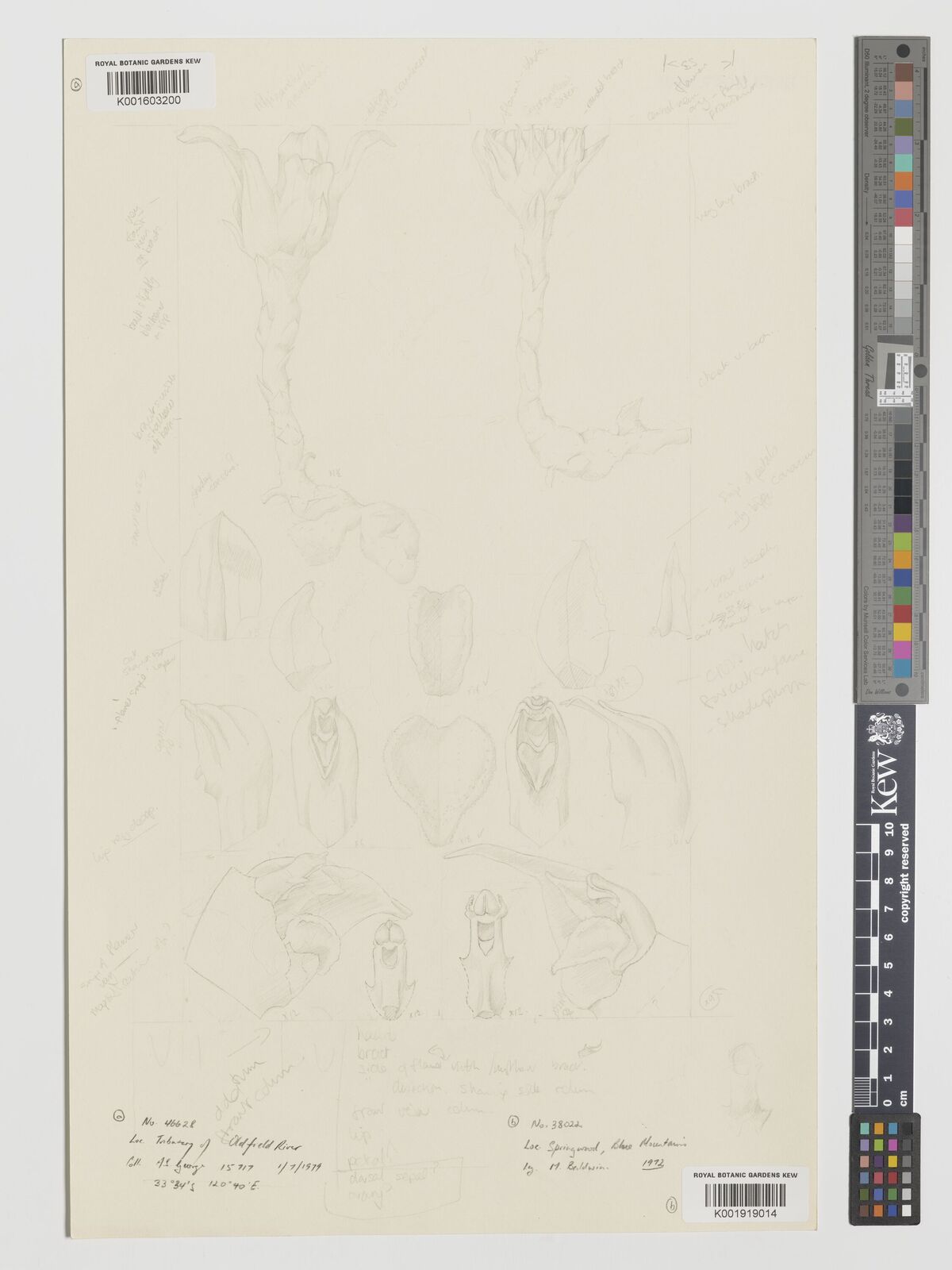
Rhizanthella
Rhizanthella, commonly known as underground orchids, is a genus of flowering plants in the orchid family, Orchidaceae and is endemic to Australia. All are leafless, living underground in symbiosis with mycorrhizal fungi. The inflorescence is a head of flowers held at, or just above the ground but mostly covered by soil or leaf litter and little is known about the mechanism of pollination.
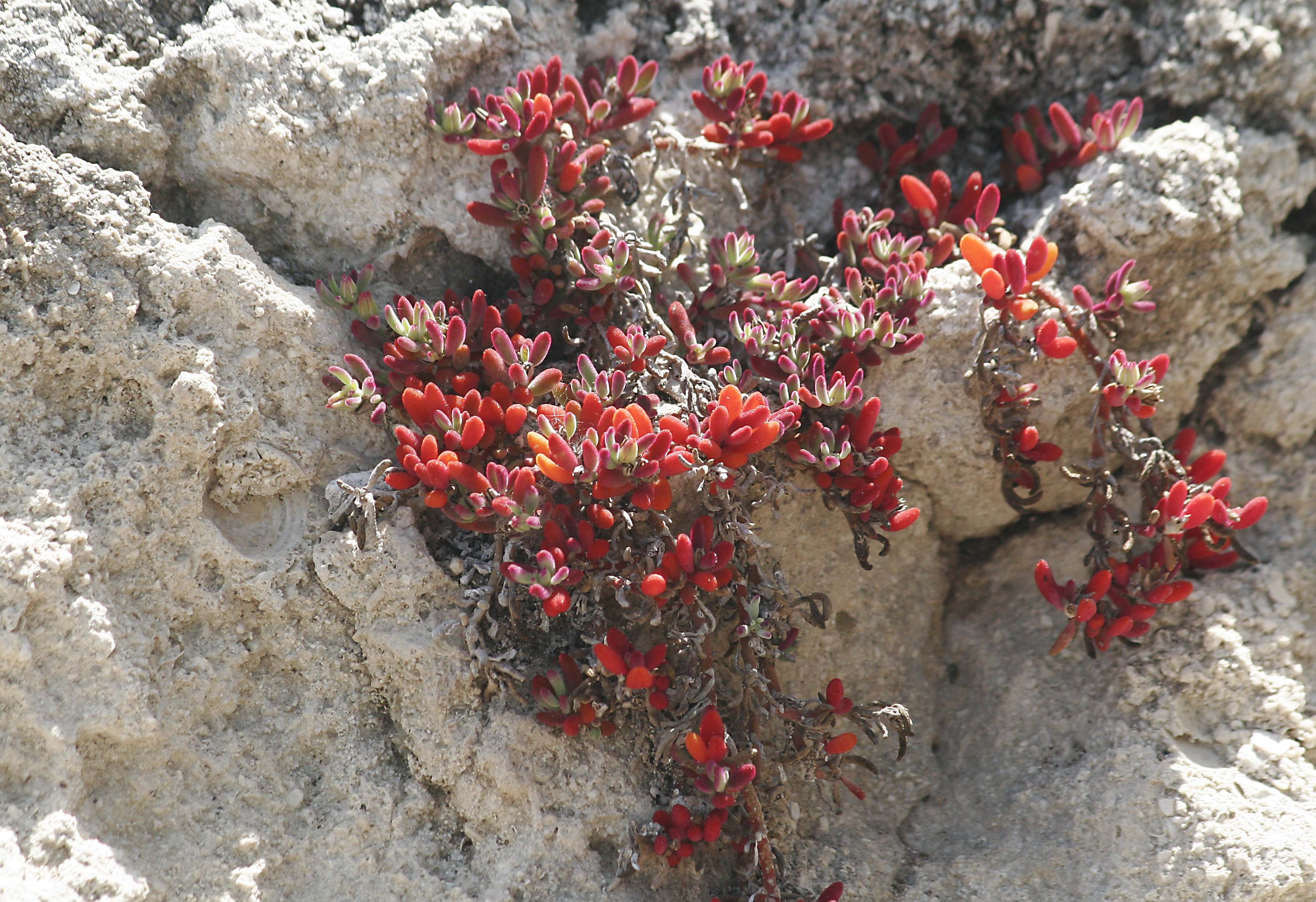
Sesuvium portulacastrum
species of plant

Acacia baileyana
species of plant

Cucumis anguria
species of plant

Eucalyptus diversicolor
species of eucalyptus endemic to Western Australia

Santalum acuminatum
species of plant

Corymbia
thumb|Fruit of Corymbia intermedia
.jpg)
Diuris
Diuris, commonly known as donkey orchids, bee orchids, nanny goat orchids or pansy orchids, is a genus of more than sixty species of flowering plants in the orchid family, Orchidaceae and is endemic to Australia, apart from one species endemic to Timor. The name "Diuris" refers to the hanging sepals but the common name "donkey orchid", derives from the ear-like petals common to all species. Many have mainly yellow flowers with darker markings and are thought to mimic nectar-producing flowers which open at the same time.
.001.jpg)
Pterostylis
thumb|right|Labelled diagram of Pterostylis metcalfei
thumb|right|Pterostylis coccina, sepals and petals removed(1) - labellum(2) - hinge(3) - stigma(4) - pollinia

Caladenia
Caladenia, commonly known as spider orchids, is a genus of 350 species of plants in the orchid family, Orchidaceae. Spider orchids are terrestrial herbs with a single hairy leaf and a hairy stem. The labellum is fringed or toothed in most species and there are small projections called calli on the labellum. The flowers have adaptations to attract particular species of insects for pollination. The genus is divided into three groups on the basis of flower shape, broadly, spider orchids, zebra orchids and cowslip orchids, although other common names are often used. Although they occur in other co

Macrozamia
Macrozamia is a genus of around forty cycad species endemic to Australia. Many parts of the plant have been utilised for food and material, most of which is toxic if not processed correctly.
== Description ==
A genus of cycads with partially submerged bole or tree, small to medium height, bearing a crown of palm-like fronds. The dioecious plants bear large cones, becoming even larger when ripening on the female, containing reproductive parts of great size.
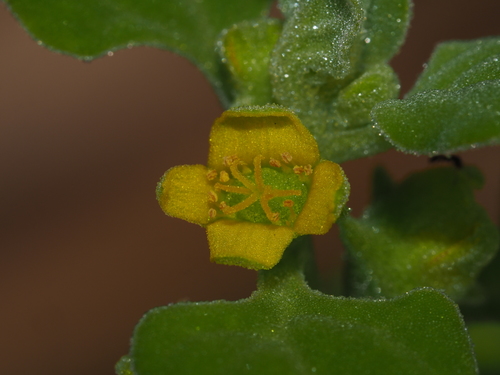
Tetragonia
Tetragonia is a genus of 51 species of flowering plants in the family Aizoaceae, native to temperate and subtropical regions mostly of the Southern Hemisphere, in New Zealand, Australia, southern and eastern Africa, and western South America, and eastern Asia.

Allocasuarina
right|thumb|Allocasuarina littoralis drawing (Edward Minchen)
thumb|Allocasuarina inophloia

Acacia aneura
species of shrub or small tree endemic to Australia

Corymbia ficifolia
species of tree endemic to Western Australia

Dianella
genus of plants

Acrotriche
thumb|Fruit of Acrotriche divaricata

Dipodium
Dipodium, commonly known as hyacinth orchids, is a genus of about forty species of orchids native to tropical, subtropical and temperate regions of south-east Asia, New Guinea, the Pacific Islands and Australia. It includes both terrestrial and climbing species, some with leaves and some leafless, but all with large, often colourful flowers on tall flowering stems. It is the only genus of its alliance, Dipodium.

Corymbia calophylla
tree found in Western Australia

Acacia cyclops
species of plant

Chamelaucium
Chamelaucium, also known as waxflower, is a genus of shrubs endemic to south western Western Australia. They belong to the myrtle family Myrtaceae and have flowers similar to those of the tea-trees (Leptospermum). The most well-known species is the Geraldton wax, Chamelaucium uncinatum, which is cultivated widely for its large attractive flowers.

Microtis
genus of plants

Banksia verticillata
species of plant

Cyperus haspan
species of plant

Eucalyptus jacksonii
species of plant

Calochilus
Calochilus, commonly known as beard orchids, is a genus of about 30 species of plants in the orchid family, Orchidaceae. Beard orchids are terrestrial herbs with a single leaf at the base of the plant, or no leaves. Their most striking feature is a densely hairy labellum, giving rise to their common name. Beard orchids, unlike some other Australian orchids, do not reproduce using daughter tubers, but self-pollinate when cross-pollination has not occurred. Most species occur in Australia but some are found in New Zealand, New Guinea and New Caledonia.

Agonis
Agonis is a genus of flowering plants in the plant family Myrtaceae. All are endemic to Western Australia, growing near the coast in the south west. Plants in the genus Agonis are shrubs or trees with bisexual flowers arranged in heads in leaf axils with 5 sepals and usually 5 white petals, each with 15 to 30 stamens arranged opposite the sepals, and the fruit a woody capsule.

Byblis gigantea
species of plant

Amphibolis
Amphibolis is a genus in the family Cymodoceaceae. It includes two species of sea grass endemic to the western and southern coast of Australia, Amphibolis antarctica and Amphibolis griffithii, commonly known as sea nymph or wire weed.

Kennedia
thumb|Kennedia rubicunda, [[Wolli Creek, Sydney, NSW]]
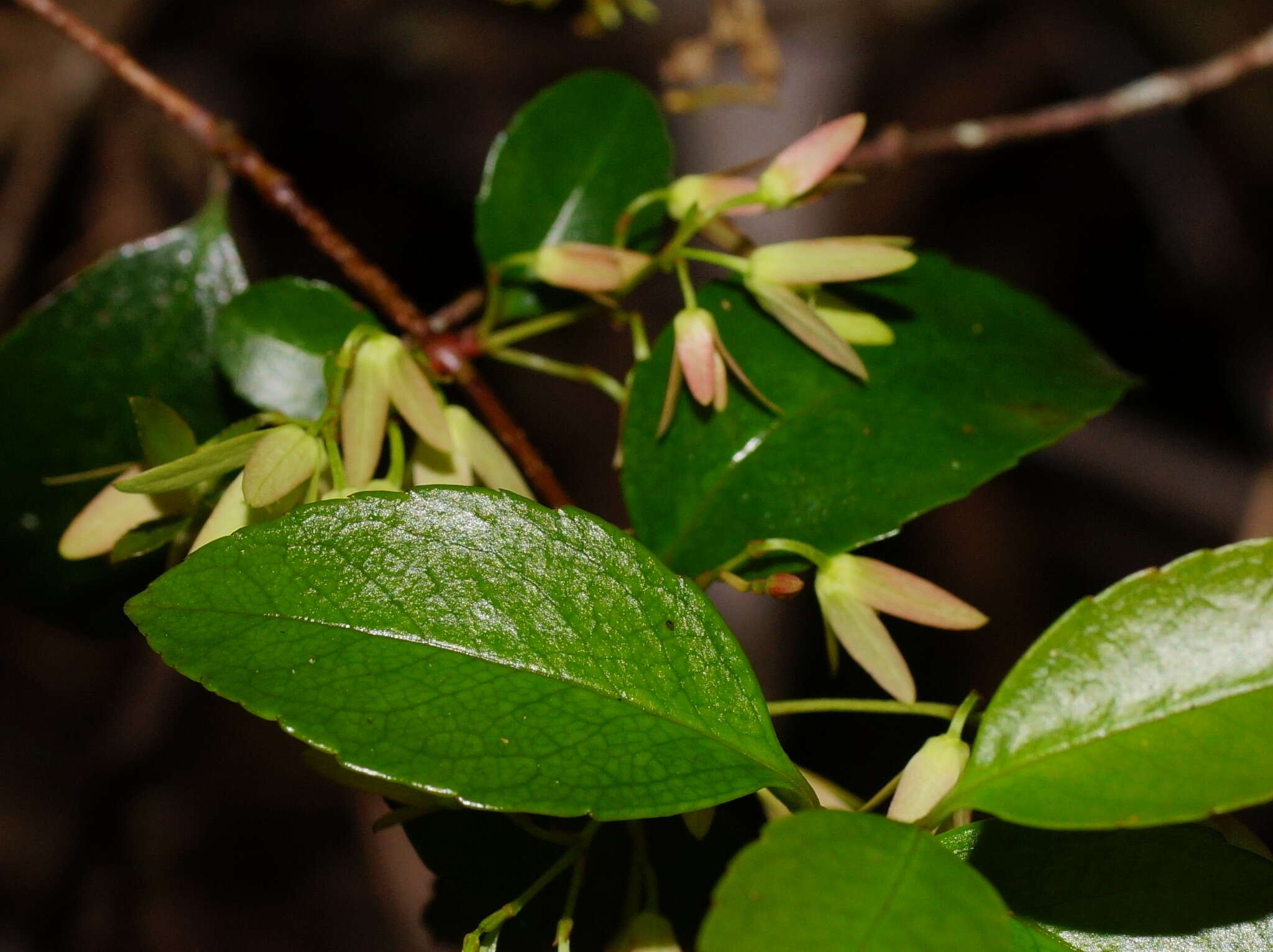
Aphanopetalum
Aphanopetalum is a genus of twining shrubs or vines in the family Aphanopetalaceae which is endemic to Australia.

Banksia dentata
species of plant

Darwinia
genus of plants

Cephalotus
Cephalotus ( or ; Greek: κεφαλή "head", and οὔς/ὠτός "ear", to describe the head of the anthers) is a genus which contains one species, Cephalotus follicularis the Albany pitcher plant, a small carnivorous pitcher plant. The pit-fall traps of the modified leaves have inspired the common names for this plant, which also include Western Australian pitcher plant, Australian pitcher plant, or fly-catcher plant. It is an evergreen herb that is endemic to peaty swamps in the southwestern corner of Western Australia. As with the unrelated Nepenthes, it catches its victims with pitfall traps.
.jpg)
Prasophyllum
Prasophyllum, commonly known as leek orchids, is a genus of about 140 species of flowering plants in the orchid family, Orchidaceae and is found in Australia and New Zealand. The Australian species are found in all states but have not been recorded in the Northern Territory. The common name arises from their having a hollow, leek- or onion-like leaf. Some species only flower after summer fires and have flowers similar to those of Xanthorrhoea which flower at the same time, suggesting that they employ the same pollinating insects. Leek orchids are similar to those in the genus Genoplesium excep

Actinobole
Actinobole is a genus of dwarf annual herbs in the family Asteraceae described as a genus in 1843.
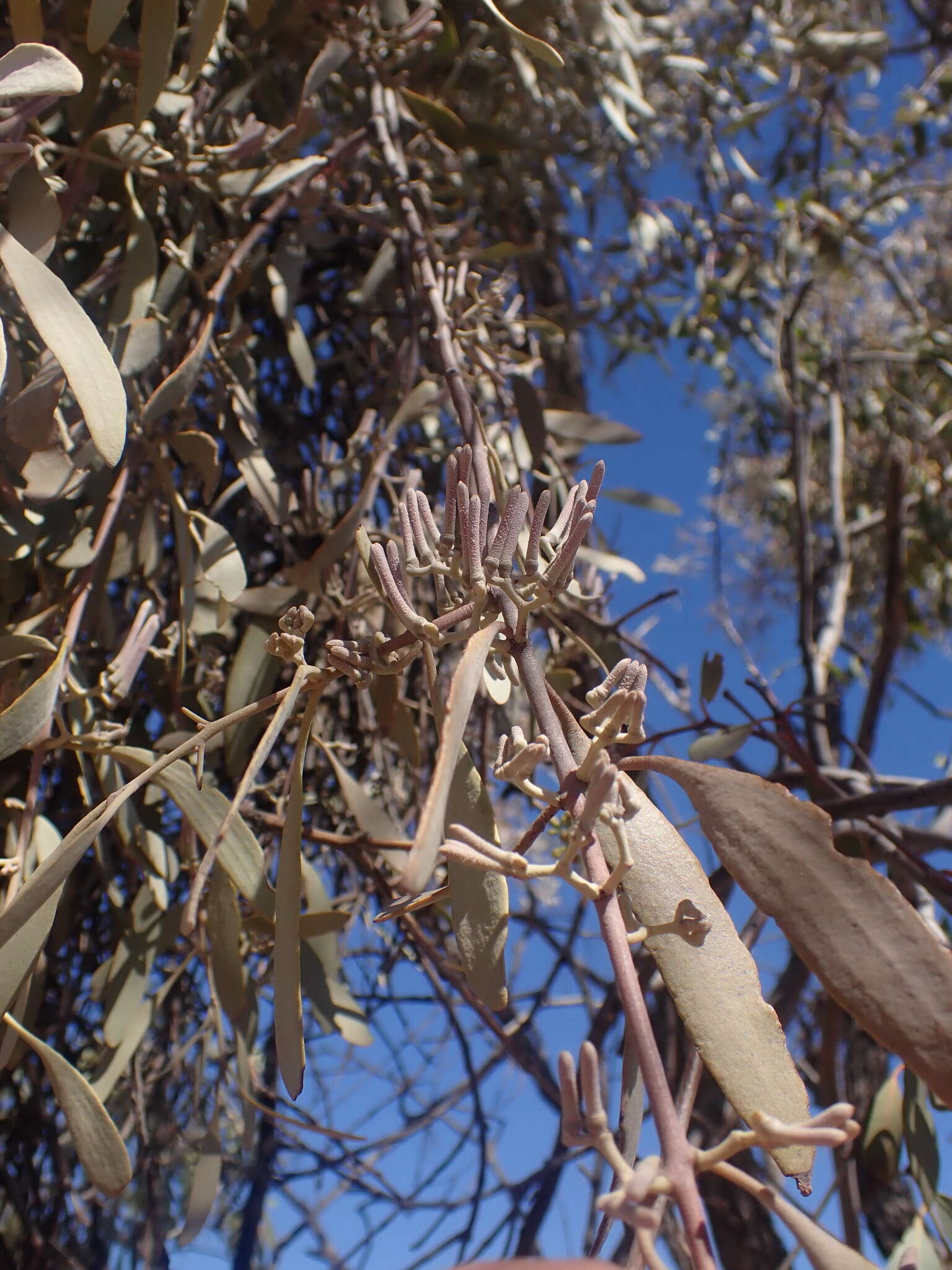
Amyema
Amyema is a genus of semi-parasitic shrubs (mistletoes) which occur in Malesia and Australia.

Banksia aculeata
species of plant

Prostanthera
thumb|Prostanthera aspalathoides
thumb|Prostanthera campbellii
thumb|Prostanthera decussata
thumb|Prostanthera grylloana
thumb|Prostanthera hirtula
thumb|Prostanthera lasianthos
thumb|Prostanthera magnifica
thumb|Prostanthera stenophylla
thumb|Prostanthera striatiflora
thumb|Prostanthera walteri

Acacia tetragonophylla
species of plant
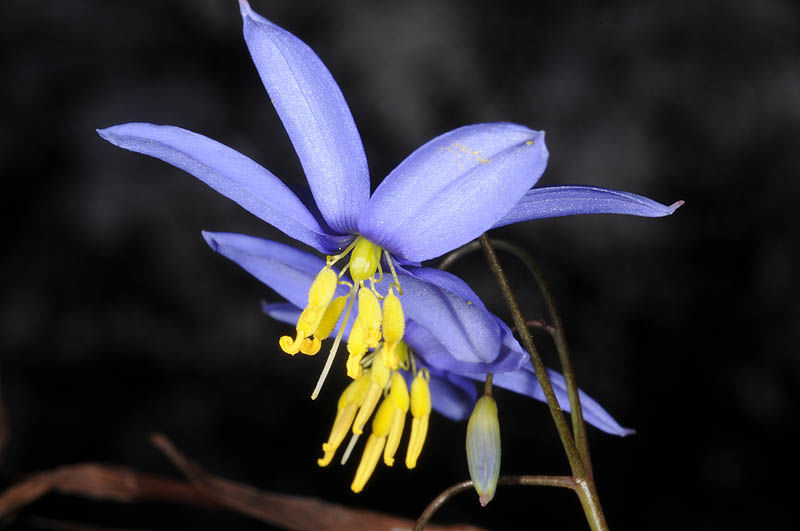
Stypandra
Stypandra is a small genus of rhizomatous perennials in the family Asphodelaceae, subfamily Hemerocallidoideae. They are native to Australia and New Caledonia.

Hovea
thumb|Hovea linearis
thumb|Hovea pannosa

Ailanthus triphysa
species of plant

Chamelaucium uncinatum
species of plant

Eucalyptus salubris
eucalypt endemic to Western Australia

Acacia cyperophylla
species of legume

Muehlenbeckia complexa
species of plant

Calytrix
Calytrix is a genus of about 83 species of flowering plants, commonly known as star flowers, in the family Myrtaceae and is endemic to Australia. Plants in the genus Calytrix are small to large shrubs with small, spreading and more or less round leaves, the flowers arranged singly in leaf axils. The flowers are bisexual with 5 overlapping sepals with a long awn, and many stamens.

Acacia brachystachya
species of plant
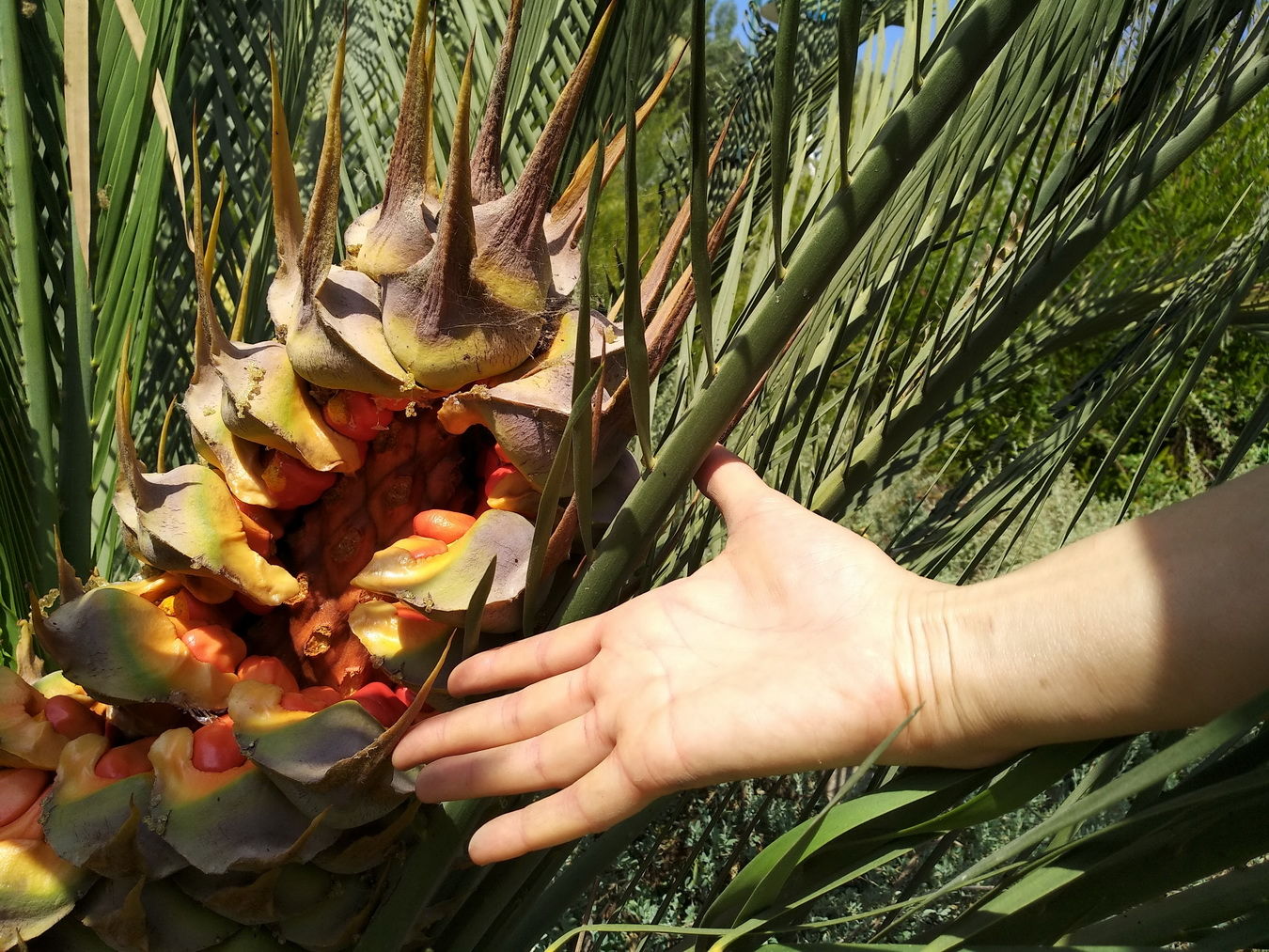
Macrozamia riedlei
species of plant
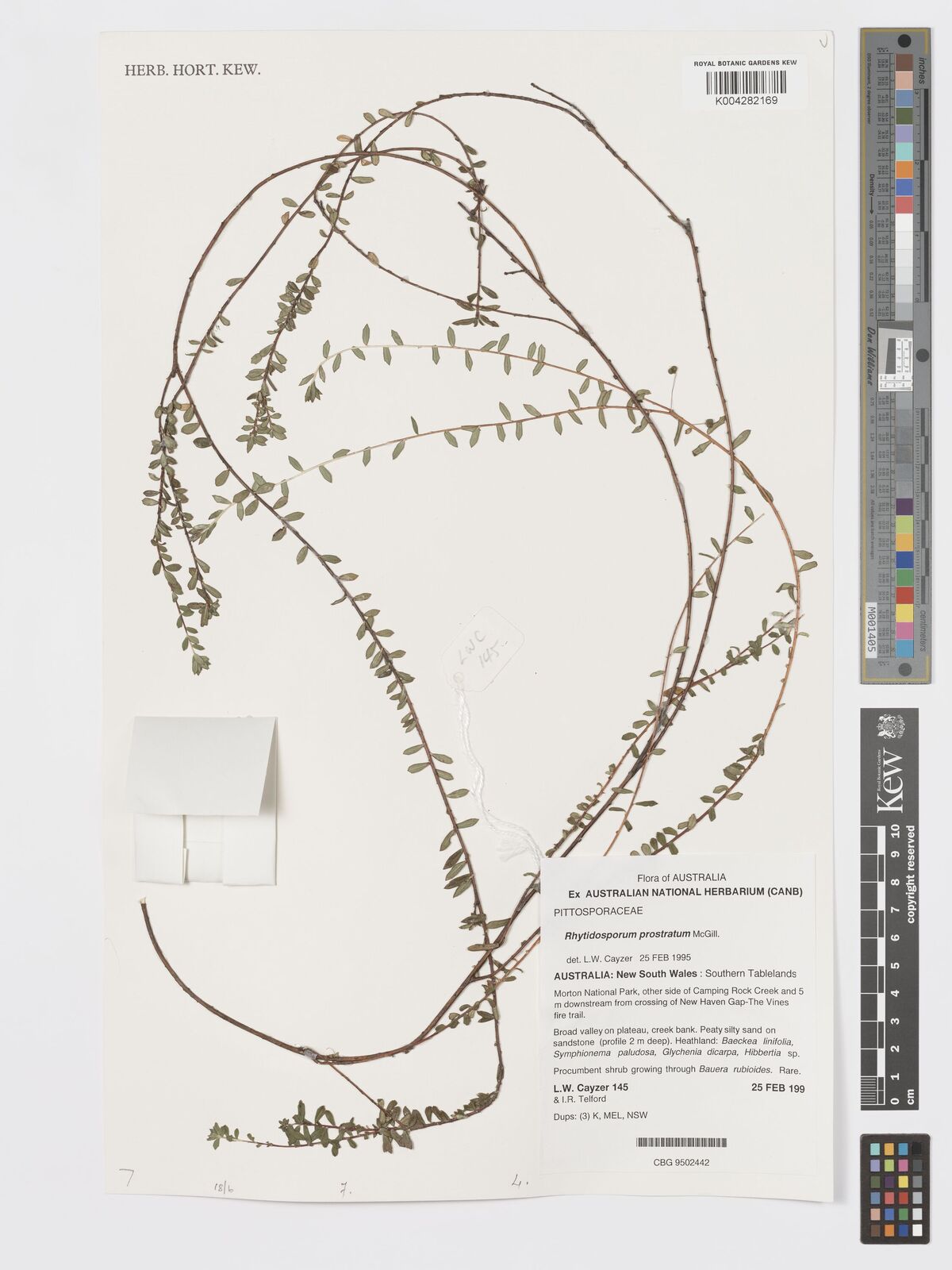
Billardiera
Billardiera, commonly known as appleberries, snot berries, or bluebell creepers, is a genus of flowering plants in the family, Pittosporaceae and is endemic to Australia. Plants in the genus Billardiera are woody scramblers, climbers or twiners with elliptic, lance-shaped or linear leaves arranged alternately along the stems, the flowers with petals that are joined to form a tube at the base with spreading lobes, and succulent or fleshy fruit.