Category
page 1Fly superfamilies

Muscoidea
Muscoidea is a superfamily of flies in the subsection Calyptratae. Muscoidea, with approximately 7000 described species, is nearly 5% of the known species level diversity of the Diptera, the true flies. Most muscoid flies are saprophagous, coprophagous or necrophagous as larvae, but some species are parasitic, predatory, or phytophagous.
In September 2008, a study was done on the superfamily using both nucleic and mitochondrial DNA and the conclusion suggested that Muscoidea may actually be paraphyletic.
== References ==
Oestroidea
Oestroidea is a superfamily of Calyptratae that includes the blow flies, bot flies, flesh flies, and their relatives. It occurs worldwide and has about 15,000 described species.
Culicoidea
The Culicoidea are a superfamily within the order Diptera. The following families are included within the Culicoidea:
Chironomoidea
The Chironomoidea are a superfamily within the order Diptera, suborder Nematocera, infraorder Culicomorpha. This superfamily contains the families Chironomidae, Ceratopogonidae, Simuliidae, and Thaumaleidae.
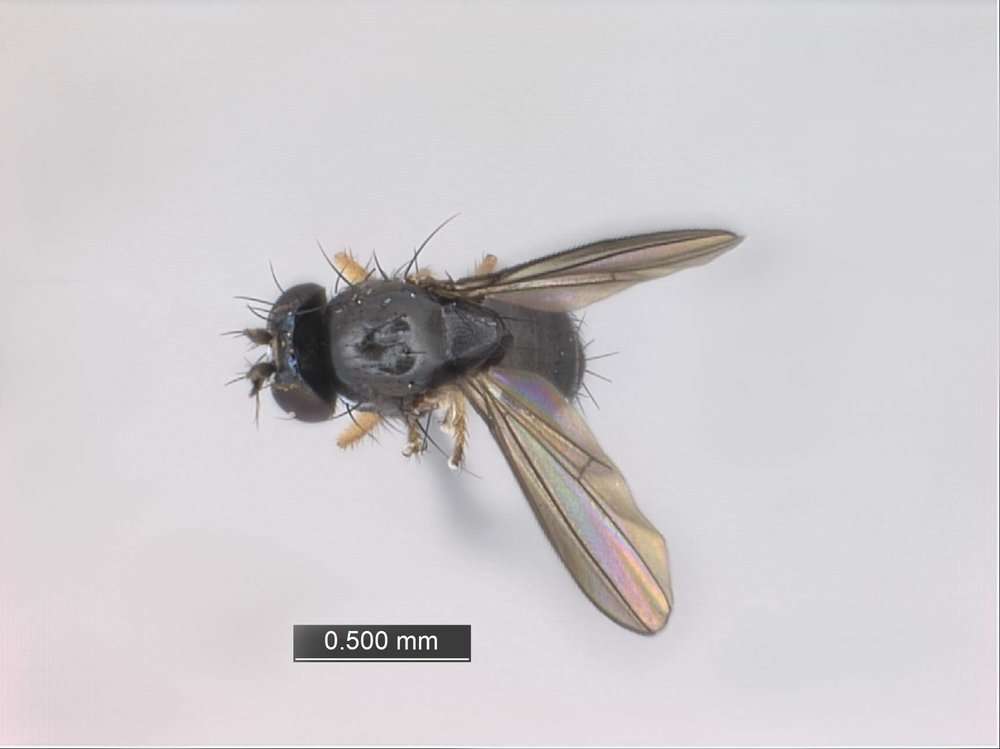
Ephydroidea
The Ephydroidea are a superfamily of muscomorph flies, with over 6,000 species.
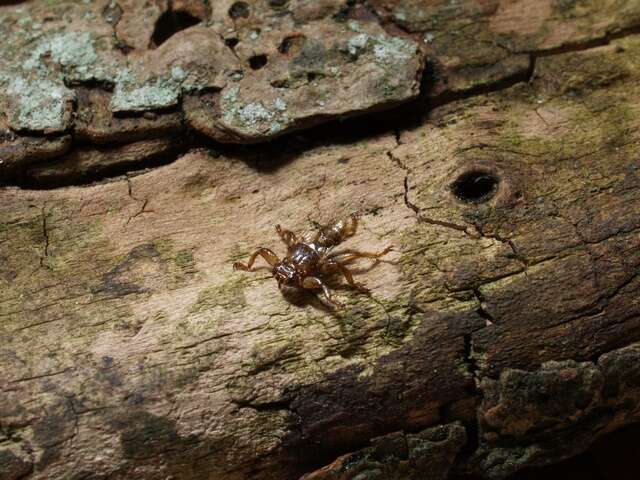
Hippoboscoidea
Hippoboscoidea is a superfamily of the Calyptratae. The flies in this superfamily are blood-feeding obligate parasites of their hosts. Four families are often placed here:

Asiloidea
The Asiloidea comprise a very large superfamily insects in the order Diptera, the true flies. It has a cosmopolitan distribution, occurring worldwide. It includes the family Bombyliidae, the bee flies, which are parasitoids, and the Asilidae, the robber flies, which are predators of other insects.
%20-%20Flickr%20-%20S.%20Rae.jpg)
Tephritoidea
The Tephritoidea are a superfamily of flies. It has over 7,800 species, the majority of them in family Tephritidae.

Empidoidea
thumb|Pictures of posterior part of abdomen. (A–E) male genitalia in dorsal view, Atelestus pulicarius (A), Neurigona suturalis (B), Empis vitripennis (C), Hybos grossipes (D), Ragas unica (E); (F, G) male genitalia in dorsal view, Clinocera nivalis (F), E. vitripennis (G); (H–J), female genitalia in dorsal view, C. nivalis (H), E. vitripennis (I), Trichopeza longicornis (J).
thumb|Photographs of right wing of several Empidoidea species. Abbreviations: h, humeral crossvein; Rs, radial sector; r‐m, radial‐medial crossvein; M1, first medial vein; M1+2, first and second medial vein (unbranched);
Syrphoidea
The Syrphoidea are a superfamily of flies containing only two families under present classification, one of which (Syrphidae) has a great number of the most common and familiar flies.
== References ==
Tabanoidea
Superfamily Tabanoidea are insects in the order Diptera.
Sciaroidea
Sciaroidea is a superfamily in the infraorder Bibionomorpha. There are about 16 families and more than 15,000 described species in Sciaroidea. Most of its constituent families are various gnats (e.g. fungus gnats).
Opomyzoidea
The Opomyzoidea are a superfamily of flies.
Carnoidea
Carnoidea is a superfamily of Acalyptratae flies.
Diopsoidea
The Diopsoidea are a small but diverse cosmopolitan superfamily of acalyptrate muscoids, especially prevalent in the tropics. Some flux exists in the family constituency of this group, with the Strongylophthalmyiidae and Tanypezidae formerly being in this group but now in the Nerioidea.
Nerioidea
thumb|right|alt=Telostylinus lineolatus male aggressively posturing to another|Telostylinus lineolatus
Nerioidea is a superfamily of Acalyptratae flies.
Platypezoidea
The Platypezoidea are a superfamily of true flies of the section Aschiza. Their closest living relatives are the Syrphoidea, which, for example, contain the hoverflies. Like these, the adults do not burst open their pupal cases with a ptilinum when hatching, thus the Aschiza do not have the inverted-U-shaped suture above the antennae. They are, however, muscomorphs, thus have a particular type of pupal case resembling a rounded barrel and called puparium.
Sciomyzoidea
Sciomyzoidea is a superfamily of Acalyptratae flies.
Lauxanioidea
The Lauxanioidea are a superfamily of flies that includes the two large families, the Lauxaniidae and Chamaemyiidae, and the small family Celyphidae. Generally, they are small to medium, densely populated, coloured flies. The Chamaemyiidae live as parasites on insects. The family Celyphidae look like beetles.
Nemestrinoidea
Nemestrinoidea is a small, monophyletic superfamily of flies, whose relationship to the other Brachycera is uncertain; they are sometimes grouped with the Tabanomorpha rather than the Asilomorpha. They are presently considered to be the sister taxon to the Asiloidea. The group contains two very small extant families, the Acroceridae and Nemestrinidae, both of which occur worldwide but contain only small numbers of rare species. One extinct family, Rhagionemestriidae, is also included in Nemestrinoidea.
Sphaeroceroidea
Sphaeroceroidea is a superfamily of flies. It includes the cosmopolitan families of Sphaeroceridae (small dung flies), Heleomyzidae, and Chyromyidae, as well as a few smaller groups. It has about 2,600 species.
Scatopsoidea
Scatopsoidea is a superfamily of true flies that comprises the families Canthyloscelidae, Scatopsidae, and Valeseguyidae. There are about 400 known species worldwide but more may yet to be discovered, especially in the tropics.
Stratiomyoidea
Stratiomyoidea is a superfamily of flies (order Diptera).