Category
page 1Foraminifera genera
Hantkenina
Hantkenina is a genus of planktonic foraminifera that lived from the Middle Eocene up to late Eocene, circa 49 Ma-33.9 Ma. There have been 11 morphospecies described, including one of Cribrohantkenina
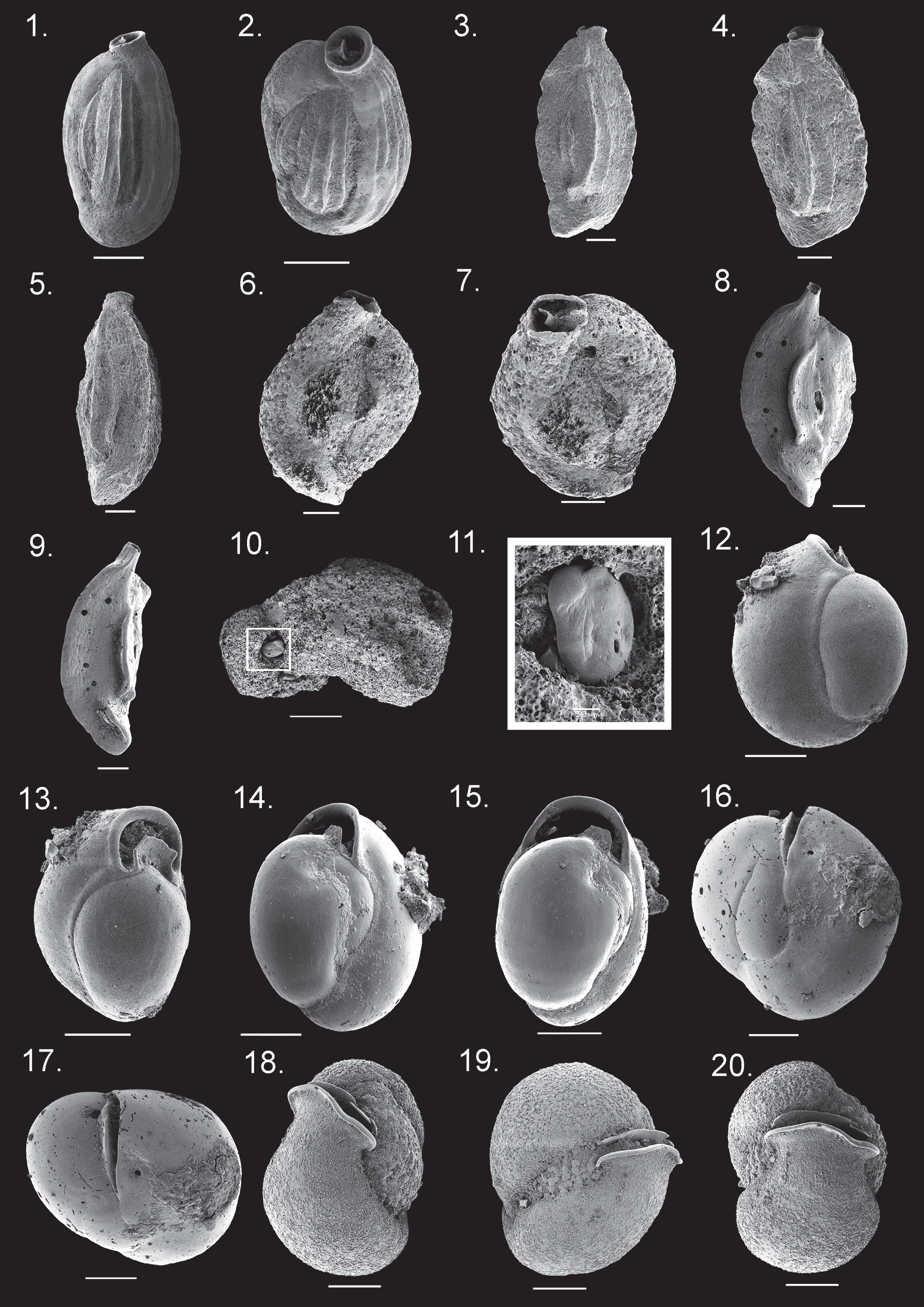
Quinqueloculina
Quinqueloculina is a genus of foraminifera in the family Miliolidae.
Reticulomyxa filosa
Reticulomyxa is a monospecific genus of freshwater foraminiferans. The type species is the unicellular Reticulomyxa filosa. It is found in freshwater environments as well as moist environments, like decomposing matter and damp soils. The heterotrophic naked foraminiferan can feed on microbes as well has larger organisms and is able to be sustained in culture by supplemented nutrients such as wheat germ and oats. The large, multinucleate foraminiferan is characteristic for its lack of test and named for the network of connecting pseudopodia surrounding its central body mass. The organism has un

Globorotalia
Globorotalia is a genus of foraminifers belonging to the family Globorotaliidae.
It is a single-celled animal large enough to be seen with a naked eye and is found in the fossil record back to the Paleocene. It is deep-dwelling planktonic foraminifers that inhabit the top few hundred meters of the ocean and constitute potential recorders of thermocline conditions.
The genus has cosmopolitan distribution.
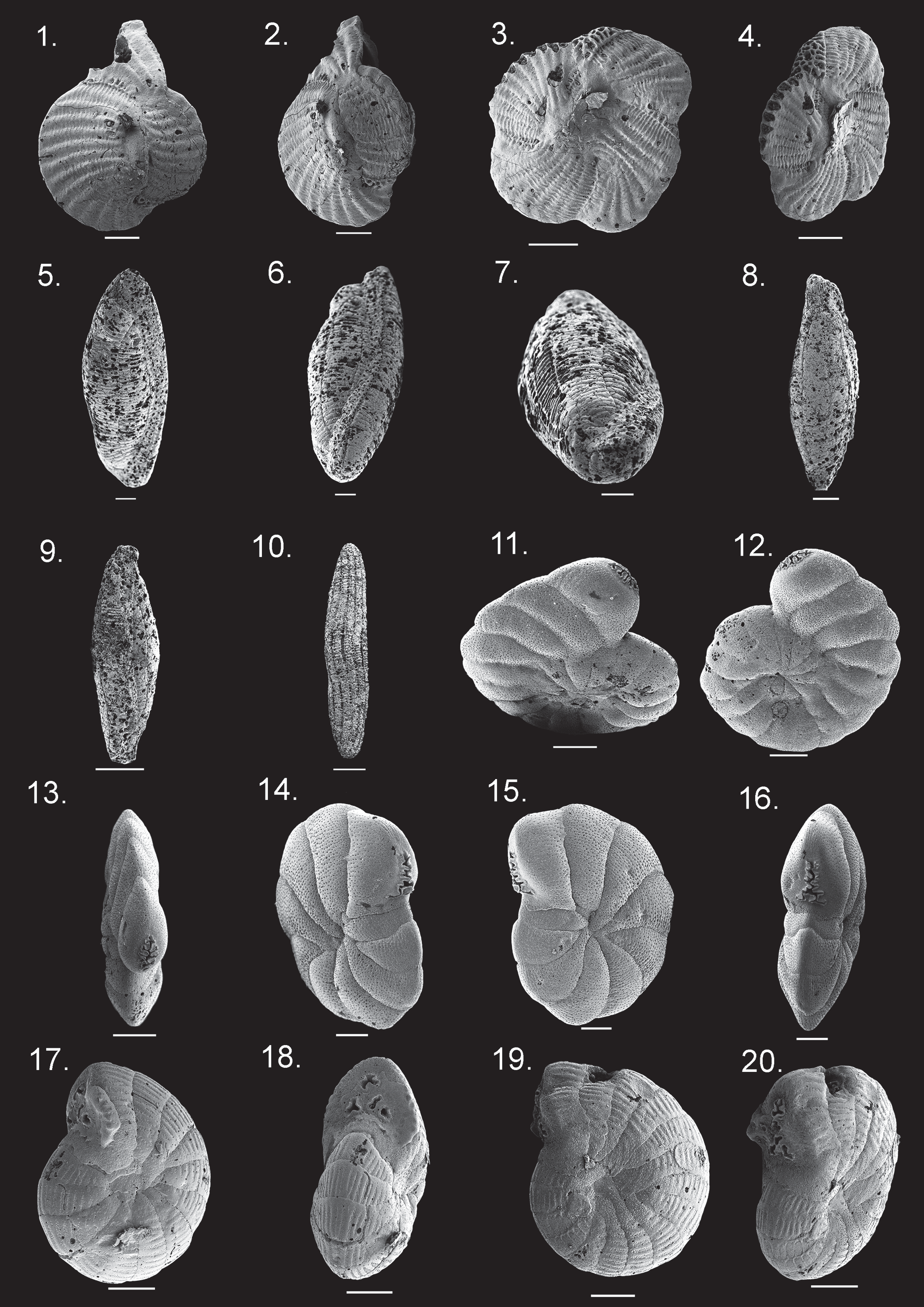
Peneroplis
Peneroplis is an extant genus of benthic Foraminifera in the family Peneroplidae. The genus is also represented in the fossil record.
Platysolenites
Platysolenites is a genus of agglutinated foraminifera known from Ediacaran and lower Cambrian assemblages.
Carterina
Carterina is a genus in the family Trochamminidae, composing its own subfamily Carterininae. The genus is described from specimens gathered during the Challenger expedition's circumnavigation of the Earth from 1872-1876.