Category
page 1Forced labour during World War II
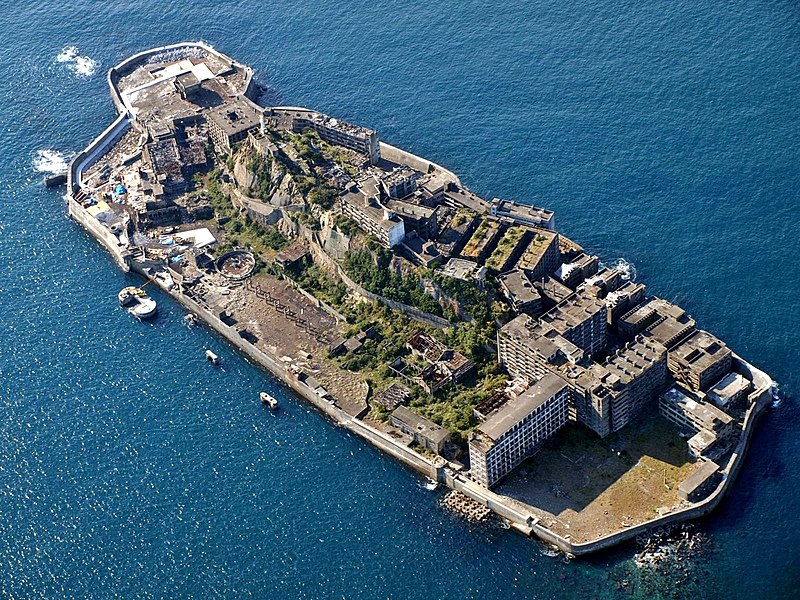
Hashima Island
abandoned island lying about 15 kilometres (9 miles) from the city of Nagasaki, in southern Japan. Abandoned concrete buildings and the surrounding sea wall.

comfort woman
military sexual slavery system designed and implemented by Japan Empire from early 1930s until the end of World War II, or the victims who were forced into sexual slavery by the Japanese military
Sado Island
Japanese island
Mittelbau-Dora concentration camp
Nazi concentration camp in Thuringia, Germany (1943-1945)
Japanese prisoners of war in the Soviet Union
Soviet war crime against Japanese military and civilians
forced labor of Hungarians in the Soviet Union
forced labor in the aftermath of the World War II
.jpg)
Nazi roundup
Łapanka (; English: "roundup" or "catching") was the Polish name for a World War II practice in German-occupied Poland, whereby the German SS, Wehrmacht and Gestapo rounded up civilians on the streets of Polish cities. The civilians arrested were in most cases chosen at random from among passers-by or inhabitants of city quarters surrounded by German forces prior to the action.
German prisoners of war in the Soviet Union
WWII prisoners of war
Miike coal mine
coal mine in Fukuoka, Japan
The Holocaust in Romania
The Holocaust as it developed in Romania
forced labor of Germans in the Soviet Union
forced labor in the aftermath of the World War II

rōmusha
thumb|Romusha commemorative image on the public board of Indonesian independence in 1985
(compare corvée), is a Japanese language word for a "paid conscripted laborer." In English, it usually refers to non-Japanese who were forced to work for the Japanese military during World War II. The U.S. Library of Congress estimates that in Java, between 4 and 10 million rōmushas were forced to work (often at low pay) by the Japanese military during the Japanese occupation of the Dutch East Indies (now Indonesia) during World War II, many of whom experienced harsh conditions and either died or were str
Romanian prisoners of war in the Soviet Union
Zgoda labour camp
concentration camp
Trans-Saharan Railway
Unfinished colonial railway project
Italian military internees
Italian soldiers captured in Nazi Germany
Main Administration for Affairs of Prisoners of War and Internees
government agency in the Soviet Union from 1939 to 1953
deportation of Germans from Romania after World War II
forced displacement of the German population from Romania during and after World War II
Korean Women's Volunteer Labor Corps
Korean part of the Women's Volunteer Corps
POW labor in the Soviet Union
Arbeitseinsatz
Arbeitseinsatz () was a forced labour category of internment within Nazi Germany () during World War II. When German men were called up for military service, Nazi German authorities rounded up civilians to fill in the vacancies and to expand manufacturing operations. Some labourers came from Germany but exponentially more from roundups in the German-occupied territories. Arbeitseinsatz was not restricted to the industry sector and to arms producing factories; it also took place, for example, in the farming sector, community services, and even in the churches.
forced labor of Germans after World War II
post-war punishment of Germany
Utoro, Uji
is a district in Uji, Kyoto Prefecture, Japan. The district has historically been populated by Zainichi Koreans (Koreans who arrived during the Japanese colonial period and their descendants) ever since they were compelled to work in difficult conditions in the area in 1943.
Foundation "Remembrance, Responsibility and Future"
foundation
Recusant's insignia
NKVD labor columns
forced labor formations of mostly ethnic minorities in the USSR during the Second World War
Arbeitslager
right|thumb|200px|Arbeitsbuch Für Ausländer (Workbook for Foreigners) identity document issued to a Polish Forced Labourer in 1942 by the Germans, together with a letter "P" patch that Poles were required to wear to identify them to the German population.
Arbeitslager () is a German language word which means labor camp. Under Nazism, the German government (and its private-sector, Axis, and collaborator partners) used forced labor extensively, starting in the 1930s but most especially during World War II. Another term was Zwangsarbeitslager ("forced labor camp").
Order 7161
Soviet order about forced labor of Germans in the wake of World War II