Category
page 1Foreign exchange market

currency
A currency is a standardized form of money, in use or circulation as a medium of exchange, for example banknotes, coins, electronic balances in bank accounts, and central bank digital currencies (CBDCs). A more general definition is that a currency is a system of money in common use within a specific environment over time, especially for people in a nation state. Under this definition, the Pound sterling (£), euro (€), Japanese yen (¥), and U.S. dollars (US$) are examples of (government-issued) fiat currencies. Currencies may act as stores of value and be traded between nations in foreign exch

exchange rate
rate at which one currency will be exchanged for another

foreign exchange market
form of exchange for the global decentralized trading of international currencies
Template:Exchange rate
Wikimedia template
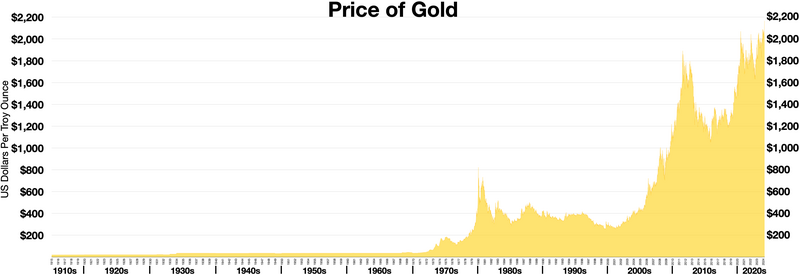
Bretton Woods system
financial-economic agreement reached in 1944
devaluation
In macroeconomics and modern monetary policy, a devaluation is an official lowering of the value of a country's currency within a fixed exchange-rate system, in which a monetary authority formally sets a lower exchange rate of the national currency in relation to a foreign reference currency or currency basket. The opposite of devaluation, a change in the exchange rate making the domestic currency more expensive, is called a revaluation. A monetary authority (e.g., a central bank) maintains a fixed value of its currency by being ready to buy or sell foreign currency with the domestic currency

foreign reserve
money held by a central bank to pay debts, if needed

technical analysis
financial security analysis methodology based on historical price patterns
special drawing rights
supplementary foreign exchange reserve assets defined and maintained by the IMF
fundamental analysis
analysis of a business's financial statements, health, and market
Ripple
Payment protocol
fixed exchange rate
type of exchange rate regime where a currency's value is fixed against the value of another single currency
financial center
city that is home to a large number of internationally significant banks, businesses, and stock exchanges
floating exchange rate
regime in which a currency's value is set by market
Bretton Woods Conference
international conference in Bretton Woods, New Hampshire, USA in July 1944
hard currency
globally traded currency that serves as a reliable and stable store of value
Plaza Accord
1985 international agreement on fiscal policy
bond market
financial market where participants can issue new debt or buy and sell debt securities
Wise
British online money transfer service
bureau de change
business where people can exchange one currency for another
impossible trinity
statement in international economics that that it is impossible to have at the same time a fixed foreign exchange rate, absence of capital controls, and an independent monetary policy
agio
Agio (Italian aggio) is a term used in commerce for exchange rate, discount or premium.
world currency
a currency that is widely used internationally
spot market
type of financial market
list of countries by foreign-exchange reserves
Foreign-exchange reserves of countries recognized by U.N.
currency board
monetary authority which is required to maintain a fixed exchange rate with a foreign currency
currency basket
financial portfolio
Triffin dilemma
conflict of economic interests that arises between short-term domestic and long-term international objectives for countries whose currencies serve as global reserve currencies
foreign exchange risk
a financial risk that exists when a financial transaction is denominated in a currency other than the domestic currency
international monetary systems
internationally agreed rules, conventions and supporting institutions that facilitate international trade
exchange-rate regime
monetary policy relating to currency exchange rates
convertibility
Convertibility is the quality that allows money or other financial instruments to be converted into other liquid stores of value. Convertibility is an important factor in international trade, where instruments valued in different currencies must be exchanged.
currency substitution
use of a foreign currency in parallel to or instead of a domestic currency
interest rate parity
equilibrium state for interest rates in two countries/currencies
currency intervention
monetary policy operation
foreign exchange controls
controls imposed by a government on the purchase/sale of foreign currencies
2008 G20 Washington summit
annual G20 conference
foreign exchange fraud
trading scheme used to defraud traders
snake in the tunnel
Prototype of the European Exchange Rate Mechanism
Louvre Accord
1987 international agreement aiming to stabilize international currency markets and halt the decline of the US dollar after the Plaza Accord
currency swap
foreign-exchange agreement between two institutions to exchange aspects of a loan in one currency for equivalent aspects of an equal in net present value loan in another currency
U.S. Dollar Index
economic measure of US dollar exchange rates

Chiang Mai Initiative
multi-lateral currency swap among ASEAN+3 countries
Smithsonian Agreement
economic agreement to create a new dollar standard in 1971
CLS Group
US financial institution
currency pair
term
Forex Club
Financial companies in the Caribbean
euro calculator
foreign exchange market
eurocurrency
Eurocurrency is currency held on deposit outside its home market, i.e., held in banks located outside of the country which issues the currency. For example, a deposit of US dollars held in a bank in London, would be considered eurocurrency, as the US dollar is deposited outside of its home market.
foreign exchange swap
simultaneous purchase and sale of identical amounts of one currency for another
forex scandal
financial scandal
percentage in point
currency exchange rate fluctuation
Currency future
type of futures contract
petrocurrency
Petrocurrency (or petrodollar) is a word used with three distinct meanings, often confused:
Tripartite Agreement of 1936
endaka
right|thumb|300px|Graph of yen versus us dollar over time
thumb|300px|Yen real effective exchange rate, peaks are endaka
thumb|300px|Japanese official foreign currency holdings (1952-2007)
thumb|300px|Japanese official foreign currency holdings (1996-2007)
Endaka (, lit. yen expensive) or Endaka Fukyo (, lit. yen expensive recession) is a state in which the value of the Japanese yen is high compared to other currencies. Since the economy of Japan is highly dependent on exports, this can cause Japan to fall into an economic recession.
Forward exchange rate
Exchange rate of a currency on a future date
Foreign exchange certificate
tool of foreign exchange control
Currency band
Range of values for the exchange rate
Retail foreign exchange platform
part of the foreign exchange market where individuals speculate on the exchange rate between different currencies