Category
page 1Forensic science

forensic science
application of science to criminal and civil laws

necrophage
thumb|250x250px|Carcass of a shrew surrounded by multiple necrophages, including a blow fly and [[burying beetle.]]
Necrophages (also known as carrion feeders) are animals that feed on decomposing dead animal biomass, such as the muscle and soft tissue of carcasses or corpses. The term derives from Greek , meaning 'dead', and , meaning 'to eat'. Many hundreds of necrophagous species have been identified including invertebrates in the insect, malacostracan and gastropod classes and vertebrates such as vultures, hyenas, quolls and wolves.
circumstantial evidence
evidence that indirectly supports a conclusion, but allows for multiple explanations
Locard's exchange principle
principle in forensics and cyber security
Haemotaphonomy
REDIRECT Blood residue#Archaeology
unidentified decedent
a term used to describe a corpse of a person whose identity cannot be established
N,N'-diethyl-N,N'-diphenylurea
Ethyl centralite is an organic compound. Its chemical name is N,''-diethyl-N,''-diphenylurea. The molecular formula of ethyl centralite is . This compound has important uses in industry and forensics. The structure of ethyl centralite includes two phenyl groups (aromatic rings) attached to a central urea group. There are also ethyl groups () bound to the nitrogen atoms of the urea. Its primary use is as a stabilizer in double and triple-base smokeless powders.
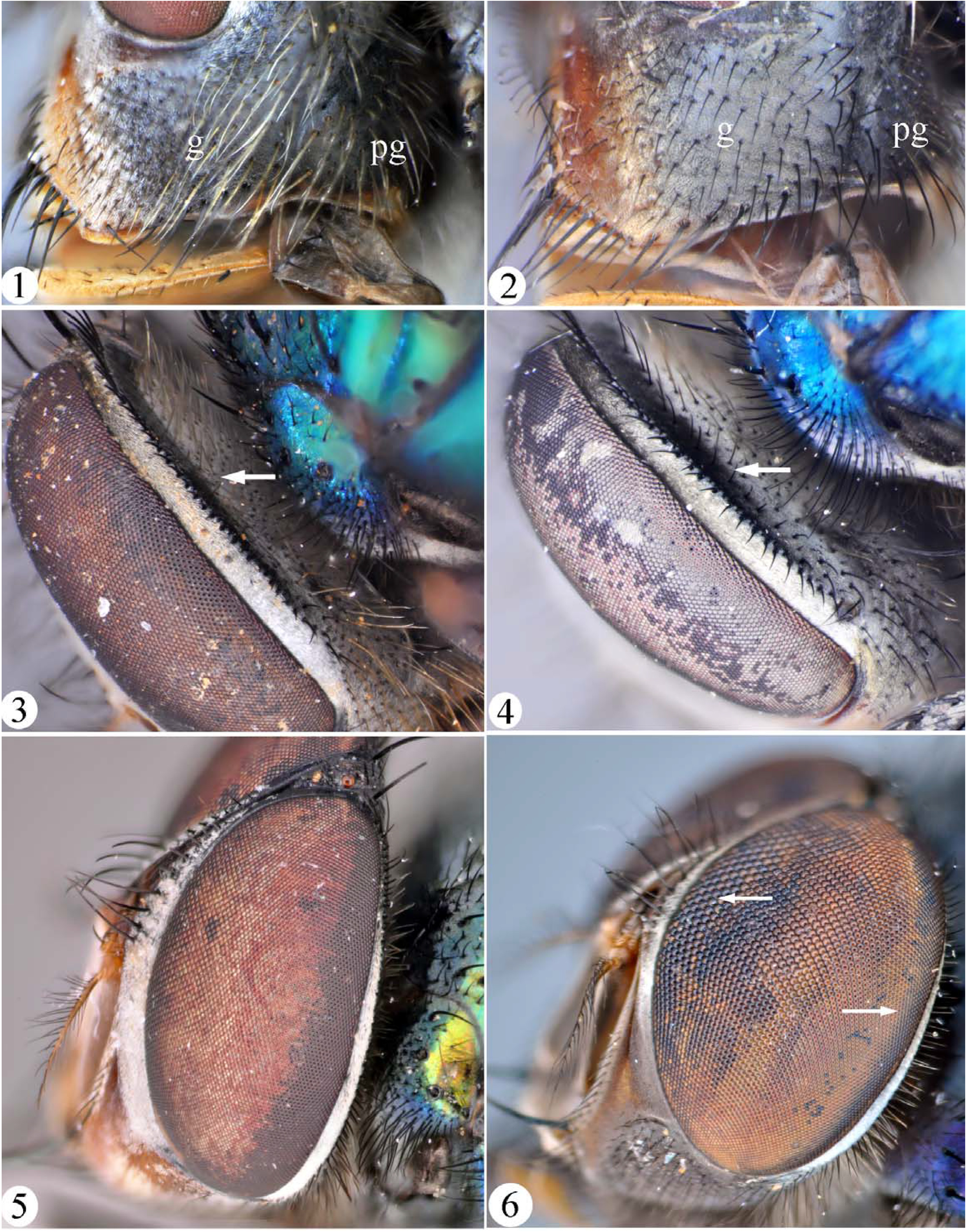
Lucilia mexicana
species of insect
West Bengal National University of Juridical Sciences
state public university in Kolkata, West Bengal, India