Category
page 1Forms of water

snow
Snow consists of individual ice crystals that grow while suspended in the atmosphere—usually within clouds—and then fall, accumulating on the ground where they undergo further changes. It consists of frozen crystalline water throughout its life cycle, starting when, under suitable conditions, the ice crystals form in the atmosphere, increase to millimeter size, precipitate and accumulate on surfaces, then metamorphose in place, and ultimately melt, slide, or sublimate away.

water cycle
continuous movement of water on, above and below the surface of the Earth

water vapor
gaseous phase of water; unlike other forms of water, water vapor is invisible
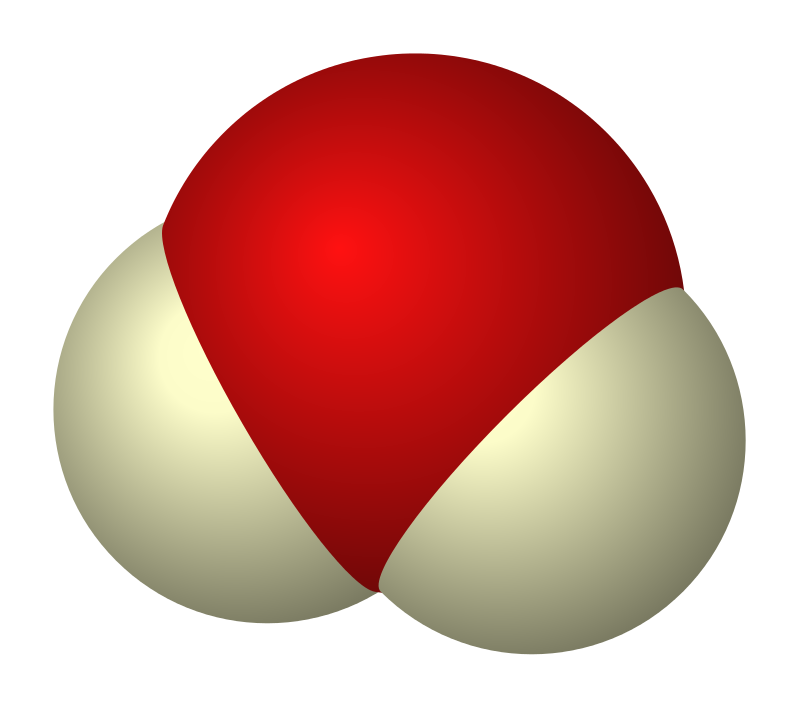
heavy water
chemical compound

steam
thumb|Liquid phase eruption of Castle Geyser in [[Yellowstone Park]]
properties of water
overview about physical and chemical properties of pure water
hard water
water that has a high mineral content
tritiated water
chemical compound

slush
thumb|Slush on a window
polywater
Polywater was a hypothesized polymerized form of water that was the subject of much scientific controversy during the late 1960s, first described by Soviet scientist Nikolai Fedyakin. By 1969 the popular press had taken notice of Western attempts to recreate the substance and sparked fears of a "polywater gap" between the United States and Soviet Union. Increased press attention also brought with it increased scientific attention, and as early as 1970 doubts about its authenticity were being circulated. By 1973 it was found to be illusory, being just water with any number of common compounds c
arctic sea ice decline
sea ice loss observed in recent decades in the Arctic Ocean
semiheavy water
chemical compound
Antarctic sea ice
sea ice of the Southern Ocean
Effects of climate change on the water cycle
synchronization between water and energy movements within Earth's climate system
water dimer
two water molecules held together by a hydrogen bond; the simplest water cluster