Category
page 1Fossils of Greece
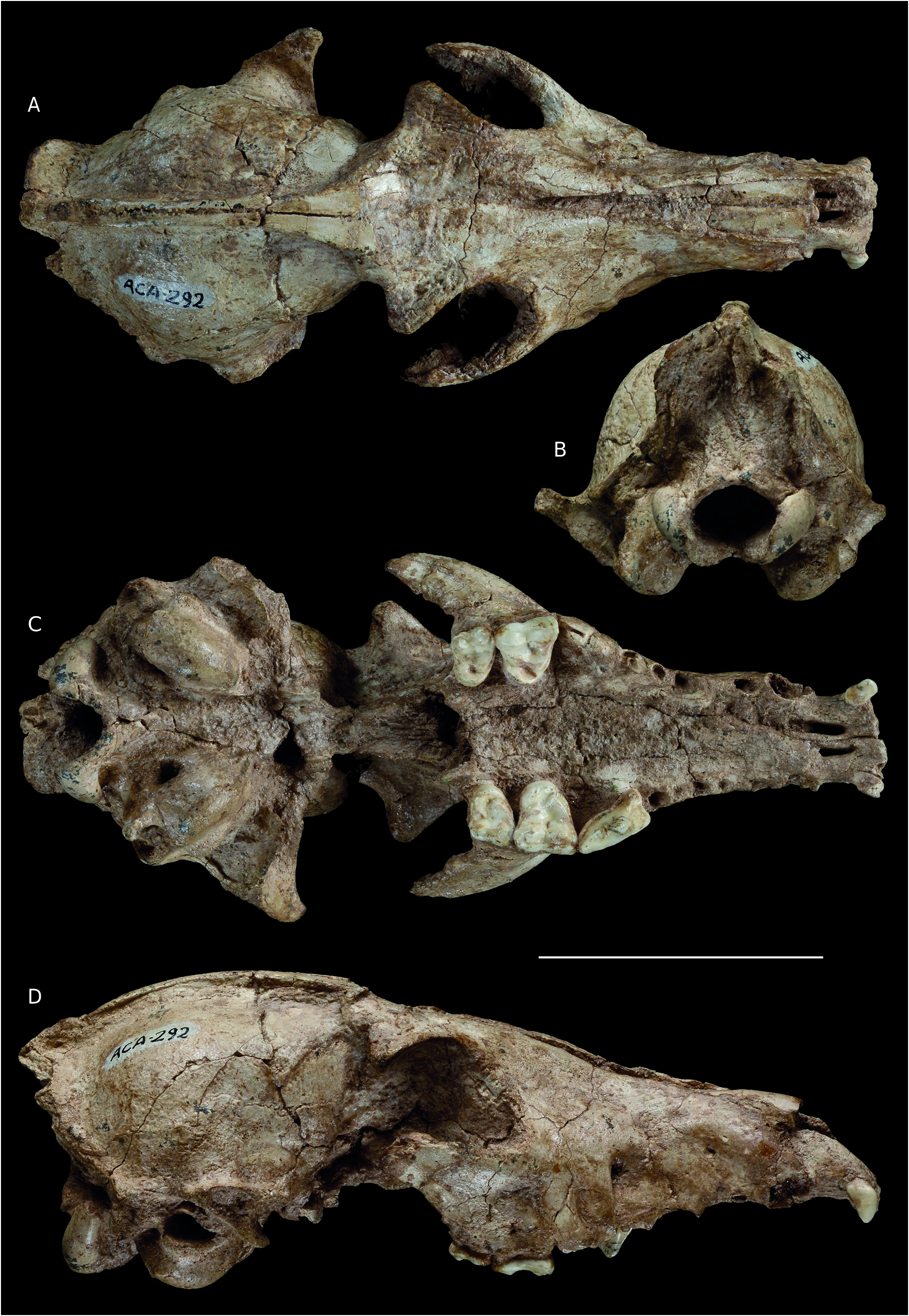
European jaguar
species of mammal
Nummulites
A nummulite is a large lenticular fossil, characterised by its numerous coils, subdivided by septa into chambers. They are the shells of the fossil and present-day marine protozoan Nummulites, a type of foraminiferan. Nummulites commonly vary in diameter from and are common in Eocene to Miocene marine rocks, particularly around southwest Asia and the Mediterranean in the area that once constituted the Tethys Ocean, such as Eocene limestones from Egypt or from Pakistan. Fossils up to six inches wide are found in the Middle Eocene rocks of Turkey. They are valuable as index fossils.
Ouranopithecus
Ouranopithecus is a genus of extinct Eurasian great ape represented by two species, Ouranopithecus macedoniensis, a late Miocene (9.6–8.7 mya) hominoid from Greece and Ouranopithecus turkae, also from the late Miocene (8.7–7.4 mya) of Turkey.

Graecopithecus
Graecopithecus is an extinct genus of hominid that lived in southeast Europe during the late Miocene around 7.2 million years ago. Originally identified by a single lower jawbone bearing teeth found in Pyrgos Vasilissis, Athens, Greece, in 1944, other teeth were discovered from Azmaka quarry in Bulgaria in 2012. With only little and badly preserved materials to reveal its nature, it is considered as "the most poorly known European Miocene hominoids." The creature was popularly nicknamed 'El Graeco' (word play on the Greek-Spanish painter El Greco) by scientists.

Ancylotherium
Ancylotherium (from Greek, meaning "hooked beast") is an extinct genus of the family Chalicotheriidae, subfamily Schizotheriinae, endemic to Europe, Asia, and Africa during the Late Miocene-Early Pleistocene (11.6—1.8 mya), existing for approximately .
Puma pardoides
species of mammal
%20Anchitherium%20aurelianense%20-%20Mandibule%20compl%C3%A8te%20(Cuvier%2C%201825).jpg)
Anchitherium
Anchitherium (meaning near beast) is a genus of extinct equid with a three-toed hoof.
thumb|left|Mandibles
Anchitherium was a browsing (leaf eating) horse that originated in the early Miocene of North America, being found as far south as Panama, and subsequently dispersed to Europe and Asia, where it gave rise to the larger bodied genus Sinohippus. It was around high at the shoulder, and probably represented a side-branch of horse evolution that left no modern descendants.

Enchodus
Enchodus (from , 'spear' and 'tooth') is an extinct genus of aulopiform ray-finned fish related to lancetfish and lizardfish. Species of Enchodus flourished during the Late Cretaceous, where they were a widespread component of marine ecosystems worldwide, and there is some evidence that they may have survived to the Paleocene or Eocene; however, this may just represent reworked Cretaceous material.
Varanus marathonensis
species of reptile (fossil)
Petralona Man
early European Hominid
Nyctereutes donnezani
species of mammal