Category
page 1Freedom of expression
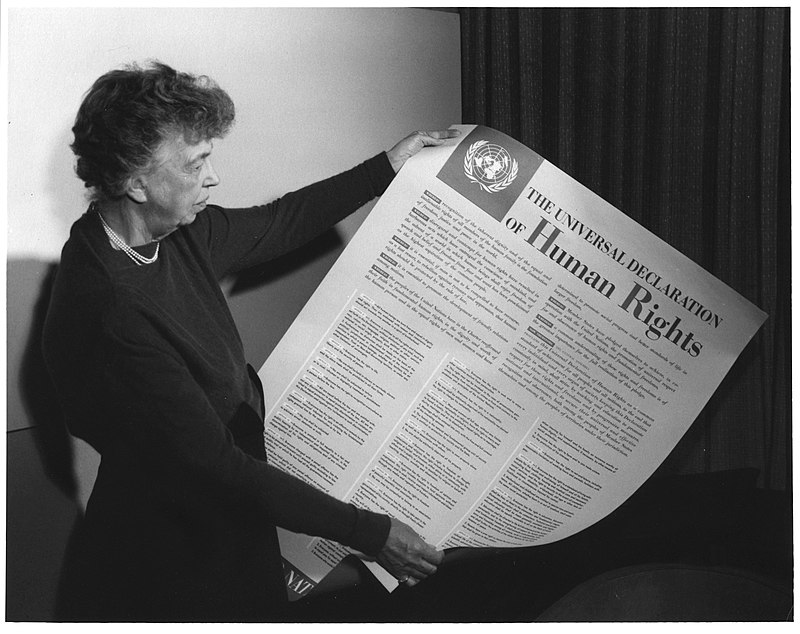
freedom of speech
right to communicate one's opinions and ideas and right to speak

NKVD
The '''People's Commissariat for Internal Affairs (, ), abbreviated as NKVD''' (; ), was the interior ministry and secret police of the Soviet Union from 1934 to 1946. The agency was formed to succeed the Joint State Political Directorate (OGPU) secret police organization, and thus had a monopoly on intelligence and state security functions. The NKVD is known for carrying out political repression and the Great Purge under Joseph Stalin, as well as counterintelligence and other operations on the Eastern Front of World War II. The head of the NKVD was Genrikh Yagoda from 1934 to 1936, Nikolai Ye

blasphemy
Blasphemy is an insult that shows contempt, disrespect or lack of reverence concerning a deity, an object considered sacred, or something that is considered inviolable. Some religions, especially Abrahamic ones, regard blasphemy as a crime, including insulting the Islamic prophet Muhammad in Islam, speaking the sacred name in Judaism, and blasphemy of God's Holy Spirit is an eternal sin in Christianity. It was also a crime under English common law, and it is still a crime under Italian law (Art. 724 del Codice Penale).

defamation
book burning
practice of destroying, often ceremoniously, books or other written material
right to be forgotten
legal concept
paradox of tolerance
logical paradox in decision-making theory

lèse-majesté
thumbnail|John Bull farts on an image of [[George III. 1798 print by the English caricaturist Richard Newton.]]
Speakers' Corner
square in the City of Westminster, London, England, UK
Dunja Mijatović
expert on media law and media regulation
secrecy of correspondence
legal right in some European countries

Orwellian
Orwellian is a neologism suggested in the writings by George Orwell. It is an adjective which is used to describe a situation, an idea or a societal condition, usually identified as being destructive to a free and open society. It was first used by the American author Mary McCarthy in 1950. The term denotes draconian control by propaganda, surveillance, disinformation, and denial of truth. It is commonly used in reference to Orwell's 1949 dystopian novel Nineteen Eighty-Four which describes an oppressive fictional totalitarian society where propaganda is used to manipulate the population. Orwe
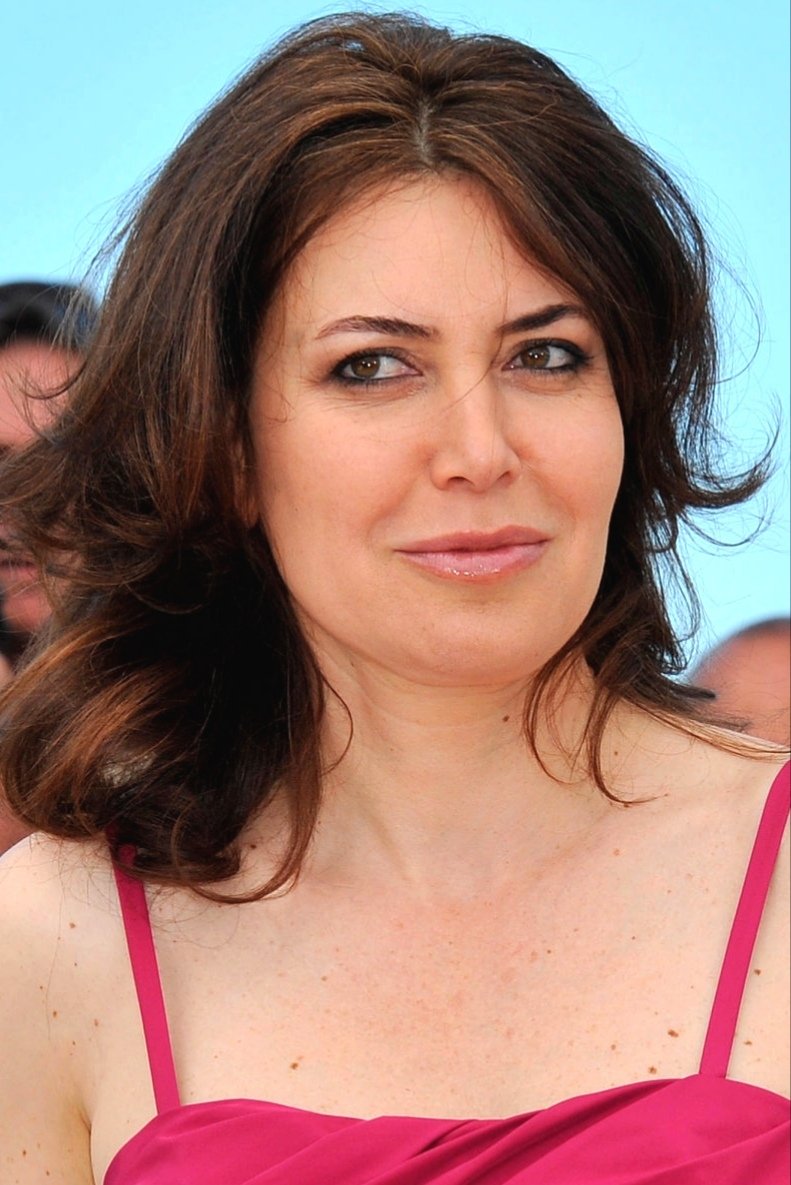
Sabina Guzzanti
Italian actress, screenwriter, and film director (born 1963)
regressive left
pejorative term for overly tolerant left-wing politics
chilling effect
discouragement of exercising rights by threats of legal sanctions
Sustainable Development Goal 16
one of the 17 Sustainable Development Goals established by the United Nations in 2015
artistic freedom
aspect of freedom
intellectual freedom
freedom to receive and give information from all points of view

Loesje
thumb|UKRAINEWHEN DEMOCRACY ISN'T WORKINGPEOPLE ARE
list of books banned by governments
Wikimedia list article
Die Gedanken sind frei
German song
letter to the editor
letter sent to a publication
exclusion zone
geographic area in which a sanctioning authority prohibits specified activities
blasphemy law
law prohibiting blasphemy
right of reply
right to defend against criticism
media transparency
Aspect of journalism
Beijing World Park
theme park in China
Gayssot Act
law in France against Holocaust denial and other denial of crimes against humanity
safety of journalists
securing the possibility of reporting without threats
ideological repression
forceful activities against competing ideologies and philosophies

whistleblowing
Whistleblowing (also whistle-blowing or whistle blowing) is the activity of a person, often an employee, revealing information about activity within a private or public organization that is deemed wrongful – whether it be illegal, immoral, illicit, unsafe, unethical, or fraudulent. Whistleblowers can communicate in a variety of ways internally, and/or publicly. Over 83% of whistleblowers report internally to a supervisor, human resources, compliance, or a neutral third party within the company, hoping that the company will address and correct the issues. A whistleblower can also bring all

PEN Ukraine
Ukrainian branch of the writers’ association
independent media
mass communication outlets not associated with governments or corporations
OSCE Representative on Freedom of the Media
position
marketplace of ideas
rationale for freedom of expression in a liberal democracy

Freedom for the Thought That We Hate
2007 non-fiction book

Teresa Toda
Brazilian journalist
Chicago Principles
set of guiding principles about freedom of speech on college campuses in the United States
Snow White and The Madness of Truth
installation artwork by Dror Feiler and Gunilla Sköld-Feiler

New World Information and Communication Order
Proposed international media agreements and implications on developing nations
Distributed Denial of Secrets
whistleblowing organization
Abdel-Moniem El-Ganayni
Egyptian nuclear physicist
Academic freedom in the Middle East

Free Thought and Official Propaganda
A book by Bertrand Russell
Hidayet Karaca
Turkish journalist (born 1963)
Opinion corridor
metaphor for acceptable opinions in discussions
Speakers' Corner, Singapore
Sole free speech zone in Hong Lim Park, Singapore
media pluralism
plurality of voices, opinions, and analyses in media systems
Simon Cheng
a former employee of the British consulate in Hong Kong who alleged he was tortured while being detained in China
William Hone
English writer, satirist and bookseller (1780-1842)