Category
page 1French Consulate
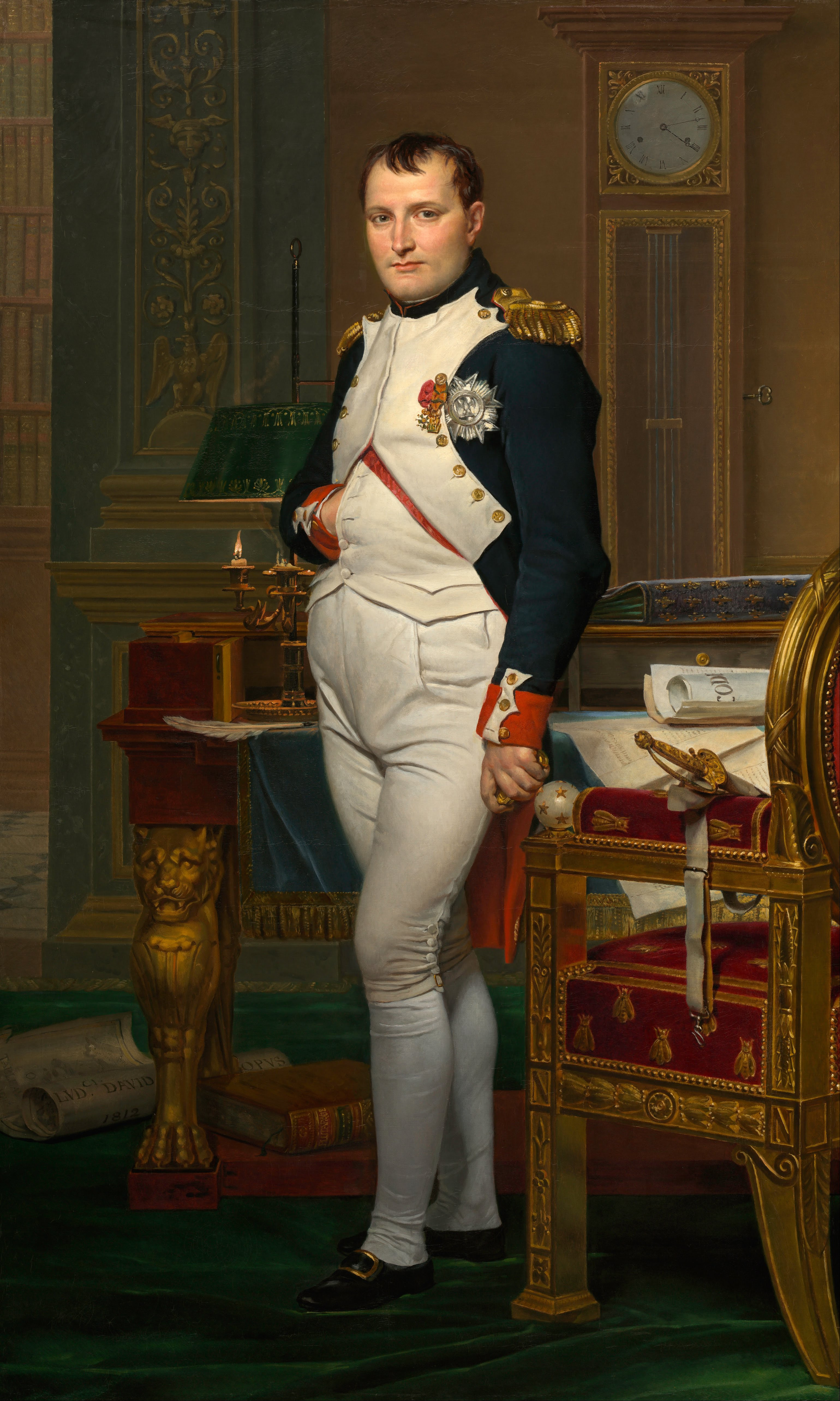
Napoleon
Napoleon Bonaparte (born Napoleone di Buonaparte; 15 August 1769 – 5 May 1821), later known by his regnal name Napoleon I, was Emperor of the French from 18 May 1804 until his first abdication in 1814, with a brief restoration during the Hundred Days in 1815. He rose to prominence as a general during the French Revolution and led a series of military campaigns across Europe and North Africa during the French Revolutionary and Napoleonic Wars. As a statesman, he implemented numerous legal and administrative reforms in France and Europe.

Emmanuel Joseph Sieyès
French priest and statesman (1748-1836)

Treaty of Amiens
1802 Treaty during the War of the Second Coalition

coup of 18 Brumaire
1799 coup in Revolutionary France that brought Napoleon to power

French Consulate
former government of France

War of the Second Coalition
1798–1802 set of battles between the French Republic and the neighbouring monarchies

Treaty of Lunéville
1801 Treaty during the War of the Second Coalition
Jean Jacques Régis de Cambacérès
French lawyer and statesman during the French Revolution and the First Empire, best remembered as the author of the Napoleonic Code (1753-1824)
Roger Ducos
French revolutionary (1747-1816)
Charles-François Lebrun, duc de Plaisance
French nobleman, lawyer and statesman (1739–1824)
Concordat of 1801
peace treaty
Constitution of the Year VIII
constitution
Constitution of the Year X
1802 French Constitution
Plot of the rue Saint-Nicaise
Attempted assassination of Napoleon in 1800
Sénat conservateur
French Constitutional Assembly of the Consulate and Empire (1800-1815)

Tribunat
thumb | right | alt=Painting of four men near and on a staircase. A man on the right shows some paper to the man on the left (Napoleon) who’s hand gesture indicates that he rejects this document | Napoleon’s visit to the Palais-Royal on 19 August 1807; the Palais-Royal was the seat of the Tribunat, a consultative assembly that was abolished in 1907. The man in the blue coat is Jean-Claude Fabre, known as Fabre de l’Aude, the president of the Tribunat. Napoleon, angered by his presence, leaves the palace while rejecting the redevelopment plans proposed by the two. (Painting by Merry-Joseph Blon
Corps législatif
lower house of the Parliament under Napoleonic France
French constitutional referendum, 1800
Referendum in France in 1800
Consular Guard
military unit