Category
page 1Freshwater fish genera

Esox
Esox is a genus of freshwater fish commonly known as pike or pickerel. It is the type genus of the family Esocidae. The type species of the genus is Esox lucius, the northern pike.

Acipenser
Acipenser is a genus of sturgeons, containing three species native to freshwater and estuarine systems of eastern North America and Europe. It is the type genus of the family Acipenseridae and the order Acipenseriformes.

Cyprinus
Cyprinus is the genus of typical carps in family Cyprinidae. Most species in the genus are of East Asia origin with only the common carp (C. carpio) in Western Asia and Europe; this invasive species has also been introduced to many other regions around the world. Cyprinus are closely related to some more barb-like genera, such as Cyclocheilichthys and Barbonymus (tinfoils). The crucian carps (Carassius) of western Eurasia, which include the goldfish (C. auratus), are apparently not as closely related.

Betta
Betta (, ) is a large genus of small, active, often colorful, freshwater ray-finned fishes, in the gourami family (Osphronemidae). The best known Betta species is B. splendens, commonly known as the Siamese fighting fish and often kept as an aquarium pet.

Poecilia
Poecilia is a genus of fishes in the family Poeciliidae of the order Cyprinodontiformes. These livebearers are native to fresh, brackish and, saltwater in the Americas, and some species in the genus are euryhaline. A few have adapted to living in waters that contain high levels of toxic hydrogen sulfide (), and a population of P. mexicana lives in caves (other populations of this species are surface-living).
Corydoras
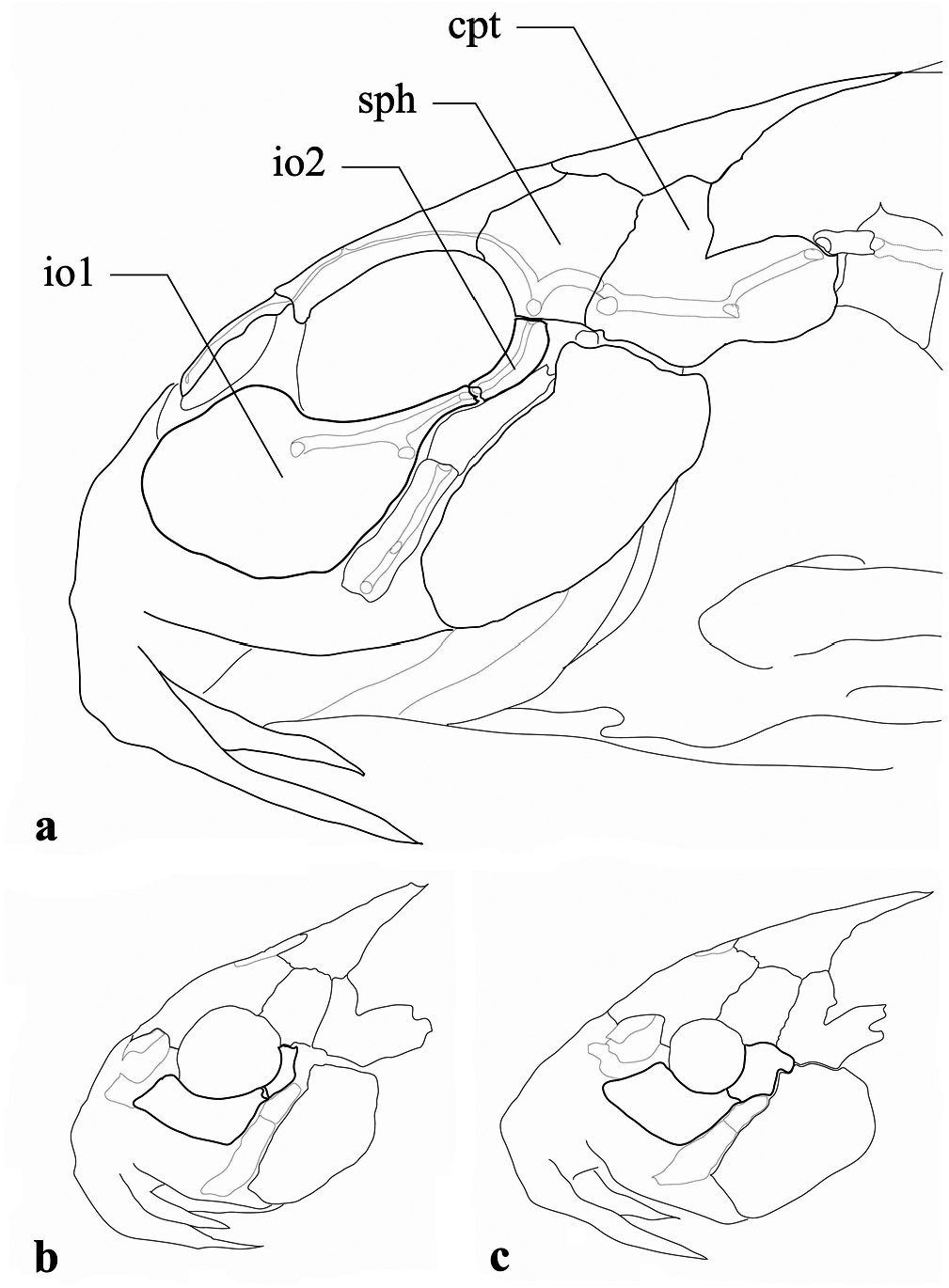
Corydoras is a genus of freshwater ray-finned fish belonging to the family Callichthyidae, commonly referred to as the armoured catfishes, and the subfamily Corydoradinae, the corys. The species usually have more restricted areas of endemism than other callichthyids, but the area of distribution of the entire genus almost equals the area of distribution of the family, except for Panama where Corydoras is not present. Corydoras species are distributed in South America where they can be found from the east of the Andes to the Atlantic coast, from Trinidad to the Río de la Plata drainage in north

Sander
genus of fishes

Rasbora
Rasbora is a genus of fish in the family Danionidae. They are native to freshwater habitats in South and Southeast Asia, as well as southeast China. A single species, Rasbora gerlachi, is only known from an old specimen that reputedly originated from Africa (Cameroon), but this locality is considered doubtful. They are small, up to long, although most species do not surpass and many have a dark horizontal stripe.

Protopterus
Protopterus is the genus of four species of lungfish found in Africa. Protopterus is considered the sole genus in the family Protopteridae, which is grouped with Lepidosiren in the order Lepidosireniformes.''''''

Ancistrus
Ancistrus is a genus of nocturnal freshwater fish in the family Loricariidae of order Siluriformes, native to freshwater habitats in South America and Panama. Fish of this genus are common in the aquarium trade where they are known as bushynose or bristlenose catfish. In the aquarium hobby they are often referred to as bushynose or bristlenose plecos instead, but this may lead to confusion as "pleco" usually is used for Hypostomus plecostomus and its allies and is often used as a catchall term for any loricariids remotely resembling that species.

Gambusia
Gambusia is a large genus of viviparous fish in the family Poeciliidae (order Cyprinodontiformes). Gambusia contains over 40 species, most of which are principally found in freshwater habitats, though some species may also be found in brackish or saltwater habitats. The genus Gambusia comes from the Cuban term Gambusino which means 'free-lance miner'. The type species is the Cuban gambusia, G. punctata. The greatest species richness is in Mexico, Texas, and the Greater Antilles, but species are also found elsewhere in the eastern and southern United States, the Bahamas, Central America, and Co

Xiphophorus
Xiphophorus is a genus of euryhaline and freshwater fishes in the family Poeciliidae of order Cyprinodontiformes, native to Mexico and northern Central America. Xiphophorus species can be divided into three groups based on their evolutionary relationships: platyfish (or platies), northern swordtails, and southern swordtails. Platyfish formerly were classified in another genus, Platypoecilus, which is now obsolete. The type species is X. hellerii, the green swordtail. Like most other new world Poeciliids, platies and swordtails are live-bearers that use internal fertilization and give birth to

Apistogramma
Apistogramma is a large genus of freshwater fish in the family Cichlidae native to South America, but also commonly kept in aquariums. They are dwarf cichlids that mostly feed on tiny animals and have breeding behaviors that vary depending on the exact species.
.jpg)
Micropterus
Micropterus is a genus of North American freshwater fish collectively known as the black bass, which belong to the sunfish family Centrarchidae of order Centrarchiformes. They are sometimes erroneously called "black trout", but the name trout more correctly refers to certain potamodromous members of the family Salmonidae (order Salmoniformes).

Anabas
Anabas is a genus of climbing gouramies native to southern and eastern Asia. In the wild, Anabas species grow up to long. They inhabit both brackish and fresh water. Anabas species possess a labyrinth organ, a structure in the fish's head which allows it to breathe atmospheric oxygen, so it can be out of water for an extended period of time (6–8 hr), hence its name from the Greek anabainein ‘walk up’, from ana- ‘up’ + bainein ‘go’. They are carnivorous, living on a diet of water invertebrates and their larvae, and - in contrast to most of their relatives - are scatter spawners with no parental

Polypterus
Polypterus is a genus of freshwater fish in the bichir family (Polypteridae) of order Polypteriformes. The type species is the Nile bichir (P. bichir). Fish in this genus live in various areas in Africa. Polypterus is the only known vertebrate to have lungs, but no trachea.

Synodontis
Synodontis is the largest genus of mochokid catfishes. It is the biggest genus within the 10 genera and 190 different species in the family Mochokidae. Synodontis has over 131 different species within the genus. Synodontis are also known as squeakers, due to their ability to make stridulatory sounds through their pectoral fin spines when handled or disturbed. Synodontis make a sound that sounds like squeaking by rubbing their spines together. They do this when they have been frightened or when they become angry. Synodontis may also squeak when they are taken out of the water. These catfish are
Cobitis
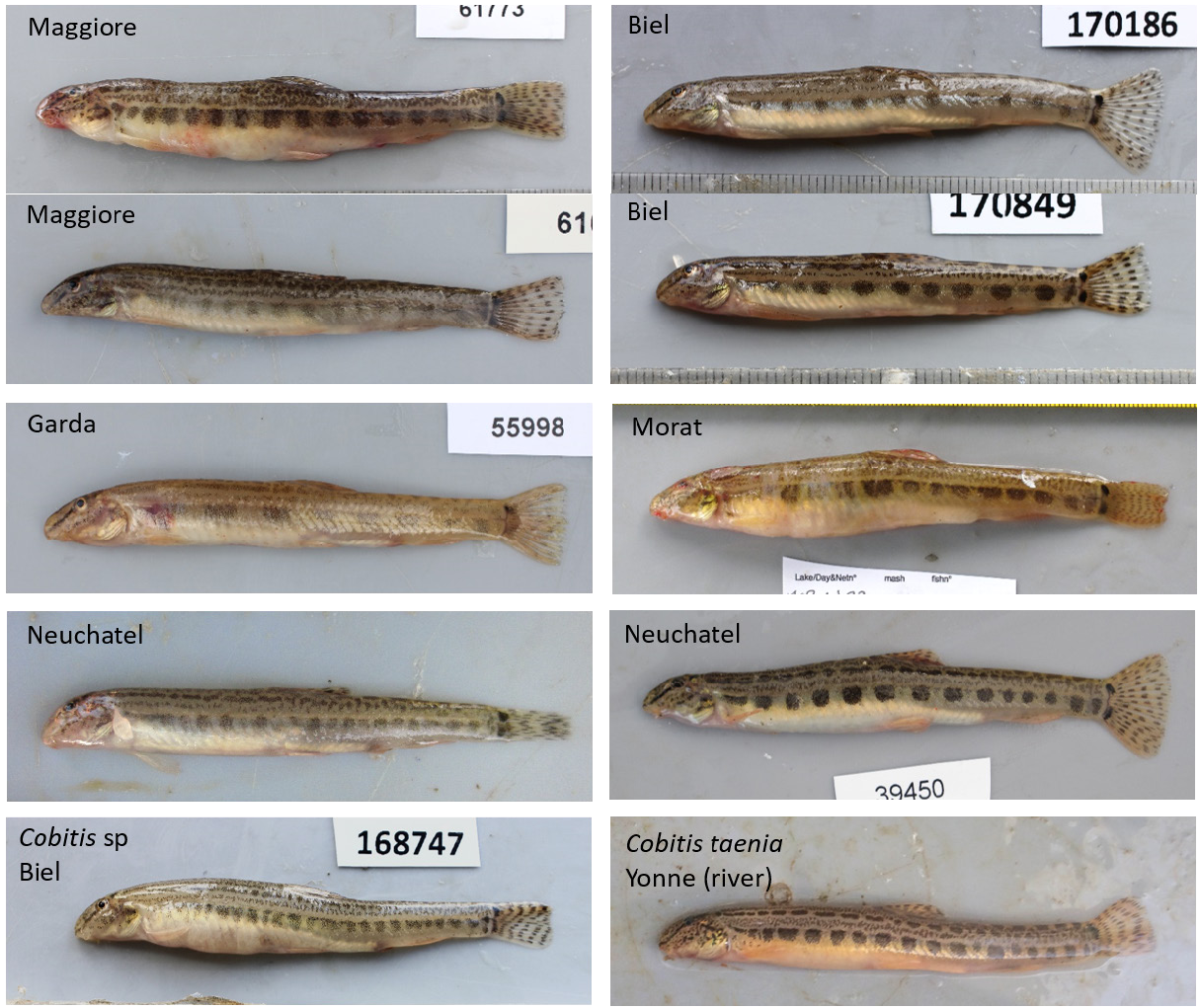
Cobitis is a genus of small freshwater fish in the family Cobitidae from temperate and subtropical Eurasia. It contains the "typical spiny loaches", including the well-known spined loach of Europe. Similar spiny loaches, occurring generally south of the range of Cobitis, are nowadays separated in Sabanejewia.

Pangasius
Pangasius is a genus of medium-large to very large shark catfishes native to fresh water in South and Southeast Asia. The term "pangasius" is sometimes used to specifically refer to the commercially important basa fish, P. bocourti.

Paracheirodon
Paracheirodon is a genus of freshwater ray-finned fishes belonging to the family Acestrorhamphidae, the American characins, of the order Characiformes. The type species is P. innesi, the well-known neon tetra, and the Paracheirodon species are among the fishes known as tetras. All species of this genus are native to the Neotropical realm, occurring in the Orinoco and Amazon Basins in northern South America.

Trichogaster
Trichogaster is a genus of gouramis native to South Asia from Pakistan to Myanmar. It is the only genus in the monotypic subfamily Trichogastrinae as set out in the 5th Edition of Fishes of the World, although that book states that there are two genera, the other being Colisa which is treated as a synonym of Trichogaster by Fishbase and the Catalog of Fishes. Fishbase also places the genus in the Luciocephalinae. Species of this genus are very popular in the aquarium trade.

Gobio
Gobio is a genus of typical gudgeons, ray-finned fish in the family Cyprinidae many of which are endemics of south-eastern Europe. Members of the genus are usually small fish, rarely longer than 10 cm.

Hyphessobrycon
Hyphessobrycon is a genus of freshwater ray-finned fish belonging to the family Acestrorhamphidae, the American characins. These species are among the fishes known as tetras. The genus is distributed in the Neotropical realm from southern Mexico to Río de la Plata in Argentina. Many of these species are native to South America; about six species are from Central America, and a single species, H. compressus, is from southern Mexico.

Channa
Channa is a genus of predatory fish in the family Channidae, commonly known as snakeheads, native to freshwater habitats in Asia. This genus contains about 50 scientifically described species. The genus has a wide natural distribution extending from Iraq in the west, to Indonesia and China in the east, and parts of Siberia in the Far East. A particularly high richness of species exists in Myanmar (Burma), Bangladesh and northeastern India, and many Channa species live nowhere else. In contrast, a few widespread species have been introduced to several regions outside their natural range, where

Silurus
Silurus is a genus of catfishes native to Europe and Asia.

Clarias
Clarias is a genus of catfishes (order Siluriformes) of the family Clariidae, the airbreathing catfishes. The name is derived from the Greek chlaros, which means lively, and is about the ability of the fish to live for a long time out of water.

Phoxinus
Phoxinus is a genus of freshwater fish in the family Leuciscidae of order Cypriniformes, and the only members of the subfamily Phoxininae, or Eurasian minnows. The other species in this genus are also commonly known as minnows. The name "minnow" was what early English fisherman used to describe "small and insignificant". The genus Phoxinus is found throughout Eurasia, and includes 21 known species. Previously, members of the North American genus Chrosomus were also believed to form part of this genus.

Cottus
genus of fishes
Aequidens
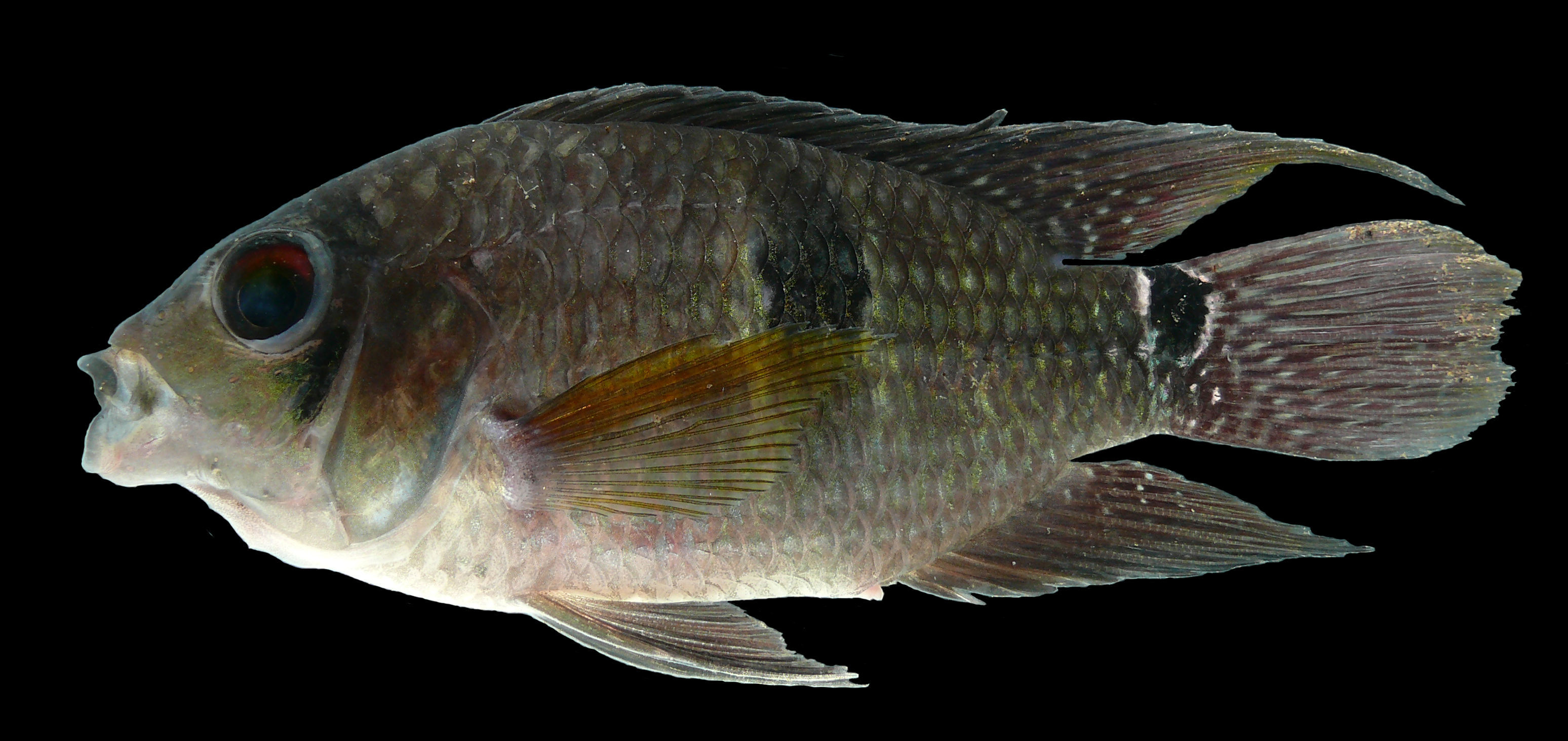
Aequidens is a genus of fish in the family Cichlidae found in South America. Formerly a wastebasket genus, as presently defined Aequidens is largely restricted to the Amazon Basin, Orinoco Basin and river basins in The Guianas. The only exceptions are A. plagiozonatus which also occurs in the Paraná Basin, and A. tetramerus which also occurs in the Parnaíba River.
Clupeonella
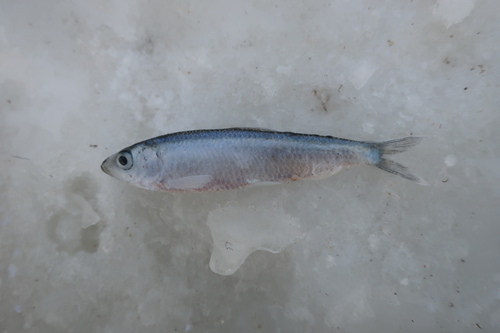
Clupeonella is a genus of fish in the family Ehiravidae. They are widespread in the fresh and brackish waters of the Caspian Sea and Black drainages.
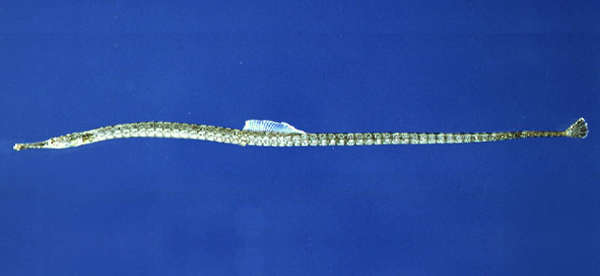
Syngnathus
Syngnathus is a genus of fish in the family Syngnathidae found in marine, brackish and sometimes fresh waters of the Atlantic, Indian and Pacific Ocean. Fossils of these species are found from the Oligocene to the Pleistocene. They are known from various localities of Greece, Italy, Germany and United States. The name comes from Ancient Greek σύν (sún), meaning "together", and γνάθος (gnáthos), meaning "jaw", referring to the fused jaw that the species (and the entire family) have in common.

Hemigrammus
Hemigrammus is a genus of freshwater ray-finned fishes belonging to the family Acestrorhamphidae, the American characins. The fishes in this genus are found in South America, including Trinidad, and commonly seen in the aquarium trade. These are medium-small tetras where the largest species reach up to around .
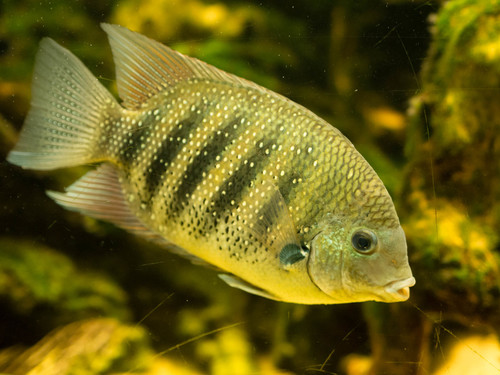
Etroplus
Etroplus is a small genus of cichlids native to southern India and Sri Lanka. Together with Pseudetroplus (which formerly was included in Etroplus), they are the only cichlids of this region.

Takifugu
Takifugu, also known by the Japanese name , is a genus of pufferfish with 25 species, most of which are native to salt and brackish waters of the northwest Pacific, but a few species are found in freshwater in Asia or more widely in the Indo-Pacific region. Their diet consists mostly of algae, molluscs, invertebrates and sometimes crustaceans.

Hydrocynus
Hydrocynus is a genus of Characin fish in the family Alestidae commonly called "tigerfish," native to Africa. The genus name is derived from Ancient Greek ὕδωρ ("water") + κύων ("dog"). The genus contains five species, all commonly known as "African tigerfish" for their fierce predatory behaviour and other characteristics that make them excellent game fish. Hydrocynus are normally piscivorous, but H. vittatus is proven to prey on birds in flight.

Arapaima
The arapaima, pirarucu, or paiche is any large species of bonytongue in the genus Arapaima native to the Amazon and Essequibo basins of South America. Arapaima is the type genus of the subfamily Arapaiminae within the family Osteoglossidae. They are among the world's largest freshwater fish, reaching as much as in length. They are an important food fish. They have declined in the native range due to overfishing and habitat loss. In contrast, arapaima have been introduced to several tropical regions outside the native range (within South America and elsewhere), where they are sometimes consider

Botia
Botia (Indian loaches) is a genus of freshwater fish in the loach family (Botiidae). It was a large genus with about 20 species. In 2004 Maurice Kottelat proposed in his paper (along with the description of Botia kubotai, see References below) to divide the genus into four related genera based on fish appearance and locality:
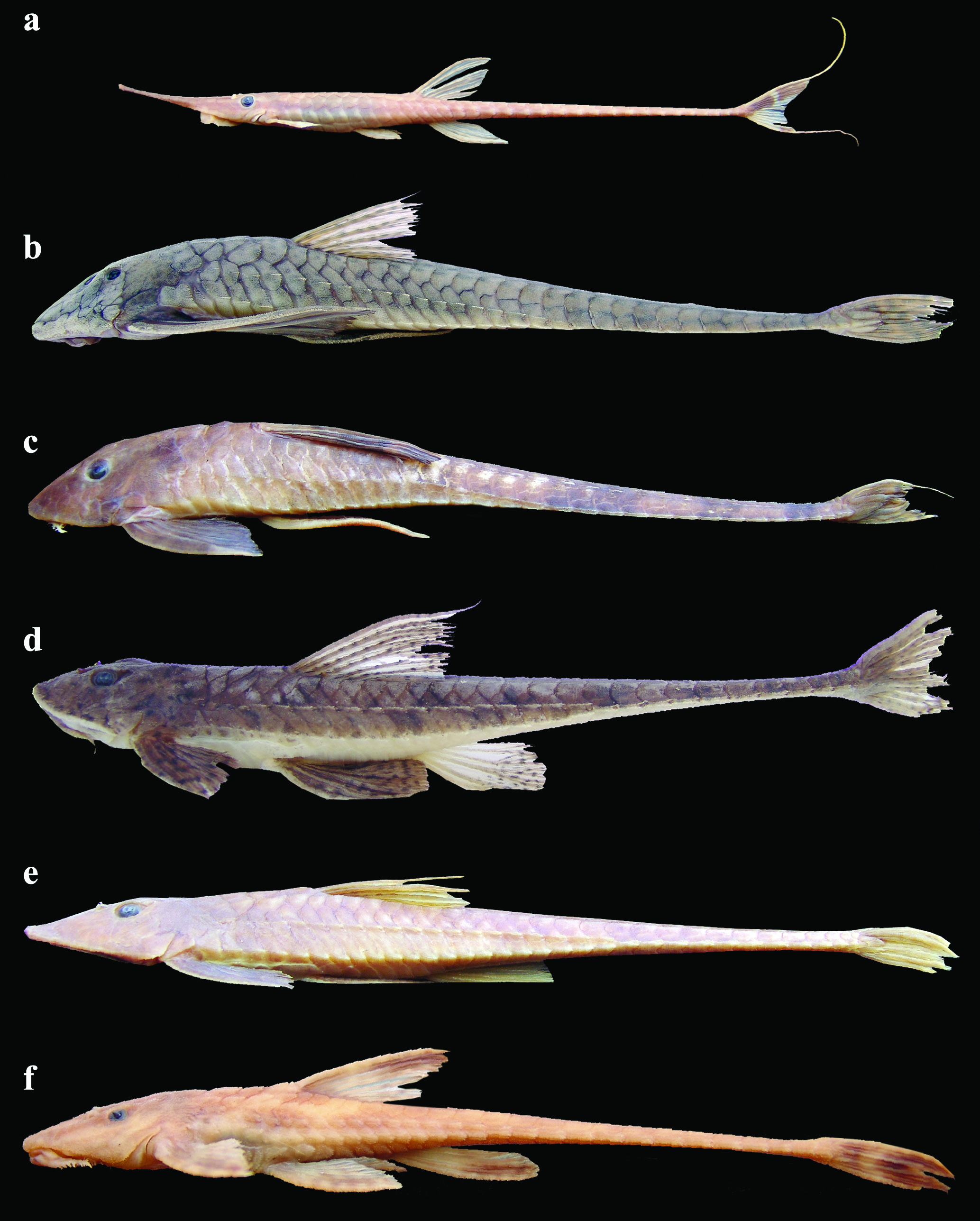
Rineloricaria
Rineloricaria is a genus of freshwater ray-finned fishes belonging to the family Loricariidae, the suckermouth armored catfishes, and the subfamily Loricariinae, the mailed catfishes. This genus is one of the most speciose genus of mailed catfishes. The catfishes in this genus are found in rivers southern Central America and northern and central South America. Species from this genus are found in the aquarium trade.
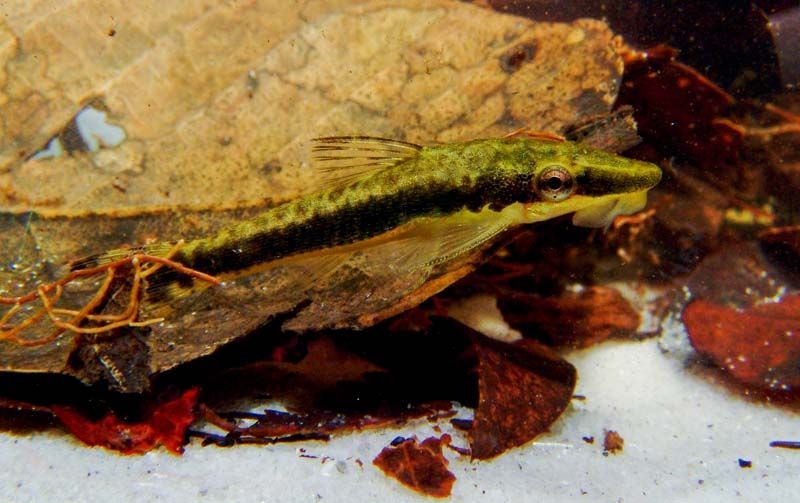
Otocinclus
Otocinclus is a genus of catfish in the family Loricariidae native to South America, commonly known as "dwarf suckers" or "otos". This genus, like other loricariids, is characterized by rows of armour plating covering the body, as well as the underslung suckermouth. They are generally small in size; O. tapirape is the smallest of the species (2.4 cm), while O. flexilis is the biggest (5.5 cm). These species have adaptations that allow them to breathe air. A duct forms at the junction between the esophagus and the stomach and expands into an enlarged, ring-like diverticulum, character
%20(12598764423).jpg)
Cyprinodon
Cyprinodon is a genus of pupfishes found in waters that range from fresh to hypersaline. The genus is primarily found in Mexico, the Caribbean Islands and southern United States (Arizona, California, Florida, Nevada, New Mexico, Oklahoma and Texas), but C. variegatus occurs as far north as Massachusetts and along the entire Gulf of Mexico coastline, and C. dearborni and C. variegatus are found in northern South America. Many species have tiny ranges and are highly threatened, in some cases already extinct. Cyprinodon are small; the largest reaches in length and most other species only reach ab

Barbatula
Barbatula is a genus of fish in the family Nemacheilidae native to Europe and Asia. They are found in streams, rivers and lakes, and the genus also includes Europe's only cavefish, which only was discovered in the Danube–Aachtopf system in Germany in 2015.

Aphanius
Aphanius, commonly referred to as Mediterranean killifish, is a genus of the order Cyprinodontiformes in the family Aphaniidae. They are found in fresh and brackish waters in the coastal plains of the Mediterranean region.
%203087685650.jpg)
Aulonocara
Aulonocara is a genus of haplochromine cichlids endemic to Lake Malawi in East Africa. All Aulonocara species are maternal mouth brooders. Particularly in the aquarium hobby, Aulonocara species are also known as peacock cichlids, aulonocaras or simply "peacocks". This genus is strongly sexually dichromic, even by haplochromine standards.

Heteropneustes
Heteropneustes is a genus of catfishes, the airsac catfishes, native to Asia. This genus is monotypic in the family Heteropneustidae.
Ctenopoma
Ctenopoma is a genus of climbing gouramies native to Africa. Microctenopoma has been included in Ctenopoma in the past; in contrast to that genus, Ctenopoma species are egg scatterers with no parental care.

Macrotocinclus affinis
The golden otocinclus (Macrotocinclus affinis, formerly Otocinclus affinis) is one of the smallest known suckermouth catfish, often called a 'dwarf oto'. Endemic to Southeast Brazil, this herbivorous, rheophilic, bottom-feeder only grows to around in length. The close relatives of this small fish are often used for the purpose of controlling algae in small home aquariums, under the name Otocinclus affinis. In reality, they belong to the species O. vittatus, O. vestitus and O. macrospilus and O. huaorani. The real M. affinis is not present in the aquarium hobby.
.jpg)
Etheostoma
Etheostoma is a genus of small freshwater fish in the family Percidae, and within the subfamily Etheostomatinae, native to North America. Most are restricted to the United States, but species are also found in Canada and Mexico. They are commonly known as darters, although the term "darter" is shared by several other genera. Many can produce alarm pheromones that serve to warn nearby fish in case of an attack.

Brycon
Brycon is a genus of freshwater ray-finned fishes belonging to the family Bryconidae, and order Characiformes. The fishes in this genus are found in Central and South America, ranging from southern Mexico to northern Argentina. Despite not being closely related to true trout, they are sometimes called South American trout. Members of the genus may be referred to by a number of other different common names in various languages. They reach a maximum length of , depending on the species involved. Some species perform seasonal breeding migrations.

Moenkhausia
Moenkhausia is a genus of freshwater ray-finned fishes belonging to the family Acestrorhamphidae, the American characins. They are found in tropical and subtropical South America and are medium-sized tetras, where the largest species only reach around .

Aplocheilus
Aplocheilus is a genus of killifish in the family Aplocheilidae. Their native range is in South and Southeast Asia, from India to Vietnam and Malaysia, and from Nepal to Sri Lanka. Several species, especially the striped panchax, A. lineatus, are important aquarium fishes.
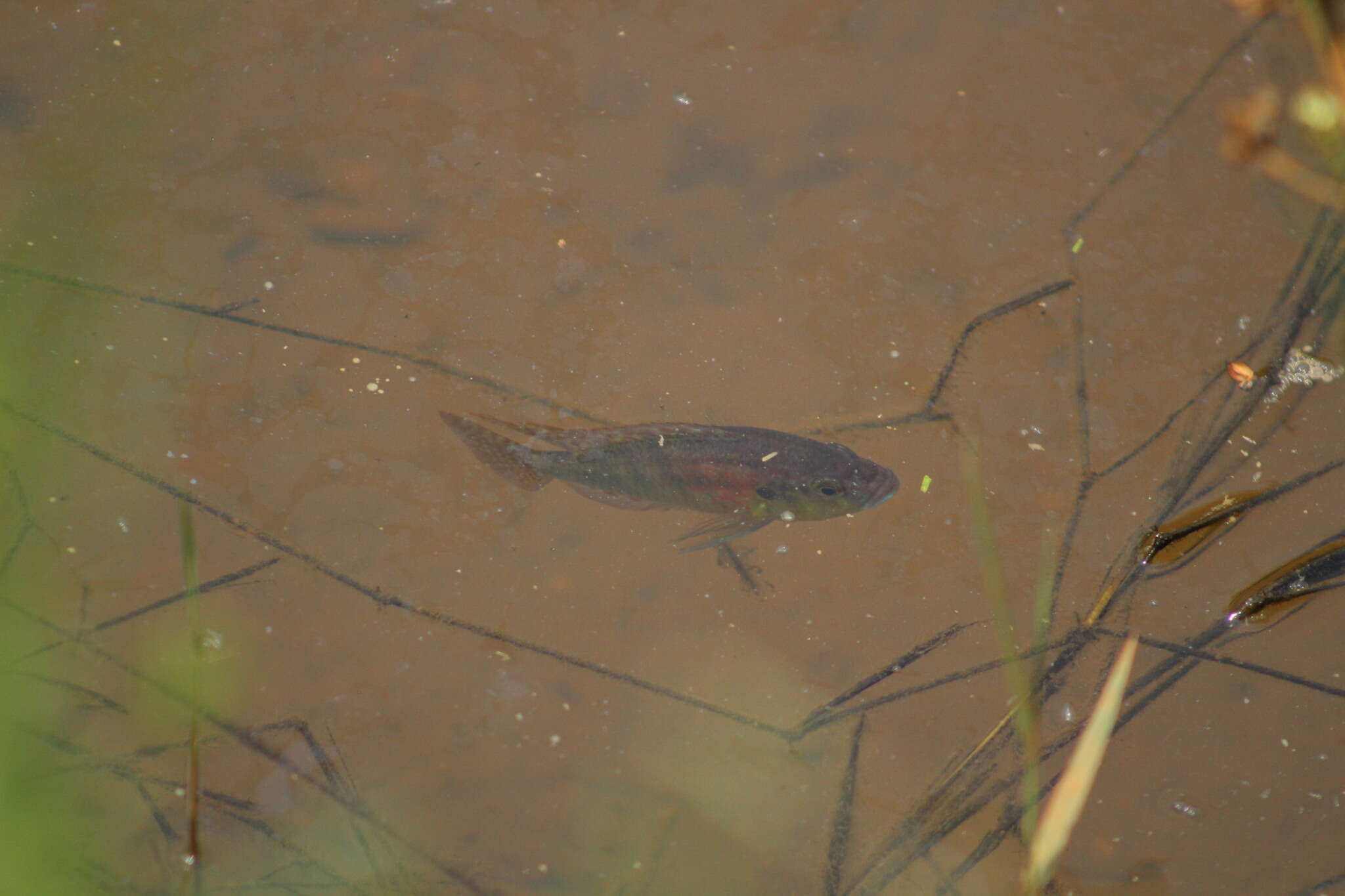
Astatotilapia
Astatotilapia is a genus of small freshwater fish in the family Cichlidae found in Eastern and Northern Africa, with a single species, A. flaviijosephi, in Western Asia (the only non-African haplochromine). Many species have been moved between this genus and Haplochromis, and while some consensus has been reached in recent years, their mutual delimitation is still far from settled. Based on mtDNA, Astatotilapia as currently defined is polyphyletic.
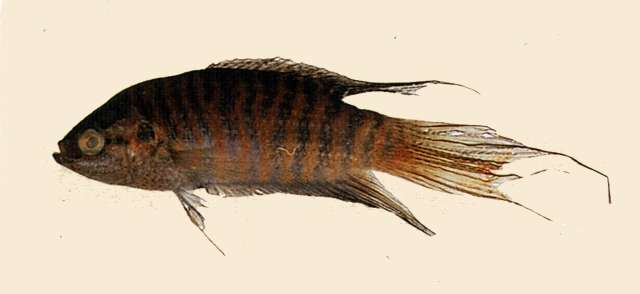
Macropodus
Macropodus is a genus of small to medium-sized labyrinth fish native to freshwater habitats in eastern Asia. Most species are restricted to southern China (including Hong Kong and Taiwan) and Vietnam, but M. opercularis occurs as far north as the Yangtze basin, and M. ocellatus occurs north to the Amur River, as well as in Japan and Korea. In China, they are often used for fights, so they are named Chinese bettas because of their similarity to the genus Betta. A few species in the genus are regularly seen in the aquarium trade, and M. opercularis has been introduced to regions far outside its

Pseudoplatystoma
Pseudoplatystoma is a genus of several South American catfish species of the family Pimelodidae. The species are known by a number of different common names. They typically inhabit major rivers where they prefer the main channels and tend to stay at maximum depth, but some species can also be seen in lakes, flooded forests, and other freshwater habitats. They have robust bodies and are important food fish. Recently, their populations have been on the drastic decline due to a variety of factors, including overfishing and habitat destruction due to the construction of hydroelectric dams.
.jpg)
Boraras
Boraras is a genus of freshwater ray-finned fishes belonging to the subfamily Rasborinae - the Rasbora, which along with sister subfamily Danioninae (Danio, Devario, Microdevario) comprise the family Danionidae, group popular among freshwater aquarium hobbyists.
Kryptopterus
thumb|Kryptopterus swimming in captivity.
.JPG)
Devario
Devario is a genus of fish in the family Danionidae, a family which also contains several other genera of popular freshwater aquarium fish such as Rasbora and Danio.

Nothobranchius
Nothobranchius, known as nothobranchs or simply nothos, is a genus of small, freshwater killifish, classified in the family Nothobranchiidae in the order Cyprinodontiformes. There are about a hundred species in the genus, many with very small distributions. They are primarily native to East Africa from Sudan to northern South Africa, whereas a dozen species are found in the upper Congo River Basin, with the greatest species richness being in Tanzania.

Mystus
Mystus is a genus of fish in the family Bagridae native to Asia. Phylogenetic relationships within this genus are poorly understood, though it has been suggested that there are two major lineages.
Astroblepus
Astroblepus is a genus of freshwater ray-finned fishes belonging to the family Astroblepidae, the climbing catfishes or naked sucker-mouth catfishes. This genus is the only genus in its family. These catfishes are primarily found in torrential streams in the Andean area. Astroblepus pholeter and A. riberae are troglobites adapted to living in subterranean water systems. These species are typically small, less than . The largest species reaches . These fish have suckermouths like those of loricariids. They have two pairs of barbels, maxillary and nasal. The dorsal fin spine lacks a locking mech
Retroculus
Retroculus is a genus of cichlids native to tropical South America, where three are native to rivers in southeastern Amazon Basin in Brazil, while the final is native to rivers in Amapá (Brazil) and French Guiana. It is the sole genus included in the subfamily Retroculinae, although some authorities classify this as a tribe, Retroculini, of the subfamily Cichlinae. These rheophilic cichlids are superficially similar to Geophagus.