Category
page 1Fungus classes
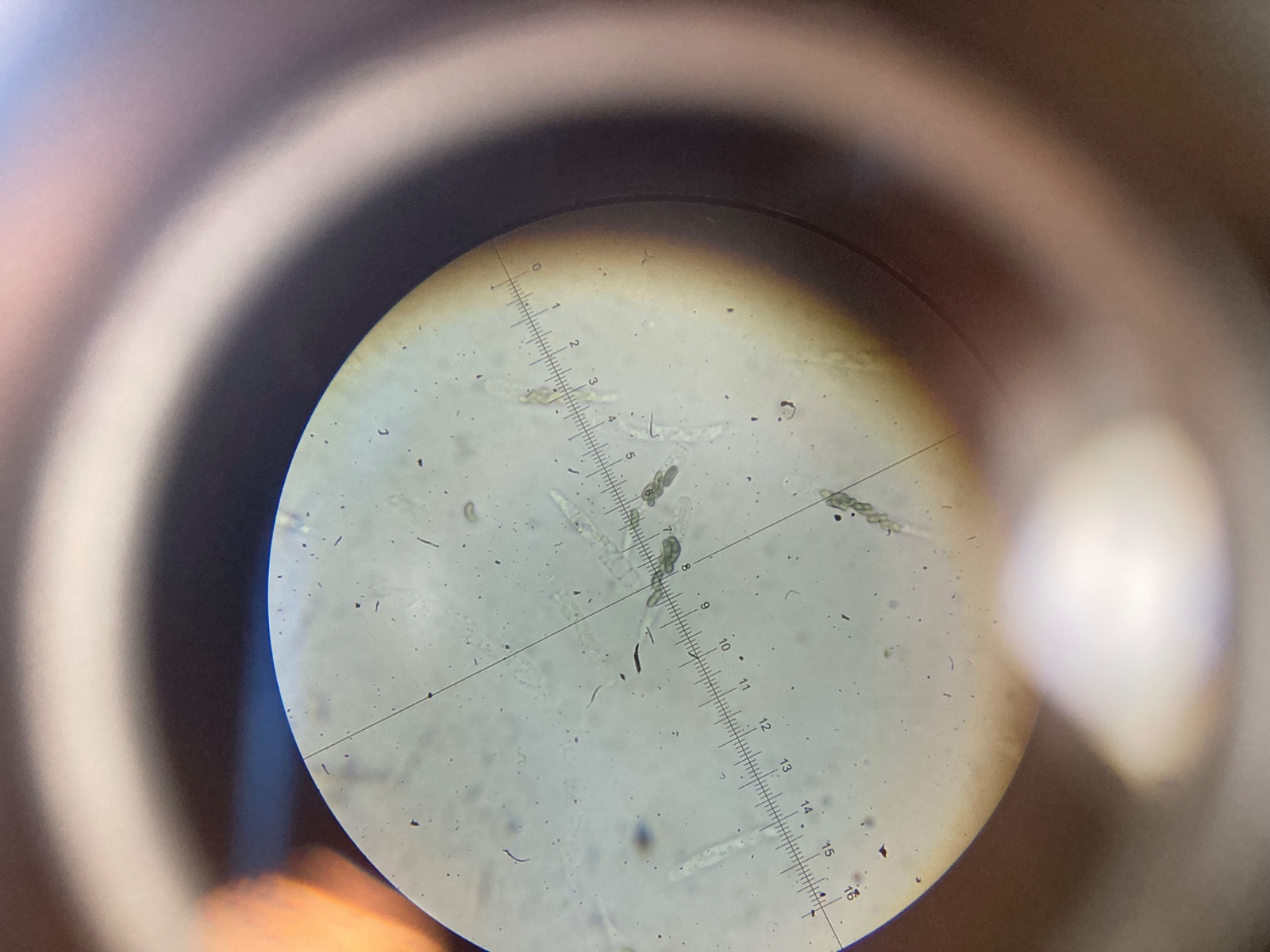
Sordariomycetes
Sordariomycetes is a class of fungi in the subdivision Pezizomycotina (Ascomycota). It is the second-largest class of Ascomycota, with a worldwide distribution that mostly accommodates terrestrial based taxa, although several can also be found in aquatic habitats. Some are phytopathogens that can cause leaf, stem, and root diseases in a wide variety of hosts, while other genera can cause diseases in arthropods and mammals.
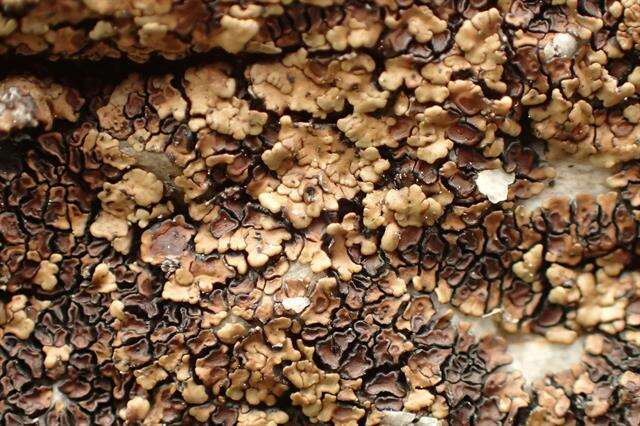
Lecanoromycetes
Lecanoromycetes is the largest class of lichenized fungi. It belongs to the subphylum Pezizomycotina in the phylum Ascomycota. The asci (spore-bearing cells) of the Lecanoromycetes most often release spores by rostrate dehiscence.
Eurotiomycetes
Eurotiomycetes is a large class of ascomycetes with cleistothecial ascocarps within the subphylum Pezizomycotina, currently containing around 3810 species according to the Catalogue of Life. It is the third largest lichenized class, with more than 1200 lichen species that are mostly bitunicate in the formation of asci. It contains most of the fungi previously known morphologically as "Plectomycetes".
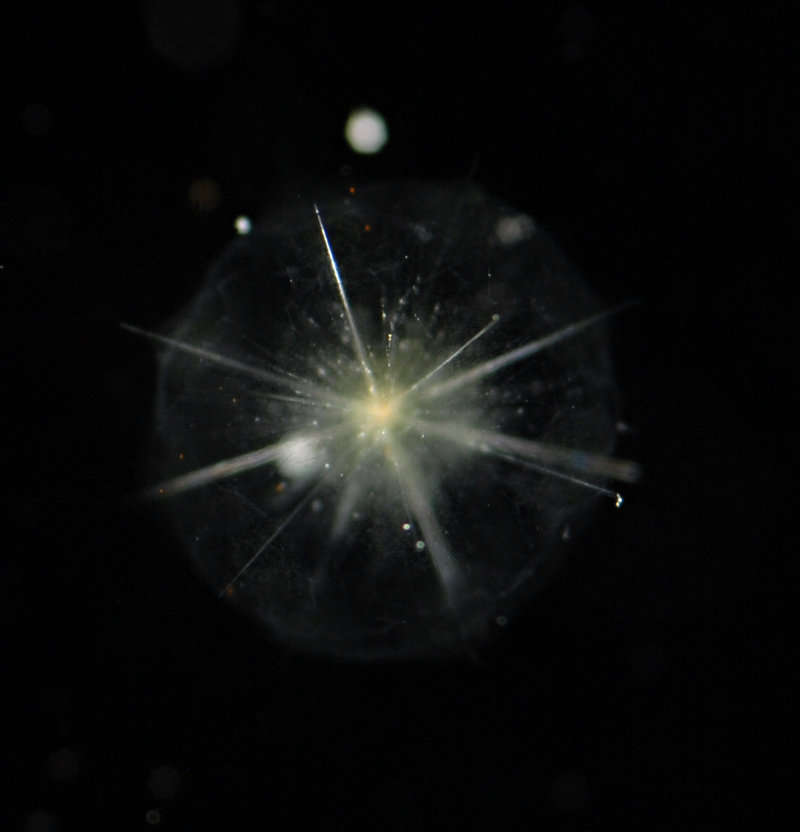
Dothideomycetes
Dothideomycetes is the largest and most diverse class of ascomycete fungi. It comprises 11 orders 90 families, 1,300 genera and over 19,000 known species.
Wijayawardene et al. in 2020 added more orders to the class.
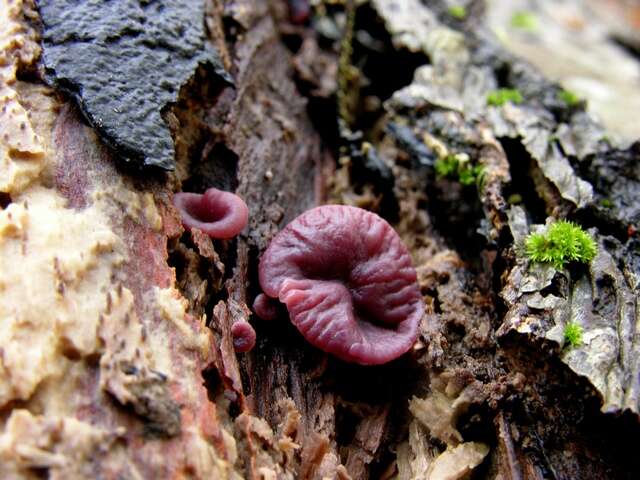
Leotiomycetes
The Leotiomycetes are a class of ascomycete fungi. Some members of the class are known as plant pathogens.
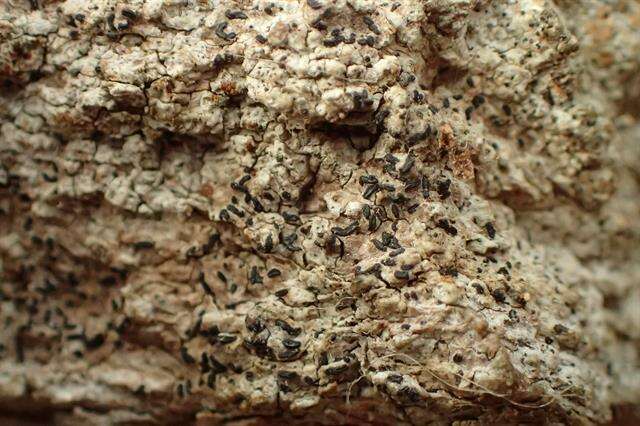
Arthoniomycetes
Arthoniomycetes are a class of ascomycete fungi. It includes two orders: Arthoniales and Lichenostigmatales. Most of the taxa in these orders are tropical and subtropical lichens.
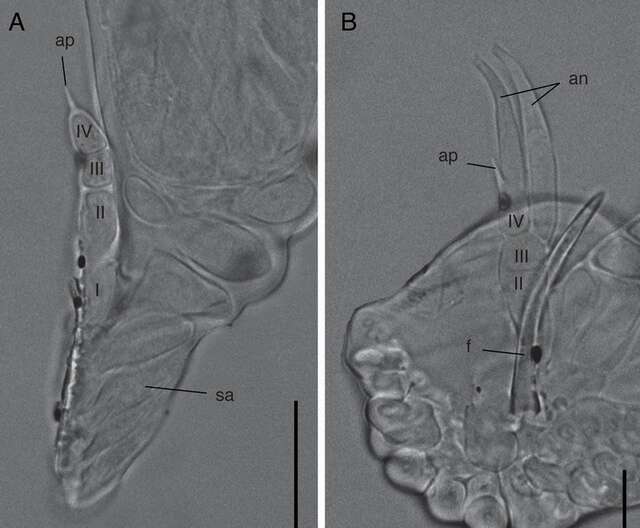
Laboulbeniomycetes
The Laboulbeniomycetes are a unique group of fungi that are obligatorily associated with arthropods, either as external parasites (Herpomycetales and Laboulbeniales) or for dispersal (Pyxidiophorales).
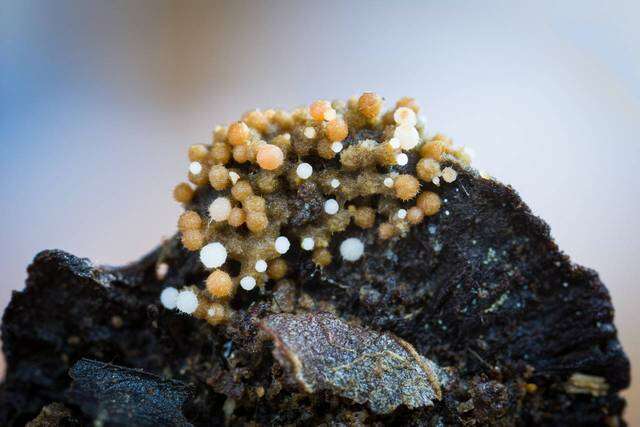
Glomeromycetes
REDIRECT Glomeromycota
Entorrhizomycetes
Entorrhizomycetes is the sole class in the phylum Entorrhizomycota, within the Fungi subkingdom Dikarya along with Basidiomycota and Ascomycota. It contains three genera and is a small group of teliosporic root parasites that form galls on plants in the Juncaceae (rush) and Cyperaceae (sedge) families. Prior to 2015 this phylum was placed under the subdivision Ustilaginomycotina. A 2015 study did a "comprehensive five-gene analyses" of Entorrhiza and concluded that the former class Entorrhizomycetes is possibly either a close sister group to the rest of Dikarya or Basidiomycota.
Hyphomycetes
Hyphomycetes are a form classification of fungi, part of what has often been referred to as fungi imperfecti, Deuteromycota, or anamorphic fungi. Hyphomycetes lack closed fruit bodies, and are often referred to as moulds (or molds). Most hyphomycetes are now mainly assigned to the Ascomycota, on the basis of genetic connections made by life-cycle studies or by phylogenetic analysis of DNA sequences; somemany remain unassigned phylogenetically. There are also some basidiomycete species, with aquatic presence noted in certain Corticiaceae and Urediniomycetes.
Xylonomycetes
The Xylonomycetes are a class of fungi, which holds 2 orders of Symbiotaphrinales , and Xylonales .
Coelomycetes
Coelomycetes are a form-class of fungi, part of what has often been referred to as fungi imperfecti, Deuteromycota, or anamorphic fungi.
Kickxellomycetes
REDIRECT Kickxellomycotina
Zoopagomycetes
REDIRECT Zoopagomycotina
Geminibasidiomycetes
Geminibasidiomycetes is a class of dikaryotic fungus classified in 2015. Geminibasidiomycetes are heat resistant