Category
page 4Gall-inducing insects
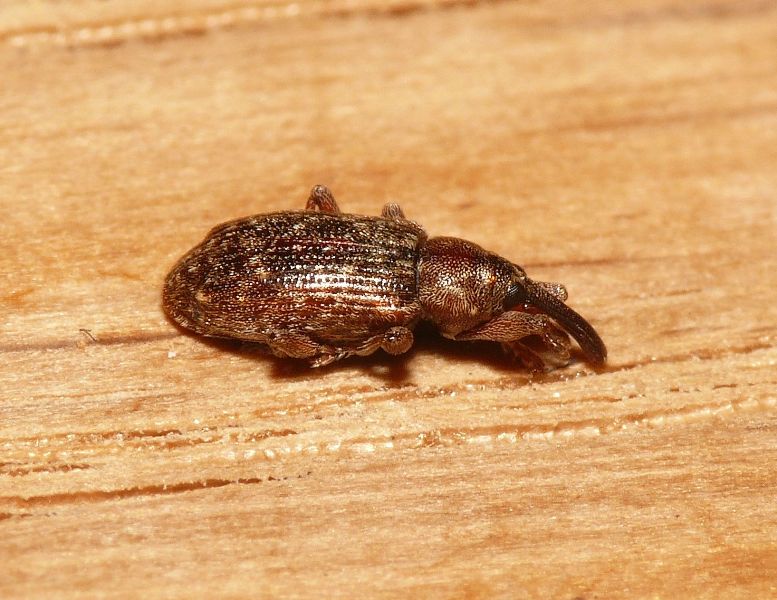
Dorytomus taeniatus
species of insect
Andricus quercusfoliatus
species of insect
Acraspis erinacei
species of insect
Pachypsylla celtidismamma
species of hemipterans
Hamamelistes spinosus
species of insect
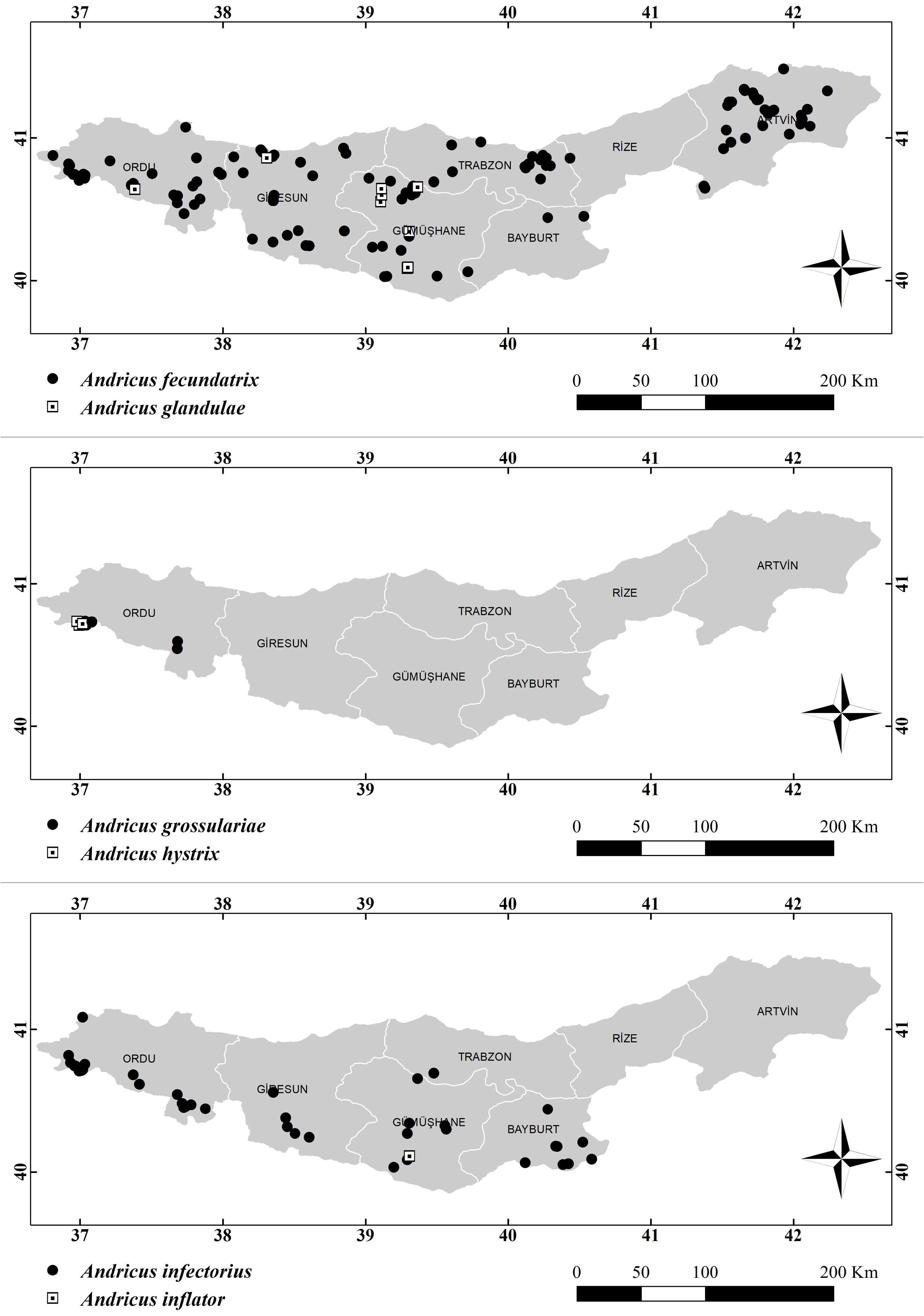
Andricus inflator
species of insect

Tectococcus ovatus
species of insect
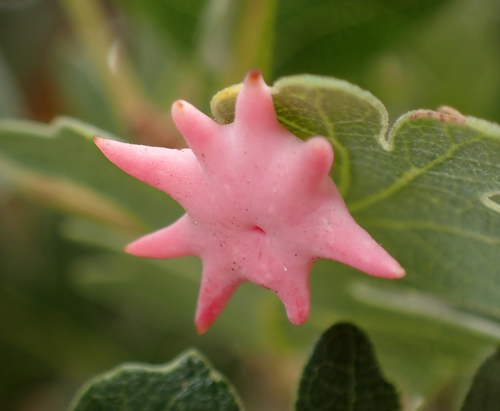
Cynips douglasi
species of insect
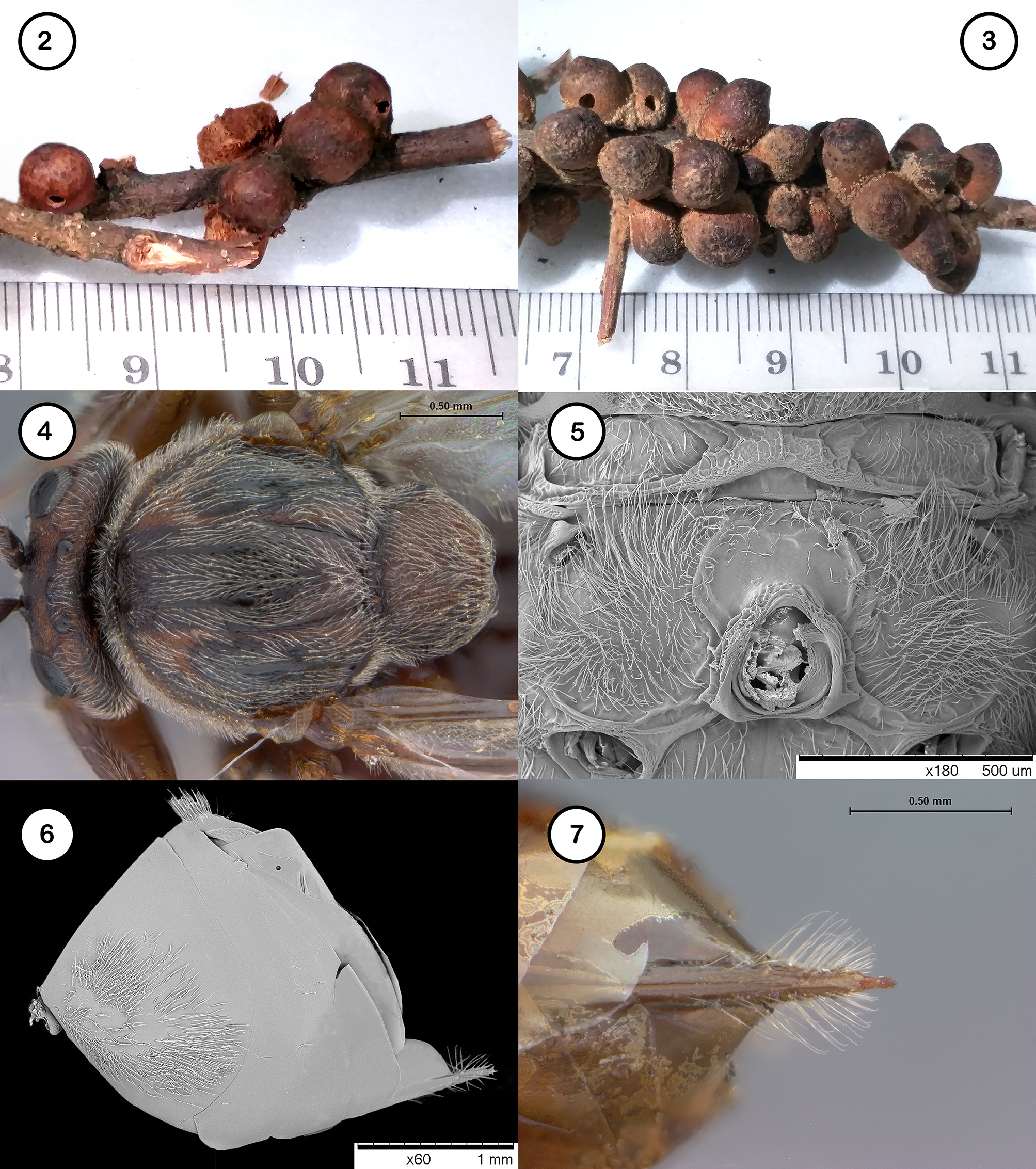
Disholcaspis
Disholcaspis is a genus of gall wasps in the family Cynipidae. There are more than 40 species described in the genus Disholcaspis. Some Disholcaspis species induce galls that produce honeydew, a sweet liquid that attracts yellow jackets, ants, and bees. These insects then protect the galls from parasitic wasps.
Bactericera albiventris
species of insect
Heteroecus pacificus
species of insect
Andricus kingi
species of insect
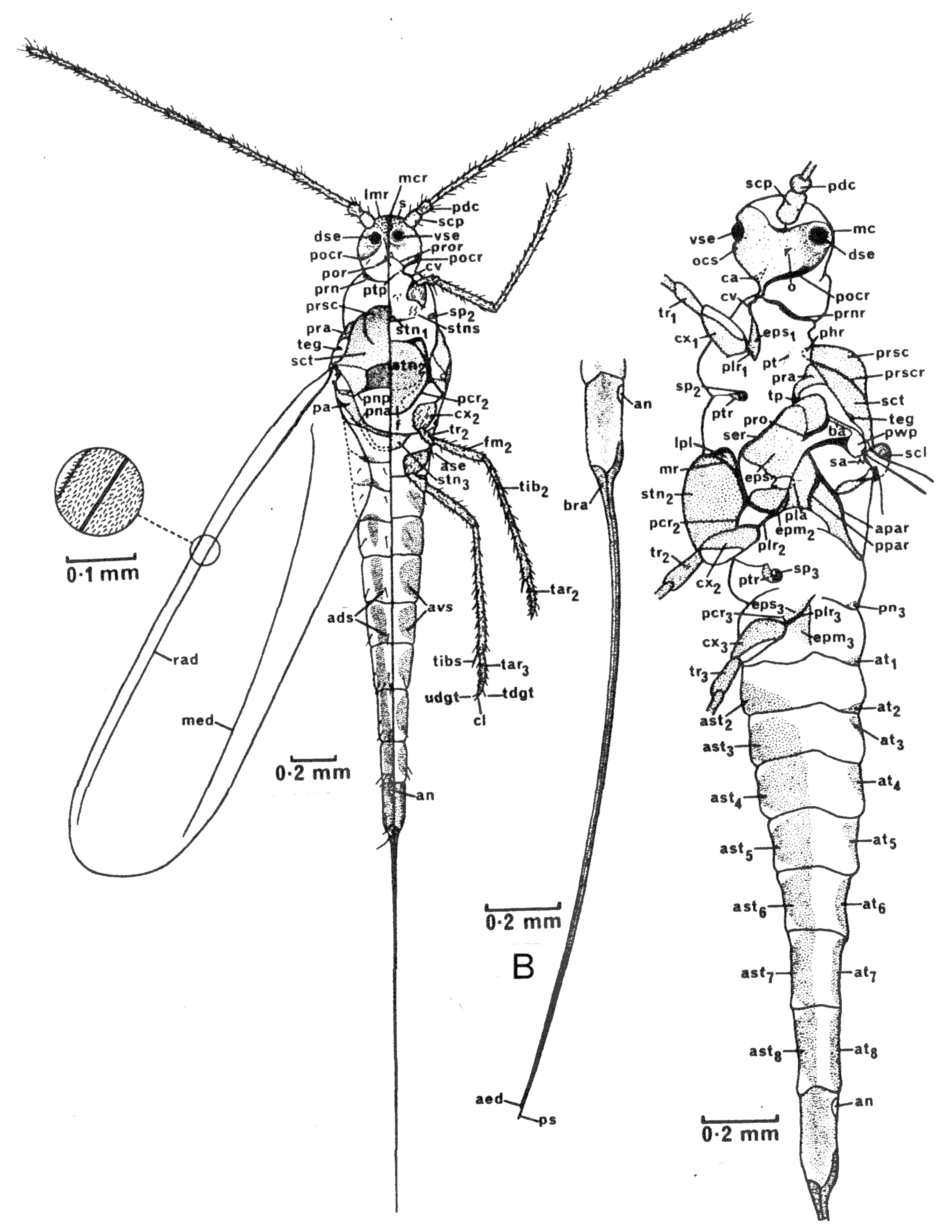
Cylindrococcus
Cylindrococcus is a genus of scale insects that induces galls on plants of the genus Allocasuarina. There are two described species of Cylindrococcus, both of which occur only in Australia. The galls of adult females (10–30 mm long) look somewhat similar to the cone-like "fruit" of the host plant and might be mistaken for such.
Gall-inducing insect
insect causing the growth of galls within plants
Massalongia
genus of insects
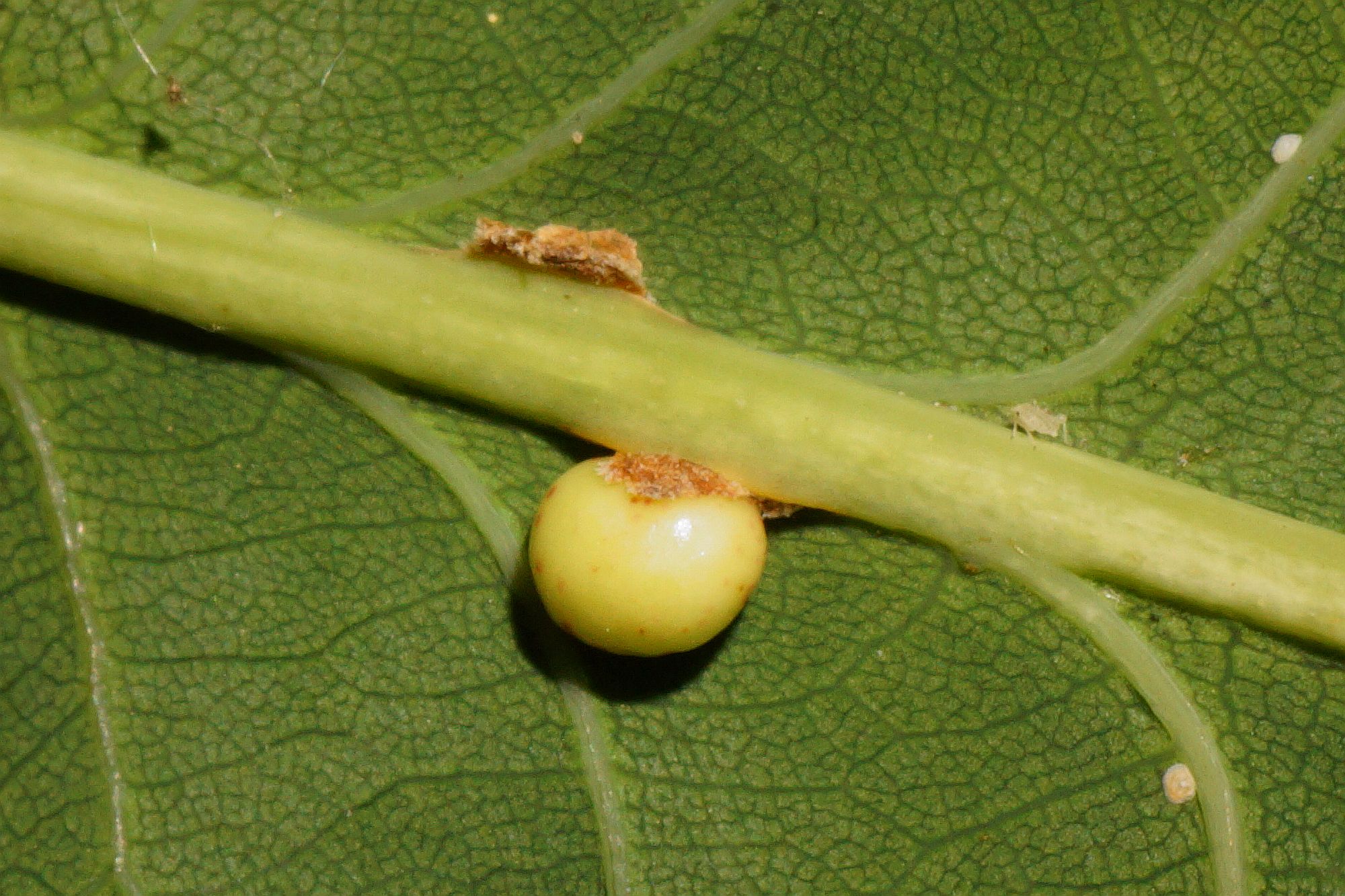
Neuroterus anthracinus
species of insect
Colopha
Colopha is a genus of true bugs belonging to the family Aphididae.
Gnorimoschema gallaesolidaginis
species of insect
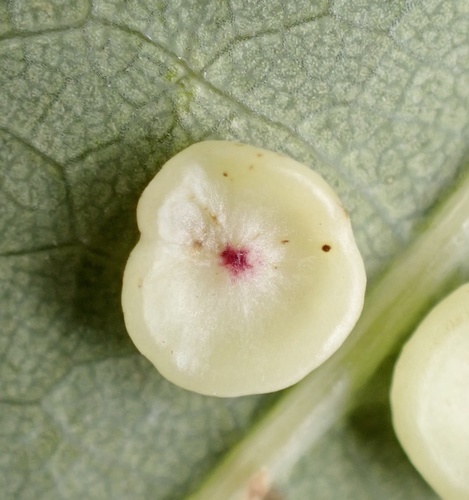
Neuroterus albipes
species of insect
Tamalia coweni
species of insect
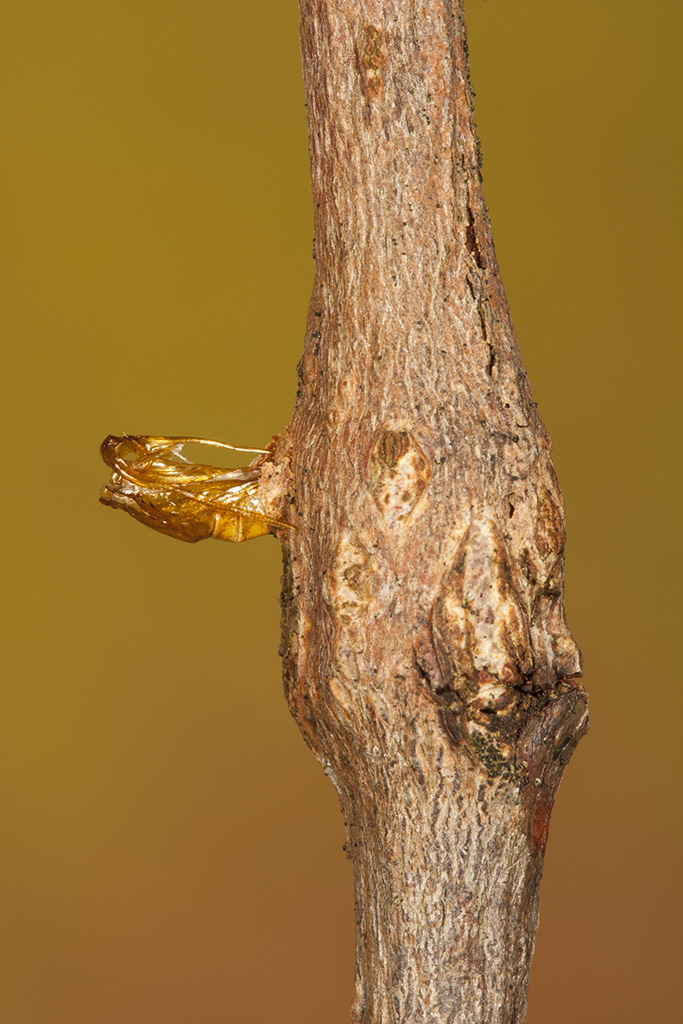
Synanthedon flaviventris
species of insect
Bremiola
Bremiola is a genus of flies in the family Cecidomyiidae. The larvae induce galls on plants in the legume family.
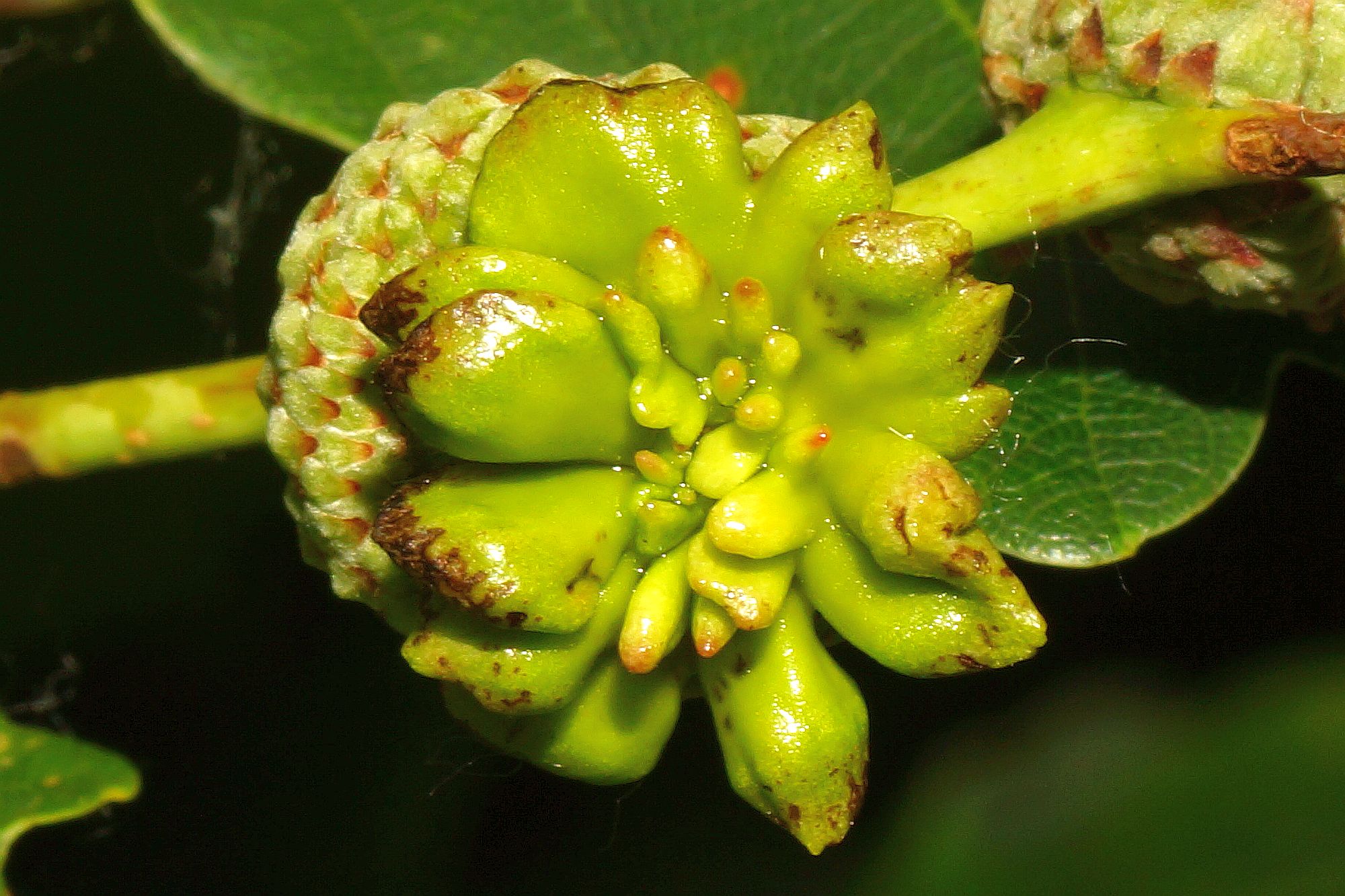
Andricus quercuscalicis
species of insect
Diastrophus potentillae
species of insect
Mesostoinae
The Mesostoinae is a subfamily of braconid wasps with a Gondwanan distribution. The members of this family display sexual dimorphism, males are brachypterous, which means that they have reduced, non-functional wings.
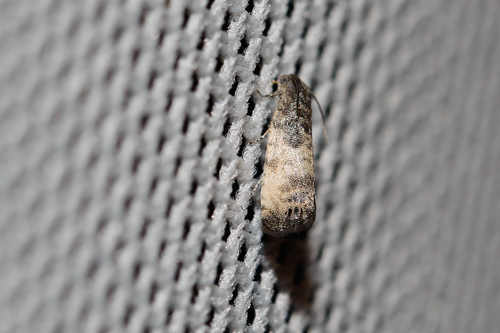
Cydia servillana
species of insect

Apiomorpha
Apiomorpha is a genus of scale insect that induces galls on species of Eucalyptus. Galls are initiated by first-instar nymphs (crawlers) on new plant growth and, when mature, the galls exhibit marked sexual dimorphism. Those induced by females are among the largest and most spectacular of arthropod-induced galls whereas those of males are small and most are tubular. Apiomorpha is known only from Australia and New Guinea although its host, Eucalyptus, has a wider distribution into Indonesia as well.
Andricus quercuscalifornicus
species of insect
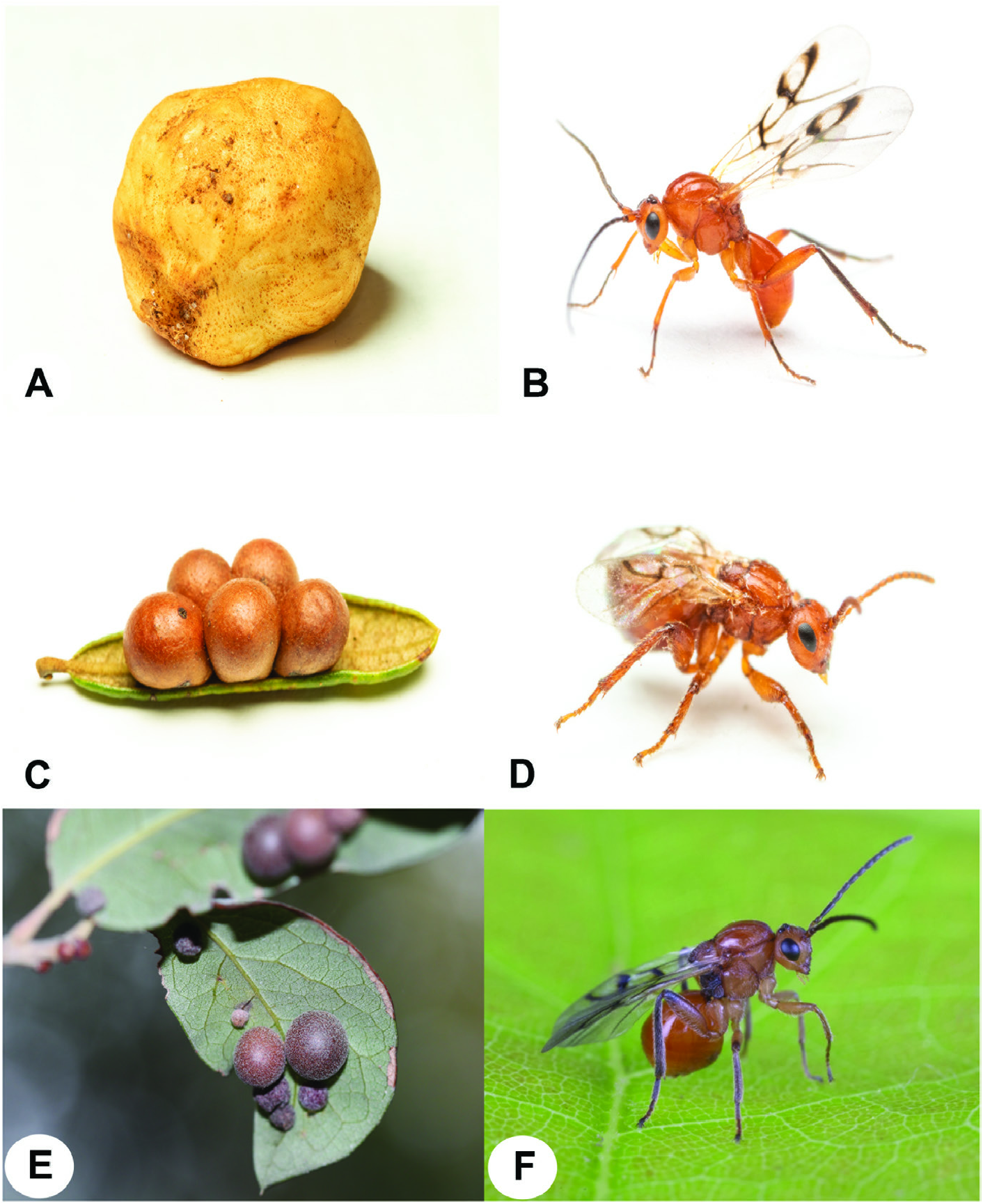
Belonocnema treatae
species of insect
Disholcaspis quercusglobulus
species of insect