Category
page 1Gautama Buddha

Buddhism
thumb|The Kamakura Daibutsu, a 13th-century bronze statue of the Buddha [[Amitābha in Kanagawa Prefecture, Japan]]

The Buddha
Indian philosopher and the founder of Buddhism (623 or 563 BCE – 543 or 483 BCE)

Gaya
Holy City in Bihar, India

Sarnath
Sarnath (also known as Deer Park, Sarangnath, Isipatana Deer Park, Rishipattana, Migadaya, or Mrigadava) is a town northeast of Varanasi, in Uttar Pradesh, India. As the Lalitavistara sutra states, the Gautama Buddha chose "Deer Park by the Hill of the Fallen Sages, outside of Varanasi" for his first teaching after he attained enlightenment in Bodh Gaya. The teaching is entitled Dhammacakkappavattana sutra. Sarnath is one of the eight most important pilgrimage sites for Buddhists, and has been nominated to become a UNESCO World Heritage Site.
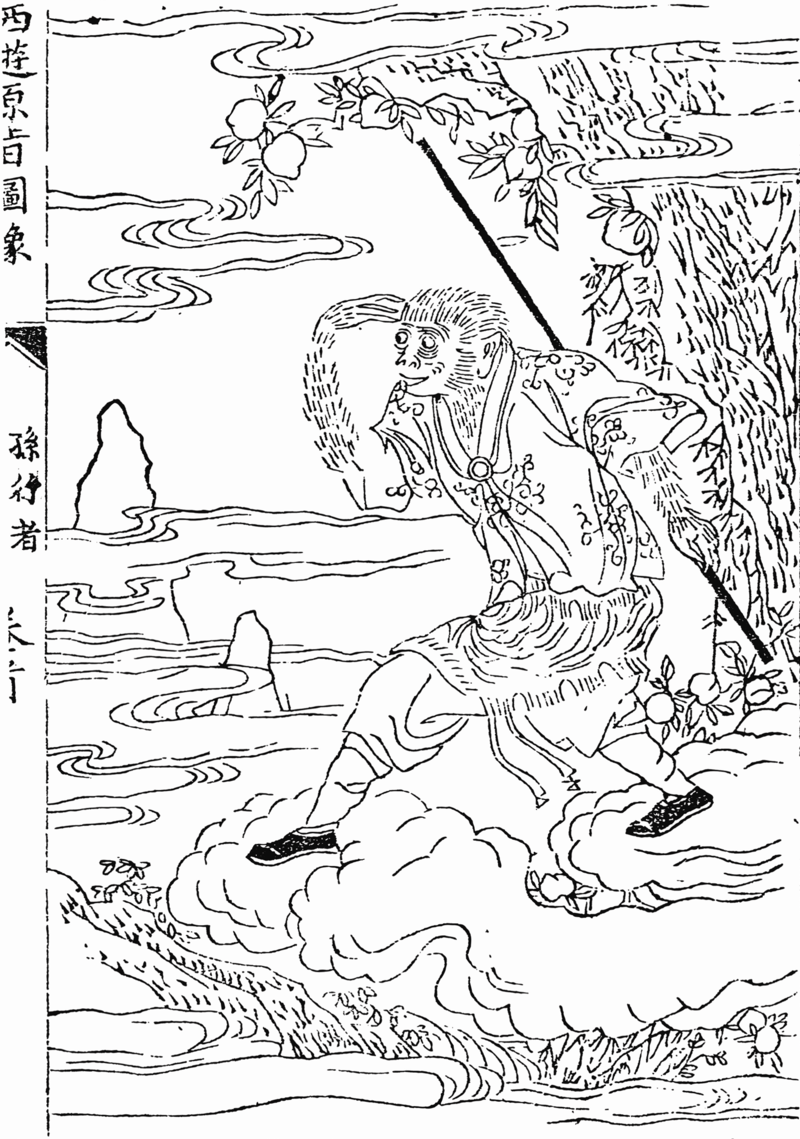
Sun Wukong
mythical character from Journey to the West

Bodhi Tree
sacred fig tree under which Buddha is said to have achieved enlightenment

Buddha's birthday
birthday of the Prince Siddhartha Gautama

parinirvana
thumb|The death of the Gautama Buddha|Buddha, or Mahaparinirvana, [[Gandhara 2–3rd century]]
Vajrapani
' (Sanskrit; Pali: Vajirapāṇi,' 'holder of the thunderbolt', lit. meaning, "Vajra in [his] hand") is one of the earliest-appearing bodhisattvas in Mahayana Buddhism. He is the protector and guide of Gautama Buddha and rose to symbolize the Buddha's power.
modak
Modak (), modakam (), kolukattai or modaka (), also referred to as jilledukayalu in Telugu () is an Indian sweet dish popular in many Indian states and cultures. According to Hindu and Buddhist beliefs, it is one of the favourite dishes of Ganesha and the Buddha and is therefore used in prayers. The sweet filling inside a modak consists of freshly grated coconut and jaggery, while the outer soft shell is made from rice flour or wheat flour mixed with khowa or maida flour.
The Buddha in Hinduism
avatar of the god Vishnu

Buddhacarita
thumbnail|Buddha's First Sermon', India, 11th century|alt=A sculpture of Buddha sitting
Buddhacharita (; ) is an epic poem in the Sanskrit mahakavya style on the life of Gautama Buddha by Aśvaghoṣa of Sāketa (modern Ayodhya), composed in the early second century CE.
Dhammacakkappavattana Sutta
Buddhist text
Buddha footprint
monument marking or symbolizing an imprint of Gautama Buddha's foot or both feet

Devadaha
Devdaha (Deva Daha, देवदह) is a municipality in Rupandehi District of Nepal, the ancient capital of Koliya Republic, located 7 km east of Lumbini and east of Butwal and shares a border with Nawalparasi district on the east side. It is identified as the maternal home of Queen Mayadevi, Prajapati Gautami and Princess Yasodhara. There are many places to visit in Devdaha. It is believed that Prince Siddhartha had spent some years of his childhood with his step-mother/aunt Prajapati Gautami in Devdaha.
Kapilvastu Municipality
municipality in Kapilvastu District, Nepal

Buddhabrot
thumb|A Buddhabrot iterated to 20,000 times.|313x313px
The Buddhabrot is the probability distribution over the trajectories of points that escape the Mandelbrot fractal. Its name reflects its pareidolic resemblance to classical depictions of Gautama Buddha, seated in a meditation pose with a forehead mark (tika), a traditional oval crown (ushnisha), and ringlet of hair.

Kanthaka
thumb|Siddhartha parting from Kanthaka, Gandhara, [[British Museum]]
thumb|Relief of Chanda and Kanthaka in British India, 1897
relic of the tooth of the Buddha
a cetiya "relic" of Gautama Buddha
Template:Gautama Buddha
Wikimedia template
family of Gautama Buddha
family of the founder of Buddhism
physical characteristics of the Buddha
appearance of the Buddha
muni
religious saint / sage
relics associated with Buddha
Prince Sattva
Flower Sermon
story of the origin of Zen Buddhism
Indrasala Cave
Gautama Buddha in world religions
veneration of the founder of Buddhism in other religions
Sumedha
In Buddhist texts, Sumedha is a previous life of Gotama Buddha (Pāli; ) in which he declares his intention to become a Buddha. Buddhist texts describe that this takes place when Gotama Buddha is still a Buddha-to-be (', '). Traditions regard Sumedha's life as the beginning of the spiritual journey leading up to the attainment of Buddhahood by Gotama in his last life, a journey which takes place through many lifetimes. Born in a brahmin family, Sumedha begins to live as an ascetic in the mountains. One day he meets Dīpankara Buddha () and offers his own body for him to walk over. During this sa
Bahujana sukhaya bahujana hitaya cha
Sanskrit aphorism