Category
page 1Germania Inferior
.jpg)
Cologne
Cologne ( ; ; ) is the fourth-most populous city of Germany and the largest city of the German state of North Rhine-Westphalia with nearly 1.1 million inhabitants in the city proper and over 3.1 million people in the Cologne Bonn urban region. Cologne is also part of the Rhine-Ruhr metropolitan region, the second biggest metropolitan region by GDP in the European Union. Centered on the left bank of the Rhine, Cologne is located on the River Rhine (Lower Rhine), about southeast of the North Rhine-Westphalia state capital Düsseldorf and northwest of Bonn, the former capital of West Germany.
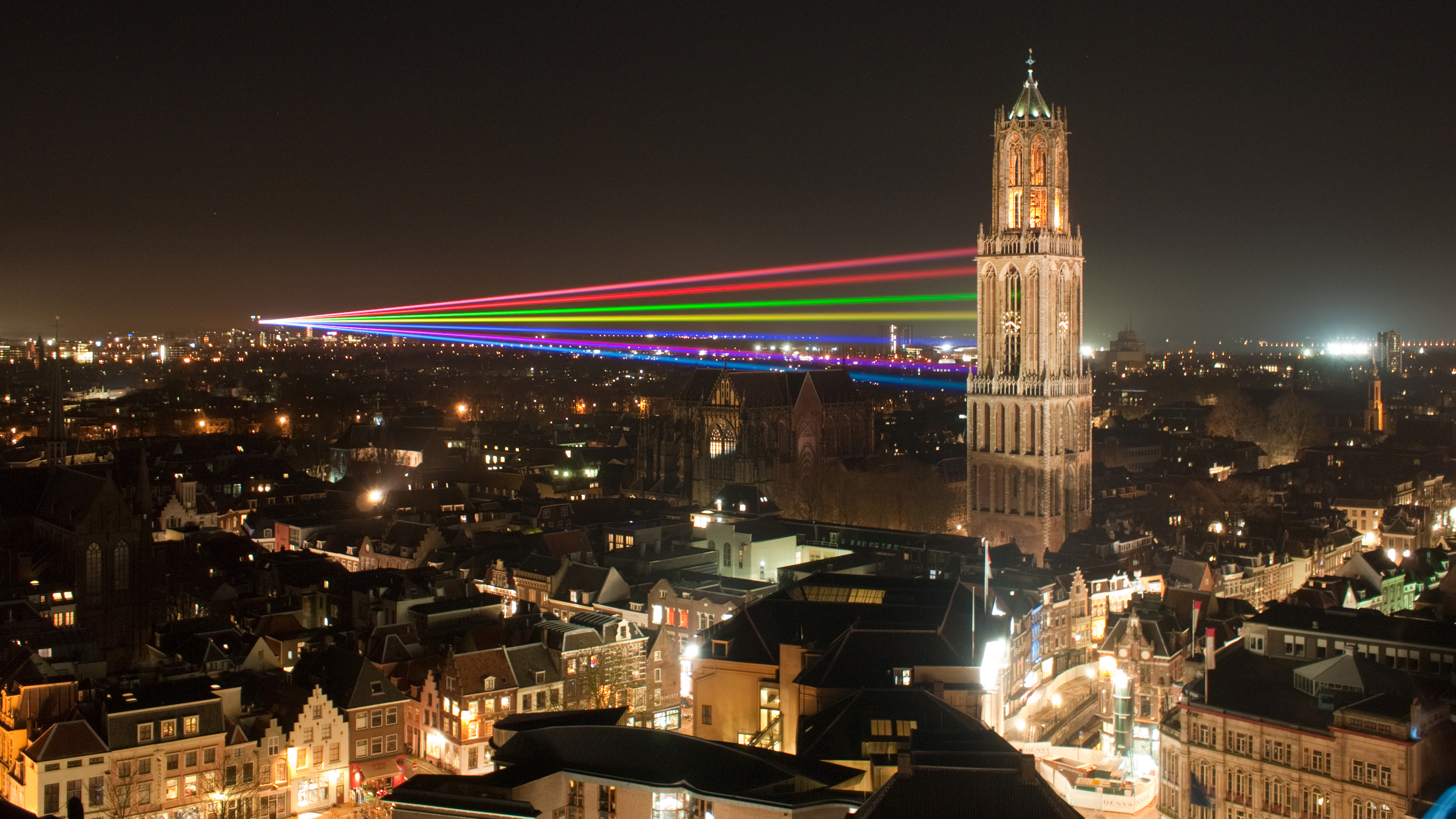
Utrecht
Utrecht ( ; ; ) is the fourth-largest city of the Netherlands, as well as the capital and the most populous city of the province of Utrecht. The municipality of Utrecht is located in the eastern part of the Randstad conurbation, in the very centre of mainland Netherlands, and includes Haarzuilens, Vleuten and De Meern. It has a population of 378,140 as of .

Heerlen
Heerlen (; ) is a city and a municipality in the southeast of the Netherlands. It is the third largest settlement proper in the province of Limburg. Measured as a municipality, it is the fourth largest municipality in the province of Limburg.

Katwijk
upright=1.35|thumb|Dutch Topographic map of Katwijk (urban area), March 2014
upright=1.35|thumb|Coastal boulevard in Katwijk
Katwijk () is a coastal municipality and town in the province of South Holland, which is situated in the mid-western part of the Netherlands. Katwijk is located on the North Sea, northwest of Leiden and 16 km north of The Hague. The Oude Rijn ("Old Rhine") river flows through the town and into the North Sea.

Alphen aan den Rijn
municipality in the Netherlands

Tongeren
Tongeren (; ; ; ) is a city and former municipality located in the Belgian province of Limburg, in the southeastern corner of the Flemish region of Belgium. Tongeren is the oldest town in Belgium, as the only Roman administrative capital within the country's borders. As a Roman city, it was inhabited by the Tungri, and known as Atuatuca Tungrorum, it was the administrative centre of the Civitas Tungrorum district. Since 1 January 2025, it is part of the new municipality Tongeren-Borgloon.

Germania Inferior
Roman province

Voorburg
thumb|The old church in Voorburg
thumb|The old Town Hall 'Swaensteyn' from 1632
Colonia Claudia Ara Agrippinensium
Roman colony, today Cologne in Germany

Tungri
The Tungri (or Tongri, or Tungrians) were a tribe, or group of tribes, who lived in the Belgic part of Gaul, during the times of the Roman Empire. Within the Roman Empire, their territory was called the Civitas Tungrorum. They were described by Tacitus as being the same people who were first called "Germani" (Germanic), meaning that all other tribes who were later referred to this way, including those in Germania east of the river Rhine, were named after them. More specifically, Tacitus was thereby equating the Tungri with the "Germani Cisrhenani" described generations earlier by Julius Caesar
Colonia Ulpia Traiana
ancient Roman city

Matilo
thumb|290px|Matilo's location in Leiden
thumb|Map of the coast in Roman times superimposed on South Holland today, showing Matilo's location
Matilo or Matilone was once a Roman fort (castellum) in modern-day Leiden. Positioned on the southern banks of the Oude Rijn, it served to protect the Roman borders in the province of Germania Inferior (Limes Germanicus). On the Peutinger map, it lies between the encampments of Albaniana (Alphen aan den Rijn) and Praetorium Agrippinae (Valkenburg). The seventh-century Ravenna Cosmography cites the name in the accusative case as Matellionem.
Praetorium Agrippinae
praetorium in Germania Inferior, Roman Empire
Vinxtbach
The Vinxtbach is a stream of Rhineland-Palatinate, Germany. It is around long, rises south-southwest of Schalkenbach-Obervinxt and east of the Adert and discharges into the River Rhine near Rheineck Castle between Bad Breisig and Brohl-Lützing.
Cugerni
The Cugerni (or Cuberni or Guberni) were a Germanic tribal grouping with a particular territory within the Roman province of Germania Inferior, which later became Germania Secunda. More precisely they lived near modern Xanten, and the old Castra Vetera, on the Rhine. This part of Germania Secunda was called the Civitas or Colonia Traiana (polity or colony of Trajan), and it was also inhabited by the Betasii.
Albaniana
former Roman fort in The Netherlands
Roman road from Trier to Cologne
Sunici
The Sunuci (or Sinuci or Sunici) was the name of a tribal grouping with a particular territory within the Roman province of Germania Inferior, which later became Germania Secunda. Within this province, they were in the Civitas Agrippinenses, with its capital at Cologne. They are thought to have been a Germanic tribe, speaking a Germanic language, although they may also have had a mixed ancestry. They lived between the Meuse (Dutch Maas, Latin Mosa) and Rur rivers in Roman imperial times. In modern terms this was probably in the part of Germany near Aachen, Jülich, Eschweiler and Düren, and the