Category
page 1Germanisation

Lebensraum
thumb|Proposed supposed boundaries of the planned "Greater Germanic Reich," including planned post-war eastward expansions of Reichskommissariat|Reichskomissariats.
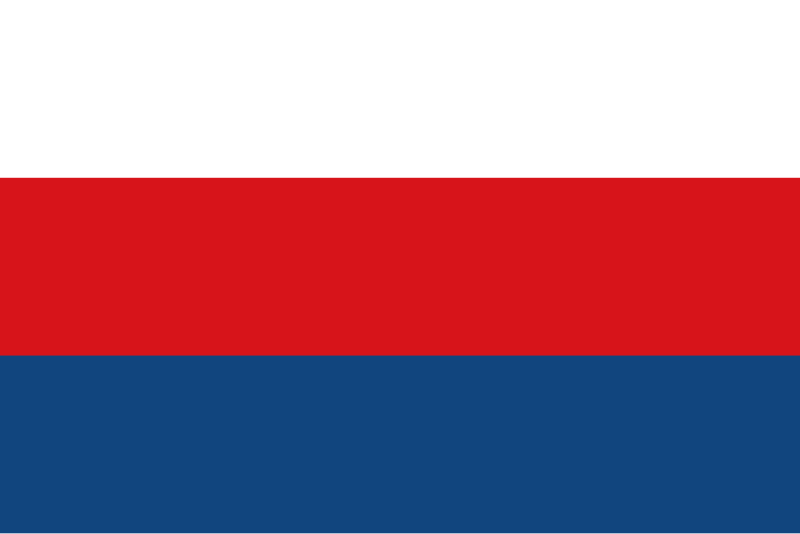
Protectorate of Bohemia and Moravia
autonomous administrative unit of Nazi Germany in the occupied Czech lands (1939–1945)
Generalplan Ost
Nazi racial plan of enslavement and genocide of peoples of Central and Eastern Europe, mainly Jews, Slavs & Roma

Germanisation
Germanisation, or Germanization, is the spread of the German language, people, and culture. It was a central idea of German conservative thought in the 19th and the 20th centuries, when conservatism and ethnic nationalism went hand in hand. In linguistics, Germanisation of non-German languages also occurs when they adopt many German words.
Reichskommissariat Ostland
administrative division of Nazi Germany in the occupied Baltic countries and parts of Belarus
Drang nach Osten
German Eastward expansionism, later associated with Nazi Germany
Georg Ritter von Schönerer
Austrian politician (1842-1921)

Intelligenzaktion
The Intelligenzaktion (), or the Intelligentsia mass shootings, was a series of mass murders committed against the Polish intelligentsia (teachers, priests, physicians, and other prominent members of Polish society) during the early years of the Second World War (1939–45) by Nazi Germany. The Germans conducted the operations in accordance with their plan to Germanize the western regions of occupied Poland, before their territorial annexation to the German Reich.
SS Race and Settlement Main Office
organization in Nazi Germany
racial policy of Nazi Germany
set of policies and laws implemented by Nazi Germany
German crimes against Poles
WWII war crimes
Septemberprogramm
The Septemberprogramm (, literally "September Program") was a memorandum authorized by Chancellor Theobald von Bethmann Hollweg of the German Empire at the beginning of World War I. It was drafted on 9 September 1914 by the Chancellor's private secretary, Kurt Riezler, in preparation of peace negotiations at a time when Germany was expected to defeat France quickly and decisively on the Western Front. The territorial changes proposed in the Septemberprogramm included making a vassal state of Belgium, annexing Luxembourg and portions of France, expanding German colonies in Africa, and increasin
Polish and Danziger areas annexed by Nazi Germany
Territories of Poland and the Free City of Danzig which were annexed by Germany during WWII
Kidnapping of children by Nazi Germany
cultural genocide of children in Nazi Germany
Final Solution of the Czech Question
Nazi plan for Germanification of Bohemia and Moravia
Września children strike
1901–1904 Polish civil rights protests

expulsion of Poles by Nazi Germany
World War II expulsions
Eastern Jews in Germany
thumb|Hermann Struck, Chacham, en face ("[[Hakham, front-facing"), 1932, drypoint, aquatint]]
Goralenvolk
Goralenvolk was a geopolitical term invented by the German Nazis in World War II in reference to the Goral highlander population of Podhale region in the south of Poland near the Slovak border. The Germans postulated a separate nationality for people of that region in an effort to extract them from the Polish citizenry during their occupation of Poland's highlands. The term Goralenvolk was a neologism derived from the Polish word Górale (the Highlanders) commonly referring to the ethnic group living in the Beskid and Tatra mountains. In an attempt to make the Gorals collaborate with the S
1938 changing of place names in East Prussia
Nazi-era replacement of toponyms in East Prussia
Germanisation in Poland
German-led genocide in Poland (1939–1945)
Franz Stein
Austrian journalist, politician and activist (1869-1943)
Chortitza Colony
Mennonite settlement in the Russian Empire