Category
page 1Gloeophyllales
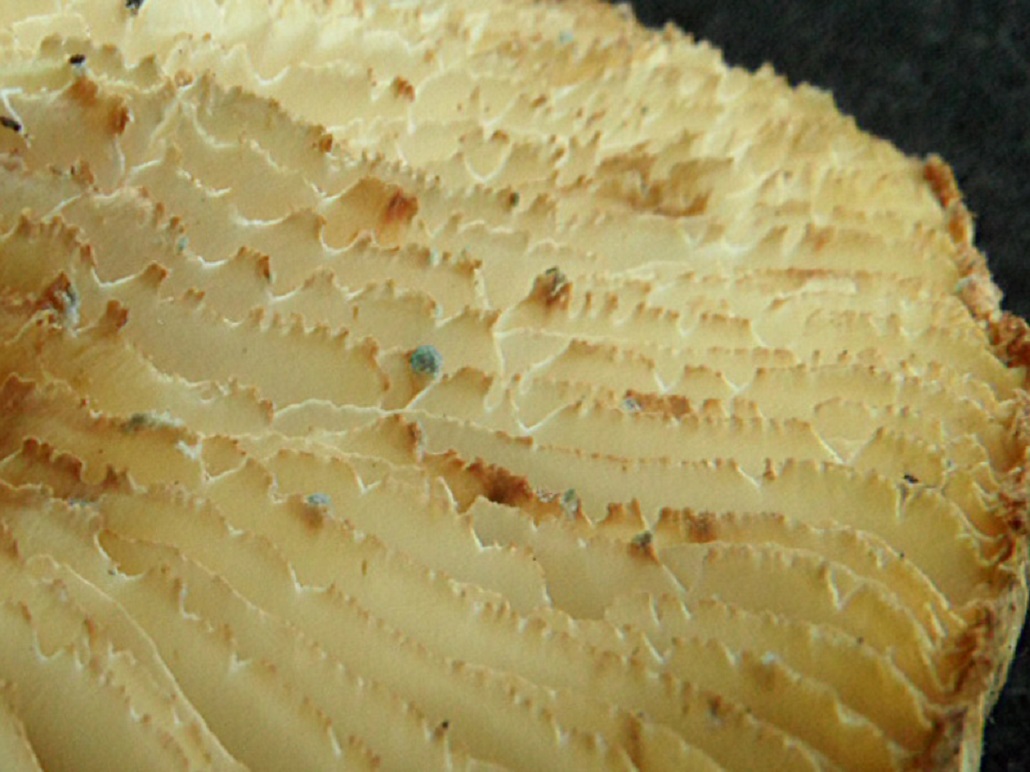
Neolentinus lepideus
species of fungus
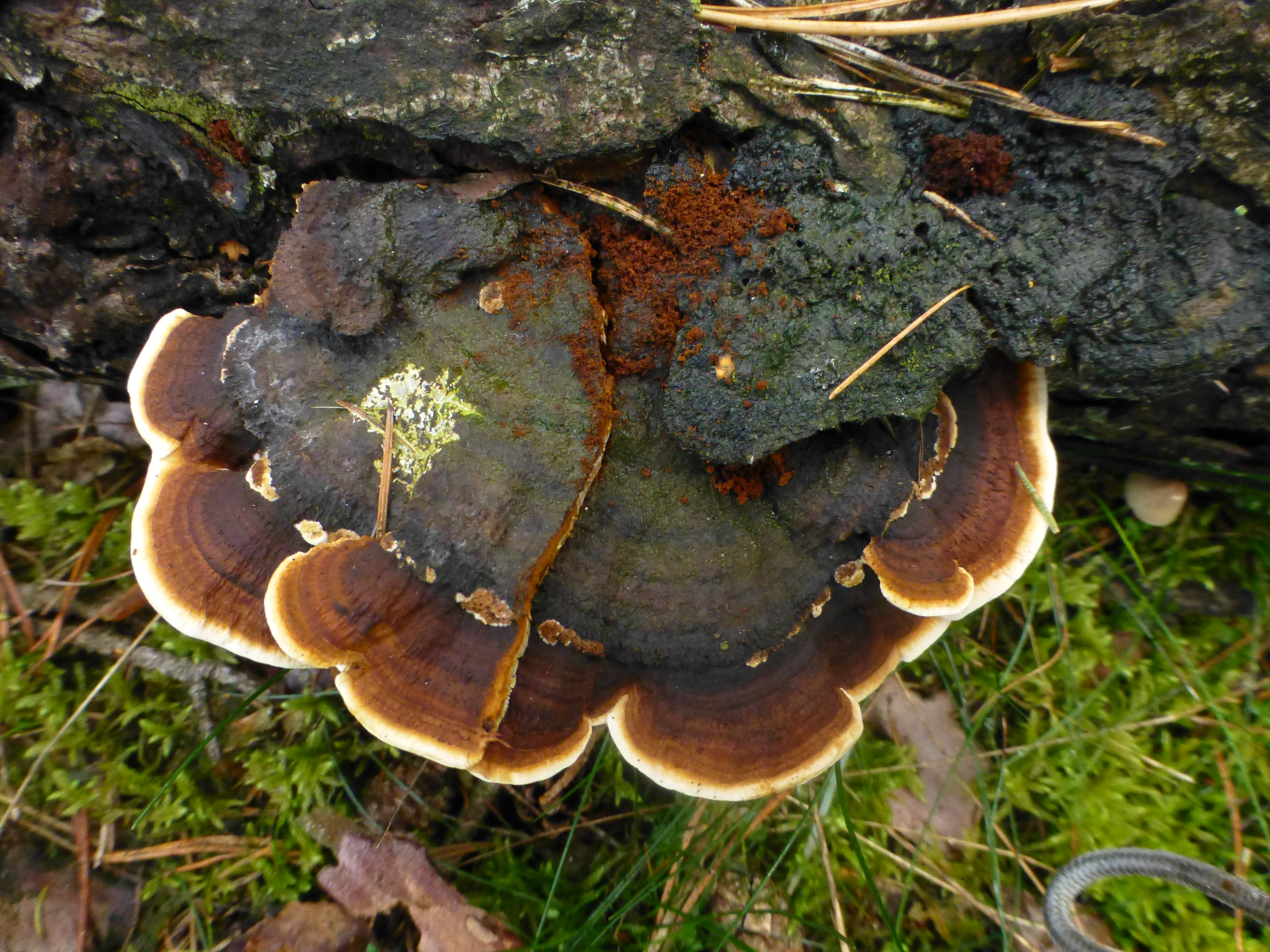
Gloeophyllum sepiarium
species of fungus
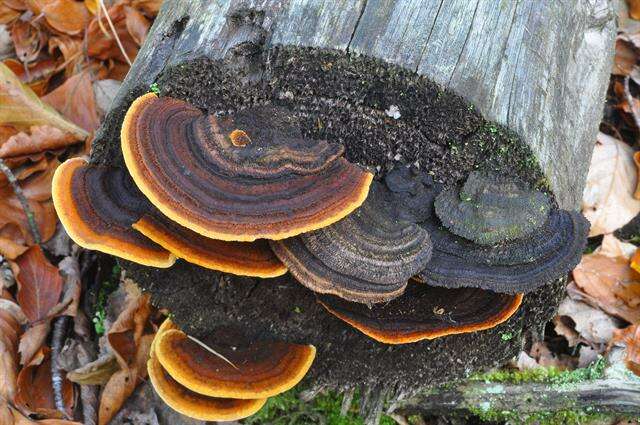
Gloeophyllum
Gloeophyllum is a genus of fungus in the class Agaricomycetes. It is characterized by the production of leathery to corky tough, brown, shaggy-topped, revivable fruitbodies lacking a stipe and with a lamellate to daedaleoid or poroid fertile hymenial surfaces. The hyphal system is dimitic to trimitic. The genus is further characterized by the production of a brown rot of wood. Phylogenetically, it along with several other brown rot Basidiomycota, Neolentinus, Heliocybe, and Veluticeps form an order called the Gloeophyllales.
Gloeophyllales
The Gloeophyllales are a phylogenetically defined order of wood-decay fungi that is characterized by the ability to produce a brown rot of wood. It includes a single, identically defined family, the Gloeophyllaceae, in which are included the genera Gloeophyllum, Neolentinus, Heliocybe, and Veluticeps.
Neolentinus
Neolentinus is a genus of wood-decaying agarics with tough (leathery to woody) fruit bodies composed of dimitic tissue, serrated lamella edges, and nonamyloid white binucleate basidiospores among other features. It was segregated from Lentinus in the broad taxonomic sense, hence the derivation of the name. Biologically Neolentinus species produce a brown rot type of decay of wood, whereas Lentinus causes a white rot. Molecular phylogenetic analysis shows that the two genera are unrelated. Neolentinus is phylogenetically allied to other brown rot genera such as Gloeophyllum, Heliocybe, and Velu
Gloeophyllaceae
REDIRECT Gloeophyllales
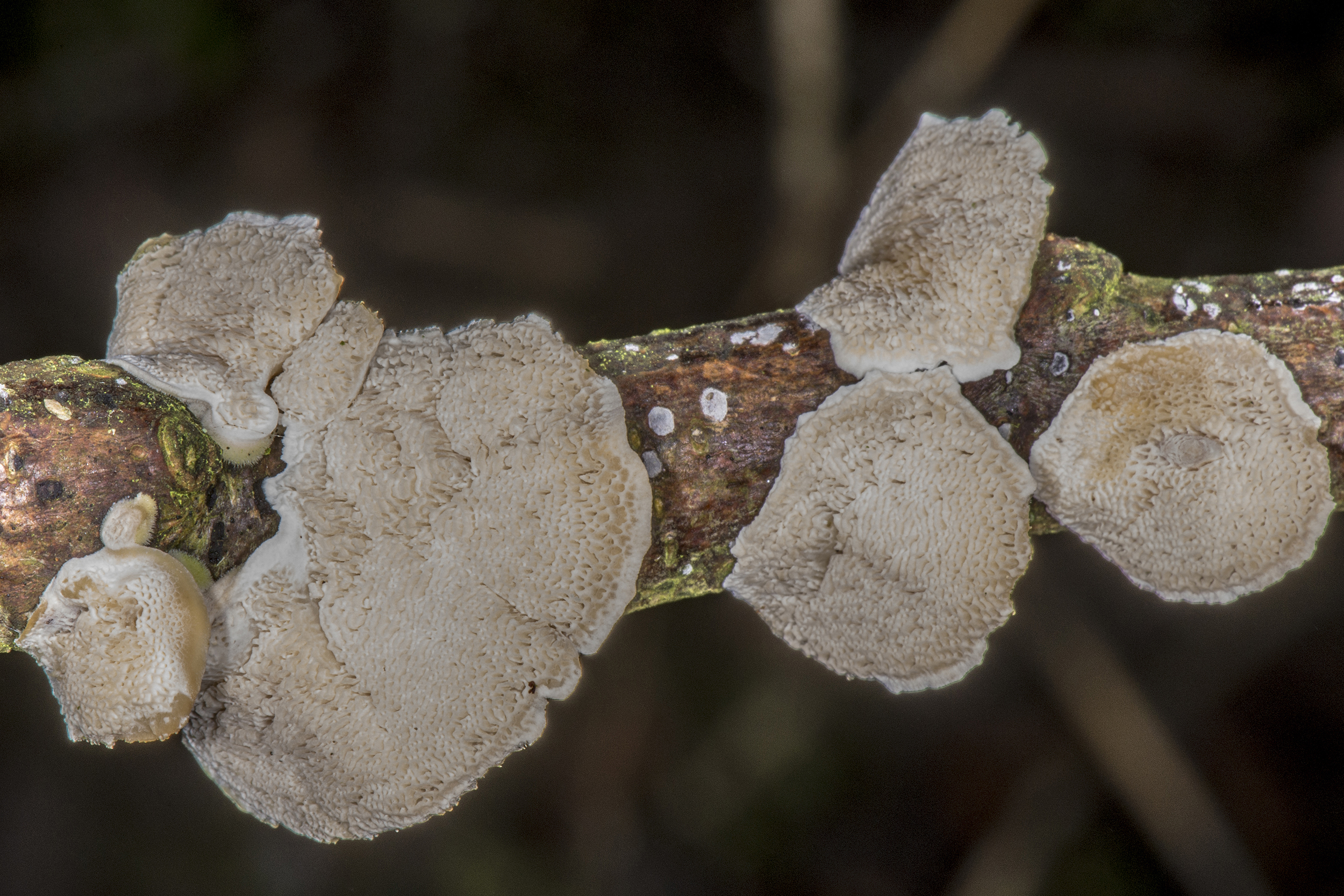
Gloeophyllum trabeum
species of fungus
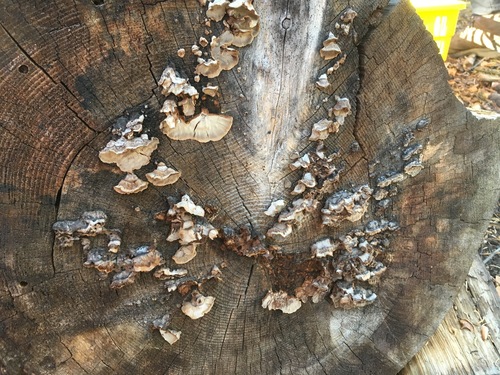
Veluticeps
thumb | right | Veluticeps abietina from Commanster, Belgium
Veluticeps is a small genus of wood-rot fungi characterized by the production of resupinate to bracket shaped, perennial, tough, brown fruitbodies, that blacken when KOH solution is applied, and with a smooth to warted or cracked fertile undersurface. They cause a brown rot of wood. Cystidia in the hymenium are characteristically mostly in fascicles. The genus may be monotypic if Columnocystis is excluded. Phylogenetically, the type species, V. berkeleyi, groups with several other brown rot genera such as Neolentinus, Heliocybe, and
Boreostereum
Boreostereum is a genus of corticioid fungi. The genus was circumscribed in 1968 by Erast Parmasto to contain the type species, which was formerly known as Stereum radiatum. Boreostereum has four species that are widely distributed in northern temperate areas. Species in the genus have a dimitic hyphal system, and the hyphae have with brown encrustations that turn greenish when potassium hydroxide is applied. Boreosterum vibrans produces vibralactones, chemical metabolites that inhibit various enzymes. Recent phylogenetic research indicates that Boreostereum is a sister group to the rest of th
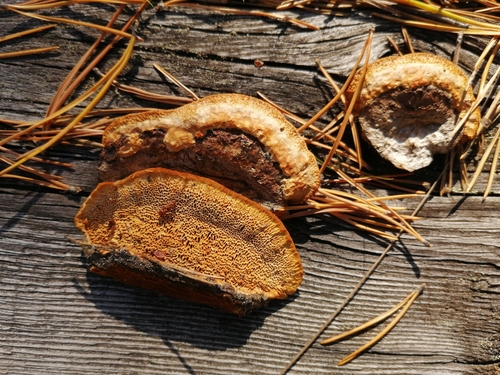
Gloeophyllum protractum
species of fungus
Neolentinus ponderosus
species of fungus
Heliocybe
Heliocybe is an agaric genus closely allied to Neolentinus and the bracket fungus, Gloeophyllum, all of which cause brown rot of wood. Heliocybe sulcata is the type and sole species.
Campylomyces
Campylomyces is a genus of wood-rotting fungi in the family Gloeophyllaceae. The genus, circumscribed by Karen K. Nakasone in 2004 to contain two species formerly assigned to Veluticeps, is characterized by producing small, thin, cup-shaped fruit bodies that grow in groups.